
Reviewed · MUMBAI DHARAVI SLUM TOURS
Best Combo Tour: Dabbawalas, Dhobi Ghat and Slum with Train
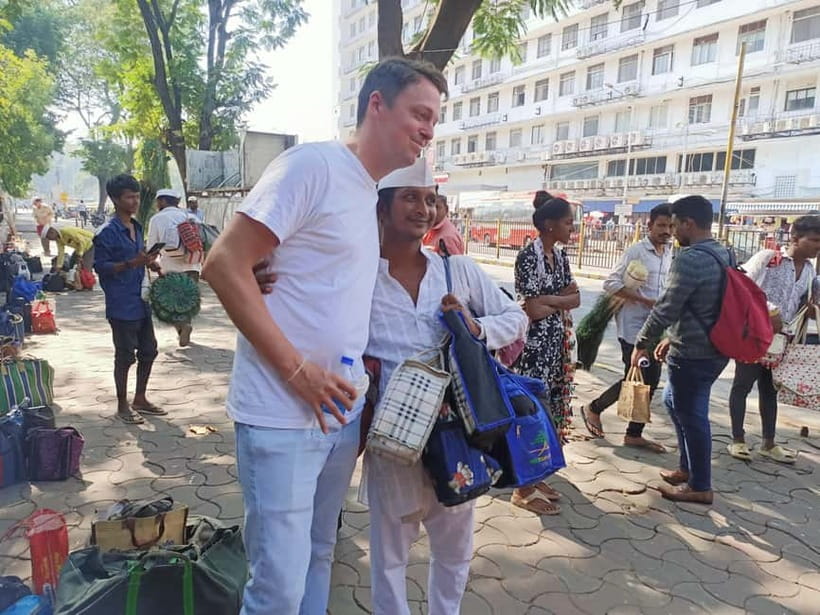
Mumbai’s daily life is the main attraction here. In four hours, you follow lunchboxes through the city, ride a suburban train, see clothes washed in open-air concrete troughs, and walk through Dharavi’s narrow lanes with a local guide. This is Mumbai at work, not a parade of monuments.
I like the tour’s efficient route and its use of public transport. I also like the chance to see working communities rather than only polished sights. Guides named Abi and Hardik have been praised for patient explanations and careful attention to the group. The main drawback is the pace: four stops in four hours leaves little room to linger, and Dharavi may feel confronting for some visitors.
Key points to know before booking
- Churchgate is the starting point: Meet near the ticket window at the Dava Discount chemist shop inside Churchgate Railway Station.
- The tour uses Mumbai’s local trains: Train tickets are included, and the rides take about five and ten minutes.
- Dharavi takes up most of the time: You spend around two hours walking through lanes, workshops, markets, and local businesses.
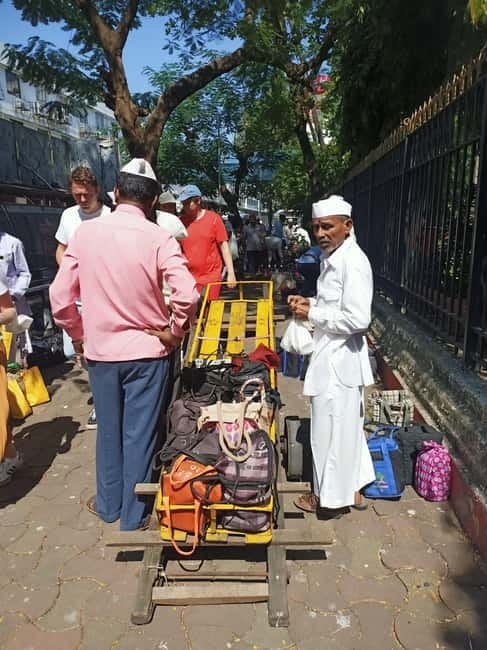
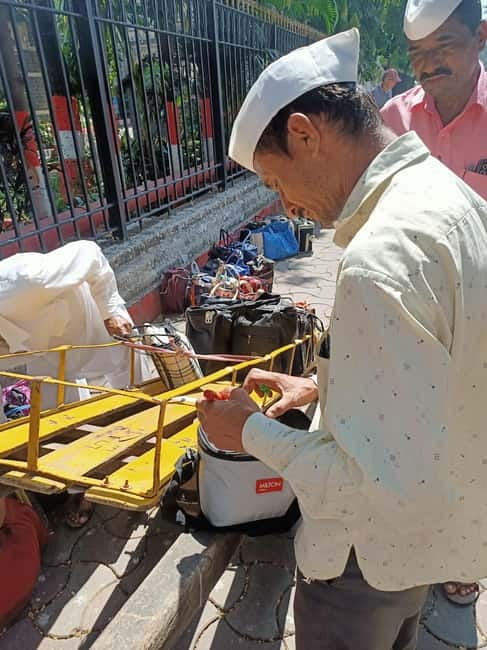
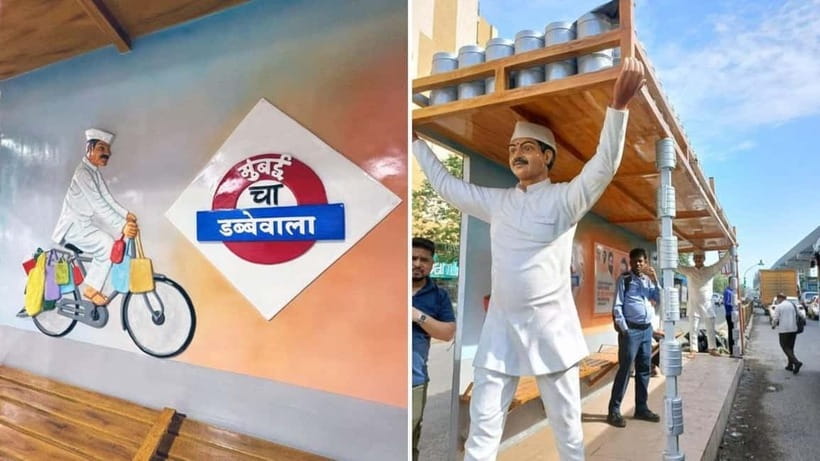
- The dabbawala visit explains a famous city service: You see how lunchboxes are sorted, moved, and delivered across Mumbai.
- Water and an English-speaking guide are included: Food and drinks beyond the provided water are not included.
- The tour ends away from Churchgate: Your finish point is Sai Multispeciality Hospital & Research Centre.
Why this four-hour Mumbai route works
I see this as a city-life tour rather than a sightseeing checklist. The places are famous, but the real value comes from watching systems and communities function: lunchboxes moving across a huge city, clothes processed by hand, trains carrying commuters, and small businesses operating in Dharavi.
The $32 price is reasonable if you want all four elements in one compact outing. You receive an English-speaking guide, local train tickets, and a bottle of water. You are paying less for grand entrances and more for access, explanation, and a route that would be hard to organize smoothly on your own.
The experience has a modest rating of 3.5 from three reviews, so I would not present it as a perfect fit for everyone. Still, the two detailed five-star accounts give useful clues about what matters most: patient guiding, clear answers, and a feeling of safety during the train rides and the walk through Dharavi.
More dabbawala tours in Mumbai
- Private Combo Tours Sightseeing + Dharavi Slum + Dhobi Ghat & Dabbawalas
★ 5.0 · 245 reviews - Dabbawala, Dhobi Ghat & Dharavi slum Tour with Local Train Ride
★ 5.0 · 102 reviews - Mumbai Gems: 2-Day Private Tour with Elephanta, Slum & Dabbawala
★ 5.0 · 63 reviews
Meeting at Churchgate Railway Station
The tour starts at Churchgate Railway Station, near the ticket window and the Dava Discount chemist shop. This is an important detail because a large station can be confusing when you are trying to find a guide and a tour group.
You begin with a short guided visit around Churchgate. The scheduled time is about 30 minutes, including walking, sightseeing, and a photo stop. The station provides a fitting introduction to Mumbai because rail travel is central to the city’s daily rhythm.
This part is not designed as a long station tour. Instead, it gives you time to meet the guide, understand the route, and begin talking about Mumbai’s famous lunchbox delivery service. Arrive with enough time to identify the meeting point without rushing.
Seeing the dabbawalas at work
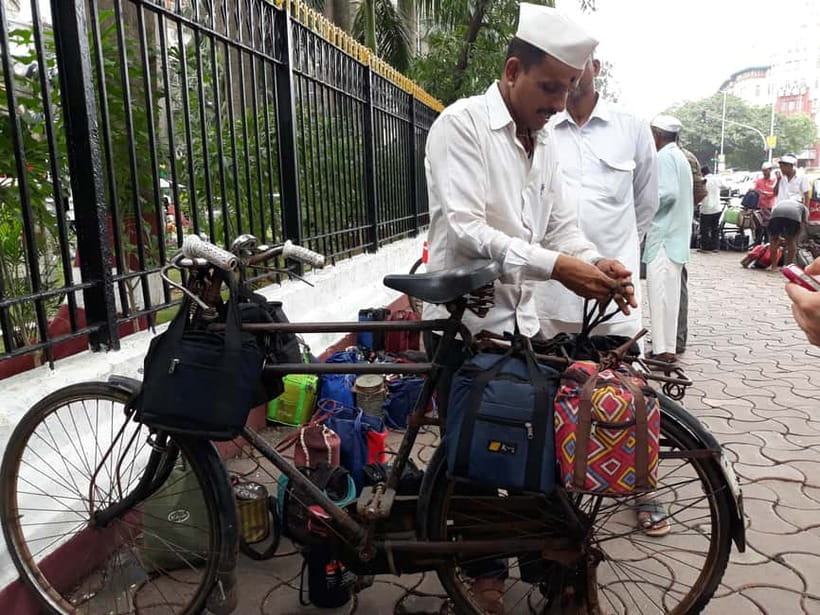
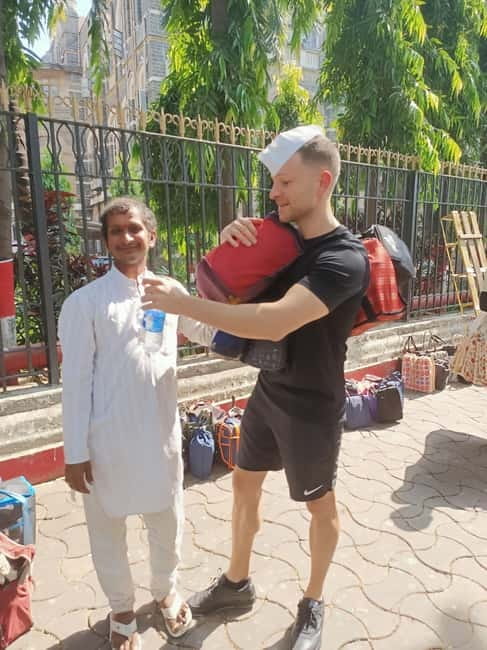
The dabbawalas are the first major subject of the tour. Mumbai’s lunchbox delivery system has operated for more than a century, carrying home-cooked meals between residences and workplaces. You watch the sorting, delivery, and transport process and learn how the service manages thousands of lunchboxes across the city.
What makes this stop useful is its focus on coordination. You are not simply looking at a landmark. You are seeing a working service that depends on people, timing, sorting, and movement through a crowded city.
The exact length of the dabbawala portion is folded into the opening Churchgate visit, which is listed at about 30 minutes. That means you should expect an introduction and observation rather than an extended behind-the-scenes session.
A good guide matters here. The system can seem mysterious if you only see stacks of metal lunch carriers moving through a station. Guides such as Abi and Hardik have been singled out for patient explanations and for answering questions. If you are curious about how the lunchboxes are organized or transported, this is the moment to ask.
Riding Mumbai’s local train
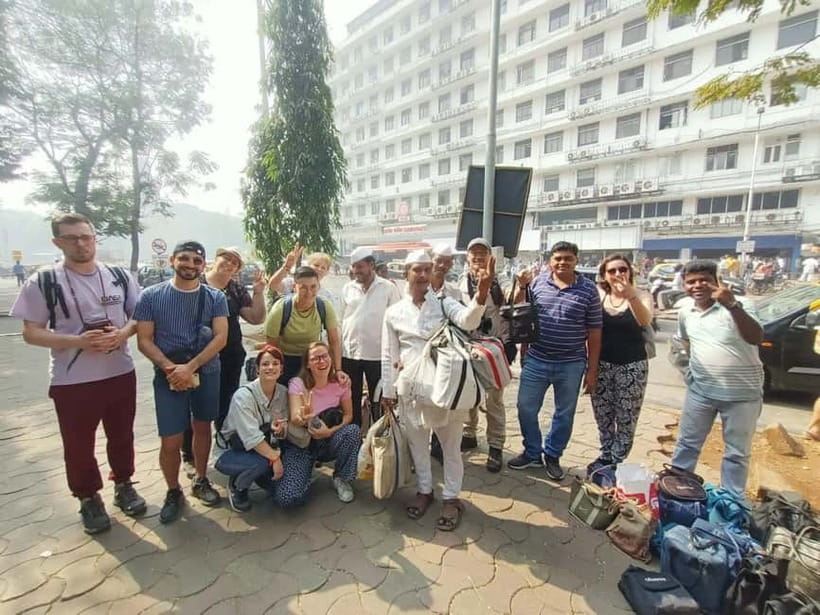
The train ride is brief, but it adds something a private vehicle cannot. The route includes one ride of about five minutes and another of about ten minutes. Local train tickets are included, so you do not need to arrange those separately.
You ride alongside local commuters and get a close look at one of Mumbai’s basic transport systems. The point is not to cover a long distance or admire scenery from a window. It is to experience the city’s movement at ground level, with the noise, pace, and shared space that come with suburban rail travel.
Because the rides are short, keep your expectations practical. This is not a full railway excursion. It is a useful link between stops and a quick look at how people get around Mumbai.
The train also makes the tour more active. You will be walking, boarding, riding, and walking again instead of sitting in a vehicle for four hours. That is a plus if you want contact with ordinary city life. It can feel hurried if you prefer a slower route with plenty of time at each place.
More Dhobi Ghat tours in Mumbai
- Mumbai: Dhobi Ghat Laundry and Dharavi Slum Tour with Local
★ 5.0 · 469 reviews - Mumbai: Dharavi Slum and Dhobi Ghat Laundry Tour
★ 5.0 · 317 reviews - Mumbai: Dharavi Slum Tour with Dhobi Ghat (Open-Air Laundry)
★ 4.8 · 62 reviews - Mumbai Dharavi Slum, Dhobi Ghat & Dabbawala Lunchbox Tour
★ 5.0 · 43 reviews
Dhobi Ghat and Mumbai’s outdoor laundry
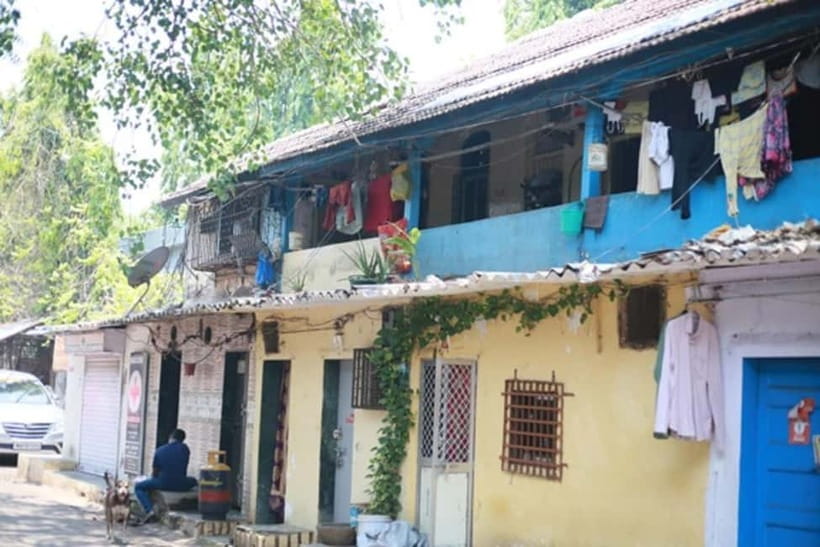
After the first train ride, you visit Dhobi Ghat, often described as the world’s largest outdoor laundry. The tour gives you about 30 minutes here for a guided visit, walking, and photographs.
You see rows of open-air concrete washing troughs where dhobis handwash and dry clothing. The attraction is not only the scale. It is the direct view of a long-running work tradition carried out in full public view.
A short visit works well for understanding the basic setup and hearing about the dhobis’ daily lives. You can see the physical effort involved and how different this work looks from a modern commercial laundry.
Still, 30 minutes is not enough for a detailed study of every part of the operation. If you want a long photo session or extended conversations, the schedule may feel tight. The guide’s explanation is important because the place can otherwise become a quick photo stop.
Treat Dhobi Ghat as a working environment, not a staged attraction. Stay attentive to instructions, watch where you walk, and remember that people are carrying out their jobs while you visit.
Two hours in Dharavi
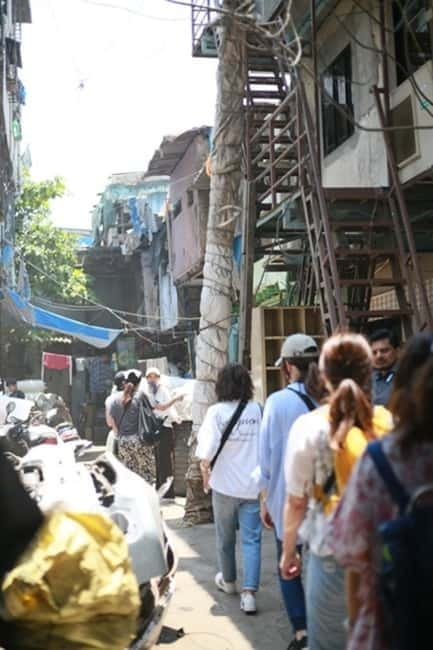
Dharavi receives the largest share of the tour, around two hours. That is the right balance for a neighborhood where the main point is seeing how people live and work, rather than taking a quick look from a vehicle.
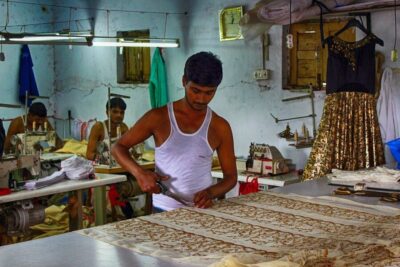
With the guide, you walk through narrow lanes, workshops, street markets, and local businesses. The tour presents Dharavi as a place with strong entrepreneurial activity and many forms of work. You may see how small industries and businesses operate within a dense urban community.
The experience can challenge simple ideas about the area. Dharavi is described as one of Asia’s largest slums, but the tour also focuses on its resilience, creativity, and business activity. You are shown a neighborhood with working systems and economic life, not just a place defined by hardship.
This is where the guide’s approach matters most. A patient guide can give context, answer difficult questions, and help you move through the area respectfully. Hardik was praised for his broad knowledge, willingness to answer questions, and care for the group during the walk. Those qualities are especially useful here.
You should also arrive with the right attitude. This is not a show built for casual entertainment. You are entering a real community. Listen more than you photograph, follow the guide’s directions, and avoid treating residents or workplaces as scenery.
The two-hour duration gives you time to notice contrasts: narrow lanes beside active workshops, residential areas alongside markets, and small operations serving a large city. The tour is strongest when you pay attention to ordinary details and ask thoughtful questions.
What the route says about Mumbai
The four stops connect in a clear way. The dabbawalas show a citywide delivery network. The train shows the public transport that keeps the city moving. Dhobi Ghat shows a specialized service carried out by hand. Dharavi shows how local production and commerce fit into dense city life.
That connection gives the tour more purpose than four unrelated visits. You see different forms of labor and transport, all tied to Mumbai’s size and energy.
I also like that the route avoids spending the whole morning inside a sightseeing vehicle. Walking and using trains make the city feel immediate. You hear and see more, though you also give up some comfort and control over the pace.
Timing, comfort, and what to bring
The total duration is four hours. The schedule includes walking at every major stop, two short train rides, and a two-hour walk through Dharavi. Wear comfortable shoes and bring only what you need for the morning.
A bottle of water is included, which is useful during the walking portions. Food and other drinks are not included, so plan accordingly. The tour description does not specify a meal stop, and you should not expect lunch to be part of the $32 price.
You may want to keep your camera ready for the photo stops, but the best part of the tour is not necessarily the most photogenic. The guide’s explanations and your view of daily work are more important than collecting pictures.
The route finishes at Sai Multispeciality Hospital & Research Centre, not back at Churchgate. That matters when planning your next stop. Leave extra time for getting your bearings after the tour, since the finish point differs from the starting station.
Guide quality can shape the whole experience
This tour depends heavily on the person leading it. The places are interesting, but the meaning comes from the explanations and the way the group is handled.
Abi was praised for being excellent, patient, and informative. Hardik was praised for explaining the dabbawala service carefully, answering questions, and making sure the group felt secure on the trains and in Dharavi. These comments point to the qualities you should value: clear communication, patience, and respectful conduct.
The tour is offered in English. If you want to understand the links between Mumbai’s transport, work, and neighborhoods, ask questions as you go. The four-hour schedule leaves little spare time, so focused questions will serve you better than trying to cover every possible subject.
Who should book this experience?
I would choose this tour if you want to understand Mumbai through its working communities. It suits first-time visitors who want more than landmark photos, people interested in public transport and urban life, and anyone who values a local guide’s context.
It may not suit you if you dislike crowds, short train rides, walking, or visits to places where people are working and living. Dharavi can be emotionally demanding, and some visitors may find the tight schedule or direct contact with poverty uncomfortable.
The tour also suits visitors with only half a day available. It combines four distinct experiences without requiring you to plan train tickets, transfers, or a guide separately. The tradeoff is that each stop receives a limited amount of time except Dharavi.
Should you book the Dabbawalas, Dhobi Ghat and Dharavi tour?
Book it if you want an active, people-focused introduction to Mumbai and accept that the route will move quickly. At $32, the included guide, train tickets, and water make the package good value, especially if you would otherwise struggle to connect these places yourself.
I would be more cautious if you want a relaxed photo tour or a polished sightseeing experience. The best reason to book is the combination: dabbawalas, local trains, Dhobi Ghat, and two hours in Dharavi, explained by a guide such as Abi or Hardik. Go with curiosity, respect, and comfortable shoes, and you will get a useful view of how Mumbai works.
FAQ
How long is the tour?
The tour lasts four hours.
Where does the tour start?
It starts at Churchgate Railway Station near the ticket window at the Dava Discount chemist shop.
Where does the tour finish?
It finishes at Sai Multispeciality Hospital & Research Centre.
Which places are included?
The route includes Churchgate, the dabbawala service, a local train ride, Dhobi Ghat, and Dharavi.
Are local train tickets included?
Yes. Local train tickets are included in the tour price.
Is a guide included?
Yes. An English-speaking live guide is included.
Is food included?
No. Food and drinks are not included. A bottle of water is provided.
Can I cancel for a full refund?
Yes. You can cancel up to 24 hours in advance for a full refund.
More local train experiences in Mumbai
- Mumbai: Dharavi Slum and Dhobi Ghat Tour with Train Ride
★ 5.0 · 9 reviews - Primmum Mumbai Sightseeing With Local Train Ride Experience
★ 5.0 · 7 reviews - Mumbai City + Dabbawala aka Lunchbox + Train Ride Tour – The Unfeigned Mumbai.
★ 5.0 · 6 reviews - Mumbai: Dhobi Ghat Tour with Dharavi and Train Ride Options
★ 3.4 · 5 reviews
More Dharavi walking tours in Mumbai
- Dharavi slum tour in Mumbai by Female tour guides of the slum
★ 5.0 · 1,976 reviews - Mumbai: Dharavi Slum, DhobiGhat, and Dabbawallas Tour
★ 4.9 · 689 reviews - Dharavi Slum Tour
★ 5.0 · 625 reviews - Dharavi Slum tour in Mumbai by local resident
★ 5.0 · 572 reviews
Recently added around Mumbai
- Mumbai Sightseeing Tour★ 5.0 · 11 reviews
- Private Walking Tour in Dharavi Slums★ 5.0 · 7 reviews
- Private Mumbai 2-Day Tour Package:City + Slum & Elephanta Island.★ 5.0 · 3 reviews
- Vegetarian Indian Cuisine Virtual Cooking Class Experience from Mumbai★ 5.0 · 4 reviews
- Mumbai by Night Guided Tour★ 5.0 · 6 reviews
- Transfer from Mumbai Airport to Hotel★ 4.0 · 7 reviews
- Full-Day Agra Tour with Taj Mahal From Mumbai By Air★ 5.0 · 8 reviews
- Taj Mahal Day Trip Including Same Day Flights from Mumbai★ 5.0 · 3 reviews
Mumbai Dharavi Slum Tours, compared.

Dharavi slum tour in Mumbai by Female tour guides of the slum
Read our review →

Dharavi Slum Slumdog Millionaire Tour with a Local
Read our review →
Mumbai Slum Tour – Visit Dharavi Slum with Local Guide
Read our review →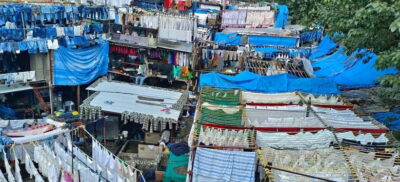
Dhobi Ghat Laundry and Dharavi Slum Tour with Local
Read our review →
Browse the lists this tour appears in