
Reviewed · MUMBAI DHARAVI SLUM TOURS
Mumbai Dharavi Slum, Dhobi Ghat & Dabbawala Lunchbox Tour
Mumbai’s famous sights tell only part of the story. This 3.5-hour tour shifts your attention to the people and systems that keep the city moving: the dabbawalas who deliver lunchboxes, the washermen of Dhobi Ghat, and the homes and workshops of Dharavi. It is a close look at working Mumbai, not a standard monument tour.
I like two things here. First, you visit places that are difficult to arrange alone, with transport and introductions handled for you. Second, the small group, capped at 15 people, gives guides such as Javed and Subhan room to explain local routines and answer questions. The main consideration is that Dharavi can feel confronting, and this tour may not suit you if you prefer polished attractions or a slower pace.
Key points to know before booking
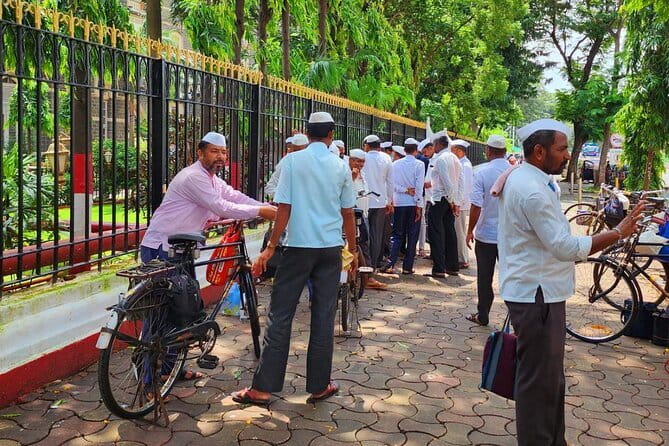
- Three working institutions in one morning: See the dabbawala system, Dhobi Ghat, and Dharavi in a single route.
- A practical small-group size: The tour accepts a maximum of 15 people, which allows more direct contact with the guide.
- Guides who focus on daily life: Javed and Subhan are among the guides praised for explaining local work, routines, and transport.
- A useful Churchgate-to-Mahim route: You start near Churchgate Railway Station and finish opposite Mahim Railway Station.
- Good value at $18.33: Bottled water, transport, entrance fees, and taxes are included.
- Simple booking terms: Mobile tickets are available, and cancellation is free up to 24 hours before departure.
Why this route shows a different Mumbai
I like this tour because it links three very different parts of city life. The dabbawalas represent a precise delivery network. Dhobi Ghat shows an old-fashioned service carried out on a huge scale. Dharavi brings you into a dense neighborhood where homes and small businesses exist side by side.
That mix matters. A visit to only one of these places could leave you with a narrow impression. Taken together, they show how Mumbai works through human effort, organization, and local enterprise.
The tour is also designed for access. These are not places you simply walk into and understand on your own. A local guide can explain where to go, how to behave, and what you are seeing without leaving you to guess. You should still approach Dharavi with respect. This is a community where people live and work, not a set built for sightseeing.
The price is another strong point. At $18.33 per person, you get about three and a half hours, transportation, bottled water, and all listed fees and taxes. Group discounts are also available. For a first visit to Mumbai, that is a practical way to spend part of a day without paying for a large private excursion.
More dabbawala tours in Mumbai
- Private Combo Tours Sightseeing + Dharavi Slum + Dhobi Ghat & Dabbawalas
★ 5.0 · 245 reviews - Dabbawala, Dhobi Ghat & Dharavi slum Tour with Local Train Ride
★ 5.0 · 102 reviews - Mumbai Gems: 2-Day Private Tour with Elephanta, Slum & Dabbawala
★ 5.0 · 63 reviews
Churchgate starts the story with the dabbawalas
The meeting point is outside Burger King at Express Building, near Churchgate Railway Station, at 11:30 am. This is a busy and recognizable part of South Mumbai, but you should allow enough time to find the exact location at No. 14E, IMC Marg.
The first stop is the Dabbawala Tribute Statue, with about 40 minutes set aside. Mumbai’s dabbawalas have been moving lunchboxes around the city for more than 130 years. Their work is famous because of the scale and precision involved: thousands of home-cooked meals move through the city each day and reach office workers at lunchtime.
You will not just hear a simple success story. The useful part is seeing the dabbawala network as a piece of everyday Mumbai. The system connects homes, railway stations, workplaces, and families. It also helps you understand why the city’s local transport and tightly organized routines matter so much.
The tour description allows time to learn how the lunchbox operation works, and the guide may help you interact with workers when conditions allow. Guides including Javed have been praised for explaining how people live and work, rather than giving only a quick fact sheet.
This stop is short, so do not expect a long museum visit or an academic lecture. Its value comes from context and access. You get a clear introduction before moving on to another side of Mumbai’s working life.
Dhobi Ghat offers a quick look at open-air laundry
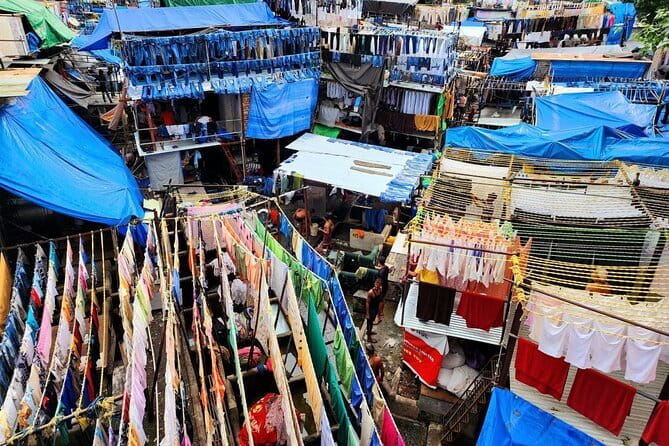
Dhobi Ghat follows, with about 35 minutes at the site. It is known as the world’s largest open-air laundry, where hundreds of dhobis wash thousands of clothes each day.
The setting is visually striking because the work takes place in a shared outdoor area rather than inside a modern commercial laundry. You can watch the repeated process of cleaning and handling clothing while the guide explains the people and routines behind it.
I would treat this stop as a focused viewing opportunity, not a long walk. Thirty-five minutes is enough to understand the scale and see the working area, but not enough for an extended visit. That short timing is also useful because it keeps the tour moving toward Dharavi, the longest and most substantial stop.
Dhobi Ghat can be especially helpful if you want more than a postcard view of Mumbai. It shows how a service used by city residents operates in a very visible, communal setting. At the same time, you should remember that it is a workplace. Follow your guide’s instructions, avoid getting in the way, and keep your attention on the people rather than treating the location as a photo prop.
Dharavi is the longest and most serious stop
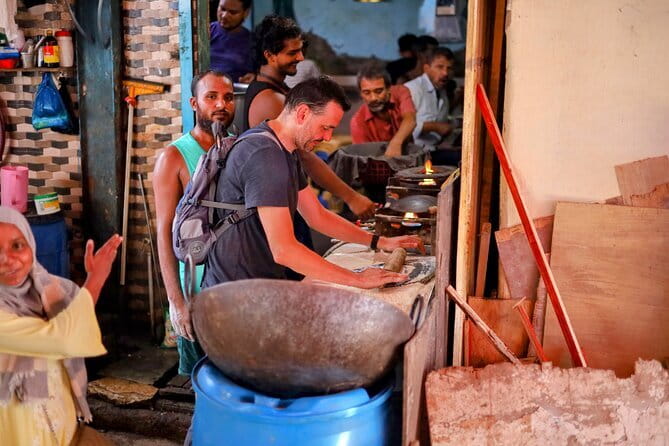
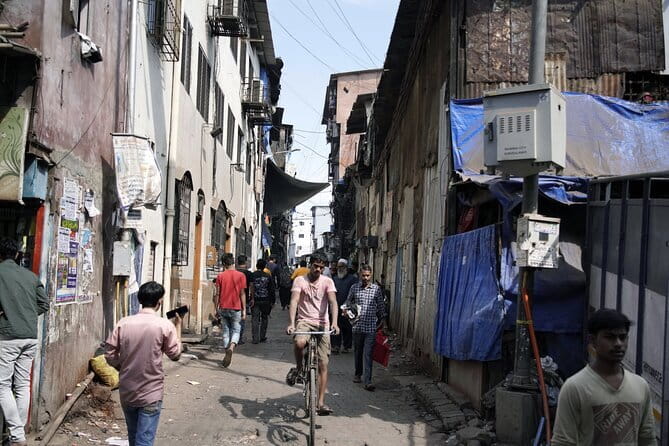
The final segment lasts about 1 hour and 15 minutes in Dharavi. The tour presents Dharavi as one of Asia’s largest slum areas and as a place where thousands of people live and work. That description is only part of the story, so a good guide matters.
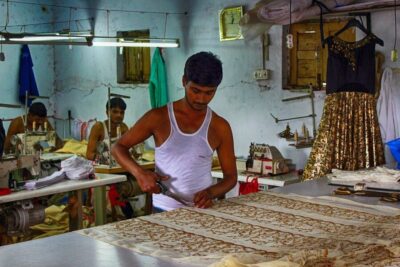
You will see a neighborhood shaped by daily life, local industry, and resilience. The purpose is not to admire hardship from a distance. It is to understand how a large community functions and how residents make a living in a tightly packed urban area.
This is where Subhan and Javed’s reported strengths are most useful. They have been praised for making people feel at ease, explaining local routines, and sharing details about the area with care. The guide’s tone can make the difference between a thoughtful community visit and an uncomfortable sightseeing exercise.
You should expect the visit to challenge your assumptions. Dharavi is not simply a place of poverty, and it is not simply a success story. It is a working neighborhood with complex social and economic realities. The tour gives you a short, guided view rather than a complete portrait, so keep your expectations realistic.
There is also a practical reason to visit with a guide. The tour provider knows the people and places involved, and the route is arranged in a way that you would have difficulty organizing independently. That helps with navigation and personal safety, but it does not remove the need for sensitivity. Ask before taking close-up photographs, listen when the guide gives instructions, and remember that residents are going about their lives.
More Dhobi Ghat tours in Mumbai
- Mumbai: Dhobi Ghat Laundry and Dharavi Slum Tour with Local
★ 5.0 · 469 reviews - Mumbai: Dharavi Slum and Dhobi Ghat Laundry Tour
★ 5.0 · 317 reviews - Mumbai: Dharavi Slum Tour with Dhobi Ghat (Open-Air Laundry)
★ 4.8 · 62 reviews - Mumbai City Tour With Laundry And Hotel Transfers (South Mumbai)
★ 5.0 · 41 reviews
What the small group changes

The maximum group size is 15. That is not the same as a private tour, but it is small enough for a guide to address questions and keep the group together through busy parts of the city.
A small group also helps during the Dharavi visit. You are less likely to form a large crowd, and the guide can spend more time explaining what you are seeing. If direct conversation matters to you, this format is more useful than a large coach tour.
The tradeoff is that the exact feel depends on the group assembled that day. A group of 15 can still be lively and less personal than a private booking. If you want complete control of timing, the route, or the subjects discussed, you may prefer a private option, though this tour’s low price makes it a strong budget choice.
The guides are one of the most important variables. Javed has been praised for explaining local routines and the lunchbox system, while Subhan has been praised for his welcoming manner, area knowledge, and care. You cannot guarantee a particular guide unless the provider confirms it, but both names suggest the kind of guide the company aims to provide.
Transport, timing, and the end point
Transportation used during the tour is included, which takes pressure off moving between Churchgate, Dhobi Ghat, and Dharavi. The tour starts at 11:30 am and lasts approximately three hours and 30 minutes.
The end point is Third Wave Coffee at Tip Road, Unit 58, Ram Mahal, opposite Mahim Railway Station. This is useful if you plan to continue around Mumbai after the tour. The guide will assist you with returning to your hotel or reaching your next destination.
Because the tour begins near Churchgate and ends near Mahim, it is not a round trip back to your starting point. Plan your afternoon around Mahim rather than assuming you will finish near your hotel. The end point is near public transportation, which makes onward travel simpler.
A mobile ticket is available, and confirmation is provided when you book. Most people can participate, and the meeting points are near public transport. The information provided does not give a detailed accessibility assessment, so you should contact Cityscape Mumbai Tours directly if you have specific mobility needs.
Is $18.33 good value?
For this price, I think the tour offers strong value if you want an introduction to everyday Mumbai rather than a list of famous buildings. You receive a guide, transport, bottled water, and all fees and taxes for less than the cost of many short private activities.
The value comes from access as much as duration. A guide can connect you with places and people you would not easily locate alone. That is particularly useful for Dharavi and the dabbawala operation, where context and local relationships shape the visit.
There are limits. Three and a half hours is enough for an introduction, not a detailed study. The dabbawala and Dhobi Ghat stops are fairly brief, and the Dharavi visit cannot explain every part of such a large community. Alcoholic beverages are not included, though that should not matter for a daytime cultural tour.
Free cancellation up to 24 hours before the start time adds useful flexibility. If you cancel less than 24 hours before 11:30 am, you will not receive a refund, and changes made inside that period are not accepted.
Who should book this Mumbai tour?
I would choose this tour if you want to understand how Mumbai works at street level. It suits first-time visitors who want a guided introduction, repeat visitors looking beyond the usual sights, and anyone interested in delivery systems, local work, and urban communities.
It is also a good fit if you value conversation. The strongest part of the experience is likely to be the guide’s explanation of how people live and work, not a dramatic landmark or polished attraction.
I would hesitate if you dislike visiting active residential areas, feel uncomfortable around poverty, or want lots of free time at each stop. Dharavi requires maturity and respect. You should be ready to listen, follow guidance, and accept that the tour offers a short window into a complicated place.
Should you book it?
Book this tour if you want an affordable, guided look at three parts of Mumbai that are hard to arrange alone. The combination of dabbawalas, Dhobi Ghat, and Dharavi gives you more range than a single neighborhood walk, and the route ends near Mahim Railway Station for easy onward travel.
Skip it if your idea of sightseeing is limited to monuments, markets, and comfortable photo stops. This tour asks you to pay attention to working people and living communities. For the right kind of visitor, that is exactly why the $18.33 price feels worthwhile.
FAQ
How long does the Mumbai Dharavi, Dhobi Ghat, and Dabbawala tour last?
The tour lasts approximately three hours and 30 minutes.
What time does the tour start?
The tour starts at 11:30 am.
Where does the tour begin?
It begins at Burger King, Express Building, Railway Station, No. 14E, IMC Marg, opposite Churchgate, Churchgate, Mumbai.
Where does the tour end?
It ends at Third Wave Coffee, directly opposite Mahim Railway Station. The guide can assist you with returning to your hotel or continuing to another destination.
How many people can join the tour?
The maximum group size is 15 people.
What is included in the tour price?
The price includes bottled water, transportation used during the tour, and all fees and taxes.
Are alcoholic drinks included?
No. Alcoholic beverages are not included.
Can I cancel for a full refund?
Yes. You can cancel at least 24 hours before the experience start time for a full refund. Cancellations or changes made less than 24 hours before the start time are not accepted and are not refundable.
Is the tour available with a mobile ticket?
Yes. Mobile tickets are available, confirmation is provided at booking, and the meeting points are near public transportation.
More Dharavi walking tours in Mumbai
- Dharavi slum tour in Mumbai by Female tour guides of the slum
★ 5.0 · 1,976 reviews - Mumbai: Dharavi Slum, DhobiGhat, and Dabbawallas Tour
★ 4.9 · 689 reviews - Dharavi Slum Tour
★ 5.0 · 625 reviews - Dharavi Slum tour in Mumbai by local resident
★ 5.0 · 572 reviews
Recently added around Mumbai
- Private Walking Tour in Dharavi Slums★ 5.0 · 7 reviews
- Mumbai Sightseeing Tour★ 5.0 · 11 reviews
- Private Mumbai 2-Day Tour Package:City + Slum & Elephanta Island.★ 5.0 · 3 reviews
- Vegetarian Indian Cuisine Virtual Cooking Class Experience from Mumbai★ 5.0 · 4 reviews
- Mumbai by Night Guided Tour★ 5.0 · 6 reviews
- Transfer from Mumbai Airport to Hotel★ 4.0 · 7 reviews
- Full-Day Agra Tour with Taj Mahal From Mumbai By Air★ 5.0 · 8 reviews
- Taj Mahal Day Trip Including Same Day Flights from Mumbai★ 5.0 · 3 reviews
Mumbai Dharavi Slum Tours, compared.

Dharavi slum tour in Mumbai by Female tour guides of the slum
Read our review →
Dharavi Slum Slumdog Millionaire Tour with a Local
Read our review →
Mumbai Slum Tour – Visit Dharavi Slum with Local Guide
Read our review →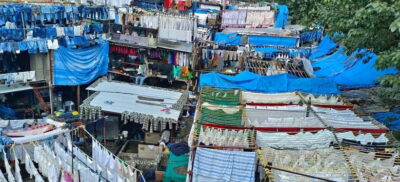
Dhobi Ghat Laundry and Dharavi Slum Tour with Local
Read our review →
Browse the lists this tour appears in