
Reviewed · MUMBAI DHARAVI SLUM TOURS
Mumbai: Dharavi Slum Tour with Dhobi Ghat (Open-Air Laundry)
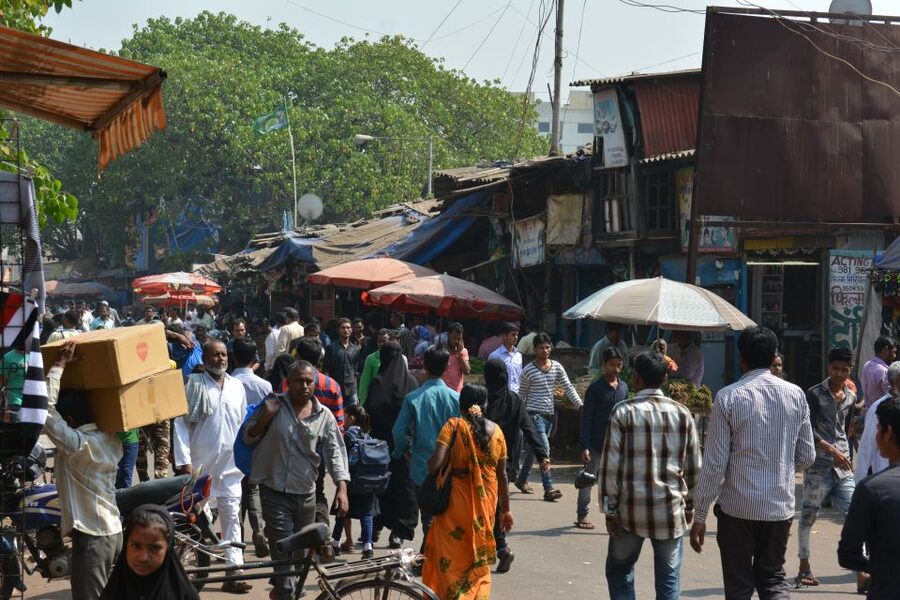
Dharavi is not simply a place of hardship. It is a working neighborhood where recycling units, leather workshops, bakeries, pottery makers, textile businesses, and other small industries keep money moving through Mumbai. This tour helps you see that productive side of Dharavi, then finishes at Dhobi Ghat, the famous open-air laundry where clothes are handled by hand.
I like the focus on local work and the chance to walk with guides who know the area personally. Pooja has been praised for her clear explanations and strong local knowledge, while Anushka grew up in Dharavi and brings personal stories to the route. I also like the price: at $4.94 for three hours, it offers a lot for very little money.
The main drawback is the split in quality between the two parts. The Dharavi walk can last about two and a half hours, but the Dhobi Ghat visit may be brief. One reported experience found the laundry portion lasted less than 30 minutes, with no option to go down into the washing area.
Key points to know before you go
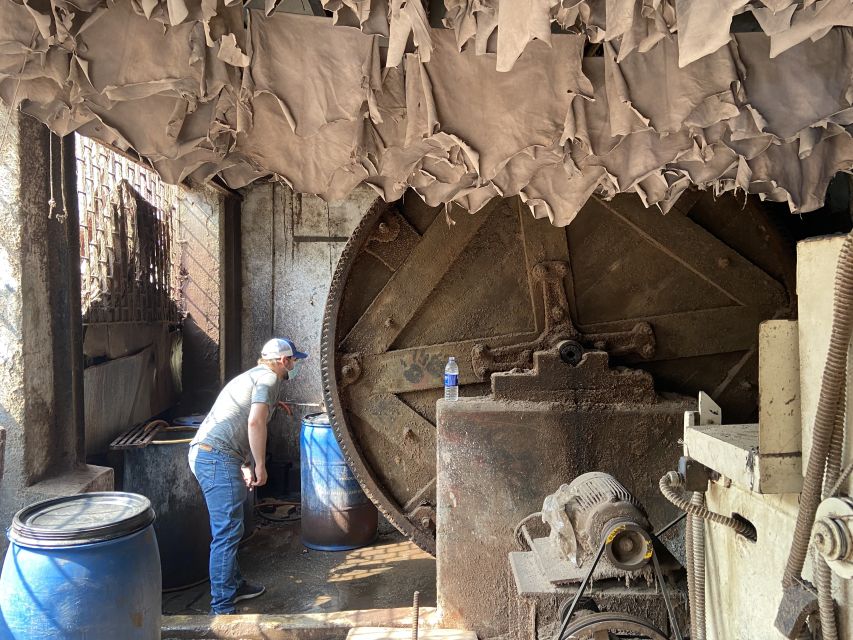
- Dharavi is presented as a place of work: See recycling, textiles, pottery, leatherwork, bakeries, and other small businesses rather than only residential lanes.
- Local guides make the difference: Pooja, Varsha, and Anushka have received strong praise for clear English, humor, and detailed explanations.
- Photography needs care: You may take photos, but ask first and follow your guide’s directions around homes and workshops.
- Dhobi Ghat is viewed from the end point: The tour finishes at the viewing deck, and the laundry section may be shorter than expected.
- Prepare for a real walking tour: Narrow lanes, busy streets, heat, rain, and limited restroom access all matter.
- The price is unusually low: At $4.94, this is strong value if your main goal is learning about Dharavi’s work and daily life.
Why this Dharavi tour feels different
The word slum can make Dharavi sound like a place to look at from a distance. That is the wrong frame for this experience. The tour focuses on how people live and earn money in one of Mumbai’s most crowded neighborhoods, with attention on work, recycling, trade, and local enterprise.
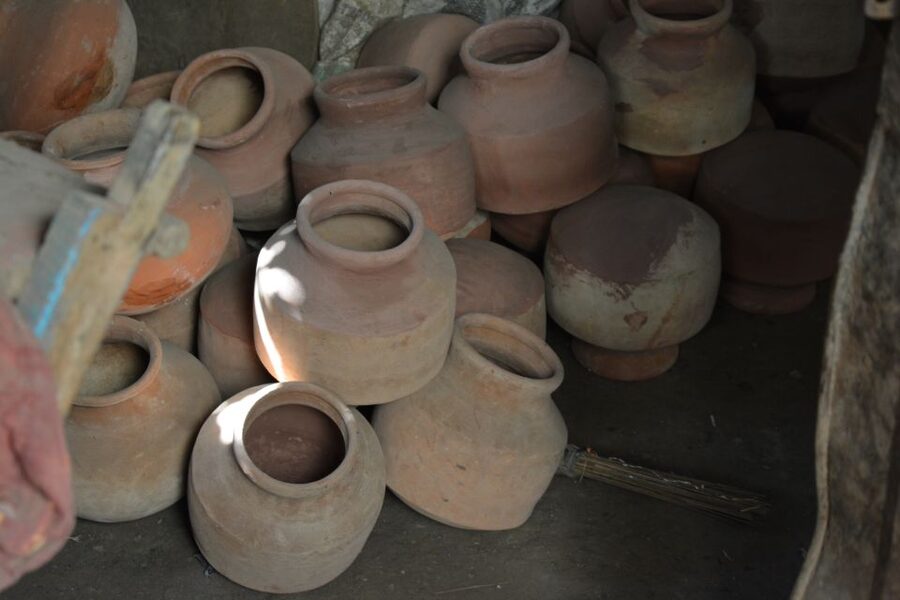
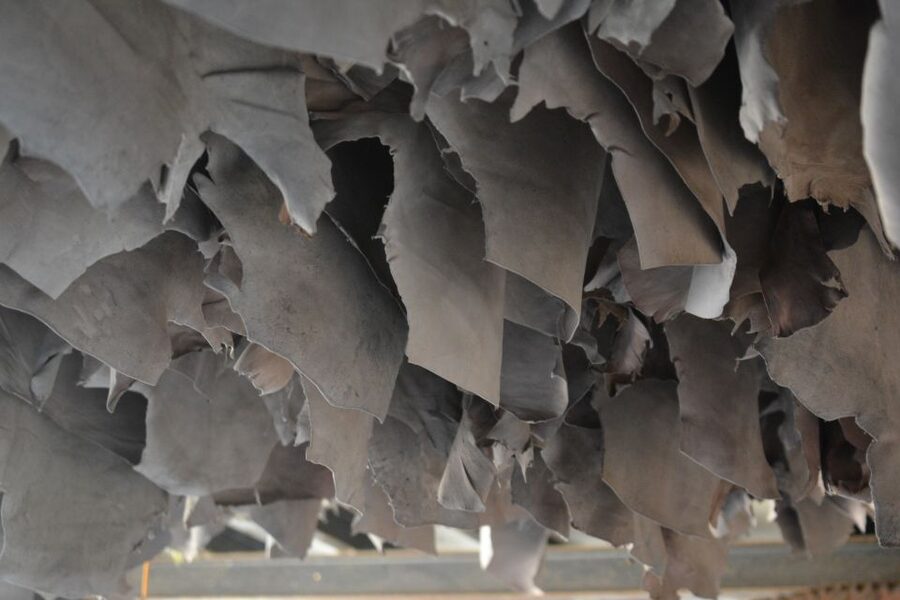
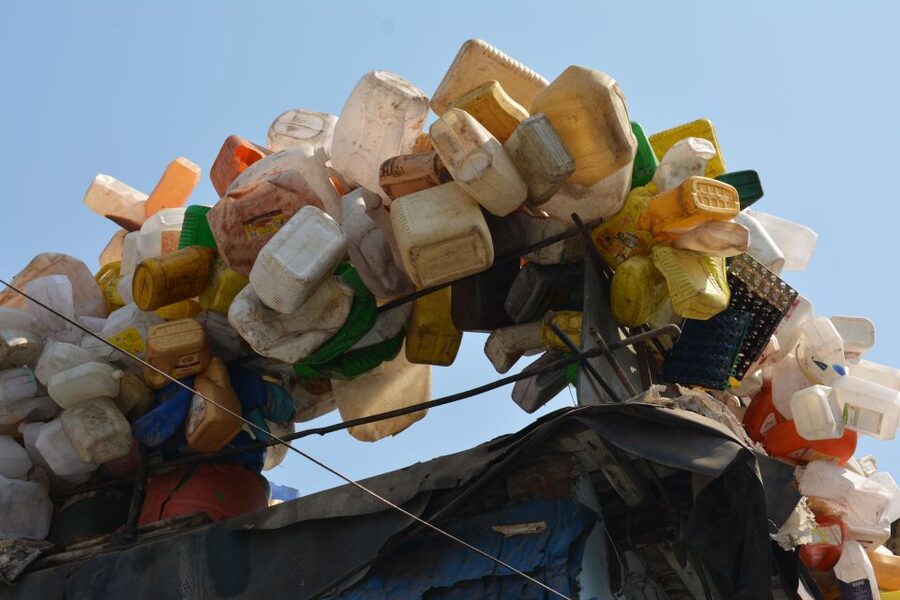
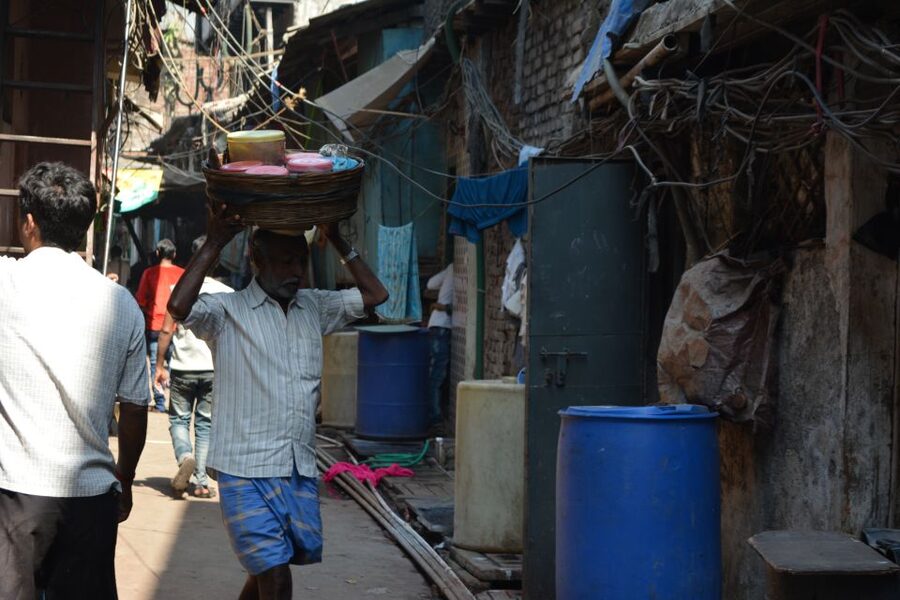
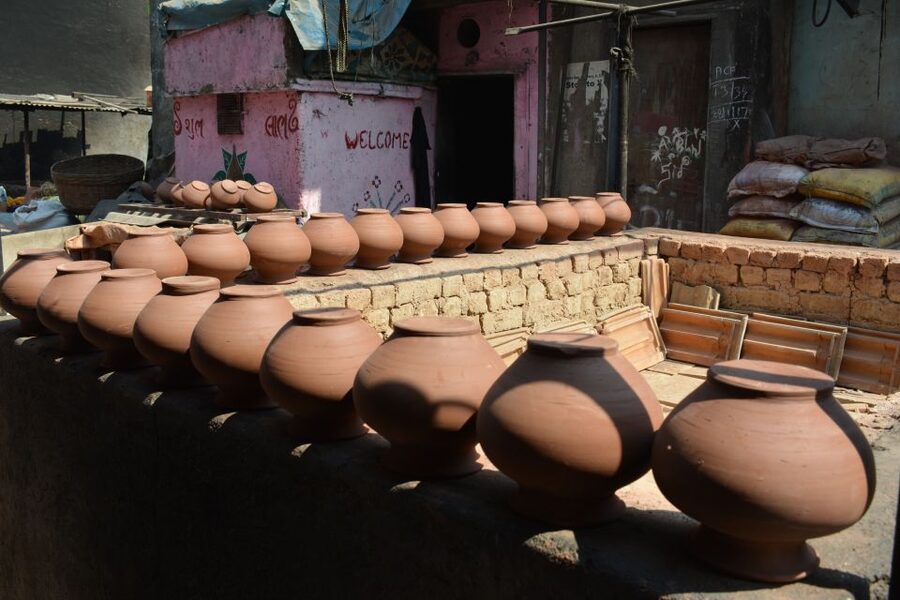
You might see plastic being sorted and processed, textile work taking place, leather goods being made, pottery being shaped, or small food businesses operating in tight quarters. The setting is practical rather than polished. Workshops and homes sit close together, and the lanes can feel cramped. That closeness is part of what the guide is there to explain.
This focus matters ethically. A slum tour can easily turn into poverty tourism, where visitors pass through, take pictures, and leave with little understanding. Here, the better parts of the experience come from learning how residents organize work, reuse materials, and support local livelihoods. You are still walking through people’s homes and workplaces, so your behavior matters.
The guides are central to that balance. Pooja has been praised for answering questions, explaining the area’s complexity, and showing how residents live and work. Varsha has led tours through the textile and plastic recycling areas and is described as warm and clear in English. Anushka, who grew up in Dharavi, can add personal stories that a guide with no connection to the neighborhood could not provide.
More Dhobi Ghat tours in Mumbai
- Mumbai: Dhobi Ghat Laundry and Dharavi Slum Tour with Local
★ 5.0 · 469 reviews - Mumbai: Dharavi Slum and Dhobi Ghat Laundry Tour
★ 5.0 · 317 reviews - Private Combo Tours Sightseeing + Dharavi Slum + Dhobi Ghat & Dabbawalas
★ 5.0 · 245 reviews
Starting outside Third Wave Coffee
The meeting point is outside the Third Wave Coffee shop. Arrive 15 minutes early, since finding a guide in a busy Mumbai setting is easier when you are not rushing.
Hotel pickup is not included, so you need to reach the starting point yourself. The tour also does not include food or drinks. Eat before you arrive, and carry a reusable water bottle. You may not have an easy restroom stop once the walk begins, so use facilities before meeting the guide.
Keep your luggage at your hotel. Large bags and baby strollers are not allowed, and neither would be easy to manage in narrow lanes. A small day bag is the sensible choice, though the supplied information specifically warns against large bags.
Walking through Dharavi’s working lanes
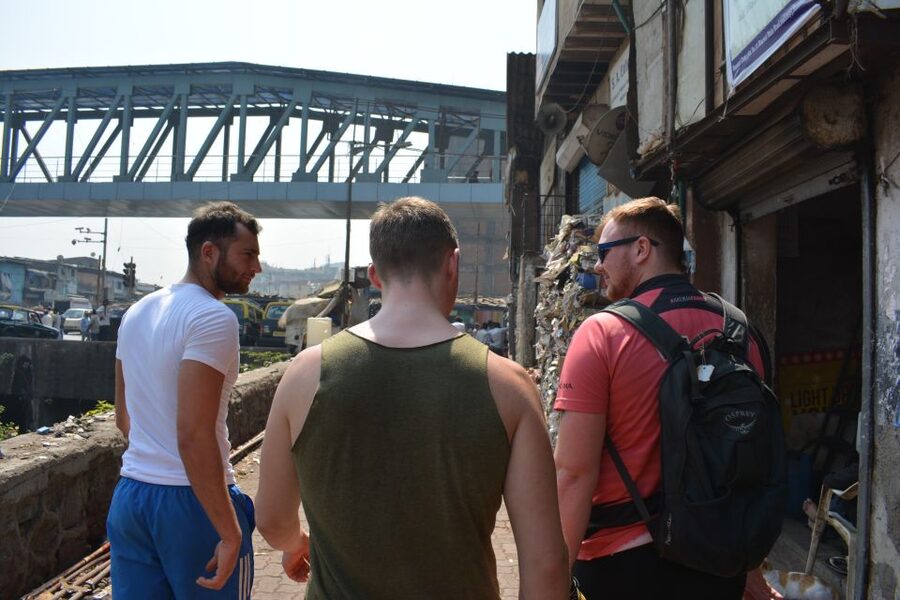
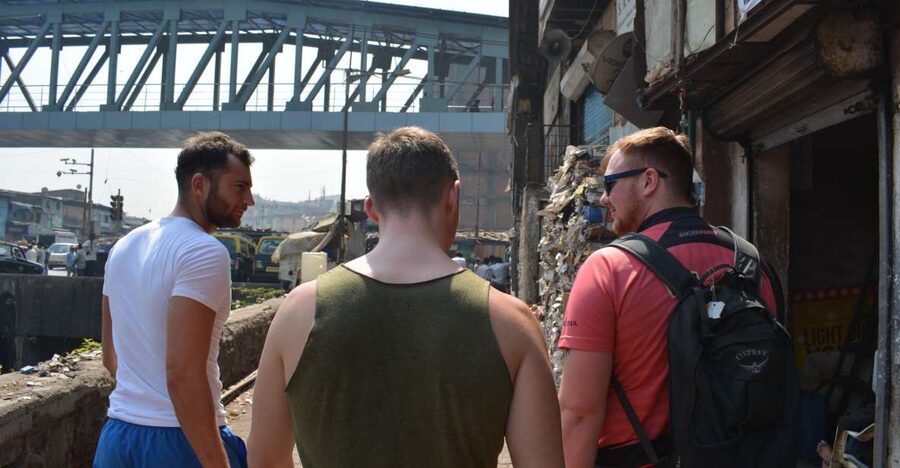
The Dharavi portion takes around two and a half hours and is done on foot. Comfortable shoes are essential. You will be moving through narrow lanes and busy streets, with little room for wandering off or stopping wherever you like.
The most useful part of the walk is the explanation of how waste becomes a resource. Recycling is not presented as an abstract environmental idea. You see it as a source of income and a set of practical skills. Materials are sorted, handled, and turned into something useful again. That can change the way you look at the piles of discarded plastic and other waste found in a huge city.
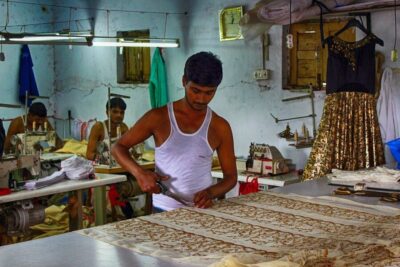
The same applies to the craft and manufacturing work. Dharavi is known for a mix of small industries, including textiles, pottery, leatherwork, bakeries, and recycling. These are not large factories with neat signs and wide floors. They are compact operations fitted into a dense neighborhood, which makes the walk both fascinating and physically demanding.
A guide can explain who does what, how different trades connect, and why this work matters to Mumbai’s economy. One guide described by a guest, Pooja, was especially good at answering questions and explaining the local economy. Another guide, Varsha, showed the textile and plastic recycling areas while giving the group time to ask about the work.
You may also pass through residential sections. This is where courtesy becomes more important than curiosity. People live here, and not every doorway or person is a photo opportunity. Ask before taking pictures, avoid photographing private moments, and follow the guide when they say a camera should stay away.
The route can feel intense because you are close to daily work, traffic, homes, and other pedestrians. That is not a flaw in itself, but you should know what you are signing up for. This is not a quiet heritage walk with broad paths and formal exhibits. It is a close-up walk through an active neighborhood.
Meeting the human side of Dharavi
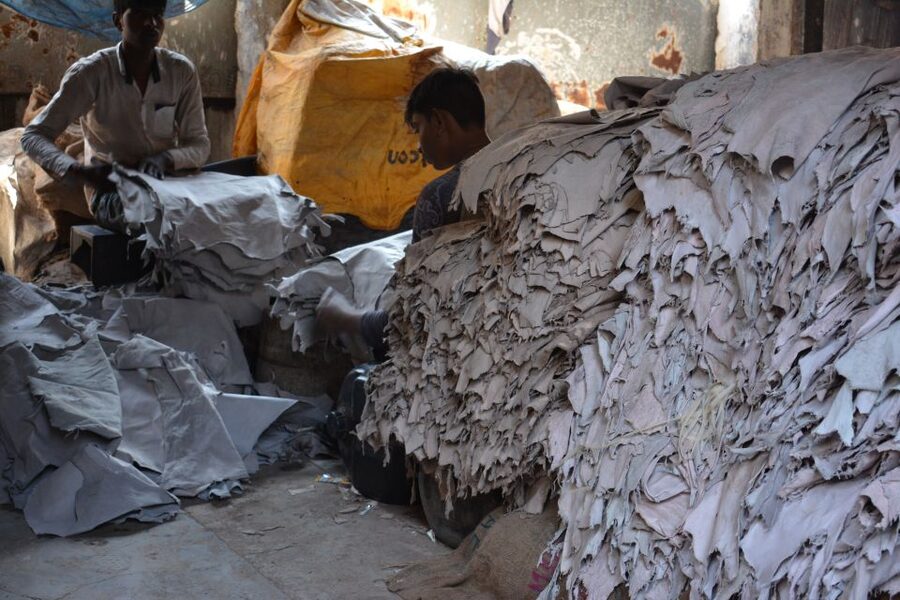
The strongest guide accounts share a common feature: they make Dharavi feel like a community of workers and families, not a backdrop. Anushka’s connection to the area gives her a personal angle, while Pooja and Varsha have been praised for their ability to explain the neighborhood with humor and patience.
That personal contact can also make the tour more conversational. You are encouraged to ask questions, and the guides can explain topics that are difficult to understand from a passing glance. Why are certain trades located together? How does recycling work as a business? Where do workers live? Which parts of the neighborhood are appropriate to photograph? These are the questions that turn a walk into a useful lesson.
One point is worth noting. Some of the small workshops may also function as living spaces. That can be confronting, especially when you realize how closely work and home are joined. The tour is not designed to show every housing condition in Dharavi, so if your main interest is residential life, you may find the industrial focus narrower than expected.
That focus is also why I think the tour works best for people who want context. You will not see every aspect of Dharavi in three hours. You will get a guided look at selected lanes and industries, with an emphasis on productivity, local skill, and the ways residents make a living.
More Dharavi walking tours in Mumbai
- Dharavi slum tour in Mumbai by Female tour guides of the slum
★ 5.0 · 1,976 reviews - Mumbai: Dharavi Slum, DhobiGhat, and Dabbawallas Tour
★ 4.9 · 689 reviews - Dharavi Slum Tour
★ 5.0 · 625 reviews - Dharavi Slum tour in Mumbai by local resident
★ 5.0 · 572 reviews
What to expect at Dhobi Ghat
The tour finishes at the Dhobi Ghat viewing deck. Dhobi Ghat is famous for its rows of washing areas, where clothes are washed, dried, ironed, and sorted by hand. From the viewing point, you can watch the rhythm of this work and see why the laundry has become one of Mumbai’s best-known sights.
This stop gives the tour a useful contrast. Dharavi shows many small businesses working in a dense neighborhood. Dhobi Ghat presents one traditional service on a larger, more organized scale. Both places are tied to the city’s everyday economy, not just to sightseeing.
Set your expectations carefully. The listed route gives Dharavi most of the time, and the Dhobi Ghat part may be short. One account described the journey to the laundry and the viewing time as taking less than 30 minutes. The same person was disappointed that the guide would not go down into the laundry or arrange a separate guide there.
That does not make the viewing deck worthless. It does mean you should book this primarily for Dharavi, with Dhobi Ghat as a compact finish. If you want an extended, close-up tour of the washing area, confirm exactly what access is included before booking.
Is $4.94 good value?
At $4.94 per person, the price is hard to criticize if you want a guided introduction to Dharavi. Three hours of walking with an English-speaking guide costs less than many short city attractions, and the tour covers two distinctive parts of Mumbai.
The value comes from interpretation, not from extras. There is no hotel transfer, meal, drink, or private transport. You are paying for the guide’s time and for access to a structured route through places that would be difficult to understand on your own.
The low price also means you should not expect a luxury experience. You will walk, carry your own water, manage your own transport to the meeting point, and deal with the weather. The tour operates in rain or shine, so bring suitable clothing or an umbrella during wet weather.
For me, the price makes sense even if Dhobi Ghat is brief, as long as the Dharavi section is your priority. The industrial and recycling focus gives you more substance than a simple photo stop, and the best guides add real local context.
Timing, weather, and physical effort
The full activity lasts three hours, with about two and a half hours allocated to the Dharavi walk. Starting times vary, so check the available departure time when booking and plan your transport accordingly.
Mumbai’s heat can make three hours on foot feel longer. Carry water, wear a hat, and choose shoes with good support. The lanes are narrow and busy, and this tour is not suitable for wheelchair users.
Rain does not automatically cancel the tour. If the forecast looks wet, bring an umbrella or rain clothing and protect your phone and camera. Wet streets, crowds, and a large bag would make the walk harder, which is another reason to travel light.
Restroom facilities may be limited. This is a small point, but it can affect your comfort more than any brochure description. Use a restroom before you meet the guide, and eat before or after the activity since no snacks or meals are provided.
Photography and respectful behavior
Photography is allowed, but permission and judgment are important. Your guide can tell you when it is fine to take pictures and when you should put the camera away.
I would treat every person’s home and workplace as private unless invited otherwise. Avoid photographing children or workers at close range without permission. Do not block a lane while trying to frame a picture, and do not turn a person’s difficult circumstances into a souvenir.
This approach is not only polite. It also improves the tour. When you are not focused on collecting images, you have more attention for the guide’s explanations and for the details of how the neighborhood works.
Who should book this experience?
I recommend this tour if you want to understand Mumbai through work and daily life rather than through monuments alone. It suits curious adults, first-time visitors, and anyone interested in recycling, small businesses, textiles, or local communities.
It is also a good choice if you are unsure about taking a slum tour but want one that tries to avoid a poverty-only focus. The guide’s handling of photography and the emphasis on industry can help create a more respectful visit.
You should think twice if you dislike crowded walking routes, hot weather, limited facilities, or uncertain access at the laundry. It is not suitable for wheelchair users, and the supplied information also lists people over 95 as unsuitable for the activity.
Families with very young children may find the narrow lanes and no-stroller rule awkward. Large luggage is not allowed, and the route demands attention in busy streets.
Should you book the Dharavi and Dhobi Ghat tour?
Book it if you want a low-cost, guide-led look at Dharavi’s working life and you are willing to walk with care. The recycling, textile, pottery, leather, and small manufacturing sections offer the real substance, especially with a guide such as Pooja, Varsha, or Anushka.
Do not book it expecting a long visit inside Dhobi Ghat. The viewing deck may offer only a short look, and access below the viewing area is not guaranteed. At this price, I would treat the laundry as a bonus and Dharavi as the main event.
The cancellation policy is forgiving: you can cancel up to 24 hours before the tour for a full refund, and you can reserve now and pay later. That flexibility makes it easier to fit into a busy Mumbai schedule. For the right visitor, this is a remarkably inexpensive way to see a side of the city that requires explanation, humility, and a good pair of shoes.
FAQ
How long does the tour last?
The activity lasts three hours. About two and a half hours are allocated to the guided walking tour in Dharavi.
Where does the tour begin?
Meet the guide outside the Third Wave Coffee shop. You should arrive 15 minutes before the scheduled departure.
Where does the tour end?
The tour finishes at the Dhobi Ghat viewing deck.
Is hotel pickup included?
No. Hotel pickup and drop-off are not included, so you must make your own way to the meeting point.
What language does the guide speak?
The tour is conducted in English by a live English-speaking guide.
What does the Dharavi portion include?
The walk may cover recycling, textiles, pottery, leatherwork, bakery units, and other small-scale industries. The guide also explains how people live and work in the neighborhood.
Can I take photographs?
Yes, photography is allowed, but you must respect residents’ privacy and follow the guide’s instructions about when and where it is appropriate.
Are food and drinks included?
No. Food and drinks are not included. Eat before or after the tour and carry a reusable water bottle.
Is the tour suitable for wheelchair users?
No. The tour is not suitable for wheelchair users. Baby strollers and luggage or large bags are also not allowed.
Recently added around Mumbai
- Private Walking Tour in Dharavi Slums★ 5.0 · 7 reviews
- Mumbai Sightseeing Tour★ 5.0 · 11 reviews
- Private Mumbai 2-Day Tour Package:City + Slum & Elephanta Island.★ 5.0 · 3 reviews
- Vegetarian Indian Cuisine Virtual Cooking Class Experience from Mumbai★ 5.0 · 4 reviews
- Mumbai by Night Guided Tour★ 5.0 · 6 reviews
- Transfer from Mumbai Airport to Hotel★ 4.0 · 7 reviews
- Full-Day Agra Tour with Taj Mahal From Mumbai By Air★ 5.0 · 8 reviews
- Taj Mahal Day Trip Including Same Day Flights from Mumbai★ 5.0 · 3 reviews
Mumbai Dharavi Slum Tours, compared.
Dharavi slum tour in Mumbai by Female tour guides of the slum
Read our review →
Dharavi Slum Slumdog Millionaire Tour with a Local
Read our review →
Mumbai Slum Tour – Visit Dharavi Slum with Local Guide
Read our review →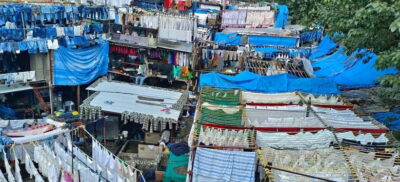
Dhobi Ghat Laundry and Dharavi Slum Tour with Local
Read our review →
Browse the lists this tour appears in