
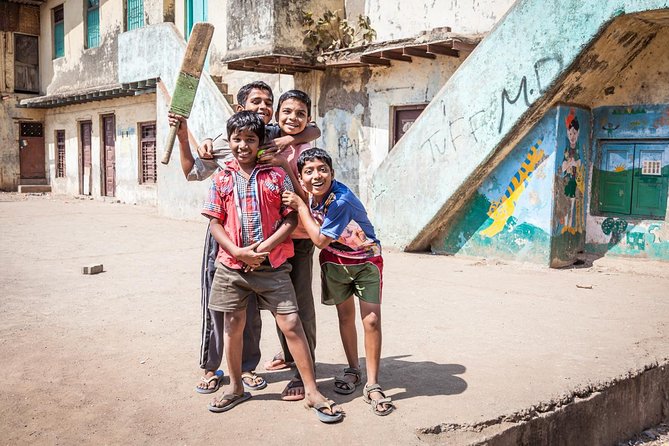
Reviewed · MUMBAI DHARAVI SLUM TOURS
2-Hour Guided Tour of Dharavi
Dharavi is not the place to go looking for a movie version of poverty. This two-hour walk shows a working neighborhood with homes, schools, bakeries, pottery yards, and workshops packed into a tight part of Mumbai. The point is not spectacle. It is to see how people live and earn a living in a place often reduced to a stereotype.
I like two things right away. Local guides give the tour a human voice, and several guides named in the experience, including Razak, Faisan, Touseef, Adil, Abir, and Avil, are connected to Dharavi. I also like the modest price of $22.32, especially since you get a private activity for your group and advertised hotel transfers. The main consideration is that this is a walking tour through narrow residential and work areas, so you need an open mind, respect for privacy, and enough water for Mumbai’s heat.
Key points to know before you go
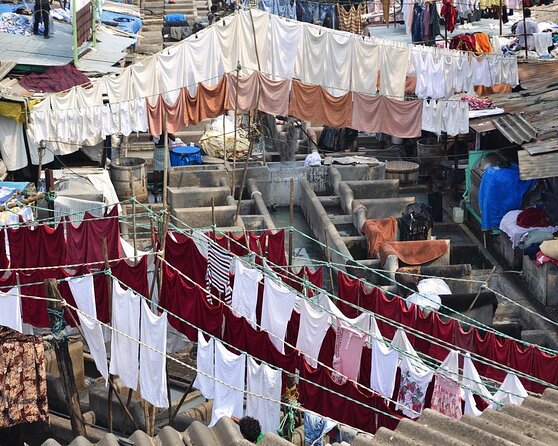
- Dharavi beyond the films: You see a working community rather than a staged portrait of hardship.
- Local perspective: Guides such as Razak and Touseef have lived in Dharavi, while other guides have local ties and share personal context.
- Work is part of the story: Expect bakeries, pottery production, workshops, schools, homes, and small industries.
- Private group format: Only your group takes part, with attention from a professional guide.
- Two-hour walking route: The visit covers a lot in a short time, so wear practical shoes and bring water.
- Check the pickup details: Hotel transfers are advertised, but the stated meeting point is Third Wave Coffee on Senapati Bapat Marg, with the tour ending near Kumbharwada.
Entering Dharavi with a local guide
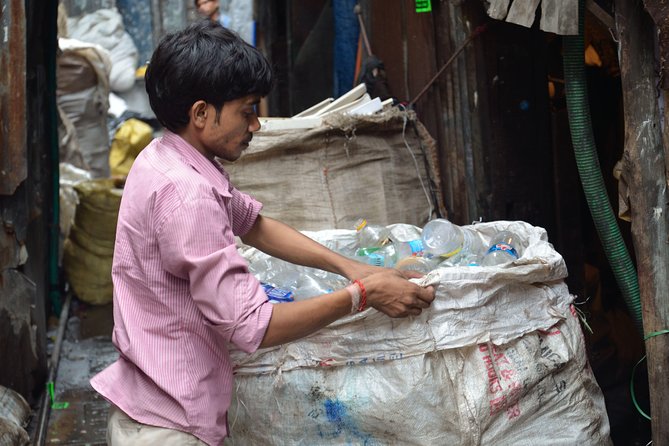
Dharavi is famous around the world, yet most people know it through a narrow story. This tour tries to widen that picture. You walk through an area where people live, work, study, worship, and relax in close quarters. The setting can feel intense, but the purpose is to show daily life with more care and accuracy.
A local guide makes a major difference here. Razak, who grew up in Dharavi and still lives there, is one guide specifically associated with the experience. Touseef is also described as a local who has lived in the area. Adil, Abir, Avil, and Faisan are other guide names connected with individual tours. Your guide is assigned according to availability, so you should not book expecting one particular person unless the operator confirms it.
The best guides do more than point toward a workshop or doorway. They explain how the different parts of the neighborhood fit together and answer questions without turning residents into a display. The tour is strongest when it treats Dharavi as a community first and a sightseeing stop second.
That approach also means you should behave differently than you might on a standard city walk. Ask before photographing people, homes, or workspaces. Keep your voice down in residential lanes. You are passing through someone’s neighborhood, not walking through an open-air museum.
More Dharavi walking tours in Mumbai
- Dharavi slum tour in Mumbai by Female tour guides of the slum
★ 5.0 · 1,976 reviews - Mumbai: Dharavi Slum, DhobiGhat, and Dabbawallas Tour
★ 4.9 · 689 reviews - Dharavi Slum Tour
★ 5.0 · 625 reviews
What the two-hour route shows you
The route is centered on Dharavi and covers several sides of local life. You are shown areas where people work, spaces where families live, local schools, and places where residents relax. The experience is less about one grand sight and more about how many ordinary activities fit into a small area.
The industrial sections are especially useful for understanding Dharavi’s role in Mumbai. The tour points out important local businesses, including bakeries that serve the wider city. You may also see workshops and other small industries operating close to homes. That arrangement can seem surprising if you expect work and housing to be separated into different parts of a city.
The residential areas offer a harder but important lesson. Whole families may live in a single small room. The tour does not present this only as a shock. It puts limited space beside family life, work, education, and community ties, giving you a more complete picture of the pressures and strengths of the neighborhood.
Schools are included too. Their presence matters because Dharavi is not simply a place where people work long hours. Children study, families plan for the future, and young local guides may be working toward college. One group was led by young students from the neighborhood who were receiving money toward their education. That detail gives the tour a practical social purpose, not just a sightseeing purpose.
Kumbharwada, the pottery area, is another key part of the route. The tour ends there, near Sion Hospital. Pottery adds a clear sense of craft and production to the walk, and it helps show how older trades remain part of daily life in a neighborhood also shaped by modern commerce.
Why the industrial areas matter
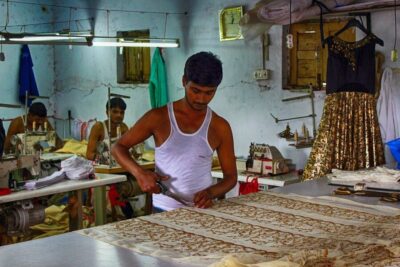
The workshops are not included merely to fill time. They help you understand Dharavi as a place of enterprise. You may see people working close to their homes, with narrow lanes serving as both access routes and business corridors.
Bakeries are a particularly helpful example. They serve Mumbai beyond Dharavi, which challenges the idea that the neighborhood exists apart from the rest of the city. Its businesses are connected to the wider urban economy. The same lesson applies to the smaller workshops and pottery operations.
You should keep your expectations realistic. This is a guided walking visit, not a factory tour with formal demonstrations or a hands-on craft class. The information supplied does not promise that every workshop will be open or that you will be able to enter each business. Your guide will show you what is available along the route and explain what you are seeing.
The narrow lanes may feel crowded with activity, and the tour can be physically demanding in warm weather. I would bring water and wear shoes with a firm sole. A two-hour visit is manageable for most people, but it is not a quiet stroll through wide streets.
The human side of the residential lanes
The residential section is where the tour asks the most of you. Seeing families living in very limited space can be uncomfortable. A quick look can easily become judgmental, especially if you arrive expecting images from Slumdog Millionaire.
A good guide helps keep the focus on people’s agency. Dharavi residents are not simply waiting for help. They work, run businesses, send children to school, make pottery, bake goods, and maintain community life under difficult conditions. That does not erase poverty or overcrowding, but it gives you a fuller and fairer picture.
The experience includes contact with residents, but you should not expect a staged meeting or a guaranteed personal conversation with a particular family. Interaction happens in the course of the walk, as the guide explains the area and points out everyday activity. Respectful curiosity is the right attitude.
I also appreciate that the tour actively pushes back against exaggerated movie images. It does not promise misery, and it does not pretend that everything is easy. That balance is valuable. You leave with a clearer sense that Dharavi contains hardship and opportunity at the same time.
A few more Mumbai tours and experiences worth comparing
- Vibrant Markets of Mumbai (2 Hours Guided Walking Tour)
★ 4.4 · 44 reviews - Mumbai: 2-Hour Guided Bandra Walking Tour
★ 4.8 · 34 reviews - Mumbai: Dharavi Slum 2-Hour Walking Tour
★ 4.9 · 13 reviews - Mumbai Street Food Crawl (2 Hours Guided Food Tasting Tour)
★ 3.5 · 6 reviews
Guides who connect the neighborhood to you
The strongest part of this experience is likely to be the guide. Razak is described as someone raised in Dharavi who still lives there. Faisan is praised for answering many questions, while Abir is noted for strong storytelling and a good grasp of the lanes. Touseef is described as hospitable and personally connected to the neighborhood. Adil is associated with a courteous and reassuring visit.
These details matter because Dharavi can be confusing at first. A local guide can explain the difference between a residential lane and a work area, identify the industries you pass, and help you understand how the neighborhood operates without reducing it to a simple label.
The guide may also help with practical concerns during the walk. One account describes safety being handled carefully, and another describes a large group being divided among four guides. The stated format for this booking is private, with only your group participating, so your actual arrangement may differ from a larger shared outing.
The phrase small group should still be read sensibly. It means personal attention rather than a large crowd, but the exact group size is not provided. If having a very small party is essential, confirm that detail before paying.
Getting there and making sense of the meeting points
The experience advertises round-trip hotel transfers, which can make a Dharavi visit easier in Mumbai’s traffic. At the same time, the stated meeting point is Third Wave Coffee at Tip Road, Unit 58, Ground, Ram Mahal, Senapati Bapat Marg, Marinagar Colony, near Mahim station.
The listed end point is Kumbharwada in Dharavi, near Sion Hospital. This creates an important detail to confirm. The description promises hotel pickup and return, but the published start and end points describe a meeting-point walk. Ask the operator exactly where you will be collected and where you will finish before the day of the tour.
The meeting point is near public transportation, so that gives you a fallback if transfer instructions are not clear. The tour is listed daily from 10:00 a.m. to 4:00 p.m., though your selected start time will determine the exact schedule. Mumbai traffic can be slow, so allow extra time if you are making your own way to the start.
The mobile ticket is handy, but it does not replace checking the pickup message. Confirmation normally arrives at booking. If you book within one day of the activity, confirmation is subject to availability and may arrive later.
Is $22.32 a fair price?
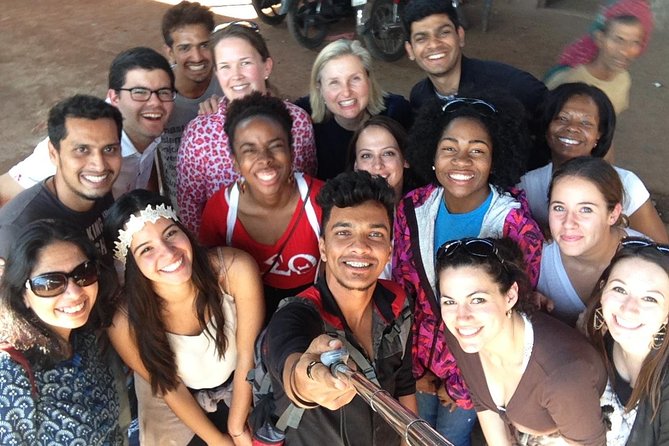
At $22.32 per person, this is a good value if you want context rather than a quick drive past Dharavi. You receive about two hours with a professional guide, a private group arrangement, and the chance to see several parts of the neighborhood. The price is also modest compared with many private Mumbai sightseeing activities.
The value depends on what you want from the visit. You are paying for access, explanation, and local perspective, not an attraction with exhibits or a formal performance. The tour does not list meals, shopping, admission fees, or a hands-on workshop. If you want to learn how a community functions and ask questions as you walk, the cost makes sense.
Hotel transfers could improve the value, especially in Mumbai traffic. Because the stated meeting information is more specific than the transfer information, confirm this benefit before you rely on it. A transfer that is included and clearly arranged makes the tour easier. A meeting-point walk may require more planning.
The private format is another point in its favor. You are not automatically placed in a large coach group, and the guide can shape explanations around your questions. Still, private does not mean luxurious. This remains a practical walking experience in a dense urban area.
What to bring and how to behave
Bring water. That is the clearest practical advice for a two-hour walk in Mumbai. Comfortable shoes are equally sensible, even though the supplied details do not set a formal footwear requirement.
Dress for warm conditions and choose clothing that lets you walk comfortably. Keep your belongings secure and avoid carrying more than you need. These are ordinary city-walking precautions, not a warning that the area is unsafe.
Your attitude matters more than your camera. Listen before asking personal questions. Do not photograph people or private spaces without permission. Follow your guide’s instructions in workshops, homes, schools, and narrow lanes.
You should also give yourself time afterward to think about what you saw. The tour can be moving because it places close living quarters beside hard work, education, family life, and small business. It is fine to find parts of it uncomfortable. Discomfort can be useful when it leads to a more accurate understanding rather than a quick judgment.
Who should book this Dharavi walk?
I would choose this tour if you want a human explanation of Mumbai’s working communities and are willing to see more than a film-inspired image. It suits curious adults, students, photographers who can work respectfully, and anyone interested in urban industry and local life.
It is also a good fit if you prefer a guide-led experience over wandering alone. Dharavi’s lanes and work areas are easier to understand with someone who can explain what you are passing.
I would think twice if you want a polished sightseeing attraction, guaranteed access inside businesses, or a relaxed route with plenty of personal space. The walk may be emotionally demanding, and the details of hotel transfers and group size should be confirmed.
The tour is not a poverty show. Its best purpose is to help you see Dharavi as a real neighborhood with serious challenges and considerable initiative. That is a worthwhile lesson in Mumbai, provided you approach it with respect.
Should you book it?
Book this two-hour tour if you want a direct, locally guided look at Dharavi’s homes, schools, bakeries, pottery work, and small industries. The price is reasonable, and guides with strong local ties can turn a confusing walk into a meaningful one.
Before booking, confirm the exact guide, pickup arrangement, return transfer, and group size. If those details suit you, this is a thoughtful way to understand a part of Mumbai that films often flatten into a single story. Bring water, leave the stereotypes at the hotel, and give the neighborhood the same courtesy you would give any place where people live and work.
FAQ
How long does the Dharavi tour last?
The tour lasts approximately two hours.
What does the tour include?
You visit Dharavi with a professional guide and see residential areas, schools, workplaces, bakeries, pottery activity, and other local industries. The experience also includes interaction with residents during the walk.
Is the tour private?
Yes. The activity is listed as private, meaning only your group participates. The exact group size is not stated.
Where does the tour start and end?
The stated start point is Third Wave Coffee at Tip Road, Unit 58, Ground, Ram Mahal, Senapati Bapat Marg, Marinagar Colony, near Mahim station. The listed end point is Kumbharwada in Dharavi, near Sion Hospital.
Are hotel transfers available?
Round-trip hotel transfers are advertised. Because the published meeting information also gives a specific coffee shop start point and a Dharavi end point, confirm the exact pickup and return arrangement before the tour.
What happens if I need to cancel?
You receive a full refund if you cancel at least 24 hours before the experience start time. Cancellations or changes made within 24 hours are not refunded. If poor weather causes the tour to be canceled, you are offered another date or a full refund.
Recently added around Mumbai
- Mumbai Sightseeing Tour★ 5.0 · 11 reviews
- Private Walking Tour in Dharavi Slums★ 5.0 · 7 reviews
- Private Mumbai 2-Day Tour Package:City + Slum & Elephanta Island.★ 5.0 · 3 reviews
- Vegetarian Indian Cuisine Virtual Cooking Class Experience from Mumbai★ 5.0 · 4 reviews
- Mumbai by Night Guided Tour★ 5.0 · 6 reviews
- Transfer from Mumbai Airport to Hotel★ 4.0 · 7 reviews
- Full-Day Agra Tour with Taj Mahal From Mumbai By Air★ 5.0 · 8 reviews
- Taj Mahal Day Trip Including Same Day Flights from Mumbai★ 5.0 · 3 reviews
Mumbai Dharavi Slum Tours, compared.
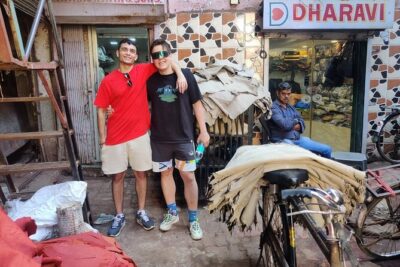
Dharavi slum tour in Mumbai by Female tour guides of the slum
Read our review →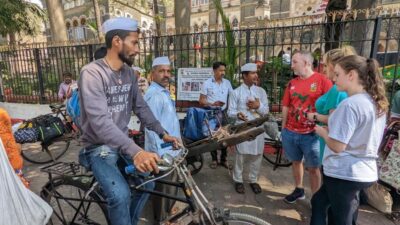
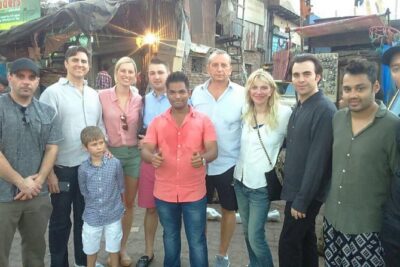
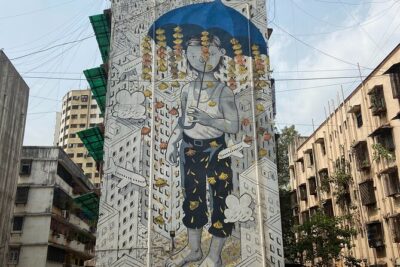
Dharavi Slum Slumdog Millionaire Tour with a Local
Read our review →
Mumbai Slum Tour – Visit Dharavi Slum with Local Guide
Read our review →
Dhobi Ghat Laundry and Dharavi Slum Tour with Local
Read our review →
Private Full-Day Mumbai Sightseeing Tour with Dharavi Slums
Read our review →Browse the lists this tour appears in