
Reviewed · MUMBAI DHARAVI SLUM TOURS
Mumbai Dharavi Slum, Dhobi Ghat & Dabbawala Lunchbox Tour
Mumbai’s most revealing sights are not always grand monuments. This 3.5-hour tour takes you into Dharavi’s workshops, Dhobi Ghat’s open-air laundry, and the carefully timed world of Mumbai’s dabbawalas. You see recycling, pottery, textiles, leather work, laundry, and food delivery as working parts of city life, not as museum displays.
I especially like the way the tour links three very different kinds of work. I also like the local guides, including Subhan, Jay, Yash, Ravi, Javed, and Sharron, who have explained the area with patience and, in some cases, personal experience of Dharavi. The main consideration is simple: you will walk a lot, and Dharavi’s narrow lanes and difficult living conditions can feel intense.
Key points at a glance
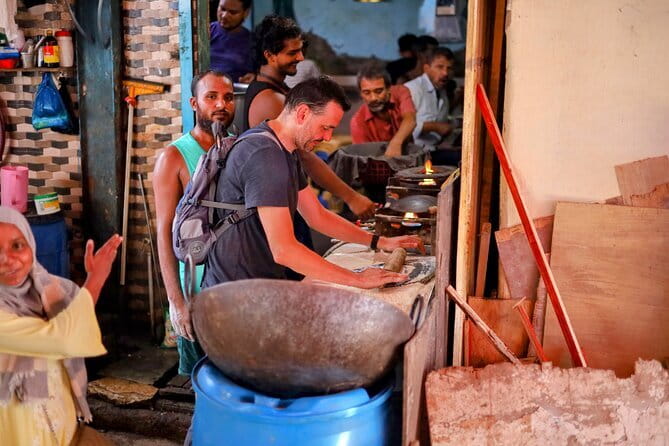
- Dharavi from the inside: See small workshops, recycling, pottery, textiles, leather goods, food production, education, and homes.
- Dhobi Ghat in action: Watch dhobis wash, scrub, sort, and hang clothes in Mumbai’s famous open-air laundry.
- Dabbawala logistics: Learn how home-cooked meals are sorted and delivered across the city with very little technology.
- Local guides matter: Guides such as Subhan and Yash have been praised for explaining daily life clearly and helping people feel comfortable.
- Good value at $17: Guide fees and local transport are included, though you must reach the meeting point yourself.
- Plan for walking: Comfortable shoes, water, sunscreen, and a hat will make the morning or afternoon much easier.
Why these three working neighborhoods belong together
This tour shows you a side of Mumbai built on labor and organization. Dharavi is known worldwide because of its poverty, but that is only one part of the picture. Inside its compact lanes, people run small businesses, recycle materials, make goods, and support families.
Dhobi Ghat gives you another view of work. Here, laundry is handled in a large shared setting, with clothes moving through a long-established system of washing and drying. The dabbawala operation adds a third example: a citywide food network that depends on careful sorting, timing, and teamwork.
I like this structure because each stop corrects an easy assumption. Dharavi is not simply a place of hardship. Dhobi Ghat is not just a colorful photo stop. The dabbawala system is not merely a charming local story. Each one shows people solving practical problems with limited space, modest tools, and a great deal of discipline.
Your guide is central to making these connections. The operator uses English-speaking local guides, and the exact guide can vary. Subhan has been especially praised for being part of the Dharavi community and for helping people feel safe and welcome. Other guides named by participants include Jay, also referred to as Jawwad, Yash, Ravi, Javed, and Sharron.
More dabbawala tours in Mumbai
- Private Combo Tours Sightseeing + Dharavi Slum + Dhobi Ghat & Dabbawalas
★ 5.0 · 245 reviews - Dabbawala, Dhobi Ghat & Dharavi slum Tour with Local Train Ride
★ 5.0 · 102 reviews - Mumbai Gems: 2-Day Private Tour with Elephanta, Slum & Dabbawala
★ 5.0 · 63 reviews
Starting with Mumbai’s dabbawala system
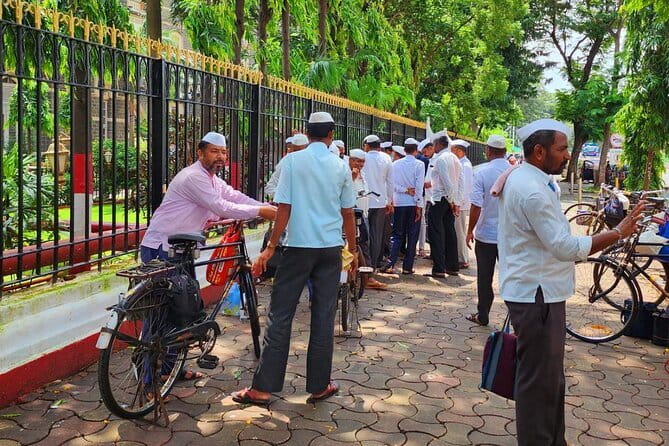
The tour begins with about 40 minutes focused on Mumbai’s dabbawalas. The meeting point can vary by booking option, with Burger King listed as a starting location. You should check the final meeting instructions after booking, since your transport to that point is not included.
Dabbawalas collect and deliver home-cooked lunchboxes across Mumbai. The remarkable part is not just the number of meals handled, but the order behind the operation. Lunchboxes must be sorted, moved, and delivered to the correct person, then often returned later.
Your guide explains the system’s background and shows how dabbawalas sort and transport the boxes. This is a useful introduction because it gives you a way to think about Mumbai itself. The city can appear chaotic at street level, yet many daily systems depend on strict routines and shared responsibility.
Do not expect a cooking lesson or a meal. Food and drinks are not included. The focus is the delivery network and its place in Mumbai’s food culture.
I find this stop best for people interested in how cities function. You are looking at a service that connects homes, workplaces, trains, and neighborhoods. It is a human logistics story, but it is also a story about home cooking and the importance of a familiar meal during a working day.
Seeing Dhobi Ghat from the viewing area
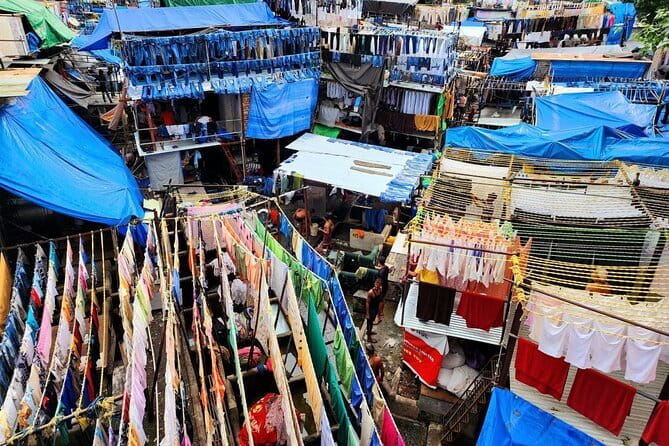
The Dhobi Ghat section lasts about 35 minutes. This is a shorter stop, but it gives you a clear look at one of Mumbai’s most unusual working sites.
Dhobi Ghat is an open-air laundry where dhobis wash, scrub, sort, and hang clothes to dry. The sight is highly organized: rows of laundry, washing areas, and movement between different stages of the process. Your guide explains how the system works and why it remains part of Mumbai life despite the city’s rapid modernization.
One useful detail from the experience is that the tour can provide a closer view of Dhobi Ghat, rather than leaving you with only a distant glance. The exact access can depend on the day and local conditions, so you should follow your guide’s instructions.
This stop is visually striking, but it is also a workplace. Keep that in mind when taking pictures. A camera is recommended, but the best approach is to listen first and photograph carefully, without treating people as background decoration.
The short time here works well in a three-and-a-half-hour tour. You get the main story without lingering so long that the whole outing becomes about laundry. If Dhobi Ghat is your main reason for visiting Mumbai, you may want a separate visit with more time. If you want it as part of a wider look at the city, 35 minutes is a sensible portion.
Entering Dharavi’s narrow lanes and workshops

Dharavi receives about 90 minutes, making it the main part of the tour. This is where the experience becomes more personal and less like ordinary sightseeing.
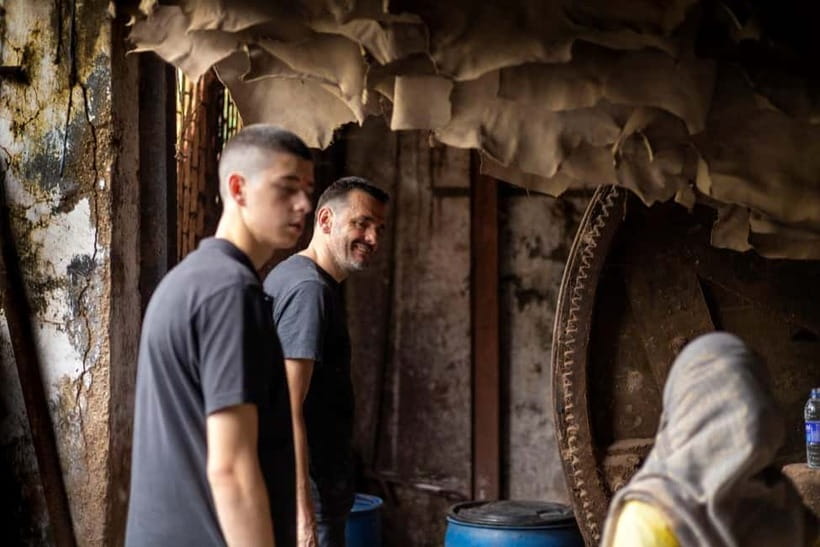
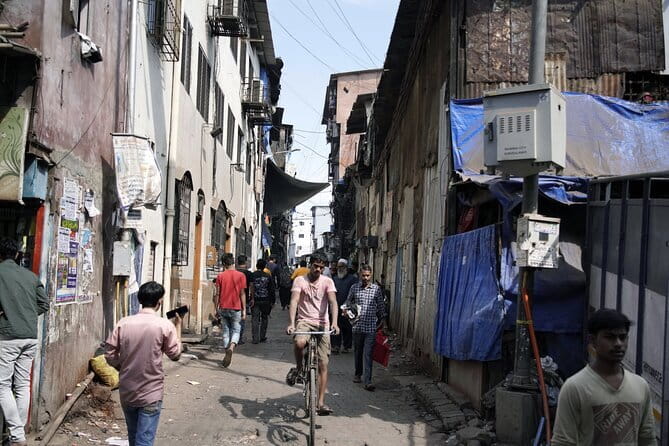
You walk through narrow lanes and see small-scale work connected to recycling, pottery, textiles, leather goods, and other local industries. The point is not to view Dharavi as a single neighborhood with one identity. Your guide shows how many businesses and workshops operate close to homes, creating an economy that supports families and connects to the wider city.
You might see materials being sorted, products being made, or goods prepared for sale. The exact activity will vary, but the tour is designed around local work and daily routines. You will also hear about education, food, homes, and the ways people organize their lives in limited space.
This is the section where your guide’s local connection matters most. Subhan has been described as living in Dharavi, while Yash has also shared personal knowledge of the area. That does not turn the visit into a staged performance. It gives you a chance to ask direct questions about daily life and hear explanations from someone familiar with the community.
You should arrive with humility. Dharavi is a home and workplace, not an outdoor exhibit. The tour’s better moments come from learning how people earn a living, reuse materials, support one another, and build businesses. You will get more from the visit if you listen, ask respectful questions, and avoid reducing the area to poverty.
The conditions can be confronting. Some homes are extremely small, and the lanes may feel crowded. That is part of what makes the visit difficult for some people, especially if you prefer polished attractions and open spaces. The reward is a more accurate picture of Mumbai’s economic life, including both pressure and resourcefulness.
Photography needs care here too. A camera is recommended for the tour, but no general permission to photograph everyone is stated. Ask your guide when you are unsure, and let the guide set the tone.
More Dhobi Ghat tours in Mumbai
- Mumbai: Dhobi Ghat Laundry and Dharavi Slum Tour with Local
★ 5.0 · 469 reviews - Mumbai: Dharavi Slum and Dhobi Ghat Laundry Tour
★ 5.0 · 317 reviews - Mumbai: Dharavi Slum Tour with Dhobi Ghat (Open-Air Laundry)
★ 4.8 · 62 reviews - Mumbai Dharavi Slum, Dhobi Ghat & Dabbawala Lunchbox Tour
★ 5.0 · 43 reviews
What the guide adds to the experience
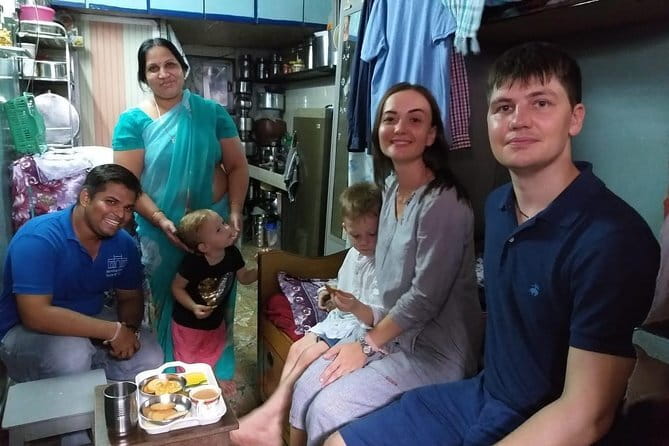
The strongest part of this tour is the explanation between stops. Without a guide, you could see washing areas, small workshops, and lunchboxes moving through the city, but you would miss how the systems fit together.
The guides named in the feedback have different strengths. Ravi was praised for explaining order within what can look like chaos. Javed answered questions about life in Dharavi. Jay was described as attentive and well prepared. Yash took time to explain each section and checked that questions were answered.
Subhan received the most repeated praise. He was described as friendly, patient, and connected to the community. His presence helped people feel safe, and he gave context about manufacturing, recycling, food, education, and ordinary life. If you are able to request a guide, Subhan is a name worth asking about, though availability is not guaranteed.
The tour is in English. The group is described as small, which should make it easier to hear explanations and ask questions. Small groups also reduce the chance that you will feel like part of a large crowd moving through residential lanes.
Walking, transport, and the practical side
The experience lasts 3.5 hours and includes guide fees and local transport during the tour. You still need to make your own way to the meeting point. The listed starting location is Burger King, while the drop-off locations include Third Wave Coffee. Your exact meeting and drop-off details depend on the option booked.
Walking is a major part of the experience. Wear shoes that you can use comfortably for several hours. Bring water, especially in warm weather, along with sunscreen and a hat. The advice to carry a water bottle is practical, not decorative.
The tour is not suitable for children under five, wheelchair users, or people with mobility impairments. Dharavi’s lanes and the amount of walking are the reasons to take these limits seriously. Families with older children may find the tour useful, and one family completed it with a 13-year-old, but parents should decide if the subject matter and walking conditions fit their child.
Smoking, alcohol, drugs, and littering are not allowed. These rules matter more here than they might on a standard sightseeing route because you are visiting active homes and workplaces.
Is $17 good value?
At $17 per person, this is a strong-value way to see several parts of Mumbai that would be hard to understand on your own. The price includes a local guide and local transport, and the tour covers three stops over 3.5 hours.
The value is not in admission tickets or a included meal. Food and drinks are extra, and you must reach the starting point yourself. The value comes from access, explanation, and time saved. A local guide helps you understand what you are seeing rather than simply passing through it.
I would especially consider this tour early in a Mumbai visit. It gives you useful context for later sightseeing. Once you understand the city’s working systems, other neighborhoods, markets, trains, and restaurants can make more sense.
The main trade-off is pace. You visit three subjects in one half-day, so no single stop receives unlimited time. That is a fair exchange for the low price and broad range, but it may not suit someone who wants a long, slow visit at one location.
Free cancellation is available up to 24 hours before the tour, and you can reserve now and pay later. Those policies help if your Mumbai plans are still moving around.
Who should book this tour?
I would recommend it to adults who want more than landmark photographs, people interested in work and city systems, and first-time visitors seeking a grounded introduction to Mumbai. It also suits curious families with older children who can manage the walking and understand that Dharavi is a real community.
You should book it if you want to ask questions and pay attention to context. You should skip it if you are looking only for grand architecture, shopping, or a relaxed ride with little walking.
For the best experience, wear simple comfortable clothes, bring water, and keep your camera ready but secondary. Let the guide explain the setting before you take pictures. If you can request Subhan, Yash, Ravi, Jay, Javed, or Sharron, do so, but expect the final guide assignment to vary.
The final call
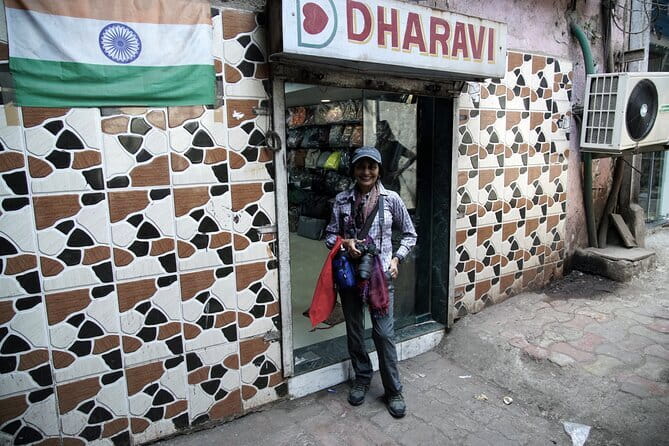
Book this tour if you want to see Mumbai through its working routines: lunchboxes moving across the city, clothes washed in a shared outdoor laundry, and businesses running through Dharavi’s tight lanes. At $17, it offers a lot of local context for a modest price.
Do not book it expecting entertainment or a polished attraction. The visit can be uncomfortable, and you will walk through crowded areas where people live and work. For a respectful visitor who wants a clearer view of Mumbai’s ingenuity, labor, and daily pressures, this is one of the more useful half-day choices in the city.
FAQ
How long does the Mumbai Dharavi, Dhobi Ghat, and Dabbawala tour last?
The tour lasts 3.5 hours. The dabbawala section takes about 40 minutes, Dhobi Ghat about 35 minutes, and Dharavi about 1.5 hours.
What language is the tour conducted in?
The live tour guide speaks English.
Is local transportation included?
Guide fees and local transport are included during the tour. Transportation to the meeting point is not included.
Are food and drinks included?
No. Meals and drinks are not included in the tour price.
Where does the tour start and finish?
The listed starting location is Burger King, but the meeting point may vary by booking option. Listed drop-off locations include Third Wave Coffee. Your confirmed details are provided after booking.
Is the tour suitable for children and wheelchair users?
The tour is not suitable for children under five, people with mobility impairments, or wheelchair users. It includes considerable walking through narrow neighborhood lanes.
What should I bring?
Bring comfortable walking shoes, water, sunscreen, a hat, and a camera. Smoking, alcohol, drugs, and littering are not allowed.
More Dharavi walking tours in Mumbai
- Dharavi slum tour in Mumbai by Female tour guides of the slum
★ 5.0 · 1,976 reviews - Mumbai: Dharavi Slum, DhobiGhat, and Dabbawallas Tour
★ 4.9 · 689 reviews - Dharavi Slum Tour
★ 5.0 · 625 reviews - Dharavi Slum tour in Mumbai by local resident
★ 5.0 · 572 reviews
Recently added around Mumbai
- Private Walking Tour in Dharavi Slums★ 5.0 · 7 reviews
- Mumbai Sightseeing Tour★ 5.0 · 11 reviews
- Private Mumbai 2-Day Tour Package:City + Slum & Elephanta Island.★ 5.0 · 3 reviews
- Vegetarian Indian Cuisine Virtual Cooking Class Experience from Mumbai★ 5.0 · 4 reviews
- Mumbai by Night Guided Tour★ 5.0 · 6 reviews
- Transfer from Mumbai Airport to Hotel★ 4.0 · 7 reviews
- Full-Day Agra Tour with Taj Mahal From Mumbai By Air★ 5.0 · 8 reviews
- Taj Mahal Day Trip Including Same Day Flights from Mumbai★ 5.0 · 3 reviews
Mumbai Dharavi Slum Tours, compared.
Dharavi slum tour in Mumbai by Female tour guides of the slum
Read our review →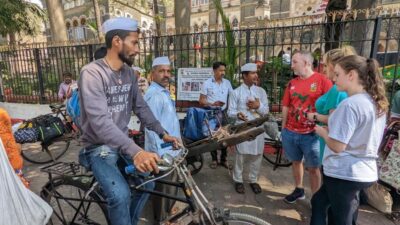
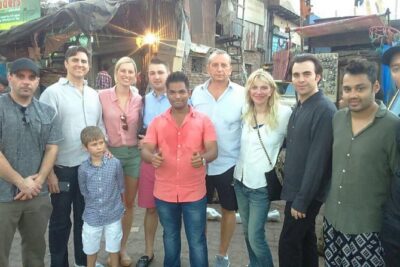
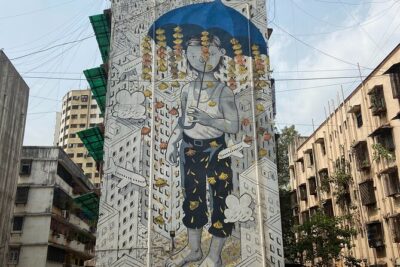
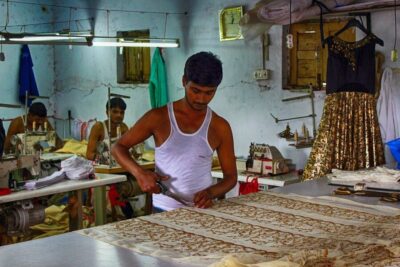
Dharavi Slum Slumdog Millionaire Tour with a Local
Read our review →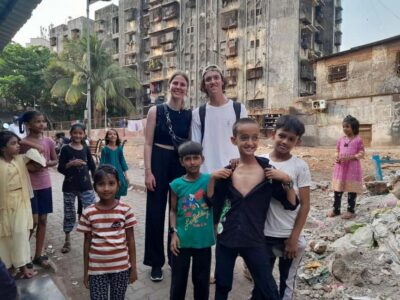
Mumbai Slum Tour – Visit Dharavi Slum with Local Guide
Read our review →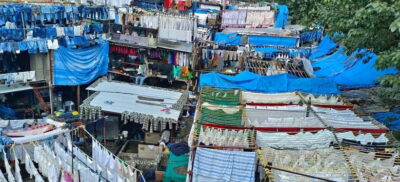
Dhobi Ghat Laundry and Dharavi Slum Tour with Local
Read our review →
Browse the lists this tour appears in