
Reviewed · DHOBI GHAT LAUNDRY TOURS
Dhobi Ghat Guided Tour A walk inside the biggest open air Laundry
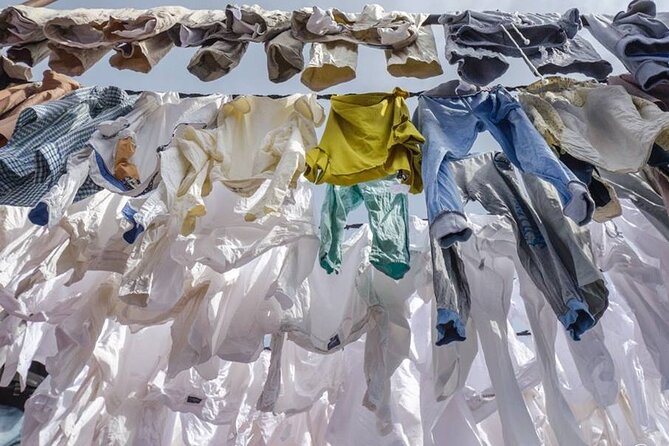
Mumbai’s Dhobi Ghat is not a museum built for tourists. It is a working laundry, where clothes from across the city are washed, dried, folded, and pressed in full view. That gives this short tour its appeal: you get a close look at an everyday Mumbai industry that has operated here for more than a century.
I like two things in particular. First, the guide helps you understand the work instead of leaving you to stare from a distance. Second, the small maximum group of 15 makes it easier to hear explanations and ask questions. The main drawback is that some of the laundry work now uses machines, and one visitor found the walk lasted only about 15 minutes.
Key points
- Meet at Mahalaxmi Station: The tour begins and ends at Mahalakshmi Railway Station.
- See a working laundry: Dhobi families wash clothes, hang them to dry, and press them with heavy charcoal irons.
- Learn how the work is divided: Each family member may handle a different part of the process.
- English-speaking guide included: Rakesh has been praised for making the walk relaxed and easy to follow.
- Small group size: The tour accepts a maximum of 15 people.
- Low price, limited scope: At $12, it is affordable, but the visit may be brief and some work has been mechanized.
What the Dhobi Ghat Walk Actually Shows
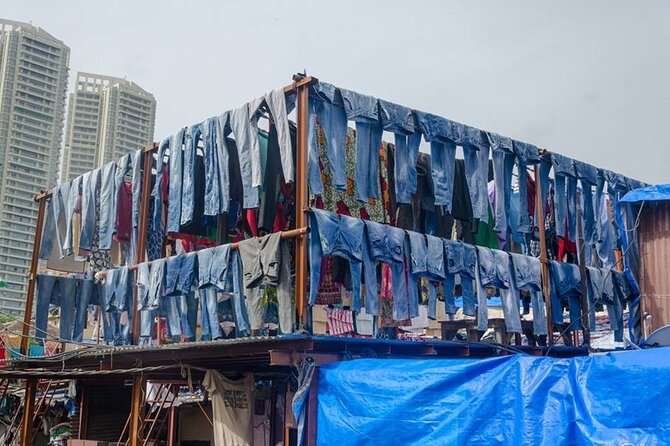
Mahalaxmi Dhobi Ghat is Mumbai’s largest open-air laundry and is described as the world’s largest open-air laundry facility. It has operated for over a century, giving the place a useful connection to the city’s working life rather than its postcard sights.
The laundry receives clothes from many parts of Mumbai. The dhobis, or washermen and women, then sort, wash, dry, and press them. This is not a staged demonstration. You are looking at a place where people work through the day and where the activity has a practical purpose.
That distinction matters. You are not signing up for a polished cultural show with a fixed series of performances. You are walking through or around an active work site, with a guide explaining what you are seeing and how the system functions.
The tour is best for anyone curious about the people and routines behind city life. If you prefer grand architecture, long guided talks, or a major sightseeing landmark, this may feel too modest. If you enjoy seeing how a city works from the inside, it offers a useful change of pace.
Starting at Mahalaxmi Railway Station
The meeting point is Mahalakshmi Railway Station on Keshavrao Khadye Marg. You meet your guide there, and the activity returns to the same point at the end.
Starting at a railway station makes practical sense. Dhobi Ghat is part of Mumbai’s working urban fabric, and the station gives you a clear reference point rather than an obscure street address. It also places the experience near public transportation, which is helpful if you are moving around the city without a private car.
You should pay close attention to the meeting instructions and arrive ready for a walk. The exact route inside or beside the laundry is not detailed, so the guide’s direction matters. Wear sensible shoes and keep your belongings close, since this is an active working area rather than a formal attraction.
The tour is offered as a morning or afternoon experience. That choice lets you fit it around other plans, though the information provided does not promise a particular set of laundry tasks at either time.
More Dhobi Ghat tours in Mumbai
- Mumbai: Dhobi Ghat Laundry and Dharavi Slum Tour with Local
★ 5.0 · 469 reviews - Mumbai: Dharavi Slum and Dhobi Ghat Laundry Tour
★ 5.0 · 317 reviews - Private Combo Tours Sightseeing + Dharavi Slum + Dhobi Ghat & Dabbawalas
★ 5.0 · 245 reviews
Watching Clothes Move Through the Process
The most interesting part is the division of labor. One person may beat clothes against a washing trough, while another hangs them out to dry. Someone else may use a large charcoal iron to press the finished garments.
Those details help you see Dhobi Ghat as a network of family-run work areas, not simply a row of washing stations. Each person has a role, and the final result depends on many small steps being completed properly.
Some dhobi families now use machines. That is worth knowing before you book, since the old image of every item being washed entirely by hand is no longer accurate. Much of the work is still described as manual, but the level of hand washing varies from family to family.
This change is both a benefit and a limitation. Machines make the work more practical and show how the laundry has adapted. At the same time, you may see less hand washing than you expected. If you arrive hoping for a nonstop display of traditional techniques, the experience could disappoint.
The guide’s role is therefore important. Without context, you might see tubs, lines of clothing, and pressing equipment without understanding who does what. With a good guide, the same scene becomes a lesson in Mumbai’s working economy and family labor.
Why a Guide Makes a Difference
The tour includes an English-speaking guide, and the strongest praise has focused on the guide’s manner. Rakesh, in particular, has been described as friendly, clear, and willing to answer questions without rushing the group.
That kind of guide can change the whole experience. Dhobi Ghat is visually striking, but it is also easy to misunderstand. A guide can explain the purpose of the laundry, the role of the dhobi families, and the way work moves from washing to drying and pressing.
I would use the visit to ask direct questions. How are clothes sorted? Which parts are still done by hand? How are family duties divided? The supplied information confirms that guides explain the laundry’s history and significance, but it does not promise a fixed list of topics. Your questions can help shape the conversation.
The group limit of 15 is another plus. It is small enough for the guide to address questions, though it is not a private tour. If the full group arrives, you may still need to stay close to hear everything.
A Short Visit, Not a Full-Day Sightseeing Tour
There is a serious timing issue to clarify. The stated duration is approximately one day and six hours, which does not fit the nature of a guided Dhobi Ghat walk and appears inconsistent with the short visit described by one person, who reported a tour of about 15 minutes.
You should not book this expecting six hours of structured sightseeing. The available information does not provide a detailed hour-by-hour plan, meal stop, transport between attractions, or additional Mumbai visits. Food and drinks are not included.
The safest way to view the experience is as a focused walk at or around Dhobi Ghat. It may be brief, depending on the guide and the day’s conditions. That can be perfectly fine if you want one unusual stop near central Mumbai. It is less suitable if you need an activity to fill most of a day.
The morning or afternoon choice is useful, but do not confuse flexibility with a long itinerary. Check the confirmed start time carefully when booking and plan other activities separately.
There is also an important content mismatch to watch for when comparing descriptions. References to the UNESCO-listed Elephanta Caves, ferries, Hindu and Buddhist cave art, and Lord Shiva belong to a different Mumbai experience. This Dhobi Ghat tour is about the open-air laundry at Mahalaxmi Station. It does not include Elephanta Caves or ferry tickets.
More walking tours in Mumbai
- Group Guided Walking Tour in Fort and Colaba
★ 5.0 · 1,073 reviews - Private Guided Walking Tour in Fort & Colaba
★ 5.0 · 895 reviews - Private Guided Walking Tour in Bandra Queen of Suburbs
★ 5.0 · 383 reviews - Private Guided Spiritual Walk in Banganga Hindu Temples
★ 5.0 · 271 reviews
Is $12 Good Value?
At $12 per person, the price is easy to justify if the guide provides a proper explanation and the walk lasts long enough for you to understand the site. You are paying for access to a local working place with an English-speaking guide, not for transportation, lunch, or a full-day sightseeing program.
The value depends heavily on your expectations. For a compact cultural stop, $12 is modest. A clear introduction to Dhobi Ghat can help you notice details you might miss alone, especially the family roles, hand work, and use of charcoal irons.
The value weakens if your visit lasts only 15 minutes or if you see little beyond machine washing. That is the central trade-off. The price is low, but the experience is also narrow and somewhat dependent on the guide’s approach.
I would book it as one part of a Mumbai day, not as the main event. Pair it with your own plans in the city, but do not assume that the tour includes meals, drinks, transfers, or another major attraction.
Respecting a Working Community
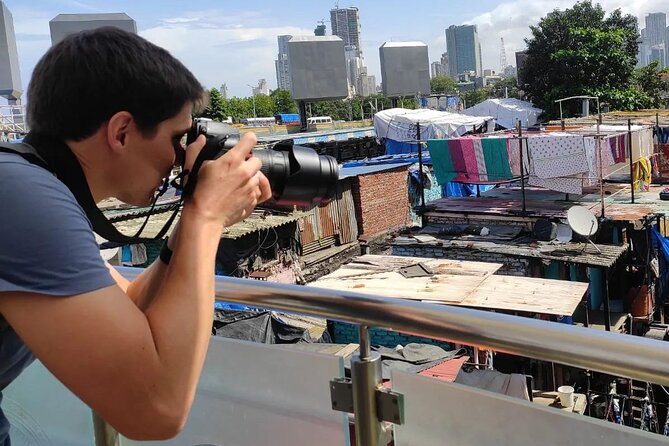
Dhobi Ghat is a workplace, so your behavior matters. The people you see are earning a living, not performing for an audience. Follow the guide’s directions and avoid treating the laundry like a theme park.
The available information does not set out a detailed photography policy, so ask before taking close photographs of workers or family areas. A respectful attitude will also make it easier to appreciate what you are seeing.
The strongest part of the experience is its ordinary, practical quality. Laundry is a universal chore, but here it is organized on a huge scale and carried out by families whose work supports the city. That gives the tour more substance than a quick photo stop, provided you take time to listen.
Who Will Enjoy This Walk Most?
I would recommend it to first-time visitors who want to understand Mumbai beyond famous monuments. It also suits people interested in work, family businesses, urban services, and the daily systems that keep a large city running.
The walk may be especially useful if you have limited time and are already near Mahalaxmi Station. The clear meeting point and return to the station make it simple to fit into a day of independent sightseeing.
It is less suitable for anyone who expects a long, polished tour or a guaranteed hand-washing demonstration. The modernization of the laundry means machines are part of the present-day picture. That is not a flaw in itself, but it may differ from the traditional scene you have imagined.
Families and older visitors should also consider the nature of the site. The information says most people can participate, but it does not give details about step-free access, seating, or the exact walking route. If those points matter to you, ask the provider before booking.
Booking, Cancellation, and Practical Details
Confirmation is provided at booking, and mobile tickets are available. The tour begins and ends at Mahalakshmi Railway Station, and public transportation is nearby.
The maximum group size is 15. Food and drinks are not included, so plan accordingly, especially if you choose the morning or afternoon option around a meal.
Cancellation is free if you cancel at least 24 hours before the local start time. Inside that 24-hour window, the amount paid is not refunded, and changes are not accepted.
One more practical point: read the final booking details closely and confirm that you are selecting the Dhobi Ghat walk. The Elephanta Caves information associated with some descriptions does not belong to this activity.
Should You Book the Dhobi Ghat Tour?
Book it if you want a low-cost, guide-led look at one of Mumbai’s most unusual working sites. The best version of the experience gives you a clear explanation of dhobi family life, hand washing, drying, pressing, and the way machines now fit into the process.
Do not book it as a six-hour sightseeing program or if your main goal is to see purely traditional laundry work. The tour may be short, and the amount of manual washing can vary.
For $12, I think it is a sensible add-on for curious visitors who value local context over a long attraction list. Just keep your expectations modest, meet at the station on time, and make sure you are booking Dhobi Ghat rather than an Elephanta Caves excursion.
FAQ
Where does the Dhobi Ghat tour begin?
The tour begins at Mahalakshmi Railway Station, Mahalakshmi Railway Station, Keshavrao Khadye Marg, Mahalakshmi, Mumbai, Maharashtra 400018, India.
Where does the tour end?
The activity ends back at the meeting point at Mahalakshmi Railway Station.
What is included in the tour price?
All fees and taxes are included, along with an English-speaking guide.
Are food and drinks included?
No. Food and drinks are not included.
How large is the tour group?
The activity has a maximum group size of 15 people.
Is the tour available in the morning and afternoon?
Yes. You can choose a morning or afternoon tour to suit your schedule.
How much does the tour cost?
The listed price is $12 per person.
Can I cancel for a full refund?
Yes, if you cancel at least 24 hours before the experience start time. Cancellations made less than 24 hours in advance are not refunded, and changes within that period are not accepted.
Recently added around Mumbai
- Private Walking Tour in Dharavi Slums★ 5.0 · 7 reviews
- Mumbai Sightseeing Tour★ 5.0 · 11 reviews
- Private Mumbai 2-Day Tour Package:City + Slum & Elephanta Island.★ 5.0 · 3 reviews
- Vegetarian Indian Cuisine Virtual Cooking Class Experience from Mumbai★ 5.0 · 4 reviews
- Mumbai by Night Guided Tour★ 5.0 · 6 reviews
- Transfer from Mumbai Airport to Hotel★ 4.0 · 7 reviews
- Full-Day Agra Tour with Taj Mahal From Mumbai By Air★ 5.0 · 8 reviews
- Taj Mahal Day Trip Including Same Day Flights from Mumbai★ 5.0 · 3 reviews
Dhobi Ghat Laundry Tours, compared.
Dhobi Ghat Laundry and Dharavi Slum Tour with Local
Read our review →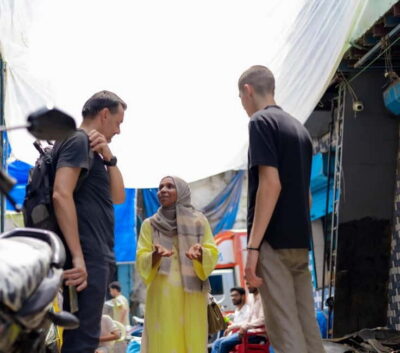
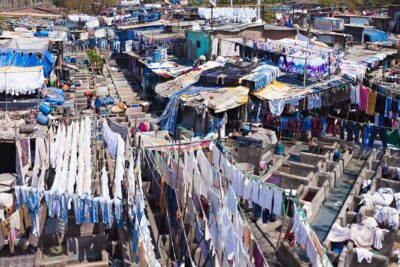
Private Combo Tours Sightseeing + Dharavi Slum + Dhobi Ghat & Dabbawalas
Read our review →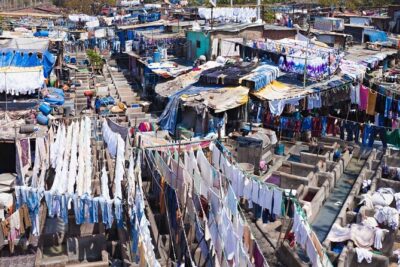
Dabbawala, Dhobi Ghat & Dharavi slum Tour with Local Train Ride
Read our review →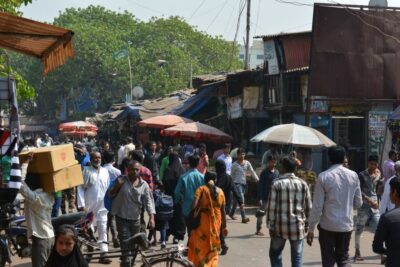
Dharavi Slum Tour with Dhobi Ghat (Open-Air Laundry)
Read our review →
Mumbai Dharavi Slum, Dhobi Ghat & Dabbawala Lunchbox Tour
Read our review →
Mumbai City Tour With Laundry And Hotel Transfers (South Mumbai)
Read our review →
Dharavi Slum Tour with Laundry And Hotel Transfer (South Mumbai)
Read our review →Browse the lists this tour appears in