

Reviewed · DHOBI GHAT LAUNDRY TOURS
Dhobi Ghat Tour
Mahalaxmi Dhobi Ghat is not a museum display. It is a working laundry where hundreds of dhobis sort, scrub, beat, dry, and iron clothes for people and businesses across Mumbai. At $11, this short guided visit gives you a useful look at daily work that most city tours pass by.
I like two things here: the chance to hear directly about the lives of washermen and women, and the sight of the laundry system working in clear stages. Guide Havat has spent his life around the ghat, while Hardik Tank has also been praised for his helpful explanations. The main drawback is time: the walk is advertised at about 30 minutes, but one guest’s visit lasted only eight minutes. You also cannot take photographs inside.
Key points at a glance
- A working laundry, not a staged attraction: Clothes arrive from around Mumbai and move through sorting, washing, drying, and pressing.
- The 8 am start matters: Morning offers the best chance to see the ghat in full working order.
- A family-run process: One person may sort clothes, another beat stains out, and another hang laundry to dry.
- Special washing areas: The complex includes sections for boiling water and washing hospital laundry.
- Good value at $11: Entry, an English-speaking guide, and tea are included in a brief cultural visit.
- Photography is restricted: You can take in the colorful clotheslines, but photography inside is not allowed.
Seeing Mumbai’s Laundry System at Mahalaxmi
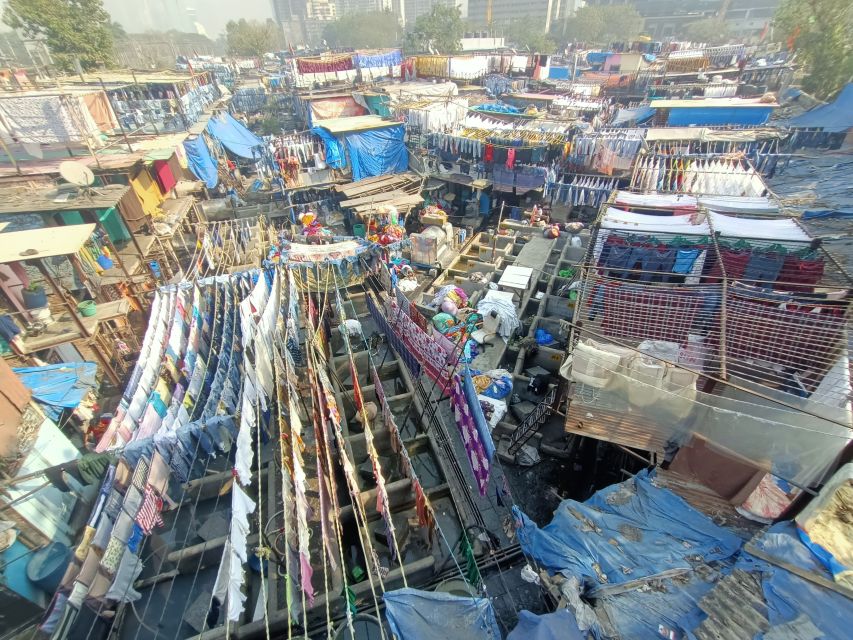
The first thing to understand about Dhobi Ghat is that this is a place of work. Laundry arrives in large piles, is divided by color and type, washed in troughs, dried on lines, pressed with heavy charcoal irons, and sent back out again.
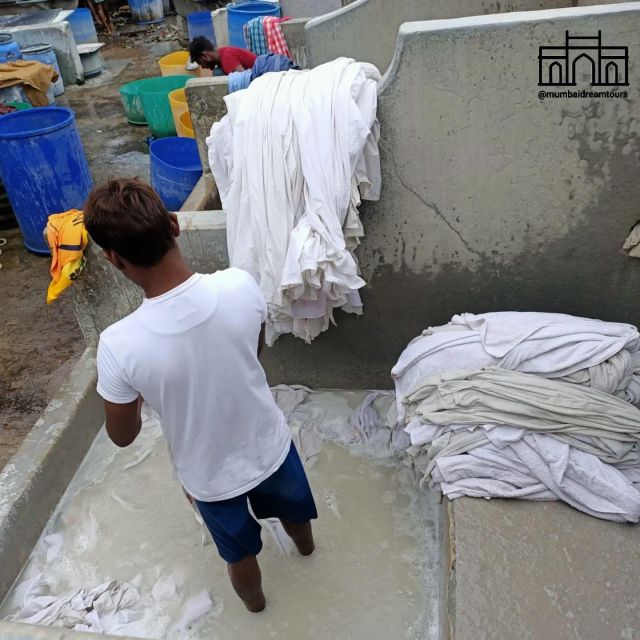
That simple outline hides a tightly managed routine. A family member may handle sorting while another works on stains. Someone else hangs the clothing, and another person may take charge of ironing. While clean clothes move toward delivery, porters and handcarts bring in fresh loads.
I like this kind of city sight because it explains Mumbai through ordinary work. You are not just looking at old walls or a famous view. You are seeing one service that helps the city function.
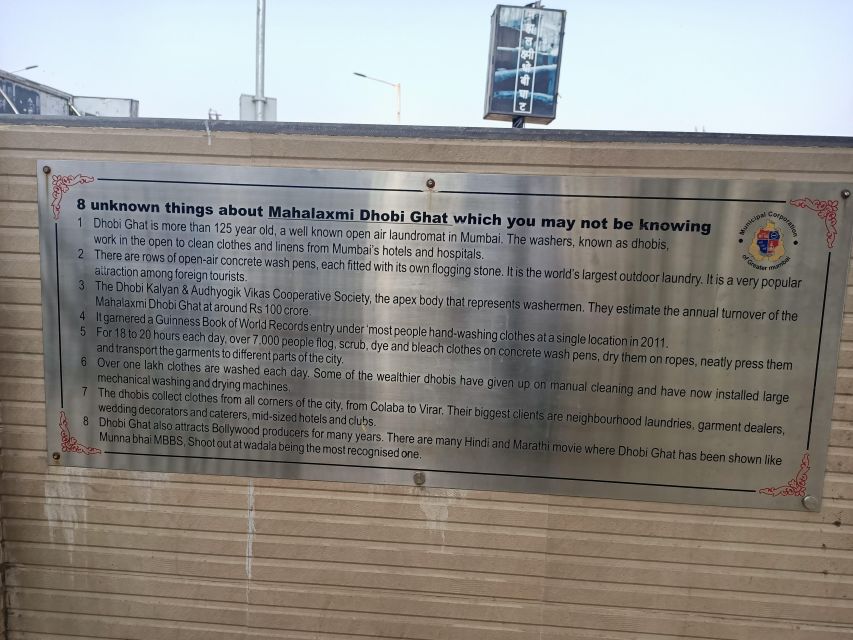
The ghat has operated for more than a century and is widely described as the world’s largest open-air laundry. The tour connects that long working tradition with present-day life, including the limited use of machines by some families. Much of the process remains manual.
More Dhobi Ghat tours in Mumbai
- Mumbai: Dhobi Ghat Laundry and Dharavi Slum Tour with Local
★ 5.0 · 469 reviews - Mumbai: Dharavi Slum and Dhobi Ghat Laundry Tour
★ 5.0 · 317 reviews - Private Combo Tours Sightseeing + Dharavi Slum + Dhobi Ghat & Dabbawalas
★ 5.0 · 245 reviews
Starting at the Dhobi Ghat Viewpoint
Your meeting point is the Dhobi Ghat entrance at 26-40 Anandilal P Marg, Dhobi Ghat, Shanti Nagar, Mahalaxmi, Mumbai 400020. The guide meets you at the viewpoint, and the activity finishes back there.
The viewpoint is useful because it lets you get your bearings before the short walk. From there, you can see the rows of washing areas and clotheslines and begin to understand how much activity is packed into the site.
I would aim for the advertised 8 am start. The laundry works throughout the day, but an early visit gives you a better chance to see the working rhythm before the heat becomes tiring. It also suits anyone fitting this stop into a morning of sightseeing around central Mumbai.
The exact group size is not stated, so you should not book this expecting a private tour. The guide language is English, and the short format makes it easy to add before another Mumbai activity.
Following Clothes From Dirty Piles to Clean Lines
The most useful part of the tour is following the process rather than simply looking at the rows of laundry. You may see clothes sorted according to color and type before they are washed.
The next stage is physical and noisy. Dhobis beat clothing against washing surfaces to remove dirt and stains. This is one of the details that makes the ghat feel different from a modern commercial laundry. The work is repetitive, skilled, and shared among family members.
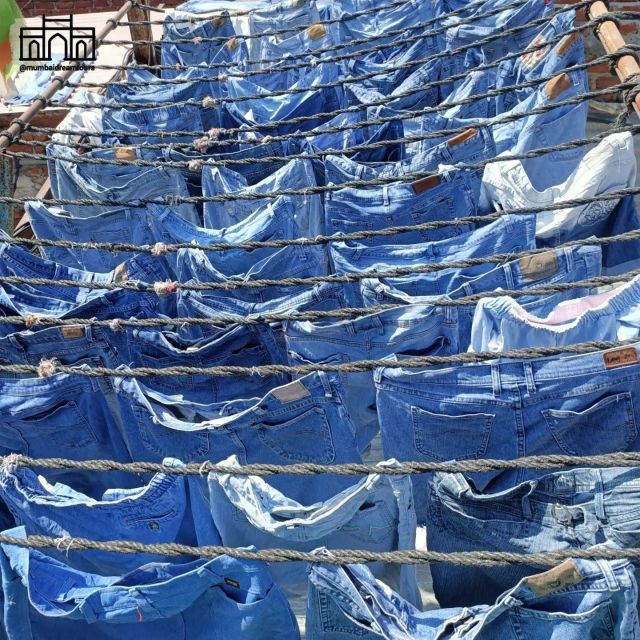
After washing, clothes are hung out to dry. The lines create the most recognizable view at Dhobi Ghat, with bright clothing set against more restrained piles of hospital and hotel linens.
Finally, clothes are ironed before delivery. The tour information describes bulky charcoal irons being used, a reminder that not every part of the process has been replaced by machinery.
The ghat also has separate areas for boiling water and handling hospital laundry. That detail adds an important layer to the visit. This is not only household washing. The operation deals with different kinds of clothing and different standards of cleanliness.
Meeting the People Who Run the Ghat

A guide can turn a quick look into a useful conversation. The people who work at Dhobi Ghat manage the site themselves, and the tour focuses on their working lives, daily challenges, and family roles.
Guide Havat has lived and worked at the ghat all his life, following several generations before him. That background can give the visit a personal link to the place, not just a list of facts.
Hardik Tank has also led the tour and is described as a gentle, helpful guide who is well prepared despite his young age. Since guide assignments can vary, you should treat these names as examples rather than a promise that either person will lead your visit.
There may also be time for small personal moments, such as talking with families or playing marbles with children at the site. These interactions should be handled with care. The dhobis are at work, so the best approach is to listen, follow the guide’s lead, and avoid treating the ghat like a performance.
The included tea is a small but welcome touch. It gives the visit a little breathing room and makes the encounter feel less like a quick stop for photographs.
A completely different side of the city:
- Dharavi slum tour in Mumbai by Female tour guides of the slum
★ 5.0 · 1,976 reviews - Mumbai: Full-Day Sightseeing Tour of Mumbai
★ 4.9 · 1,822 reviews - Private Mumbai Sightseeing Tour (Traveller’s Choice Award Winner)
★ 5.0 · 1,565 reviews - Group Guided Walking Tour in Fort and Colaba
★ 5.0 · 1,073 reviews
The Best Views, and the Photography Rule
Dhobi Ghat is naturally attractive to photographers. Bright clothes strung in long rows, pale hospital linens, wet washing, porters carrying bundles, bicycles, and handcarts all provide strong visual details.
There is one important restriction: photography is not allowed inside. This means you should not expect to walk through the working areas taking close-up pictures. The tour information also names the viewpoint as the meeting place, so you may be able to look from outside, but you should follow the guide’s instructions and not assume that every part of the site is open for photos.
This rule can feel disappointing if colorful clotheslines are your main reason for booking. It is also understandable in a place where people are working and personal laundry is being handled. The most respectful visit is one where you watch first and photograph only where permission is clear.
For many people, the explanation of the work will be more valuable than a full set of images. If you want a photo-focused Mumbai outing, this may not be the right choice. If you want context and a brief look at local work, the restriction is easier to accept.
How Much Can You See in 30 Minutes?
The planned walk lasts about 30 minutes, which is enough for an introduction but not enough for a long, detailed visit. You can expect a compact route around the laundry, an explanation of the process, and conversation about the people who work there.
That short length is useful if your Mumbai schedule is tight. At $11, you are paying for a focused introduction rather than a half-day activity. Entry tickets, an English-speaking guide, and tea are included, so the price is reasonable for a brief guided experience.
The main warning is inconsistency in the actual duration. One guest reported that the visit lasted eight minutes instead of 30 and felt rushed. That does not mean every visit will be so short, but it is a real point to consider. If you book, confirm the starting time and arrive promptly. A late start would make a short tour even shorter.
The best version of this experience depends heavily on the guide. A lively guide with a personal connection to the ghat can explain why each stage matters. A hurried guide may leave you with little more than a quick look.
Why the $11 Price Makes Sense
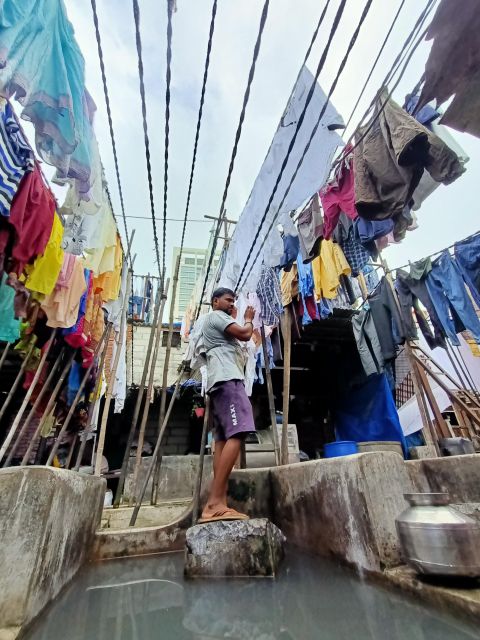
The price is low by Mumbai tour standards, but value depends on what you want. For $11, you receive access, an English explanation, and tea. You also get a closer look at a working part of the city that is difficult to understand from the road or from a distant viewpoint.
This is good value for:
- A first visit to Mumbai
- People interested in working life and local services
- Visitors who want a short morning activity
- Photographers who can accept the indoor photography ban
- Families and curious children who enjoy seeing a process in action
It is less suitable if you expect a long walking tour, extensive historical commentary, or guaranteed time for photography. The experience is small in scale and depends on how much activity is taking place during your visit.
The booking terms also make planning easier. You can reserve and pay later, and cancellation is allowed up to 24 hours in advance for a full refund. Those terms are useful if your Mumbai schedule is still shifting.
What Makes This Different From a Standard Sightseeing Stop

Many city tours show you Mumbai’s major buildings, markets, and waterfront views. Dhobi Ghat offers a different kind of evidence about the city. It shows how clothes move through a service network and how work is divided among families.
You can see the contrast between old and new methods. Some dhobi families use machines, but manual washing, drying, and ironing remain important. That mix tells you more than a simple claim that the laundry is traditional.
The ghat also helps you think about labor. A clean shirt or hotel sheet may seem like a small matter, but here you can see the people, sorting, equipment, heat, and timing behind it. I find that kind of detail sticks with you after the tour.
The visit is also valuable because it is not polished for tourists. The work continues whether you are watching or not. That can make the setting less comfortable than a standard attraction, but it also makes it more honest.
Practical Advice Before You Go
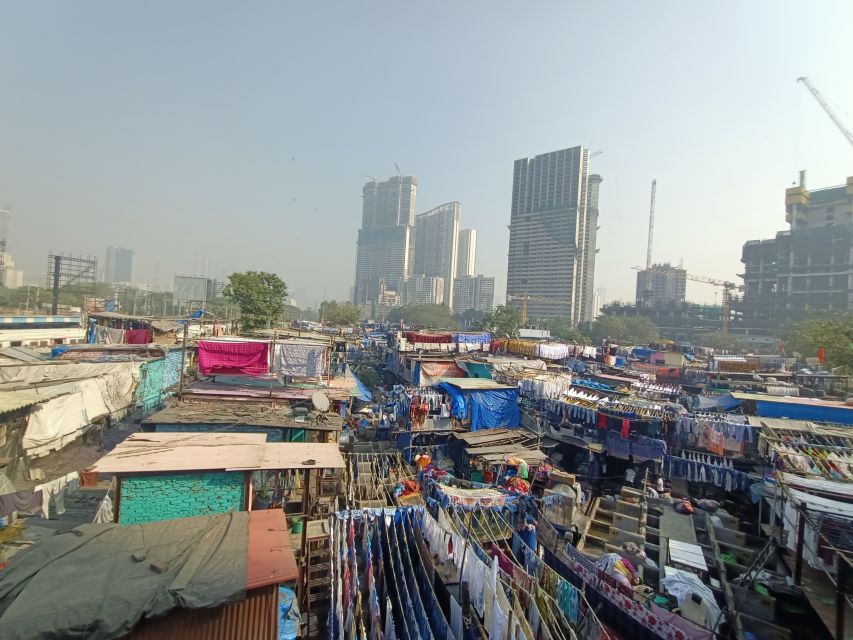
Start early, ideally at 8 am. This is the recommended time, and it gives you the best chance of seeing the laundry in action.
Wear practical clothing for a short walk and be ready for the working conditions of an open-air laundry. The supplied information does not specify facilities, transport, or accessibility arrangements, so you should ask the provider if any of those details matter to you.
Meet at the Dhobi Ghat viewpoint, not at a separate city landmark. The address is 26-40 Anandilal P Marg in the Mahalaxmi area.
Expect English guiding only. If you need another language, this activity may not suit you.
Do not plan the tour around taking inside photographs. Keep your phone or camera available only where the guide permits it.
Finally, allow some flexibility around the 30-minute estimate. The stated duration is approximate, and the reported eight-minute visit shows why it is wise not to schedule an important connection immediately afterward.
Who Should Book the Dhobi Ghat Tour?

I would recommend this tour to you if you enjoy seeing how a city works behind the postcard view. It suits curious first-time visitors, people interested in Mumbai’s working communities, and anyone who wants a short activity near Mahalaxmi.
It is especially appealing if you like guided explanation. Without context, you may see only rows of laundry. With a good guide, you can understand the division of labor, the role of family members, and the importance of the ghat to businesses and households across Mumbai.
I would hesitate to recommend it to you if photography is your top priority or if you need a guaranteed 30-minute visit. The no-photography rule is firm, and the actual tour length may vary.
For most visitors, the low price makes it worth considering. Book it for the people and the process, not just for colorful clotheslines. If you receive a guide with the personal background of Havat or the clear explanations associated with Hardik Tank, the short visit can give you a memorable view of everyday Mumbai.
FAQ
Where is the Dhobi Ghat tour held?
The tour takes place at Mahalaxmi Dhobi Ghat in Mumbai, Maharashtra. The meeting address is 26-40 Anandilal P Marg, Dhobi Ghat, Shanti Nagar, Mahalaxmi, Mumbai 400020.
Where do I meet the guide?
The guide meets you at the Dhobi Ghat viewpoint near the entrance.
What time is best for the tour?
The recommended start time is 8 am.
How long does the tour last?
The planned duration is approximately 30 minutes. The actual length can vary, and one recorded visit lasted eight minutes.
What language is the tour offered in?
The tour is offered in English.
Is photography allowed inside Dhobi Ghat?
No. Photography inside is not allowed.
What is included in the price?
The $11 price includes entry tickets, an English-speaking guide, and tea.
Does the tour end at the same place where it starts?
Yes. The activity ends back at the meeting point.
Can I cancel the booking?
You can cancel up to 24 hours in advance for a full refund. You can also reserve and pay later.
Recently added around Mumbai
- Private Walking Tour in Dharavi Slums★ 5.0 · 7 reviews
- Mumbai Sightseeing Tour★ 5.0 · 11 reviews
- Private Mumbai 2-Day Tour Package:City + Slum & Elephanta Island.★ 5.0 · 3 reviews
- Vegetarian Indian Cuisine Virtual Cooking Class Experience from Mumbai★ 5.0 · 4 reviews
- Mumbai by Night Guided Tour★ 5.0 · 6 reviews
- Transfer from Mumbai Airport to Hotel★ 4.0 · 7 reviews
- Full-Day Agra Tour with Taj Mahal From Mumbai By Air★ 5.0 · 8 reviews
- Taj Mahal Day Trip Including Same Day Flights from Mumbai★ 5.0 · 3 reviews
Dhobi Ghat Laundry Tours, compared.
Dhobi Ghat Laundry and Dharavi Slum Tour with Local
Read our review →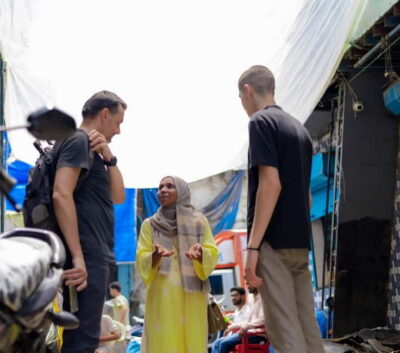

Private Combo Tours Sightseeing + Dharavi Slum + Dhobi Ghat & Dabbawalas
Read our review →
Dabbawala, Dhobi Ghat & Dharavi slum Tour with Local Train Ride
Read our review →
Dharavi Slum Tour with Dhobi Ghat (Open-Air Laundry)
Read our review →
Mumbai Dharavi Slum, Dhobi Ghat & Dabbawala Lunchbox Tour
Read our review →
Mumbai City Tour With Laundry And Hotel Transfers (South Mumbai)
Read our review →
Dharavi Slum Tour with Laundry And Hotel Transfer (South Mumbai)
Read our review →Browse the lists this tour appears in