
Reviewed · MUMBAI COOKING CLASSES
Private Maharashtrian Cooking Class in Mumbai with a Local Family
The best part of this Mumbai experience happens far from restaurant menus. You enter a family home, learn to make two regional dishes, and sit down to eat what you helped prepare. Rupa’s menu may include fish, chicken, mutton, vegetables, rice, roti, chutney, and a traditional dessert.
I like the private format, since you can ask questions and work at your own pace. I also like the chance to taste lesser-known Pathare Prabhu, Maharashtrian, CKP, or Goan dishes rather than a standard tourist menu. The main consideration is location: you must make your own way to Shell Colony in Kurla, and the menu changes with the season.
Key points to know before booking
- Two dishes, not a giant cooking marathon: The hands-on lesson lasts about 1.5 hours within a roughly three-hour visit.
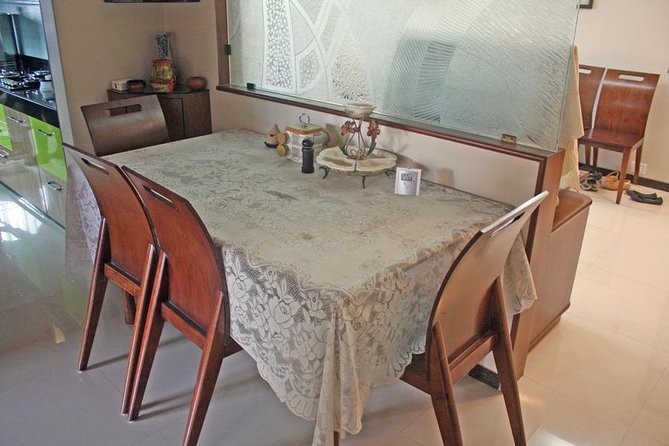
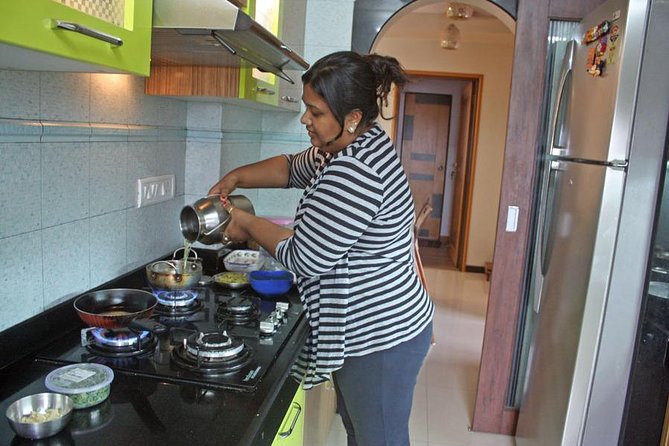
- A real family setting: You cook and eat in a private Mumbai home, with Rupa as your host.
- Choose the market option: A guided trip to Chembur fish market adds local shopping and a look at the day’s catch.
- Regional recipes take center stage: Possible dishes include suran kaap, alu vadi, fish curry, mutton keema che muthe, thecha, and kokum sharbat.
- Vegetarians can be accommodated: Tell the host about dietary needs, allergies, and cooking preferences when you book.
- Plan your own transport: Hotel pickup and drop-off are not included, and the experience ends back at the meeting point.
A Mumbai meal that begins in the family kitchen
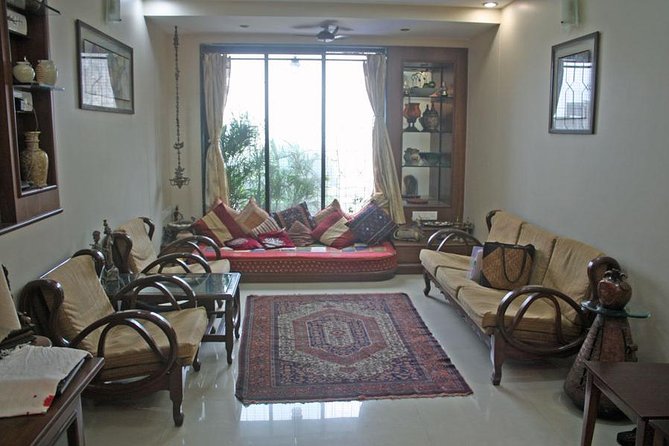
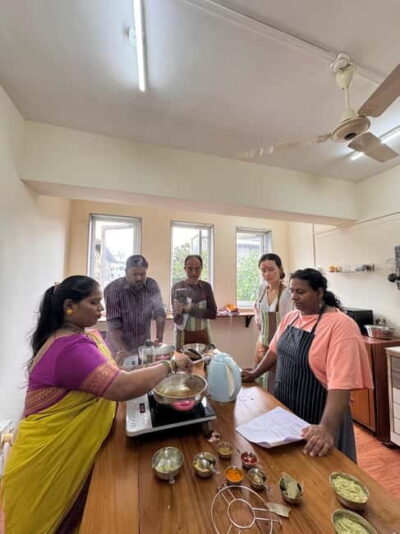
This is not a class built around polished restaurant equipment or a long line of identical workstations. You meet your host at her apartment in Shell Colony, Sahakar Nagar, Kurla, then settle into a home kitchen where family recipes and everyday cooking habits take the lead.
That setting matters. Maharashtrian food is not one fixed cuisine. It changes across communities, households, coastlines, seasons, and religious traditions. A home meal can show you combinations that rarely appear on a general Indian restaurant menu.
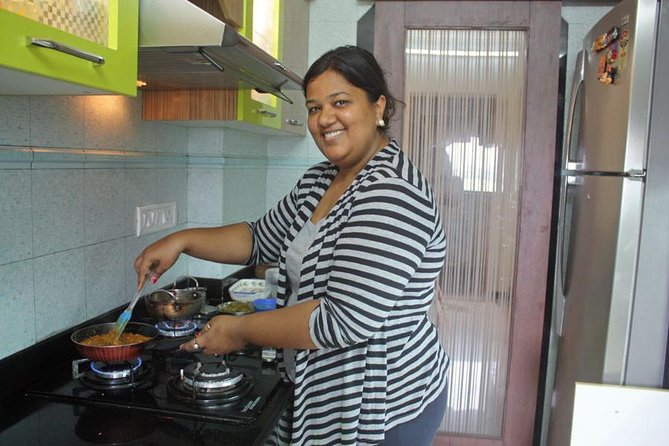
The experience focuses on two regional dishes. The class is hands-on and lasts about 1.5 hours, followed by the meal. You might prepare a seasonal vegetable dish and a fish or chicken dish, though mutton or crab may also feature depending on the menu and your arrangements.
I like this limited scope. Two dishes give you enough time to understand the ingredients and methods without turning the afternoon into a rushed cooking exam. You can pay attention to the role of homemade spices, the order in which ingredients go into the pan, and the small decisions that make a family dish taste right.
More cooking classes in Mumbai
- Mumbai: Indian Cooking Class & Cultural Delights
★ 5.0 · 38 reviews - Indian Curry 5-Hour Cooking Classes In Mumbai
★ 5.0 · 22 reviews - Private Cooking Class in Mumbai
★ 5.0 · 15 reviews
Meeting Rupa in Kurla
The starting point is Shell Colony, Sahakar Nagar, Kurla, Mumbai. This is also the end point, so you need to arrange your own way there and back. Hotel pickup and drop-off are not included.
The experience is near public transportation, but the supplied details do not specify a particular station, route, or fare. I would allow extra time to reach the apartment, especially if you are crossing Mumbai during a busy period. Confirm the exact meeting instructions after booking.
The activity is private, so only your group takes part. That is useful if you are shy about cooking in front of strangers, have food restrictions, or want to focus on a particular ingredient. It also makes the visit feel more like an invitation into someone’s home than a standard group class.
The host is presented as Rupa, a home chef who has spent more than two decades cooking for friends, family, and visiting guests. Some of the supplied feedback refers to hosts named Reshma and Shilpa, so I would confirm the host’s name when your booking is accepted. The important practical point is that you should expect a personal host-led visit rather than a large commercial demonstration.
Adding the Chembur fish market
You can book the cooking class on its own or choose the option that includes a market visit. With the market option, you meet Rupa at her apartment and travel together by car or auto to the Chembur fish market.
The market visit gives the cooking class a useful beginning. Instead of seeing fish only after it has been cleaned and portioned, you are introduced to the fresh catch of the day. Rupa takes you to favorite vendors, helps you select ingredients, and then uses those ingredients in the kitchen.
This is a good choice if you want to understand how Mumbai households shop for seafood. It also gives you a clearer sense of seasonality. The menu is not fixed, and the fish or produce available that day can shape what you cook.
The drawback is simple: the market option adds another moving part to an already busy city outing. The listed duration for the experience is about three hours, but the exact rhythm can depend on the market visit and local traffic. If you mainly want a relaxed meal and a short lesson, book the cooking class without the market addition. If you like food shopping and want more contact with daily life, the market option adds real value.
What you may cook in 90 minutes
The menu varies by season, so you should not book this expecting a guaranteed dish. That flexibility is part of the point. You might prepare a vegetable recipe, then work on fish, chicken, mutton, or crab gravy.
Possible dishes include suran kaap, a crisp yam preparation, and alu vadi, spiced colocasia or taro root leaves. You might also encounter mutton keema che muthe, made with spiced minced mutton. These are the sorts of regional preparations that give the class a stronger local identity than a basic butter chicken lesson.
A seafood menu might include fish gravy, shaped by what is available at the market. Chicken or mutton can appear instead. The exact recipe depends on the season, household preferences, and the arrangements made for your visit.
You also get to work with supporting dishes and condiments. Thecha, made with green chilies, peanuts, and garlic, brings heat and texture to the meal. Khamang kakdi, a cucumber salad, offers a cooler contrast.
The cooking itself is not only about following a recipe. You learn about local ingredients, homemade spice blends, and family cooking traditions. I would ask questions as you work. Find out which spices are toasted, how much heat is typical, and what can be prepared ahead of time at home.
A completely different side of the city:
- Dharavi slum tour in Mumbai by Female tour guides of the slum
★ 5.0 · 1,976 reviews - Mumbai: Full-Day Sightseeing Tour of Mumbai
★ 4.9 · 1,822 reviews - Private Mumbai Sightseeing Tour (Traveller’s Choice Award Winner)
★ 5.0 · 1,565 reviews - Group Guided Walking Tour in Fort and Colaba
★ 5.0 · 1,073 reviews
Drinks, sweets, and the meal afterward
Once the cooking is complete, you sit down to eat the meal in the home. The possible drinks include piyush, a thickened yogurt and buttermilk drink, or kokum sharbat, a cooling drink made with kokum.
These are worthwhile parts of the experience because they show how a meal is built beyond its main dish. Piyush is creamy and filling, while kokum sharbat offers a tangy, refreshing counterpoint. Neither is simply a decorative welcome drink. Each has a place in the way a home meal is balanced.
Rice or roti may accompany the main dishes. Dessert could be bhoplyachi kheer, a pumpkin pudding, or sago kheer. The meal may finish with paan, used as a mouth freshener.
I like the way this structure turns the lesson into a complete meal rather than a quick taste. You learn, cook, eat, and talk in the same setting. The food also gives you a chance to compare textures and flavors: spicy thecha, cooling drink, savory gravy, plain rice or roti, and a sweet pudding at the end.
Do not expect a fixed tasting menu. The menu may change, and the host needs advance notice for allergies, dietary restrictions, or cooking preferences.
Why the regional focus matters
Many first-time visitors encounter Indian food through restaurant staples. Those dishes can be excellent, but they are only one small part of the country’s cooking. This class offers a look at regional Maharashtrian food and related community traditions, including Pathare Prabhu and CKP cooking, with Goan flavors also possible.
That focus makes the experience valuable for people who have already eaten at Mumbai restaurants and want to understand what families cook at home. It also suits curious beginners because the private format gives you room to ask basic questions without feeling out of place.
The cooking may reveal how coastal ingredients, local produce, spice blends, and community traditions meet in one household. You are not only learning what goes into a dish. You are seeing how the meal fits together and how a host explains food she has cooked for decades.
The class also has an advantage over a restaurant meal: you can repeat the dishes later. Pay attention to technique, not just ingredient names. Ask how the recipe changes when a particular vegetable is unavailable and which parts of the meal can be adapted to your own kitchen.
Vegetarian visitors and food restrictions
Rupa can accommodate a vegetarian diet if you ask in advance. You should also report allergies, dietary restrictions, and cooking preferences at the time of booking.
This is especially important because the standard possibilities include fish, chicken, mutton, and crab. A vegetarian menu should be arranged before the visit rather than requested when you arrive.
The same advice applies to spice preferences. The supplied information confirms that cooking preferences can be shared, but it does not promise a particular level of heat or a specific substitute. Clear communication gives the host a fair chance to plan.
Is $64 a fair price?
At $64 per person, this is not the cheapest way to eat in Mumbai. You can find a very inexpensive meal elsewhere. The price makes more sense when you count the private instruction, the home-cooked meal, the ingredients, the host’s time, and the option of a guided fish market visit.
The strongest value comes for people who want more than a plate of food. You get a personal introduction to regional recipes, a chance to cook the dishes yourself, and a home setting that a restaurant cannot provide.
The market option can improve the value if seafood, shopping, and food culture are priorities. It may feel less worthwhile if you have limited time or do not want to spend part of the outing traveling to a market.
I would compare this with the cost of a standard cooking class, but also with what you want from Mumbai. If your main goal is quantity, this is not the right purchase. If your goal is personal contact, practical cooking skills, and a meal with regional character, the price is reasonable.
Timing, transport, and planning tips
The advertised duration is about three hours. The hands-on cooking portion lasts about 1.5 hours, with the rest used for arrival, conversation, the meal, and the optional market visit.
The experience starts and ends at the meeting point in Kurla. Since hotel transport is not included, check your route before the day of the class. The activity is near public transportation, but you should still allow a cushion for Mumbai traffic.
Confirmation is sent within 48 hours of booking, subject to availability. I would wait for that confirmation before treating the activity as fixed in your schedule.
The experience is available with a mobile ticket. Keep the booking details easy to access when you meet your host.
Free cancellation is available if you cancel at least 24 hours before the local start time. Cancellations made less than 24 hours ahead, along with late changes, are not accepted for a refund.
Who will enjoy this most?
I would choose this class if you care about how people cook at home, not just where to find a famous dish. It suits couples, families, and small private groups who want a slower meal and direct conversation.
Food lovers will get the most from the regional menu, especially if you enjoy seafood, homemade spice mixtures, and dishes that are less common outside their home communities. The market option is a strong fit if you want to see ingredients before they reach the cooking pot.
Families should ask about the menu and dietary needs in advance. The private format can make the class easier for a mixed-age group, but the details of the cooking activity may vary with the selected dishes.
I would skip it if your schedule cannot spare three hours, if you need hotel transport, or if you want a guaranteed menu. This is a personal food visit, not a tightly scripted sightseeing stop.
Should you book this Mumbai cooking class?
Book it if you want a genuine home meal, practical instruction, and a look at regional Maharashtrian food that goes beyond familiar restaurant dishes. I especially like the combination of two dishes, a complete meal, and the optional Chembur market visit.
Before paying, confirm the host, meeting details, menu direction, and any vegetarian or allergy requirements. Choose the market option if fresh seafood and local shopping interest you. Choose the class alone if you prefer a simpler afternoon.
For $64, you are paying for access to a kitchen, a host’s family recipes, and a private meal rather than just food. That is a fair deal for the right kind of visitor: curious, hungry, and happy to trade a polished restaurant for a more personal Mumbai table.
FAQ
Where does the cooking class begin?
It begins at Shell Colony, Sahakar Nagar, Kurla, Mumbai, Maharashtra, India.
Where does the experience end?
The activity ends back at the meeting point.
How long does the experience last?
The total duration is approximately three hours. The hands-on cooking class lasts about 1.5 hours.
What will I cook?
You will learn to make two regional Maharashtrian dishes. The menu varies by season and may include a vegetable dish plus fish, chicken, mutton, or crab.
Can I request vegetarian food?
Yes. Rupa can accommodate a vegetarian diet if you request it in advance.
Can I report allergies or dietary restrictions?
Yes. You should provide details about allergies, dietary restrictions, and cooking preferences when booking.
What does the market tour include?
The market option includes a guided visit to Chembur fish market. Rupa introduces you to the fresh catch of the day and takes you to selected vendors to choose ingredients for the class.
Is hotel pickup included?
No. Hotel pickup and drop-off are not included. You must reach the meeting point yourself.
Can I cancel for a full refund?
Yes, if you cancel at least 24 hours before the experience’s local start time. Cancellations or changes made less than 24 hours ahead are not eligible for a refund.
More Workshops in Mumbai
- Dharavi Tour & Pottery Workshop
★ 5.0 · 58 reviews - Private Market Tour and Vegetarian Cooking Class in Mumbai
★ 4.5 · 15 reviews - Mumbai Market Tour & Maharashtrian Cooking Class with Chef Reshma
★ 4.5 · 10 reviews - Private Half-Day Mumbai Cooking Class
★ 5.0 · 7 reviews
Recently added around Mumbai
- Private Walking Tour in Dharavi Slums★ 5.0 · 7 reviews
- Mumbai Sightseeing Tour★ 5.0 · 11 reviews
- Private Mumbai 2-Day Tour Package:City + Slum & Elephanta Island.★ 5.0 · 3 reviews
- Vegetarian Indian Cuisine Virtual Cooking Class Experience from Mumbai★ 5.0 · 4 reviews
- Mumbai by Night Guided Tour★ 5.0 · 6 reviews
- Transfer from Mumbai Airport to Hotel★ 4.0 · 7 reviews
- Full-Day Agra Tour with Taj Mahal From Mumbai By Air★ 5.0 · 8 reviews
- Taj Mahal Day Trip Including Same Day Flights from Mumbai★ 5.0 · 3 reviews
Mumbai Cooking Classes, compared.
Private Market Tour and Vegetarian Cooking Class in Mumbai
Read our review →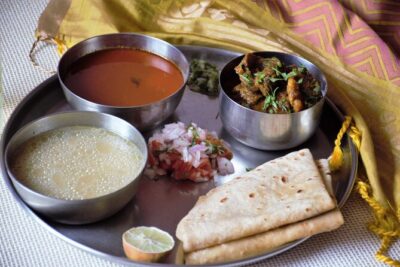
Mumbai Market Tour & Maharashtrian Cooking Class with Chef Reshma
Read our review →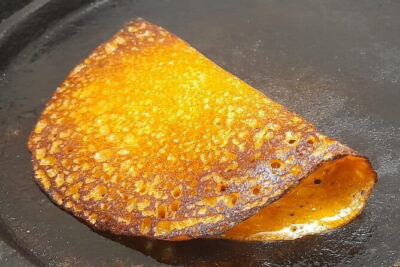
Authentic Indian Cooking Class in Mumbai in a Local Home
Read our review →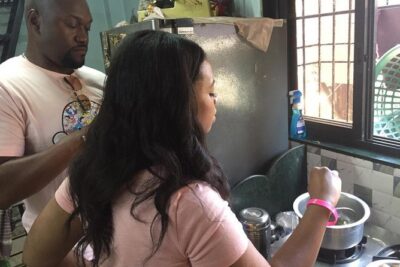
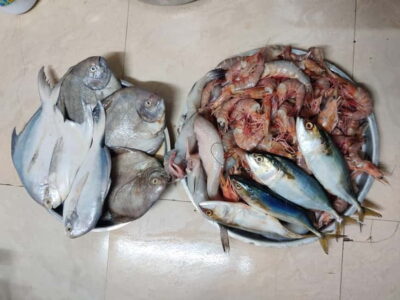
Mumbai Coastal Cooking: From Fishing Net to Flavourful Plate
Read our review →Browse the lists this tour appears in