
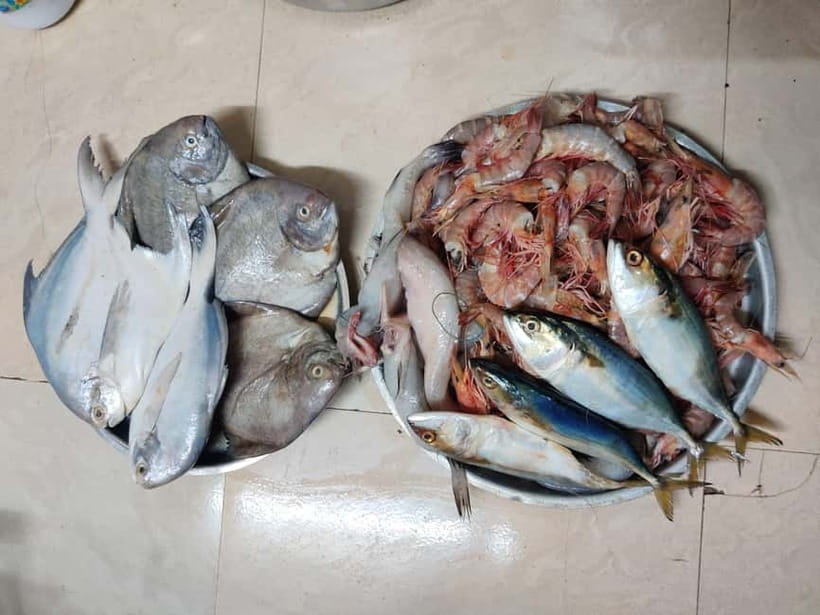
Reviewed · MUMBAI COOKING CLASSES
Mumbai Coastal Cooking: From Fishing Net to Flavourful Plate
Mumbai’s fishing culture comes alive here not in a museum, but around boats, nets, fish stalls, and a family kitchen. You travel by tuk-tuk to one of the city’s old fishing communities, meet fisherwomen in colorful sarees, and finish by cooking a coastal meal with Kavitha and her husband Ravi.
I like the direct contact with daily life, especially the chance to see how nets are woven and how fresh fish moves from dock to market to plate. I also like the small private-group format, which leaves room for questions and conversation. One thing to keep in mind: access to the village can change, and one recent visit took place almost entirely in Kavitha’s home instead.
What makes this Mumbai food experience different
- From fishing nets to lunch: Follow the coastal food chain from boats and market stalls to a home-cooked meal.
- A real residential setting: The shopping area and local streets are part of ordinary Mumbai life, not a set built for visitors.
- Kavitha’s home cooking: Learn fish curry, fried fish, rice, roti, chapati, and other local dishes directly from the host.
- Fishing heritage in view: See traditional nets, boats, docks, and the community connected to Mumbai’s earliest working life.
- A private three-hour visit: The setting allows for personal questions and conversation in English.
- Good value at $21: The price covers the village visit, tuk-tuk ride, fish market, and cooking class, though the exact route may vary.
Mumbai’s fishing story begins on the shore
Long before Mumbai became a huge commercial city, the area was a group of seven islands where fishing was a main occupation. This experience gives you a look at that older side of the city, where the sea still shapes work, food, and neighborhood life.
You meet at a designated point, which can vary according to the option booked. From there, a tuk-tuk takes you toward the fishermen’s village. That short ride is part of the appeal. You are not simply dropped at a cooking studio. You are moving through the city toward a working community.
The visit includes a historic festive ground connected with the British period. The details of that stop may depend on local access and the day’s route, but it gives useful context. Mumbai’s fishing communities did not exist apart from the city’s later development. They were here as the city changed around them.
I like this opening because it gives the food a reason to exist. Fish curry is not just a recipe to copy. It comes from a coastal way of life, local markets, and families who know how to turn a fresh catch into an everyday meal.
More cooking classes in Mumbai
- Mumbai: Indian Cooking Class & Cultural Delights
★ 5.0 · 38 reviews - Indian Curry 5-Hour Cooking Classes In Mumbai
★ 5.0 · 22 reviews - Private Cooking Class in Mumbai
★ 5.0 · 15 reviews
Boats, nets, and the work behind the meal
At the beach, you can see the fishermen’s boats and watch net weaving. This is one of the most specific parts of the experience, and it is easy to overlook when you are focused on food. Take time to watch how much handwork goes into the equipment that supports the catch.
The tour also passes through the fishermen’s docks. You may see the practical side of the trade rather than a polished sightseeing stop: boats, nets, workers, and the movement of fish toward the market. That can make the experience feel more immediate, but it also means conditions may be busy, crowded, or less predictable than on a standard city tour.
The fishing methods shown are traditional. That matters because Mumbai’s coastal cooking is tied to what local families can catch and buy nearby. The connection between the shore and the kitchen is clear: first the boats, then the nets, then the market, and finally the plate.
You should wear comfortable clothing and shoes suitable for walking around active market and dock areas. The supplied information does not specify the amount of walking or the exact beach conditions, so ask when confirming if that matters to you.
The fish market is part of the lesson
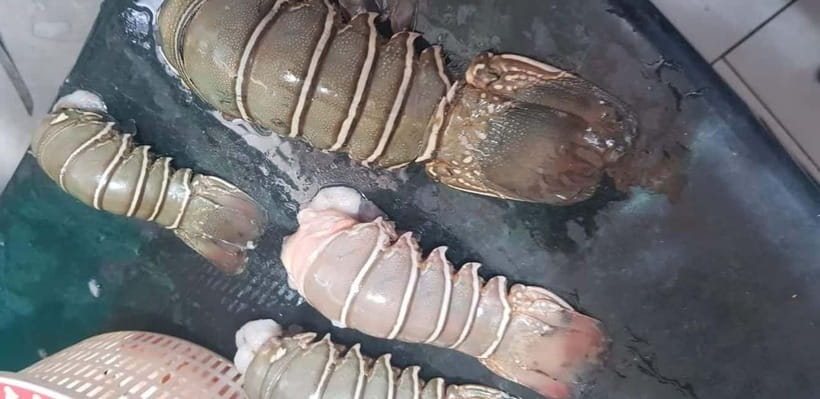
The market visit brings you close to the people who sell the catch. You can expect fish stalls and local women in colorful sarees handling and selling fresh seafood. It is a social scene as much as a shopping stop.
This is not the kind of market where you simply take a quick photo and leave. The point is to see how local food is chosen and sold, and to meet people connected to the fishing trade. Your guide can help make those interactions easier, especially since the host and greeter speak English.
The market may feel intense if you are not used to seafood stalls. Smells, noise, wet surfaces, and close quarters are normal parts of the setting. That is useful to know before booking. You are seeing a working market, not a quiet food hall prepared for an audience.
I would pay attention to what is selected for the cooking session. The market gives meaning to the meal later. When you sit down to eat fish curry or fried fish, you have already seen the community and commerce behind the ingredients.
Cooking with Kavitha and Ravi
The final part takes place in a local fisherman’s home. The host is Kavitha, often joined by her husband Ravi. Both speak very good English, so you can ask about the dishes, family life, and food customs without relying on a formal demonstration alone.
The cooking is hands-on. You learn by helping with parts of the meal, not only by watching someone work from a distance. One participant helped fry a batch of mandeli, a small fish that was described as especially delicious. You may also prepare fish curry, rice, roti, chapati, chicken dishes, local fisherman’s bread, and a sour-spicy drink, depending on the session.
The exact menu is not fixed in the information provided, so do not book expecting every listed item in one meal. The food described across the sessions included mandeli, fish curry, rice, roti, chapati, and fried fish. The class appears to adapt to the day’s plan and available ingredients.
This is the strongest part for me because the lesson is tied to home life. Kavitha explains each step while preparing the meal, and you get to eat together afterward. That shared table changes the pace of the experience. It is less like a quick cooking demonstration and more like being welcomed into someone’s routine.
You should also expect conversation. Kavitha has spoken about her life and dreams, while the cooking has opened into wider discussions about Indian food culture and everyday life in Mumbai. If you want a polished class with printed recipes and exact measurements, this may feel informal. If you want personal contact and a meal made in a real home, the informality is the point.
A completely different side of the city:
- Dharavi slum tour in Mumbai by Female tour guides of the slum
★ 5.0 · 1,976 reviews - Mumbai: Full-Day Sightseeing Tour of Mumbai
★ 4.9 · 1,822 reviews - Private Mumbai Sightseeing Tour (Traveller’s Choice Award Winner)
★ 5.0 · 1,565 reviews - Group Guided Walking Tour in Fort and Colaba
★ 5.0 · 1,073 reviews
What you are likely to eat
The seafood is the center of the meal. Fish curry and fried fish are the most consistent dishes described, with mandeli appearing as a particularly memorable preparation. Rice gives the curry a simple base, while roti or chapati adds a hands-on bread lesson.
You may also learn local fisherman’s bread and a sour-spicy drink. Chicken dishes are included in the general description, but the meals described by participants focused more heavily on seafood and bread. If you have dietary limits or a strong preference, ask about the menu before booking.
The value is not just the amount of food. At $21 per person, you are paying for a three-hour private experience that combines transport, local visits, instruction, and a meal. In Mumbai, that is a modest price for direct access to a host family and a food lesson, provided you are comfortable with the possibility that the route or menu may change.
The experience does not promise a restaurant-style tasting menu. It offers home cooking, which can be more rewarding but less standardized. Expect food made for sharing and conversation rather than a formal culinary performance.
When the village visit changes
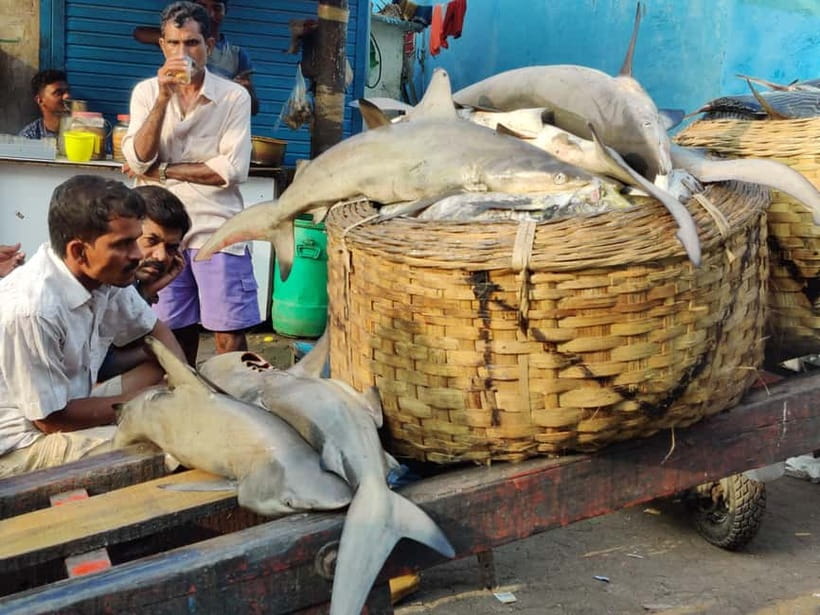
The most important practical note is that access to the fishermen’s village is not guaranteed exactly as described. On one recent visit, restrictions meant the village portion could not take place. Instead, the entire experience shifted to Kavitha’s home, with cooking and conversation lasting about three hours.
That change did not remove the main value of the activity. The visitor still cooked mandeli, fish curry, rice, and roti, and had time to talk with Kavitha and her husband. In fact, the home visit became a close look at daily life in Dharavi and challenged some assumptions about the area.
Still, you should book with the right expectation. If your main goal is to see the boats, docks, nets, and fish market, confirm the current access situation before paying. If your main goal is a personal cooking lesson and a home meal, the experience remains worthwhile even if the outdoor route changes.
This flexibility is both a strength and a limitation. Local access rules are outside the host’s control, but the advertised route may not always be possible. A good host adapts, and Kavitha appears to do that well, yet you should not treat every stop as guaranteed.
Timing, group size, and language
The planned duration is three hours, with starting times available according to the date you choose. Actual visits have lasted around three to four hours, especially when cooking and conversation continued in the home.
The group is private. That matters here because market visits and home cooking are more comfortable when you are not sharing the space with a large tour party. It also gives you more time to ask about recipes, fishing, family routines, and Mumbai food customs.
The host or greeter speaks English, and the cooking instruction is offered in English. This makes the experience suitable if you want more than a silent demonstration. The available information lists English as the language for the activity.
The meeting point can vary depending on the option booked. Check the exact meeting details before heading out, and allow enough time to find the pickup point. The included tuk-tuk ride is part of the planned experience, while one visit reached a local shopping area by metro. That suggests the transport plan may change with the route and conditions.
Who should book this experience
I would recommend it to you if food is your way into a city’s culture. You will get more from the class if you want to ask questions, try unfamiliar fish, and listen to the host’s stories while the meal comes together.
It also suits visitors who have already seen Mumbai’s major landmarks and want contact with a working community. The fishing village, market, docks, and home kitchen show parts of the city that a standard sightseeing tour may skip.
Families and couples may appreciate the private format, though the home setting and market conditions mean it is not designed as a polished, luxury cooking school. Solo visitors can also benefit from the personal scale, especially if you enjoy conversation.
You may want to choose another activity if you need a fixed itinerary, guaranteed access to every stop, or a menu built around a particular dietary requirement. This experience is personal and adaptable, not rigid.
Booking value and practical details
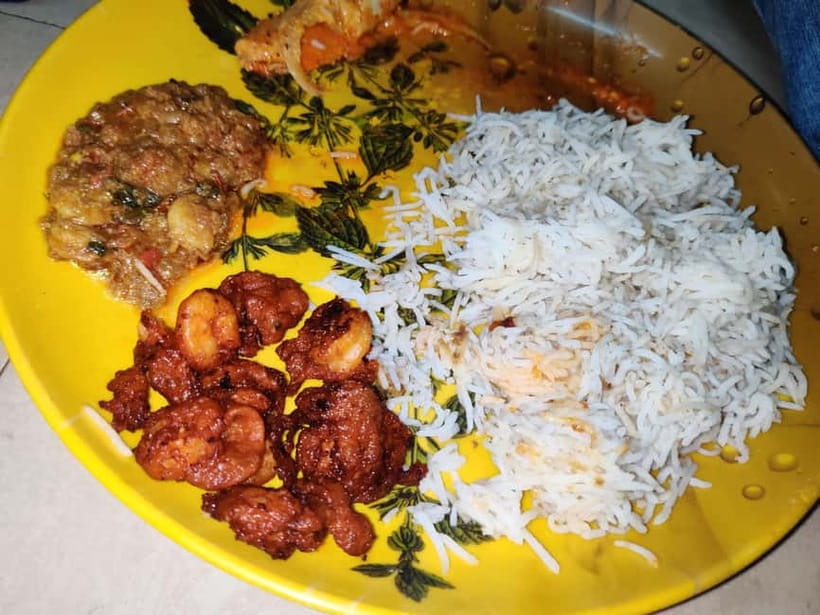
The listed price is $21 per person. That includes the fishermen’s village visit, tuk-tuk ride, fish market visit, and coastal cooking class. The combination offers good value, particularly because the class takes place in a local home rather than a commercial studio.
You can cancel up to 24 hours before the activity for a full refund. You can also reserve now and pay later, which helps if your Mumbai schedule is still shifting. The activity provider is Explore Mumbai Tours.
The five available ratings are all five out of five, with repeated praise for Kavitha’s teaching, warm hosting, excellent English, and the quality of the meal. The strongest pattern is personal contact. You are not only shown how to make fish curry. You are invited to talk, help cook, and share the finished food.
Should you book Mumbai Coastal Cooking?
Book it if you want a home meal with a human connection, not just a recipe class. Kavitha and Ravi’s English, the private format, and the chance to cook fish, bread, and curry make this one of the more personal food activities in Mumbai.
Keep your plans flexible about the village, market, and transport. Access restrictions can change the route, and the menu may vary. If you can accept that uncertainty, the $21 price buys a thoughtful look at Mumbai’s fishing culture and a meal you will remember for reasons beyond its flavor.
FAQ
Where does Mumbai Coastal Cooking take place?
The experience takes place in Maharashtra, India. It includes a fishermen’s village, a fish market, coastal areas, and a cooking session in a local home.
How long does the experience last?
The stated duration is three hours. Some home-based sessions have lasted around four hours when cooking and conversation continued.
How much does the experience cost?
The listed price is $21 per person.
What is included?
The experience includes a visit to the fishermen’s village, a tuk-tuk ride, a visit to the fish market, and a coastal food cooking class.
Who leads the cooking class?
The cooking session is hosted by Kavitha, often with her husband Ravi. English is spoken during the experience.
What food will I learn to cook?
The food can include fish curry, fried fish, mandeli, rice, roti, chapati, chicken dishes, local fisherman’s bread, and a sour-spicy drink. The exact menu may vary.
Is the group private?
Yes. The activity is offered as a private group experience.
Can the fishermen’s village visit change?
Yes. Access restrictions may prevent the village visit on some dates. In that case, the experience may take place mainly in Kavitha’s home with cooking and conversation instead.
Recently added around Mumbai
- Private Walking Tour in Dharavi Slums★ 5.0 · 7 reviews
- Mumbai Sightseeing Tour★ 5.0 · 11 reviews
- Private Mumbai 2-Day Tour Package:City + Slum & Elephanta Island.★ 5.0 · 3 reviews
- Vegetarian Indian Cuisine Virtual Cooking Class Experience from Mumbai★ 5.0 · 4 reviews
- Mumbai by Night Guided Tour★ 5.0 · 6 reviews
- Transfer from Mumbai Airport to Hotel★ 4.0 · 7 reviews
- Full-Day Agra Tour with Taj Mahal From Mumbai By Air★ 5.0 · 8 reviews
- Taj Mahal Day Trip Including Same Day Flights from Mumbai★ 5.0 · 3 reviews
Mumbai Cooking Classes, compared.
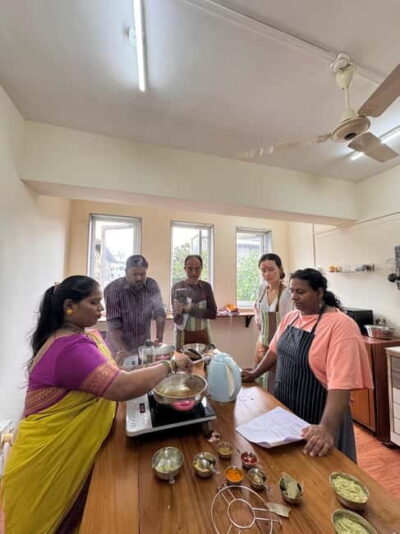
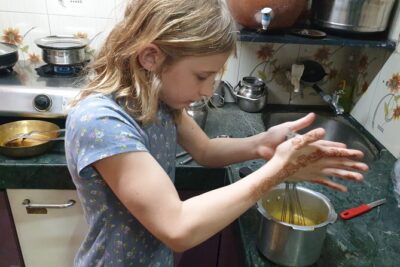
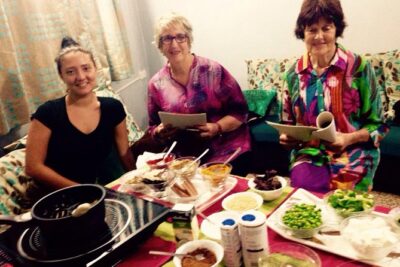
Private Market Tour and Vegetarian Cooking Class in Mumbai
Read our review →
Mumbai Market Tour & Maharashtrian Cooking Class with Chef Reshma
Read our review →
Authentic Indian Cooking Class in Mumbai in a Local Home
Read our review →
Private Market Tour and Vegan Indian Cooking Demo in Andheri West Mumbai
Read our review →Browse the lists this tour appears in