
Reviewed · MUMBAI COOKING CLASSES
Mumbai: Indian Cooking Class & Cultural Delights
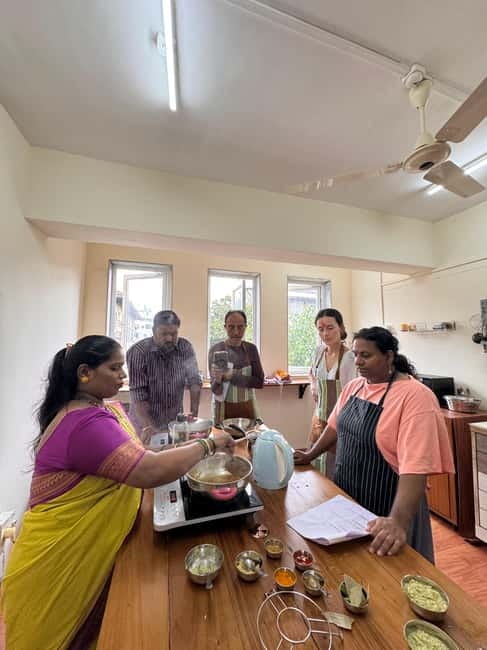
Mumbai’s best food lesson may happen away from a restaurant table. This three-hour class brings you into the world of Maharashtrian home cooking, with a market visit, a local cook, and a shared meal made by your own hands.
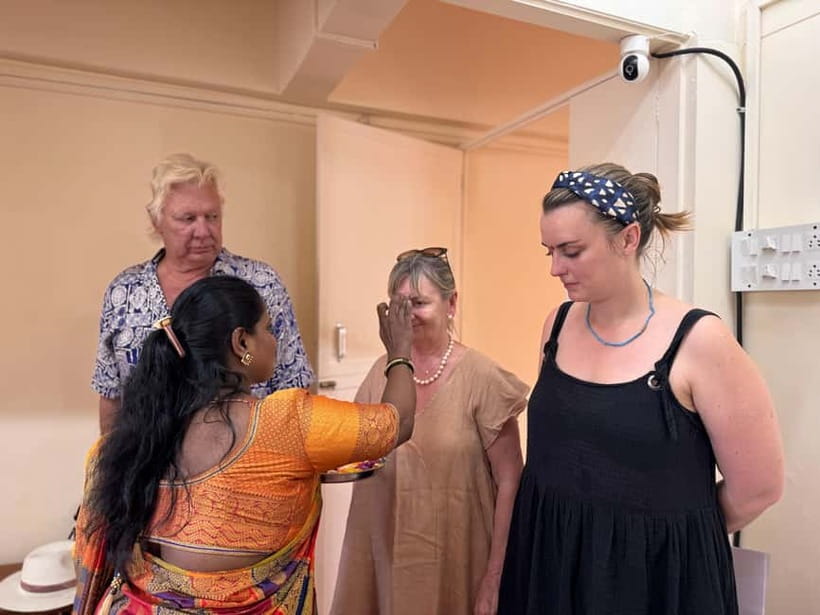
I like the small groups, limited to six, and the way the class lets you cook each dish instead of simply watching a demonstration. I also like the cultural touches, from a welcoming ritual and local chai to food history, market customs, and occasional henna.
The main consideration is transport. You must make your own way to the meeting point at Star Anise patisserie, and personal expenses are not included. The class is friendly to beginners, but it suits you best if you enjoy active participation rather than a passive food tour.
Key points at a glance
- A real cooking lesson: Watch a demonstration, then prepare the dishes yourself at your own station.
- A local market visit: See the ingredients and produce used in the class, with explanations about Indian food.
- Maharashtrian focus: Learn traditional dishes, chapati, paratha, spice methods, and home-cooking habits.
- A small, social setting: With no more than six participants, it is easy to ask questions and get help.
- A meal at the end: Sit down together and eat the multi-course lunch you have prepared.
- More than recipes: Dinesh adds local history and cultural context, while the cook shows how the food is made at home.
Why this Mumbai cooking class feels personal
Mumbai has no shortage of food tours, but this experience puts you in the kitchen rather than keeping you on the pavement. You meet a local guide, see some of the ingredients in a market, and then work with a home cook to turn those ingredients into lunch.
That home setting matters. Indian food can look complicated when you see a long list of spices, flatbreads, vegetables, and sauces. In class, the process is broken into manageable steps. The cook demonstrates each recipe, explains the method, and then lets you repeat it.
I would not book this expecting a polished restaurant workshop with a chef performing for an audience. The appeal is warmer and more informal. You are there to ask questions, make food, and learn the habits that give Indian cooking its flavor.
The class is conducted in English. Dinesh has guided many of the sessions, while Trupti is one of the cooks who has taught the recipes. The combination works well: the cook handles the practical work, and the guide helps explain the food, the city, and the cultural background.
More cooking classes in Mumbai
- Indian Curry 5-Hour Cooking Classes In Mumbai
★ 5.0 · 22 reviews - Private Cooking Class in Mumbai
★ 5.0 · 15 reviews - Private Market Tour and Vegetarian Cooking Class in Mumbai
★ 4.5 · 15 reviews
The market visit gives the recipes a setting
The market portion helps you understand that Indian cooking begins long before the pan reaches the stove. You can see the fresh ingredients, ask about produce, and connect what you are looking at with the dishes you will later prepare.
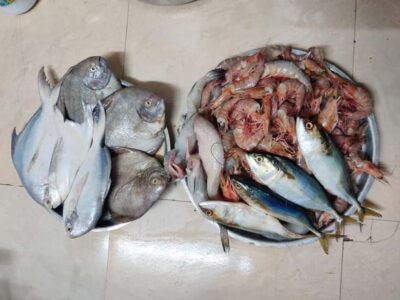
Several parts of the experience point to a local vegetable market, and some sessions have also included a walk through a fish market. The exact order can vary. In some schedules, you visit the market first and then go to the kitchen. In others, the market visit comes later.
That flexibility is worth knowing. The market is not a long sightseeing tour with a fixed list of stops. It is a practical introduction to the food. You might look at fresh fruit, vegetables, spices, or other ingredients and hear how they fit into daily cooking in Mumbai.
Dinesh also uses the walk to discuss food and local history. One particularly useful thread is the story of colonial Bombay, which helps place today’s cooking within the city’s wider past. This gives the market visit more purpose than simply taking photographs of stalls.
You should expect a working market, not a quiet museum. If you like seeing ordinary shopping and food preparation, this is a strong part of the experience. If you want a long, detailed market tour, the short visit may feel limited.
Demonstration first, cooking second
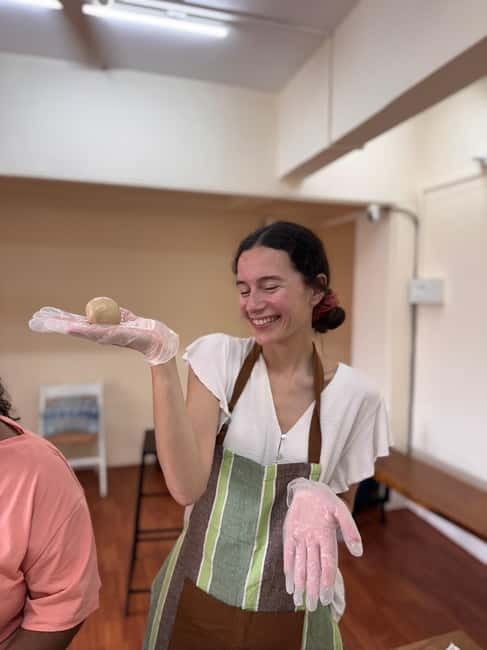
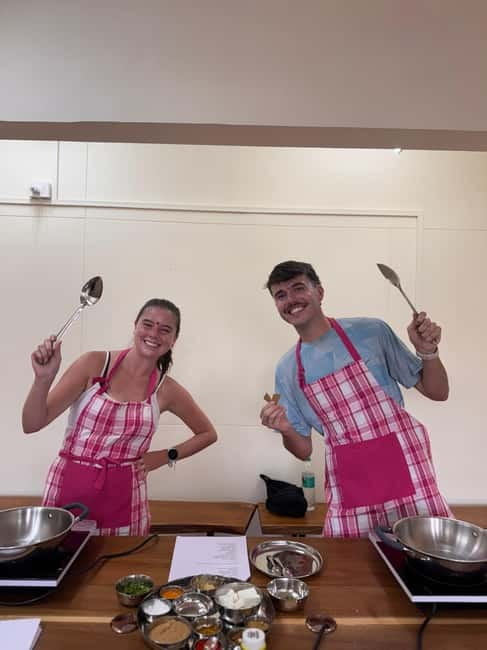
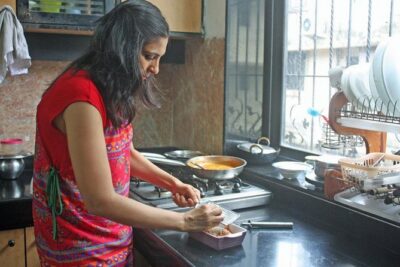
The heart of the activity is hands-on. The cook shows you how each dish is made, often one recipe at a time, while Dinesh explains what is happening. Then you take over and prepare the food yourself.
This format is especially helpful for beginners. You do not need to arrive with knife skills or an understanding of Indian spice blends. The instruction is patient, and the small group makes it possible to ask for help without calling across a large classroom.
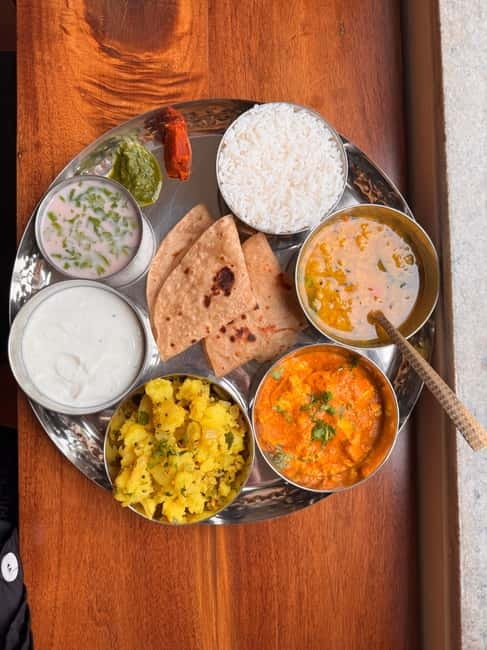
You may prepare around five dishes, although the precise menu can change. Previous classes have included a range of traditional Indian dishes and a complete thali-style meal. Chapati and paratha have also been added when participants specifically wanted to learn flatbread techniques.
That is a useful detail for anyone who wants practical skills to take home. Sauces and vegetable dishes are one thing. Rolling, shaping, and cooking chapati or paratha is a different sort of lesson, and having the cook correct your technique can save plenty of trial and error later.
The class also challenges some common ideas about Indian cooking. You may expect heavy cream, oil, or complicated methods, but the instruction shows how strong flavors can come from careful use of spices and simple cooking steps. The result is food that feels substantial without relying on richness.
There are reportedly four cooking stations in the kitchen, which gives the class a comfortable working rhythm. You are not simply standing behind someone else while they handle everything. You get a real chance to participate.
The meal is part of the lesson
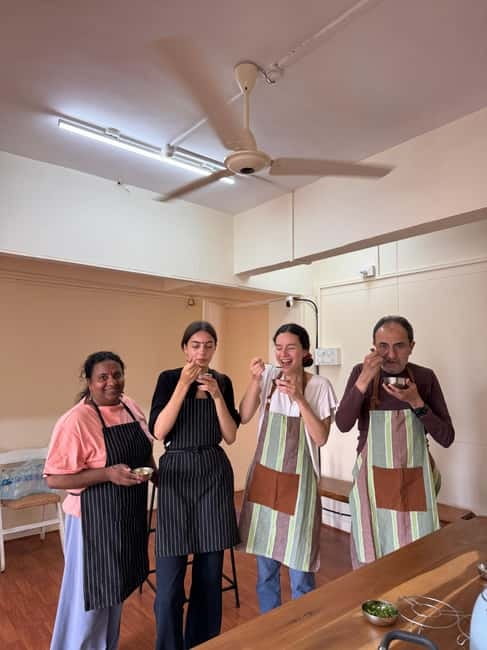
At the end, everyone sits down to eat the food prepared during the class. This is not an afterthought. It is the moment when you see how the separate dishes work together as a meal.
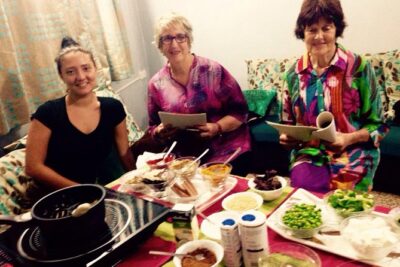
You may be served a thali-style spread, with several dishes, flatbread, and other items prepared during the session. The food is designed to be enjoyed communally, and the shared table helps turn a cooking lesson into a social occasion.
I like this structure because it rewards the work without making the meal feel disconnected from the class. You remember the dish more clearly when you have chopped, stirred, seasoned, and cooked it yourself.
The food is also a useful test of the teaching. If you are a beginner, you may be surprised by how good the results can be after only a few hours. The class is not promising that you will become an expert cook in one morning, but it gives you methods and recipes you can repeat at home.
Recipe sheets are provided, giving you something practical to take away. That improves the value of the experience. You are not left with only photographs and a pleasant memory. You have a guide for trying the dishes again in your own kitchen.
A completely different side of the city:
- Dharavi slum tour in Mumbai by Female tour guides of the slum
★ 5.0 · 1,976 reviews - Mumbai: Full-Day Sightseeing Tour of Mumbai
★ 4.9 · 1,822 reviews - Private Mumbai Sightseeing Tour (Traveller’s Choice Award Winner)
★ 5.0 · 1,565 reviews - Group Guided Walking Tour in Fort and Colaba
★ 5.0 · 1,073 reviews
Cultural details that add warmth
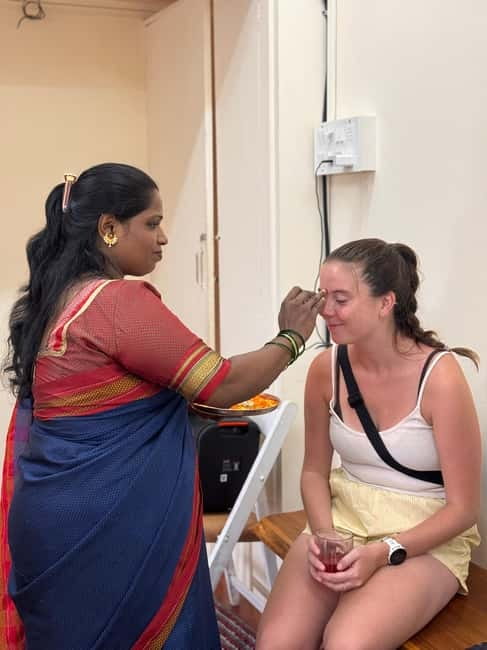
The cooking is the main event, but small cultural activities give the session a wider sense of place. A traditional welcome ritual has been part of some classes, helping you settle into the home-style setting from the start.
Local chai may also be served during the experience. Breaks can give you time to look through cookbooks, talk with the team, or ask questions that do not fit neatly into the recipe demonstration.
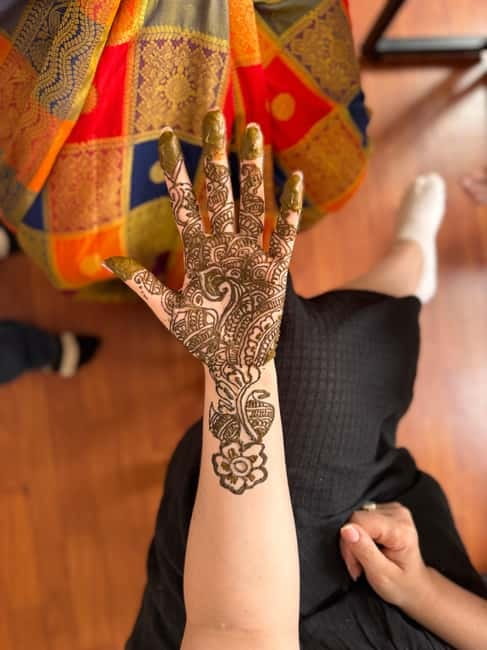
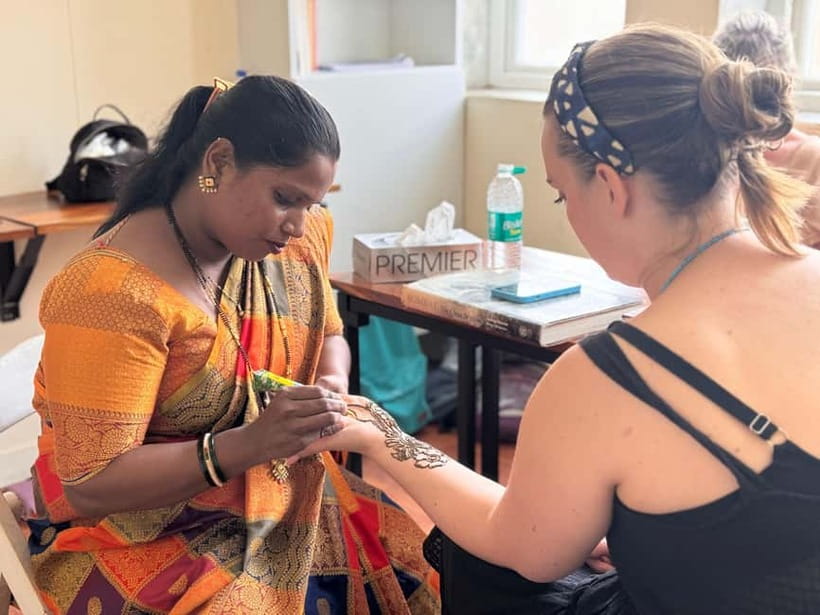
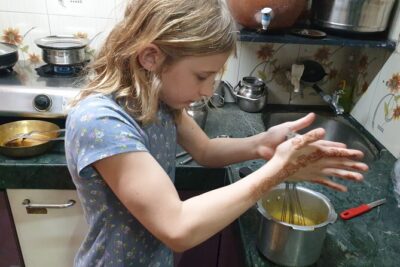
Henna has been included in some sessions as well. It is not listed as a guaranteed part of every booking, so you should treat it as a possible extra rather than a promised feature. When available, it adds a relaxed, hands-on cultural touch after the cooking.
The guide also discusses food history and the local area. That context is useful because it explains why the meal is prepared in a particular way instead of presenting recipes as isolated instructions.
The best part is the tone. This is intended to feel like being welcomed into a home, not processed through a large commercial kitchen. The cooking team is described as warm and encouraging, and the humor keeps the instruction from becoming formal.
Small groups make a real difference
The maximum group size is six, and that is one of the strongest practical features. You can see the demonstration clearly, ask questions as you go, and get direct help with unfamiliar techniques.
Small groups also make the shared meal more comfortable. You have time to talk with the other participants, compare your cooking attempts, and enjoy lunch with the team.
The class can sometimes be even smaller. A few sessions have been one-on-one, giving the participant unusually close instruction. You should not assume that this will happen, but the limited group size gives the experience room to feel personal.
This setup is a good match for couples, solo visitors, and families or friends who want a social activity. It is also suitable for people who usually avoid cooking classes because they are worried about being judged. The teaching style is patient, and the class is built for people with mixed abilities.
The only downside is that a small class can feel more intimate than some people expect. If you prefer to remain anonymous in a large group, this is not that kind of activity. You will be involved and likely asked to take part.
What the three hours are worth
At $27 per person, this is good value for an activity that combines a market visit, cultural interpretation, instruction, ingredients, cooking, and lunch. You are not paying only for a meal. You are paying for access to a local kitchen and for the chance to learn a set of dishes from someone who cooks them in a home-style tradition.
The price is particularly fair if you plan to use the recipes afterward. A restaurant meal in Mumbai may be cheaper, but it will not teach you how the food was made or give you a recipe sheet to take home.
Transportation to and from the location is not included, and you must meet at the entrance of Star Anise patisserie. Build that into your budget and allow enough time to find the meeting point. Personal expenses are also your responsibility.
The three-hour length is long enough to make several dishes without taking over your whole day. You can fit it into a Mumbai sightseeing plan, but it is not a rushed stop. Cooking requires attention, especially if you want to learn rather than simply help for a few minutes.
Free cancellation is available up to 24 hours before the start for a full refund. You can also reserve now and pay later, which is useful if you are still arranging your Mumbai schedule.
Who should book this experience
I would choose this class if you want food to be your way into local culture. You will get more than a list of ingredients. You will see how the market connects to the kitchen, how a home cook builds flavor, and how a meal is shared.
It is a particularly good choice for:
- First-time visitors who want a friendly introduction to Maharashtrian food
- People with little or no cooking experience
- Confident home cooks who want to learn Indian methods
- Couples and solo visitors who enjoy small-group activities
- Anyone interested in chapati, paratha, spice use, or thali-style meals
- People who want a cultural activity that is active rather than mainly sightseeing
I would think twice if you dislike cooking, have a very tight schedule, or want a formal restaurant-style class. You will be expected to participate, and the experience works best when you are willing to chop, stir, shape, taste, and ask questions.
The wheelchair-accessible setting is an important practical advantage, though you should still confirm any personal access needs when booking. The activity is offered in English, and the group size is limited to six.
Practical tips for getting the most from class
Arrive ready to work. Comfortable clothing and a willingness to handle ingredients will serve you better than dressing for a sightseeing tour.
Ask about the dishes as they are being prepared. You can learn a great deal by asking when to add a spice, how to judge texture, or what can be changed at home.
If chapati or paratha interests you, mention it early. The cooking team has added these lessons when participants were especially keen to learn them, but it is better to state your interest at the beginning.
Keep space in your day for the meal. The point is not to rush through the final sitting. Lunch is where you taste the balance of the dishes and talk with the group.
Also, remember that the market visit may appear before or after the kitchen session. Treat it as part of the whole experience rather than planning your day around a fixed sequence.
Should you book the Mumbai cooking class?
Book it if you want a practical, welcoming way to understand Mumbai through food. The combination of a local market, a home cook, Dinesh’s explanations, hands-on preparation, and a shared lunch gives you a strong three-hour introduction to Maharashtrian cooking.
The class earns its price through participation and personal instruction. It is not the right pick for someone who wants only to watch, but beginners are fully welcome and the small group makes learning comfortable.
For most food-loving visitors, I would put this high on a Mumbai activity list. You leave with a full meal, several recipes, new cooking skills, and a better sense of how daily food connects with local life.
FAQ
How long does the Mumbai cooking class last?
The activity lasts three hours.
What language is the class conducted in?
The live guide and activity are offered in English.
Where is the meeting point?
Meet at the entrance of Star Anise patisserie.
Is a market visit included?
Yes. The experience includes a local market visit, where you can see ingredients and learn more about Indian food and daily cooking.
Do I need cooking experience?
No. The class is suitable for beginners, and the cook demonstrates each recipe before you prepare it yourself.
What is included in the price?
The price includes the Maharashtrian cooking class, market visit, cultural activities, and preparation of a multi-course meal. Transportation and personal expenses are not included.
More Workshops in Mumbai
- Dharavi Tour & Pottery Workshop
★ 5.0 · 58 reviews - Mumbai Market Tour & Maharashtrian Cooking Class with Chef Reshma
★ 4.5 · 10 reviews - Private Half-Day Mumbai Cooking Class
★ 5.0 · 7 reviews - Authentic Indian Cooking Class in Mumbai in a Local Home
★ 5.0 · 7 reviews
Recently added around Mumbai
- Private Walking Tour in Dharavi Slums★ 5.0 · 7 reviews
- Mumbai Sightseeing Tour★ 5.0 · 11 reviews
- Private Mumbai 2-Day Tour Package:City + Slum & Elephanta Island.★ 5.0 · 3 reviews
- Vegetarian Indian Cuisine Virtual Cooking Class Experience from Mumbai★ 5.0 · 4 reviews
- Mumbai by Night Guided Tour★ 5.0 · 6 reviews
- Transfer from Mumbai Airport to Hotel★ 4.0 · 7 reviews
- Full-Day Agra Tour with Taj Mahal From Mumbai By Air★ 5.0 · 8 reviews
- Taj Mahal Day Trip Including Same Day Flights from Mumbai★ 5.0 · 3 reviews
Mumbai Cooking Classes, compared.
Private Market Tour and Vegetarian Cooking Class in Mumbai
Read our review →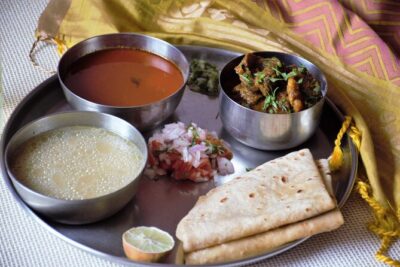
Mumbai Market Tour & Maharashtrian Cooking Class with Chef Reshma
Read our review →
Authentic Indian Cooking Class in Mumbai in a Local Home
Read our review →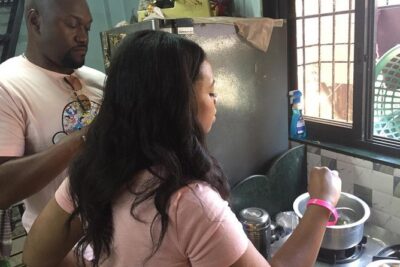
Mumbai Coastal Cooking: From Fishing Net to Flavourful Plate
Read our review →
Private Market Tour and Vegan Indian Cooking Demo in Andheri West Mumbai
Read our review →Browse the lists this tour appears in