
Reviewed · DABBAWALA TIFFIN TOURS
Local Transport & Dabbawallah Tour
Mumbai makes the most sense when you stop looking at it through a tour-bus window. This three-and-a-half-hour journey by train, bus, and taxi puts you close to the city’s daily rhythm, from the sea of commuters at CST to the careful handwork at Dhobi Ghat. I especially like the flower stop and the chance to see how dabbawallas organize thousands of lunches.
The other strength is practical: your guide helps you handle local transport, and fares are included. Guides named in past bookings include Bipin Kumar, who is praised for his patience and care. The main drawback is that this is a real public-transport outing, not a polished sightseeing circuit. Crowds, waiting, split taxi groups, and a shorter visit on public holidays can all affect the pace.
Key points at a glance
- See Mumbai at work: Watch commuters, washermen, flower sellers, market traders, and lunchbox carriers going about their jobs.
- Use several kinds of transport: The tour includes local train, bus, and taxi rides, with fares covered.
- Visit Dhobi Ghat: See sheets and clothing washed in one of the city’s best-known working sites.
- Explore more than monuments: Chor Bazaar and the flower stall offer a look at shopping, worship, and household life.
- Finish near Churchgate: The end point gives you easy access to other parts of Mumbai.
- Expect a small to medium group: The maximum group size is 25 people, with discounts available for groups.
Why this tour gives you a useful first look at Mumbai

Mumbai is not just a collection of grand buildings and famous film locations. It is a city held together by trains, lunchboxes, laundry, taxis, markets, and people who know how to work within tight spaces. This outing gives you a look at those systems without asking you to work them out alone on your first morning.
You meet at 8:30 am outside Regal Cinema on Colaba Causeway, opposite the Chhatrapati Shivaji Maharaj Vastu Sangrahalaya. From there, the route moves north through South Mumbai and nearby districts before ending at Churchgate Railway Station around midday.
I like the design of the route. It links major sights with places you might not think to visit on your own. You get CST, a UNESCO-listed railway station, but you also see a flower stall, an open-air laundry, and a flea market. The result feels less like checking off monuments and more like learning how the city functions.
You should know what kind of morning you are buying. This is not a slow walk with long stops and plenty of time for photographs. Some visits last only 10 or 15 minutes, and the group must keep moving to catch transport. It suits you best if you enjoy observation, local contact, and a little uncertainty.
More dabbawala tours in Mumbai
- Private Combo Tours Sightseeing + Dharavi Slum + Dhobi Ghat & Dabbawalas
★ 5.0 · 245 reviews - Dabbawala, Dhobi Ghat & Dharavi slum Tour with Local Train Ride
★ 5.0 · 102 reviews - Mumbai Gems: 2-Day Private Tour with Elephanta, Slum & Dabbawala
★ 5.0 · 63 reviews
Starting at Regal Cinema and entering the morning rush
Regal Cinema is an easy meeting point in Colaba, close to the waterfront and major museums. The theater is one of Mumbai’s old movie houses, so even the starting place gives you a small piece of the city’s cultural life before the transport begins.
The first major sight is Chhatrapati Shivaji Terminus, usually called CST. You stop for about 10 minutes to view the station during the morning rush. This is a powerful introduction to Mumbai because the building is both a grand Victorian-era landmark and a working railway station used by huge numbers of people each day.
You may recognize CST from the final song in Slumdog Millionaire. The film connection is fun, but the station matters more as a living part of Mumbai. Your guide helps you watch the flow of people from a safe position rather than placing you in the middle of the crush.
The short stop is enough for a look, not a full architectural visit. If you want detailed interiors, long photo sessions, or a quiet study of the stonework, you would need to return on your own. Here, the point is to see the station in use.
Flowers, worship, and the Shyam Stall
The stop at the Shyam Stall lasts about 15 minutes. Flowers have a daily role in Indian life, used in temples, taxis, homes, women’s hair, and religious offerings. Seeing many varieties gathered in one place helps explain a part of Mumbai that a standard monument tour often misses.
This is a good photographic stop, but it is also a sensory one. You see how flowers move through the city as practical goods rather than simply as decoration. Your guide can connect the stall to worship and ordinary routines, making the visit more meaningful than a quick market photo.
The itinerary also describes the area as the Dadar Flower Market. The supplied stop name is Shyam Stall, so confirm the exact meeting details with your operator if you need to find the place independently later.
Do not expect a long shopping session here. Fifteen minutes goes quickly, and the visit is designed to show you the trade rather than give you time to browse every stall. It works best as a brief window into local commerce.
Dhobi Ghat, where laundry becomes a city system
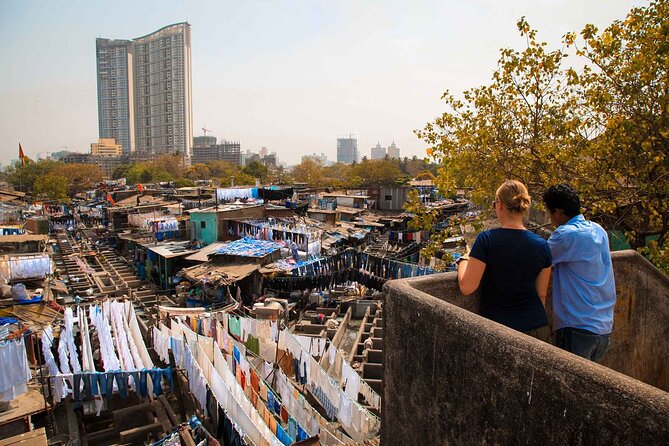
Dhobi Ghat is the longest stop, with about 30 minutes to watch the dhobiwallahs, or washermen, at work. Laundry is handled outdoors in a large working area, including sheets from Mumbai hospitals and hotels. This is one of the clearest examples of the tour’s purpose: showing you a service that supports the city but rarely appears on a normal sightseeing route.
From the viewing area, you can watch the repeated work of sorting, scrubbing, rinsing, and drying. The attraction is not a staged performance. It is an active workplace, so your guide’s explanation matters. You learn how the laundry operation fits into the wider city and why this kind of specialist work continues to matter.
The stop also calls for respectful behavior. You are looking at people doing their jobs, not actors performing for a crowd. Keep your camera use considerate and follow your guide’s instructions about where to stand.
Thirty minutes is a fair amount of time for this visit. It lets you take in the scale of the operation without making the morning feel stuck in one place. If you want polished displays or an indoor museum, this may feel rough around the edges. If you want to see working Mumbai, it is one of the strongest parts of the route.
A completely different side of the city:
- Dharavi slum tour in Mumbai by Female tour guides of the slum
★ 5.0 · 1,976 reviews - Mumbai: Full-Day Sightseeing Tour of Mumbai
★ 4.9 · 1,822 reviews - Private Mumbai Sightseeing Tour (Traveller’s Choice Award Winner)
★ 5.0 · 1,565 reviews - Group Guided Walking Tour in Fort and Colaba
★ 5.0 · 1,073 reviews
Chor Bazaar and the pleasure of an unscripted market
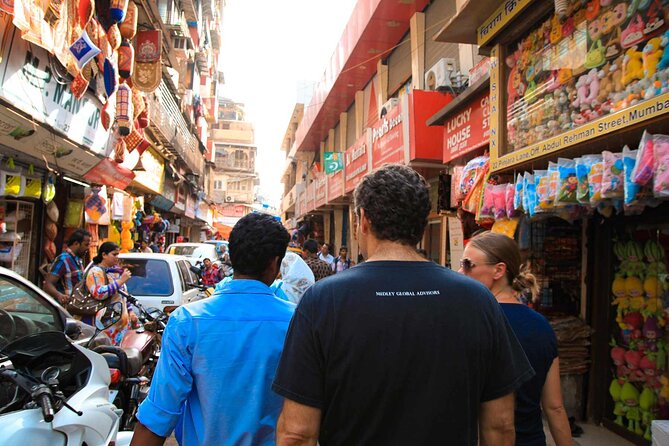
The next stop is Chor Bazaar, known as the Thieves Market. The name gives it a mischievous reputation, but the practical appeal is its sheer range of goods. You have about 30 minutes to look around, taste local sweets, and possibly buy homemade pickles or chutneys.
This is a place where the guide’s judgment helps. A market can be confusing when you arrive without context, especially when you have limited time. You can focus on what catches your eye while your guide explains the setting and helps keep the group moving.
The stop is less about finding one essential souvenir and more about seeing another working side of Mumbai. Markets reveal what people buy, sell, repair, and carry home. You might find the selection appealing, but purchases are not required and the tour does not promise a particular product.
Keep your expectations sensible. Thirty minutes is enough for a taste of the market, not an exhaustive shopping trip. If shopping is your main goal, return later with more time. During the tour, treat Chor Bazaar as a quick look at local trade.
Churchgate and the dabbawalla system
The final major stop is Churchgate Railway Station, where you see the famous dabbawallas. These lunchbox carriers collect and deliver home-cooked meals across Mumbai each day. The route explains how around 200,000 lunchboxes are organized and delivered, a feat that depends on careful sorting, timing, and railway connections.
This is the part that gives the tour its name and its clearest lesson in city logistics. You are not just seeing a railway station. You are watching a delivery network built around ordinary food and the working day.
After seeing the dabbawallas, you enjoy your own vegetarian dabbawalla lunch near Oval Maidan. That detail makes the ending more personal. You are not only hearing about the lunchbox system, you are using a small part of it.
The visit can be affected by the calendar. On Republic Day, January 26, the dabbawallas were not operating, and the experience was shortened. If this feature is the main reason you are booking, check the date and ask the operator if the normal service will be running.
The tour ends at Churchgate, not back at Regal Cinema. I see this as a practical advantage if you want to continue around Mumbai, since the station offers access to other parts of the city. It is less convenient if your hotel is back in Colaba, though a guide may help you arrange a taxi.
What riding public transport is really like
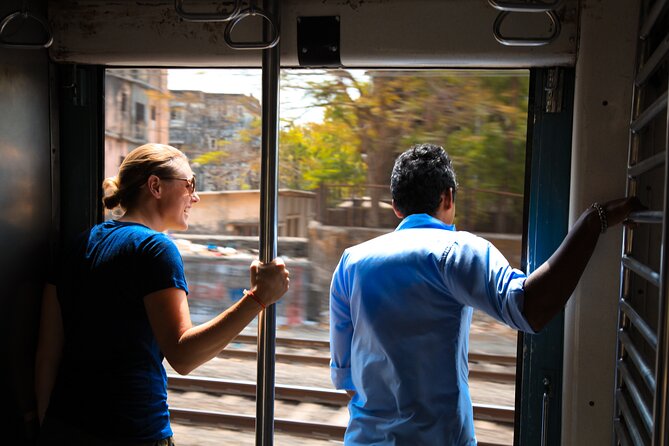
The transport is central to the experience, not simply a way to move between sights. You use a combination of train, bus, and taxi, with the guide leading the way. Fares are included, so you do not need to search for change at each stage.
That arrangement is useful on a first visit. The guide can show you how to approach the system and help you build confidence for the rest of your stay. One participant described feeling ready to take a train independently afterward, which is a real benefit if you plan to spend several days in Mumbai.
There can be moments of mild stress. If a taxi must be split into two vehicles, the guide cannot sit with both groups at once. That situation was handled successfully, but it can feel unsettling if you are not used to the city. Stay with your assigned group, note the destination, and follow the guide’s instructions.
The morning rush is part of the lesson. At CST, you may see trains arrive and release a huge flow of people. The group watches from a walkway or other safe position rather than trying to force its way into the crowd. This is one reason the guide matters.
Guide quality and group size
The experience allows up to 25 people. That is not an intimate private tour, but it is still manageable for a route that uses public transport. A larger group may take longer to board vehicles and regroup at stops, so patience helps.
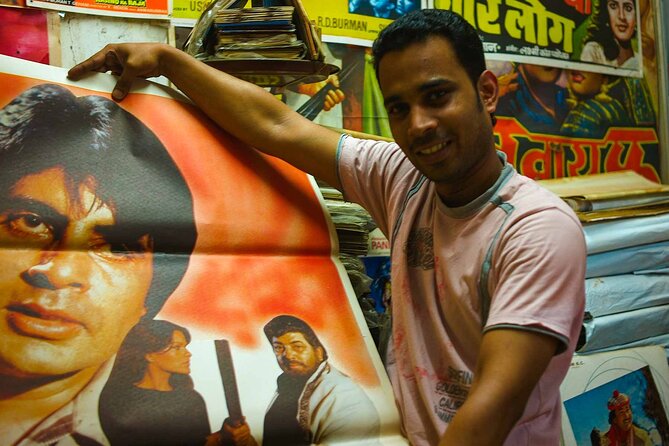
Guide quality can shape the whole morning. Bipin Kumar is the name most closely associated with the positive experiences supplied here. He is described as patient, caring, informative, and willing to help with practical needs. Other guide names or spellings may vary, so do not assume Bipin will lead every departure.
Good guiding matters more here than on a simple walking tour. The guide has to explain unfamiliar systems, keep the group together, judge when to move, and help you feel secure on public transport. The strongest part of the experience is not only the list of stops. It is having someone translate the city as you move through it.
There was also one serious operational complaint involving a missed pickup. That appears to be an isolated problem among otherwise strong feedback, but it is worth taking seriously. Arrive at the meeting point early, keep your phone available, and contact the operator promptly if the guide is not there at the stated time.
Is the $32.45 price good value?
At $32.45 per person, this is a strong value if you want transport, a local guide, bottled water or a cold drink, and a vegetarian lunchbox experience in one morning. You are also paying for help with several forms of public transport, which can save time and reduce uncertainty.
The price makes more sense when you compare it with what would be difficult to arrange alone in a three-and-a-half-hour window. You would need to plan the route, pay each fare, identify the right stops, understand the timing, and decide how to visit working sites respectfully. The tour handles those pieces for you.
Still, value depends on your style. If you prefer private cars, long photo stops, luxury comforts, or a flexible schedule, this will feel basic. If you want local movement and working city life, the fare is modest.
Group discounts may improve the price for larger bookings. The tour also includes mobile ticketing and confirmation at booking, which makes it easy to keep the details on your phone.
Who should book this morning?
I would choose this tour early in a Mumbai stay, especially if you are nervous about using trains or buses. It gives you a working map of the city and may make later independent journeys less intimidating.
It is a good fit for:
- First-time visitors who want practical orientation
- People curious about Mumbai’s transport and delivery systems
- Visitors who prefer local life to a string of monuments
- Couples, friends, and families comfortable with a moving group
- Anyone interested in photography, markets, laundry, flowers, or railways
It may not suit you if you need step-free, private, or highly controlled sightseeing. The activity is near public transport and says most people can participate, but it does not promise special accessibility arrangements. Public vehicles, crowds, and changing streets can be tiring.
Wear comfortable shoes, carry only what you need, and keep your morning flexible. The scheduled duration is about three hours and 30 minutes, but public transport can never be treated like a private car timetable.
Free cancellation is available up to 24 hours before the start time. Changes or cancellations inside that window are not accepted for a refund.
Should you book the Local Transport and Dabbawalla Tour?
Book it if you want to understand how Mumbai works rather than simply photograph it. The combination of CST, flowers, Dhobi Ghat, Chor Bazaar, and dabbawallas gives you a useful spread of the city’s daily systems, and the included transport makes the $32.45 price appealing.
Skip it if your priority is a relaxed, private sightseeing ride or a detailed visit inside every landmark. The pace is active, the group can reach 25 people, and the route depends on public transport.
For most first visits, I would take this near the beginning of a stay. It offers a practical introduction, a vegetarian lunchbox, and a chance to see Mumbai with help from a guide such as Bipin Kumar. Just confirm the meeting point, arrive early, and check that your date does not fall on a holiday when the dabbawalla visit may be shortened.
FAQ
Where does the tour start?
The tour starts at 8:30 am at Regal Cinema on Colaba Causeway, opposite the Chhatrapati Shivaji Maharaj Vastu Sangrahalaya in Apollo Bandar, Colaba.
Where does the tour end?
The tour ends at Churchgate Railway Station in Mumbai. This provides access to other areas of the city.
How long does the tour last?
The tour lasts approximately three hours and 30 minutes, beginning at 8:30 am and generally finishing around midday.
What transport is included?
The tour uses public train, bus, and taxi transport. All transportation fares are included in the price.
Is lunch included?
Yes. You receive a vegetarian dabbawalla lunch near Oval Maidan. Bottled water or a cold drink is also included.
How far in advance can I cancel?
You can cancel up to 24 hours before the local start time for a full refund. Cancellations and changes made less than 24 hours before the start are not accepted for a refund.
Recently added around Mumbai
- Private Walking Tour in Dharavi Slums★ 5.0 · 7 reviews
- Mumbai Sightseeing Tour★ 5.0 · 11 reviews
- Private Mumbai 2-Day Tour Package:City + Slum & Elephanta Island.★ 5.0 · 3 reviews
- Vegetarian Indian Cuisine Virtual Cooking Class Experience from Mumbai★ 5.0 · 4 reviews
- Mumbai by Night Guided Tour★ 5.0 · 6 reviews
- Transfer from Mumbai Airport to Hotel★ 4.0 · 7 reviews
- Full-Day Agra Tour with Taj Mahal From Mumbai By Air★ 5.0 · 8 reviews
- Taj Mahal Day Trip Including Same Day Flights from Mumbai★ 5.0 · 3 reviews
Dabbawala Tiffin Tours, compared.

Private Combo Tours Sightseeing + Dharavi Slum + Dhobi Ghat & Dabbawalas
Read our review →
Dabbawala, Dhobi Ghat & Dharavi slum Tour with Local Train Ride
Read our review →
Mumbai Gems: 2-Day Private Tour with Elephanta, Slum & Dabbawala
Read our review →
Mumbai Dharavi Slum, Dhobi Ghat & Dabbawala Lunchbox Tour
Read our review →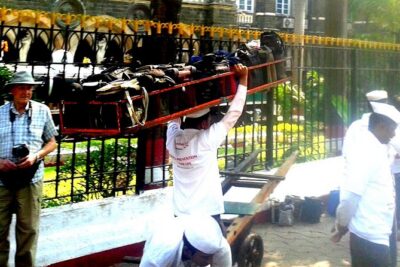
All in one Combo of City ,Slum,Dhobighat & Dabbawala tour
Read our review →
All In One Combo Tour of Mumbai City, Dabbawalas, Dhobhi Ghat, Slums & Bollywood
Read our review →
Private Dharavi Slum, Dabbawala & Dhobi Ghat tour with Transport
Read our review →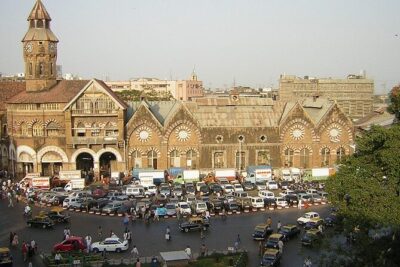
Private City Tour with Dharavi Slum Dhobighat and Dabbawalla
Read our review →Browse the lists this tour appears in