
Reviewed · MUMBAI DHARAVI SLUM TOURS
Dhobi Ghat Laundry and Dharavi Slum Tour with Local Train
Mumbai’s working heart comes into view on this compact tour: first at Dhobi Ghat, where hundreds of washers handle clothes by hand, then on a local train to Dharavi. You get more than a photo stop. You see the systems, labor, and small businesses that keep a huge city moving.
I like two things here. The train ride is not a staged tourist prop, and the walk is led by a local English-speaking guide who can explain what you are seeing in plain terms. If Abhi leads your group, expect a friendly guide who points out small details and speaks clearly.
The main consideration is the subject itself. Dharavi is a living community, not a theme park, so you must follow your guide’s lead, ask before taking photos, and accept that the three-hour schedule offers an introduction rather than a complete picture.
Key points at a glance
- Dhobi Ghat in 30 minutes: Watch the sorting, washing, drying, and ironing system from the viewing deck and nearby area.
- A real 10-minute local train ride: Use one of Mumbai’s everyday transport links instead of moving between sights in a private vehicle.
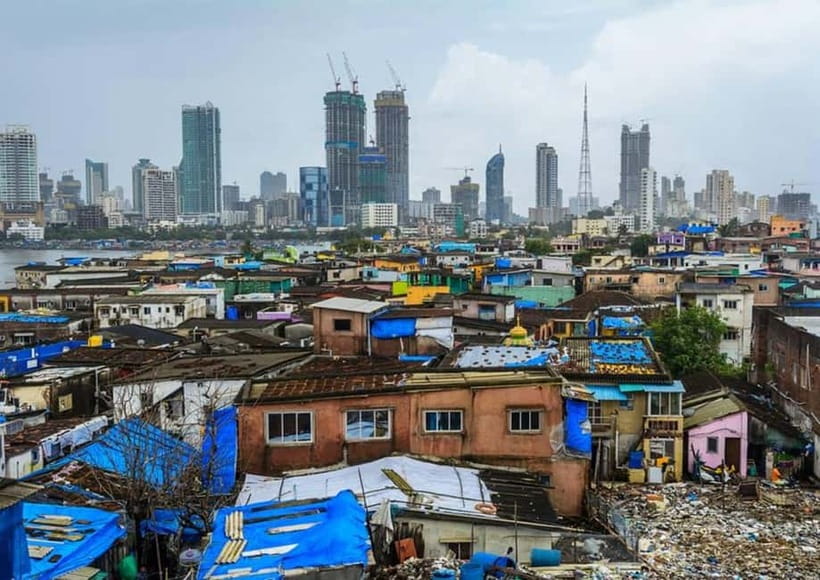
- Two hours inside Dharavi: Walk narrow lanes, workshops, street markets, and areas where many kinds of work take place.
- Local guidance matters: The English-speaking guide explains community life and helps you move safely through traffic and crowded streets.
- Good value at $13: Tickets, train fare, guide, and water are included, though food and drinks are not.
- A tour that asks for respect: You are visiting people’s homes and workplaces, so your behavior matters as much as your curiosity.
Why Dhobi Ghat is a strong opening
Begin at the Dhobi Ghat Viewing Deck. This gives you a useful first look before you walk closer and hear the guide explain how the laundry operation works.
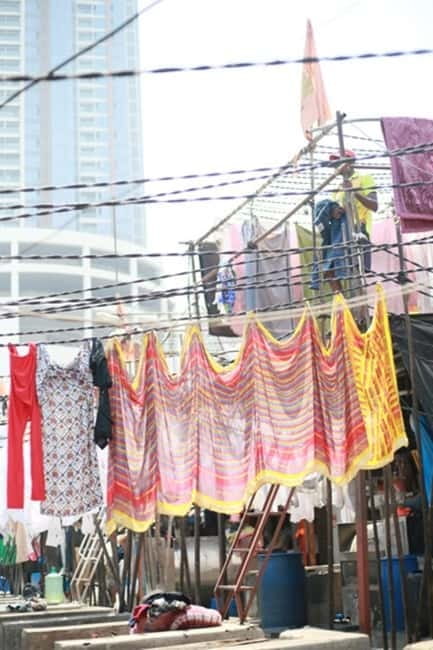
The sight is striking because the work is so physical and organized. Washers, known as dhobis, clean clothes in open-air concrete troughs, then dry and iron them as part of a system that keeps Mumbai’s laundry moving day and night. You will see labor rather than a polished museum display.
The 30-minute stop is short, but that is a benefit on a three-hour route. You get enough time to understand the process and take photographs without using up the hours needed for Dharavi. The guide can also explain how clothes are sorted and moved through the operation.
I would not expect an extended technical visit or a chance to take part in the washing. This is a viewing and explanation stop. Its value comes from seeing a working service close up and understanding how much coordination sits behind an ordinary clean shirt.
Bring your attention to the details. Look for the repeated movement of washing, drying, and ironing rather than treating the place as one large photo. A good guide will help you read the scene and connect the work to daily life in Mumbai.
More Dhobi Ghat tours in Mumbai
- Mumbai: Dhobi Ghat Laundry and Dharavi Slum Tour with Local
★ 5.0 · 469 reviews - Mumbai: Dharavi Slum and Dhobi Ghat Laundry Tour
★ 5.0 · 317 reviews - Private Combo Tours Sightseeing + Dharavi Slum + Dhobi Ghat & Dabbawalas
★ 5.0 · 245 reviews
The local train changes the pace
The train section takes about 10 minutes, but it gives the tour a different feel. You are not simply being transported from one attraction to the next. You are using a lifeline of Mumbai’s transport network while the city passes around you.
The ride can show you a slice of ordinary movement through the city, including markets, tall buildings, and older landmarks along the route. The short journey also creates a clean contrast: Dhobi Ghat shows a major urban service at close range, while the train shows how people move through the wider city.
This is one of the tour’s best choices. A car ride might be easier, but it would remove the point of contact with Mumbai’s public life. The train ride is brief, so do not expect a long scenic railway trip. Its purpose is practical and local.
You should be ready to follow instructions closely. The tour includes the local train ride and travel fees, but the supplied details do not promise reserved seats, a private carriage, or a quiet ride. Treat the train as public transport, not as a sightseeing vehicle built for comfort.
Two hours walking through Dharavi

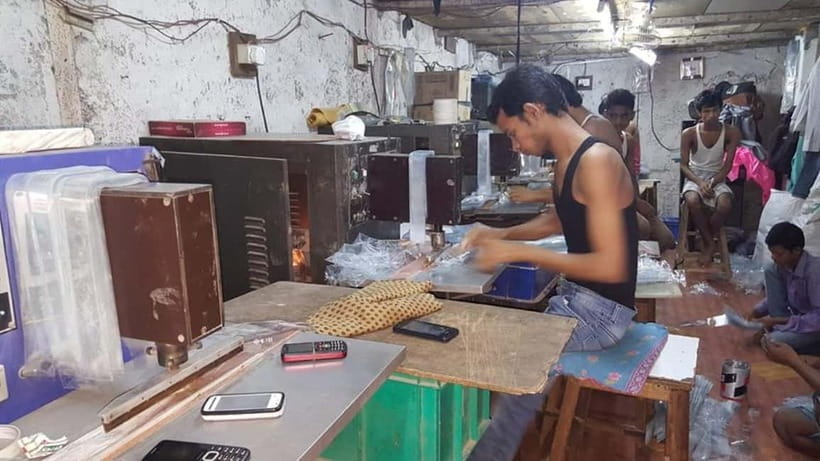
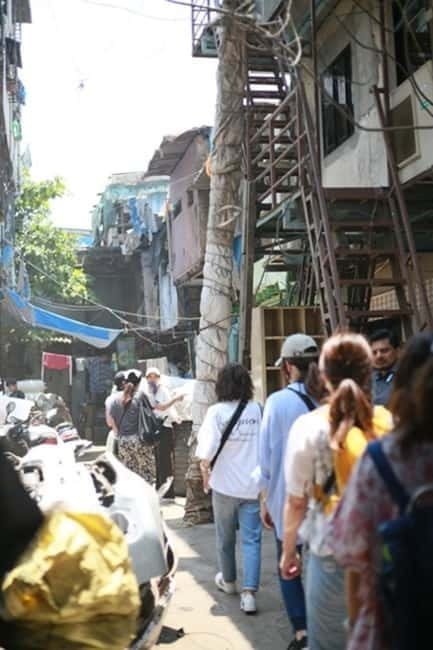
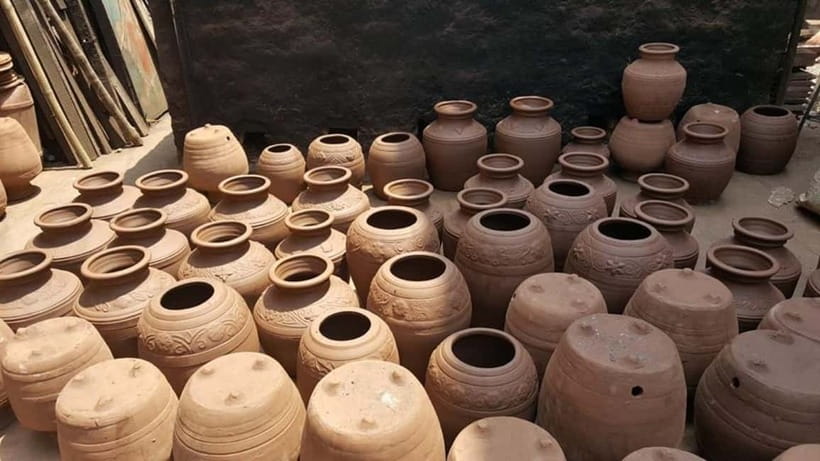
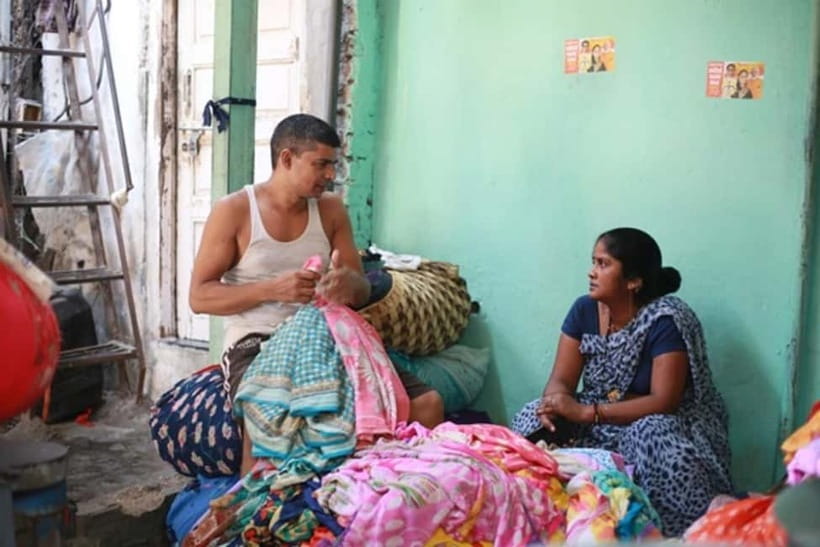
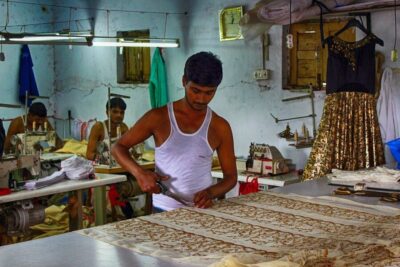
The main part of the experience is a two-hour guided walk in Dharavi. The route includes narrow alleyways, workshops, street markets, and areas where local businesses operate.
A guide gives these streets context. Without one, you might see only tight lanes and crowded activity. With explanations, you can begin to understand how homes, workspaces, shops, and small industries fit together in a dense community.
The tour description emphasizes Dharavi’s resilience, creativity, and business activity. That matters because the area is often reduced to one label. A good visit should show more than hardship. It should also explain how people earn money, build businesses, and maintain daily routines in a place with limited space.
The walking route is also the part that asks most of you. Dharavi is a residential and working neighborhood. People are not performing for an audience, and the narrow lanes can make a camera feel intrusive. Keep your group together, listen to the guide, and avoid photographing people unless you have permission.
The walking time is generous enough for a proper introduction, but not enough to understand every side of the community. You may see a selection of workshops and markets rather than a full survey of Dharavi’s economy. That is not a flaw if you book it with the right expectations.
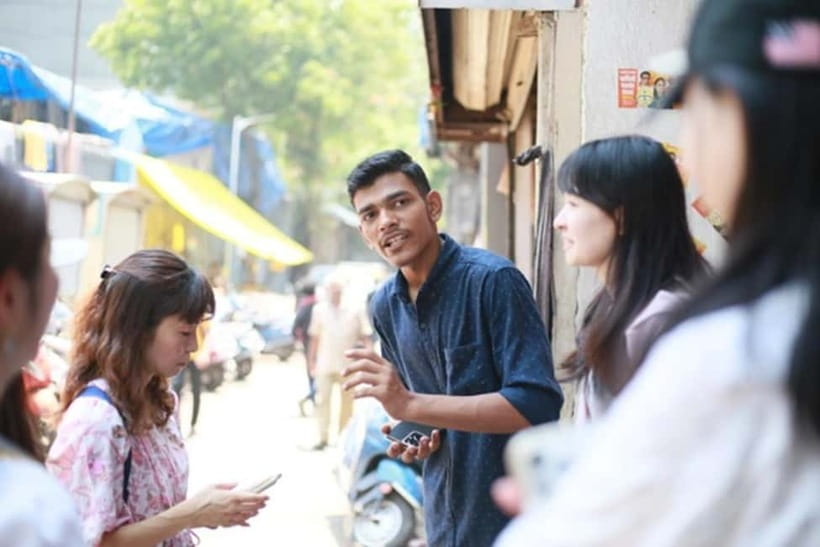
One guide, Abhi, is specifically praised for being friendly, clear, and good at pointing out details that are easy to miss. The important point is not just his personality. Local guidance can help you meet the place with less awkwardness and more care. The guide also watches the group around heavy traffic, which is useful in a busy city.
What the experience gets right
The strongest feature is the connection between three parts of Mumbai life: laundry work, public transport, and neighborhood enterprise. Each stop adds something different.
At Dhobi Ghat, you see a service built on manual labor and routine. On the train, you share a basic part of the city’s transport system. In Dharavi, you see homes and businesses operating side by side. The route is short, but the ideas connect.
I also like that the tour does not rely only on a viewing platform. The walking portion gives you a chance to hear explanations on the ground and ask questions. The guides have been praised for clear English, including by a French-speaking participant who found the communication easy to follow.
The safety support is another practical plus. A guide who watches for heavy traffic and keeps an eye on the group lets you focus on the surroundings. That does not remove the need for common sense, but it helps.
At the same time, this is not a luxury experience. You will spend much of the tour walking, using public transport, and moving through tight urban spaces. There is no food included, and the activity does not promise a seated break or an air-conditioned vehicle.
More Dharavi walking tours in Mumbai
- Dharavi slum tour in Mumbai by Female tour guides of the slum
★ 5.0 · 1,976 reviews - Mumbai: Dharavi Slum, DhobiGhat, and Dabbawallas Tour
★ 4.9 · 689 reviews - Dharavi Slum Tour
★ 5.0 · 625 reviews - Dharavi Slum tour in Mumbai by local resident
★ 5.0 · 572 reviews
Is $13 good value?
At $13 per person, this is inexpensive for a three-hour guided activity in Mumbai. The price includes an English-speaking guide, entry tickets, travel fees, the local train ride, and water. Food and drinks are extra.
The value comes from the combination, not from any single admission ticket. A basic view of Dhobi Ghat would not explain the work in much detail. A train trip alone would be easy to arrange but would give you little context. A walk through Dharavi without a local guide could leave you unsure about what you are seeing and how to behave.
Here, one short route links all three. You pay for explanation, organization, and access to a local perspective. That makes the price especially attractive if you want an introduction to working Mumbai rather than a day of major monuments.
The low price should not lead you to expect a private tour. The information provided does not specify group size, and you should check the available departure when booking. A larger group may feel less personal in narrow lanes, while a smaller group could make questions and movement easier.
You can also reserve now and pay later, and cancellation is free up to 24 hours before the activity for a full refund. Those terms help if your Mumbai schedule is still changing. Check the start time before committing, since availability determines the exact departure.
Who should book this Mumbai tour?
I would recommend it to first-time visitors who want to see how Mumbai works beyond its famous sights. It suits people interested in labor, transport, small businesses, and local neighborhoods.
It is also a good fit if you have only half a day available. Three hours gives you a focused look at several parts of the city without taking over your schedule. The finish at Sai Multispeciality Hospital and Research Centre gives you a clear endpoint for arranging your next stop.
You may like it if you enjoy walking tours and do not mind a little uncertainty in the flow of public transport. The local train is part of the experience, so flexibility is more useful than a demand for a perfectly controlled route.
I would think twice if you want a quiet, polished sightseeing trip. This tour is active, urban, and direct. It deals with real work and real homes, and the train and lanes may feel intense.
It is also not the right choice if you mainly want landmark photography. Dhobi Ghat offers strong visual material, but Dharavi should not be treated as a backdrop. Come ready to listen and learn, not just collect images.
Practical ways to get more from the three hours
Wear comfortable shoes because the Dharavi portion lasts about two hours on foot. The route includes narrow alleyways and working areas, so shoes suited to ordinary city walking are the sensible choice.
Carry only what you need. A small bag is easier to manage on the train and through tight lanes. Water is included, but food and other drinks are not, so plan around that.
Use the guide as your source of context. Ask about the laundry system, the types of work you see, and how the different areas function. The visit becomes much more useful when you connect individual workshops and streets to the wider city.
Be careful with photography. The supplied details do not set out a formal camera policy, so the safest approach is to ask before photographing people, homes, or workplaces. You can still remember the experience without making residents feel watched.
Listen for the difference between what you see and what you assume. A crowded lane does not tell you how a business operates. A workshop entrance does not explain who works there. The guide’s role is to add those missing pieces.
A respectful way to approach Dharavi
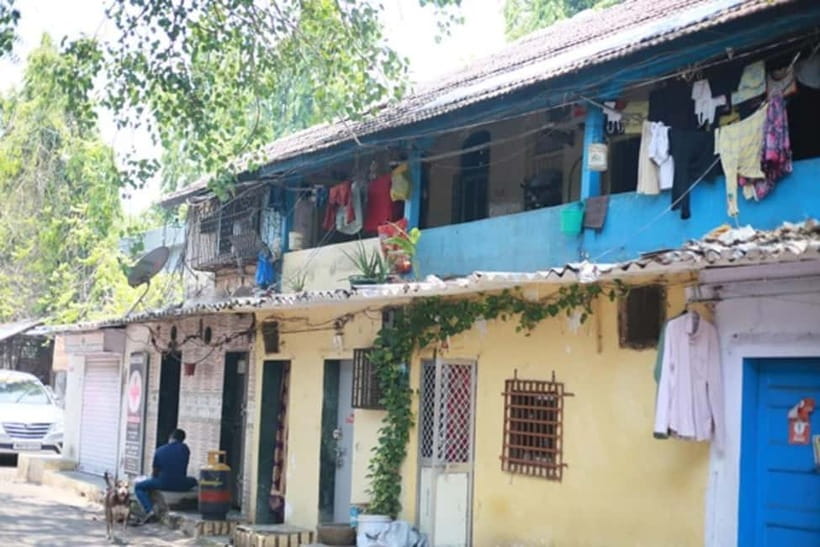
A community tour can challenge easy ideas about poverty, but it must not replace one stereotype with another. Dharavi contains work, family life, trade, movement, and pressure. Give each part room.
Do not use the word slum as a complete description of the people who live there. The tour uses that term because it is widely associated with the area, but your experience should include the economic and social life the guide explains.
Keep your voice low when appropriate. Do not block doorways or touch goods in workshops unless invited. If you buy something, do so because you want it, not because you feel pressured by the setting.
The most valuable souvenir may be a better understanding of how a city operates. That sounds less dramatic than a photograph, but it lasts longer and treats the community with more dignity.
Should you book it?
Book this tour if you want a short, affordable look at Mumbai’s working life, and if you are comfortable walking through a living neighborhood with a guide. The combination of Dhobi Ghat, a local train, and two hours in Dharavi gives you more range than a standard sightseeing stop.
The best reasons to choose it are the authentic train connection, the practical explanation at Dhobi Ghat, and the local guidance in Dharavi. The main caution is simple: this is not a comfortable sightseeing bubble, and respectful behavior is essential.
At $13, it is a strong-value introduction for curious visitors with limited time. Go with patience, sensible shoes, and an open mind, and the route can show you a side of Mumbai that major landmarks cannot.
FAQ
Where does the tour start?
The tour starts at the Dhobi Ghat Viewing Deck in Maharashtra, India.
Where does the tour finish?
The tour finishes at Sai Multispeciality Hospital & Research Centre.
How long does the experience last?
The activity lasts three hours.
How much does the tour cost?
The listed price is $13 per person.
What happens at Dhobi Ghat?
You receive a guided visit and photo stop at Dhobi Ghat, where washers clean and dry clothes by hand in open-air concrete troughs. This part lasts about 30 minutes.
How long is the local train ride?
The local train portion lasts about 10 minutes.
How long is the Dharavi walking tour?
The guided Dharavi visit lasts about two hours and includes sightseeing, a photo stop, and walking through local areas.
Is a local train ride included?
Yes. The local train ride and travel fees are included in the activity.
Is food included?
No. Food and drinks are not included. Water is included.
What language does the guide speak?
The tour has a live English-speaking guide.
More local train experiences in Mumbai
- Dabbawala, Dhobi Ghat & Dharavi slum Tour with Local Train Ride
★ 5.0 · 102 reviews - Mumbai: Dharavi Slum and Dhobi Ghat Tour with Train Ride
★ 5.0 · 9 reviews - Primmum Mumbai Sightseeing With Local Train Ride Experience
★ 5.0 · 7 reviews - Mumbai City + Dabbawala aka Lunchbox + Train Ride Tour – The Unfeigned Mumbai.
★ 5.0 · 6 reviews
Recently added around Mumbai
- Private Walking Tour in Dharavi Slums★ 5.0 · 7 reviews
- Mumbai Sightseeing Tour★ 5.0 · 11 reviews
- Private Mumbai 2-Day Tour Package:City + Slum & Elephanta Island.★ 5.0 · 3 reviews
- Vegetarian Indian Cuisine Virtual Cooking Class Experience from Mumbai★ 5.0 · 4 reviews
- Mumbai by Night Guided Tour★ 5.0 · 6 reviews
- Transfer from Mumbai Airport to Hotel★ 4.0 · 7 reviews
- Full-Day Agra Tour with Taj Mahal From Mumbai By Air★ 5.0 · 8 reviews
- Taj Mahal Day Trip Including Same Day Flights from Mumbai★ 5.0 · 3 reviews
Mumbai Dharavi Slum Tours, compared.

Dharavi slum tour in Mumbai by Female tour guides of the slum
Read our review →

Dharavi Slum Slumdog Millionaire Tour with a Local
Read our review →
Mumbai Slum Tour – Visit Dharavi Slum with Local Guide
Read our review →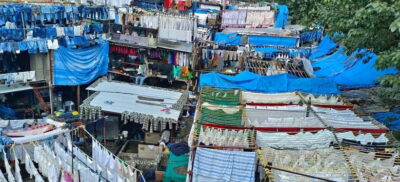
Dhobi Ghat Laundry and Dharavi Slum Tour with Local
Read our review →
Browse the lists this tour appears in