
Reviewed · MUMBAI DHARAVI SLUM TOURS
Best of Dharavi Slum with Market Tour
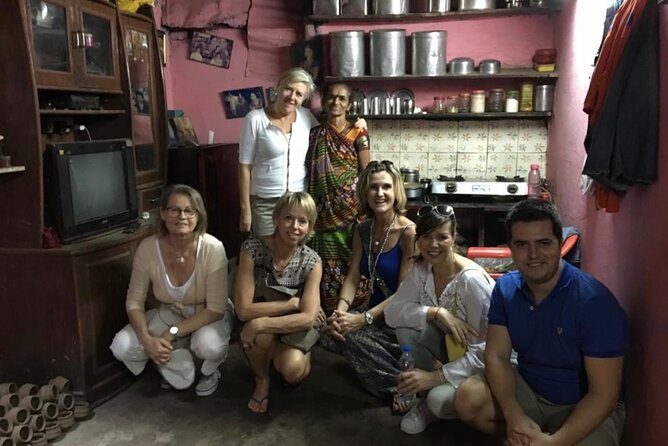
Dharavi is far more than the word slum suggests. This three-hour Mumbai walk takes you through working neighborhoods where homes, workshops, markets, and small factories sit close together. You see how people make a living through pottery, soap making, leather work, recycling, laundry, and trade.
I like the focus on working life rather than spectacle, and I like that guide Hakim explains the history and culture while leaving room for questions. The tour also has a useful, respectful touch: you are not pushed into shops or pressured to buy anything.
The main consideration is physical comfort. You will walk through narrow lanes for about three hours, and the experience is best suited to anyone with moderate fitness who can handle a busy urban setting, close quarters, and plenty of street activity.
Key points to know before you book
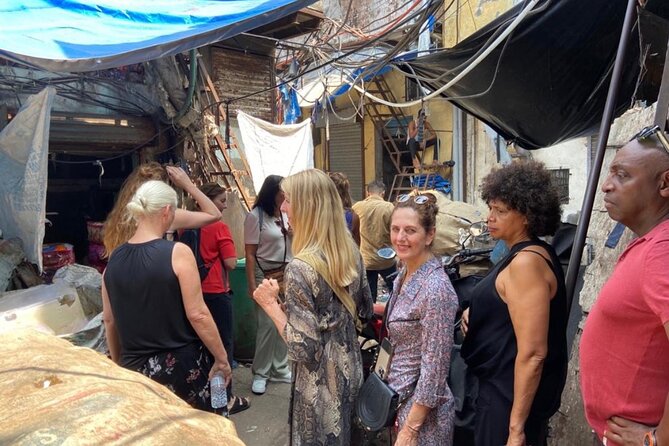
- See Mumbai’s famous Dhobi Ghat: Watch open-air laundry workers handling clothes and linens for hotels and hospitals.
- Enter Kumbharwada: Visit a pottery area in Dharavi and see one of the community’s long-running trades.
- Meet the working side of Mahim: The route includes leather work, recycling activity, markets, and local neighborhoods.
- Guide Hakim adds context: He explains the area, answers questions, and discusses daily life rather than simply pointing out sights.
- Small group format: The maximum group size is 15 people, which should make conversation easier than on a large coach outing.
- Good value for a short Mumbai tour: At $39.72 per person, the price includes a guided three-hour experience, with pickup offered and a mobile ticket.
Why this Dharavi tour feels different from a standard sightseeing stop
Many Mumbai tours focus on grand buildings, waterfront views, or famous religious sites. This one takes you into a place where the main attraction is not a monument. It is the way people work, trade, live, and adapt within a dense urban community.
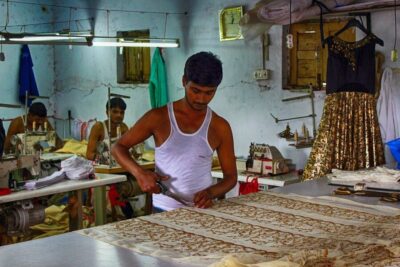
That distinction matters. You are not simply looking at poverty from a bus window. You are walking through areas where people earn money through skilled trades and small businesses. The route shows soap making, pottery, recycling, leather goods, markets, and other forms of local enterprise. Those details give you a more useful picture of Dharavi than a quick photo stop could provide.
Guide Hakim is central to the experience. His role is to explain what you are seeing, add local background, and answer questions as the route unfolds. The strongest feedback about him centers on his calm manner, broad knowledge of Mumbai, and ability to explain both the area and the wider city.
I also appreciate the reported lack of sales pressure. You are not forced into a shop or expected to buy something as part of the walk. That helps keep the focus on the neighborhood itself.
Still, approach the tour with care. Dharavi is a real residential and working community, not a set built for sightseeing. Keep your camera put away when appropriate, follow your guide’s lead, and pay attention to people’s privacy. The best experience comes from being curious without treating the neighborhood as a backdrop.
More Dharavi walking tours in Mumbai
- Dharavi slum tour in Mumbai by Female tour guides of the slum
★ 5.0 · 1,976 reviews - Mumbai: Dharavi Slum, DhobiGhat, and Dabbawallas Tour
★ 4.9 · 689 reviews - Dharavi Slum Tour
★ 5.0 · 625 reviews
Dhobi Ghat: Mumbai’s open-air laundry room
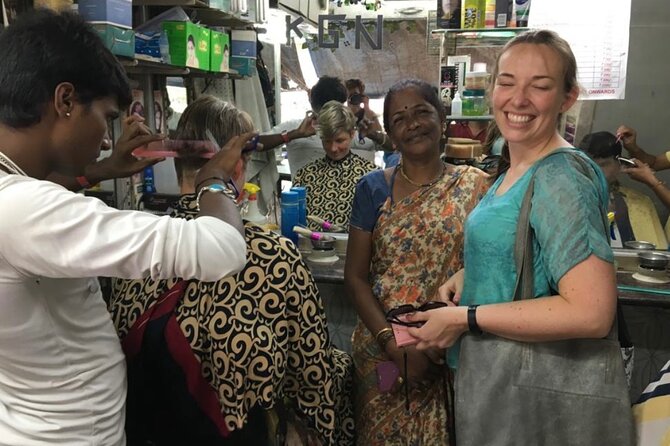
The first stop is Dhobi Ghat, one of Mumbai’s best-known working sights. It is an open-air laundry area where dhobis clean clothes and linens connected with hotels and hospitals around the city.
You have about 20 minutes here, with admission included. That is enough time to see the scale and rhythm of the work without making the stop feel like a long museum visit. The appeal is practical: this is a functioning workplace, not a preserved exhibit.
Dhobi Ghat also sets the tone for the rest of the tour. Mumbai’s service economy depends on many jobs that most people never see. Laundry, recycling, pottery, food preparation, and repair work all support the city, even when they receive little attention from conventional sightseeing routes.
The stop may feel brief if you want a detailed explanation of the entire laundry system. Think of it as an introduction to Mumbai’s behind-the-scenes economy before you move into the lanes and workshops of Dharavi and Mahim.
Kumbharwada and the pottery tradition
Next comes Kumbharwada, an area associated with pottery and local community life. You spend about 30 minutes here, with no extra admission charge.
This is one of the most distinctive sections of the route because it brings you close to a specific craft. Pottery requires skill, space, and a steady customer base, all of which are not easy to maintain in a dense city. Seeing the work in its neighborhood setting helps you understand that Dharavi is not only a place of cramped housing. It is also a place of production.
The area is described as having cultural and historical importance, with a mix of communities and a strong local identity. Your guide’s explanation matters here because the lane itself may not tell you what you are seeing. Without context, a workshop can look like a simple stop. With context, you begin to see how a trade fits into the life of the district.
You should expect narrow passageways and an active setting rather than a quiet gallery. Wear shoes that are comfortable for walking and keep your belongings close. The tour requires moderate physical fitness, and the route is not designed around long periods of sitting.
Mahim’s leather work and small businesses
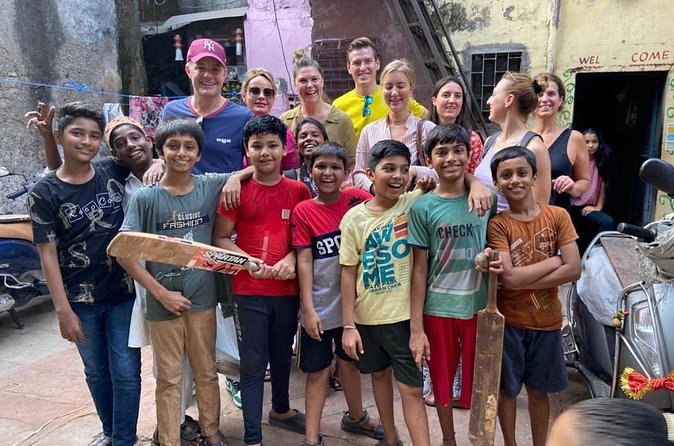
One 30-minute section focuses on leather work in Mahim. The local trade includes items such as bags, wallets, and other accessories.
This is a useful stop for anyone interested in how small-scale manufacturing works. You may see a chain of activity that is easy to miss in a regular market: material handling, making, finishing, and selling. The point is not simply to inspect products. It is to understand how a neighborhood can support many businesses within a compact area.
The tour does not appear to force shopping, which is important. You can look, ask questions, and learn about the trade without assuming you must buy something. If you do want a souvenir, you can make that choice yourself rather than feeling steered toward a purchase.
The word leather is sometimes written incorrectly in descriptions of this stop, but the intended subject is leather goods. The precise selection of items may vary, so treat this as a look at local craftsmanship rather than a guaranteed shopping list.
More market and bazaar tours in Mumbai
- Mumbai: Street Food and Night Markets Tour
★ 4.9 · 719 reviews - Mumbai Morning Market Tour of Flowers, Fish, and More
★ 5.0 · 100 reviews - Mumbai Morning Market Tour of Flowers, Fish, and More
★ 5.0 · 82 reviews - Mumbai Street Food Tour with Evening Bazaar Walk
★ 4.9 · 79 reviews
Recycling in Mahim
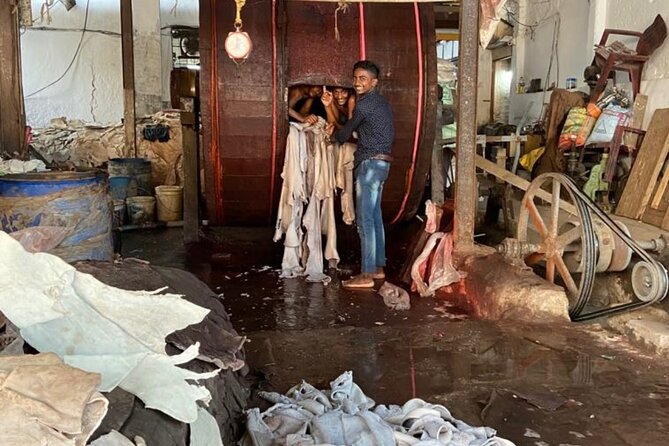
Another 30-minute segment covers recycling work in Mahim. Local groups and community efforts collect materials such as plastic and paper, with the aim of reducing waste and improving environmental awareness.
This part gives the tour a wider purpose. Dharavi and nearby areas are often reduced to images of hardship, but recycling shows another side: organized work, practical problem-solving, and people earning money from materials that others discard.
You may find the setting less polished than a formal recycling center. That is part of the lesson. Urban recycling often happens through many small steps and informal businesses rather than one neat facility. Your guide can help connect what you see on the street with the larger issue of how Mumbai handles waste.
This stop also adds variety to the route. After laundry, pottery, and leather goods, recycling shows a different kind of local industry. It is a good reminder that the neighborhood’s economy is not built around one trade.
Local people and the many sides of Mahim
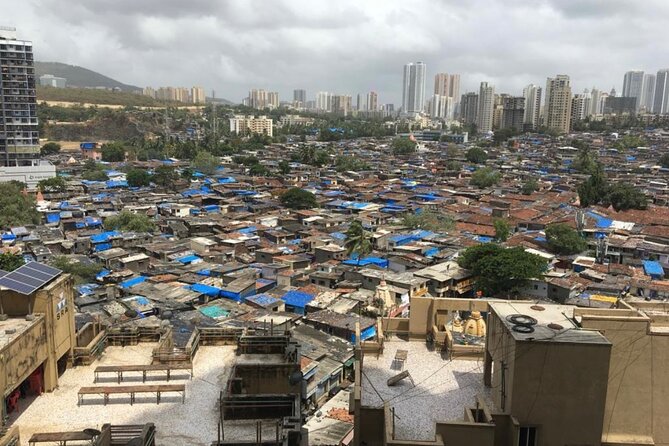
The final listed section spends about 20 minutes looking at local people and community life in Mahim. The area includes Marathi, Gujarati, South Indian, and other communities, reflecting Mumbai’s long role as a city of migration and trade.
This is less a single sight than a way of reading the neighborhood. You see how different communities share the same urban space, markets, workshops, and streets. A good guide can make those connections clear without turning the area into a dry history lesson.
The route also includes market activity, with references to flower sellers, jewelry stalls, food markets, and other local businesses. That makes the final section a practical close to the walk. You move from individual trades to the wider web of buying, selling, eating, and social life.
Street food aromas are part of the experience, and you might see vendors preparing snacks. The supplied information does not promise a food tasting, so do not book this expecting a meal. If you want to try anything, ask Hakim about suitable choices and follow his advice.
What Hakim adds to the walk
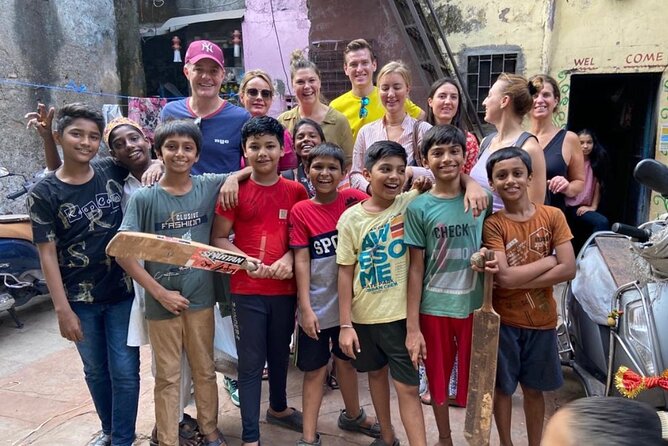
A guide can make or break a neighborhood tour. Here, Hakim is repeatedly praised for explaining the area in a calm, clear way and for handling questions well.
That matters because Dharavi can be difficult to read on your own. A lane may contain a home, a workshop, a storage area, and a retail business at the same time. Hakim helps you understand how those pieces fit together and can add background on Mumbai beyond the immediate route.
The strongest feature is his tone. The experience is presented as a respectful look at daily life, not a dramatic performance. You get information about people, culture, work, and local history, while still having space to observe.
The group limit of 15 should help. It is not a private tour, but it is small enough that you can usually hear the guide and ask questions. If a larger group fills the maximum, the lanes may feel crowded, so staying close to Hakim will be useful.
Is $39.72 good value?
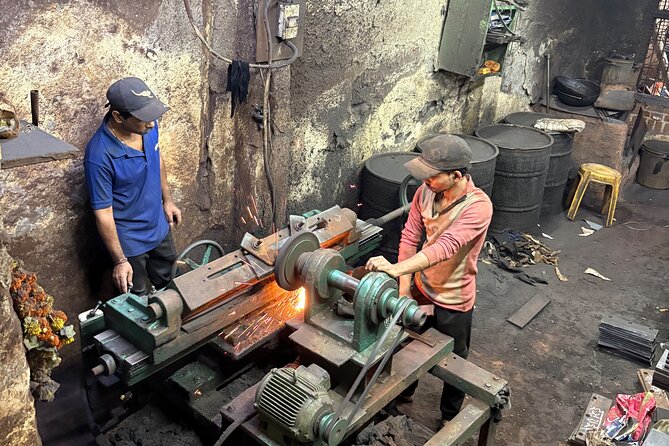
At $39.72 per person, this is fairly priced for a three-hour guided walk in Mumbai, especially with pickup offered and a mobile ticket. The value comes from access and explanation, not from expensive admissions or a long list of major monuments.
You are paying for a guide who can interpret working neighborhoods, help you move through an unfamiliar setting, and connect several different trades. The included admission at Dhobi Ghat is helpful, but the main benefit is the guided access to places that would be hard to understand on your own.
This tour is less useful if you want a conventional sightseeing route with grand architecture or lots of free time for shopping. It is a better choice if you want to understand how a part of Mumbai functions and prefer local work and community life over polished attractions.
Pickup can save time, but the exact pickup arrangements are not provided here. Check the meeting details carefully when booking, especially if you are coordinating the tour with another Mumbai activity.
Comfort, conduct, and practical planning
Plan on walking for roughly three hours. The tour requires moderate physical fitness, and you should expect narrow lanes, uneven urban surfaces, standing, and limited personal space.
Wear comfortable shoes and light clothing suited to Mumbai’s conditions. Carry water, but keep your bag manageable. A mobile ticket makes check-in simple, and confirmation is provided at booking.
Photography deserves thought. Ask before photographing people, workers, homes, or businesses. You will get more from the experience if you watch first and take pictures only when it is clearly appropriate.
The tour requires good weather. If poor weather forces a cancellation, you are offered another date or a full refund. You can cancel for a full refund up to 24 hours before the start time. Changes or cancellations inside that window are not accepted for a refund.
Who should book this experience?
I would choose this tour if you want a closer look at Mumbai’s working life, enjoy asking questions, and can approach a residential area with respect. It suits first-time visitors who want context, as well as returning visitors looking for something outside the standard city route.
It is also a good fit if you prefer a small group and want a guide who can explain rather than simply lead you from point to point. Hakim’s role appears especially valuable for people who want to understand the history, culture, and business activity behind what they see.
I would think twice if you dislike walking, crowded lanes, or seeing working and living conditions that may be confronting. This is not a gentle sightseeing stroll. It asks you to pay attention and accept the neighborhood as it is.
Should you book the Dharavi and market tour?
Book it if your goal is to see Mumbai through its people and working economy. Dhobi Ghat, Kumbharwada, leather work, recycling, markets, and local community life give the three hours a clear purpose, and Hakim’s explanations add the context you need.
At $39.72, the tour offers good value for a guided, small-group look at a side of Mumbai that is easy to miss. Go with realistic expectations, dress for walking, respect privacy, and do not expect a staged attraction. If that sounds right for you, this is one of the more useful ways to understand Dharavi.
FAQ
How long is the Best of Dharavi Slum with Market Tour?
The experience lasts approximately three hours.
Where does the tour take place?
The tour is in Mumbai and includes Dharavi, Dhobi Ghat, Kumbharwada, and areas of Mahim.
What is the price?
The listed price is $39.72 per person.
Is pickup offered?
Yes, pickup is offered. Check the booking details for the specific pickup information.
Is a mobile ticket available?
Yes, the experience supports a mobile ticket.
How many people can join the tour?
The maximum group size is 15 people.
What fitness level is needed?
A moderate level of physical fitness is recommended. The experience involves walking through narrow urban lanes for about three hours.
What happens if the weather is poor?
The tour requires good weather. If it is canceled because of poor weather, you will be offered another date or a full refund.
Can I cancel for a full refund?
Yes. You can cancel at least 24 hours before the experience start time for a full refund. Cancellations or changes made less than 24 hours before the start time are not accepted for a refund.
More markets worth browsing in Mumbai
- Private Market Tour and Vegetarian Cooking Class in Mumbai
★ 4.5 · 15 reviews - Mumbai Market Tour
★ 4.6 · 12 reviews - Mumbai: Evening Street Food Tasting & Cultural Market Tour
★ 4.7 · 11 reviews - Mumbai Market Tour & Maharashtrian Cooking Class with Chef Reshma
★ 4.5 · 10 reviews
More shopping tours in Mumbai
- Mumbai Street Food & Bazaar Tour with Local Transport
★ 5.0 · 51 reviews - Two Days Mumbai Tour Package : City + Slum + Elephanta + Market
★ 4.5 · 24 reviews - Mumbai 3 days package – Sightseeing, Food, Shopping, Slum, Bollywood & Kanheri
★ 5.0 · 20 reviews - Mumbai Market Tour in Private Vehicle
★ 5.0 · 15 reviews
Recently added around Mumbai
- Private Walking Tour in Dharavi Slums★ 5.0 · 7 reviews
- Mumbai Sightseeing Tour★ 5.0 · 11 reviews
- Private Mumbai 2-Day Tour Package:City + Slum & Elephanta Island.★ 5.0 · 3 reviews
- Vegetarian Indian Cuisine Virtual Cooking Class Experience from Mumbai★ 5.0 · 4 reviews
- Mumbai by Night Guided Tour★ 5.0 · 6 reviews
- Transfer from Mumbai Airport to Hotel★ 4.0 · 7 reviews
- Full-Day Agra Tour with Taj Mahal From Mumbai By Air★ 5.0 · 8 reviews
- Taj Mahal Day Trip Including Same Day Flights from Mumbai★ 5.0 · 3 reviews
Mumbai Dharavi Slum Tours, compared.
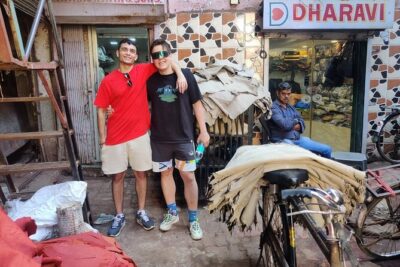
Dharavi slum tour in Mumbai by Female tour guides of the slum
Read our review →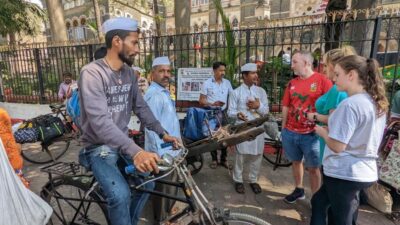
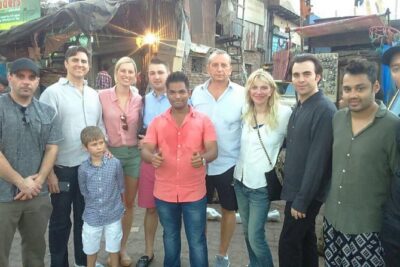
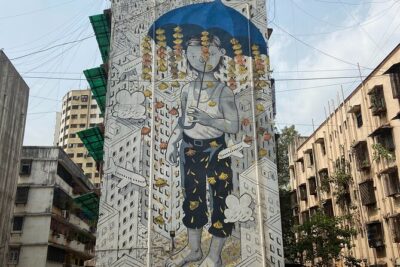
Dharavi Slum Slumdog Millionaire Tour with a Local
Read our review →
Mumbai Slum Tour – Visit Dharavi Slum with Local Guide
Read our review →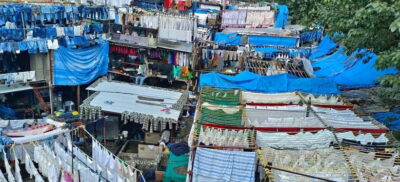
Dhobi Ghat Laundry and Dharavi Slum Tour with Local
Read our review →
Browse the lists this tour appears in