Reviewed · MUMBAI DHARAVI SLUM TOURS
Mumbai 3 days package – Sightseeing, Food, Shopping, Slum, Bollywood & Kanheri
Mumbai is easiest to understand when you see its polished waterfront, working neighborhoods, film industry, food stalls, and ancient stone temples together. This private package attempts to do exactly that, moving from the Gateway of India and colonial-era buildings to Dharavi, Bollywood, local markets, and the Elephanta Caves.
I like the wide mix of experiences, especially the combination of food tasting and Dharavi with major sights. I also like the private format, since only your group participates and the company has allowed some visitors to split the three days around their own schedules. The main concern is that the published order may change according to guide availability and local conditions, so you should treat the schedule as a plan rather than a guarantee.
Key points to know before booking
- Dharavi takes about two hours: The visit focuses on daily life, work, and community rather than only photo stops.
- Bollywood gets a full half-day: The Goregaon Film City portion is scheduled for about five hours.
- Elephanta is a long outing: Allow around six hours for the cave excursion.
- The tour is private: Your group travels together, with hotel pickup and drop-off offered.
- Food is part of the plan: Lunch, bottled water, and food tasting are included, but unspecified meals and drinks are not.
- The schedule can be flexible: The three days may be completed in two days by special request, and the days can be separated if arranged in advance.
Mumbai in three days, with very little left out
At $302.60 per person, this is not a cheap hop-on, hop-off city tour. It is closer to a private introduction to Mumbai, with transport, a guide, several long outings, selected admissions, lunch, water, and food tasting bundled together.
The value depends on how much you want handled for you. If you tried to arrange Dharavi, Bollywood, Elephanta, food stops, and the historic center separately, you would spend time coordinating transport and timing. Here, the appeal is the range and the private setup. The tradeoff is a busy program and less control over the exact order of stops.
The package is advertised as three days, but the operator can complete it in two days on special request. That would make for a very full visit. I would keep the three-day version if possible, especially because Day 1 and Day 3 already contain long lists of stops.
More Dharavi walking tours in Mumbai
- Dharavi slum tour in Mumbai by Female tour guides of the slum
★ 5.0 · 1,976 reviews - Mumbai: Dharavi Slum, DhobiGhat, and Dabbawallas Tour
★ 4.9 · 689 reviews - Dharavi Slum Tour
★ 5.0 · 625 reviews
Day 1: Mumbai’s monuments, working waterfront, and Dharavi
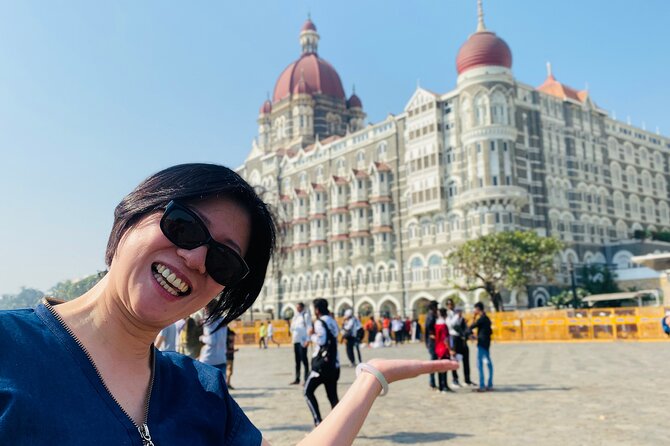
The first day begins with the Gateway of India, Mumbai’s best-known waterfront monument. You get about 30 minutes here, enough to take in the Indo-Saracenic design, look across the harbor, and set the scene for the city’s colonial-era story.
The nearby Taj Mahal Palace is another major landmark. The visit is scheduled for about 20 minutes, but admission is not included. The plan appears to focus on seeing the exterior and waterfront setting rather than entering the hotel. You should not expect a hotel tour.
At Mani Bhavan Gandhi Museum, you have about 45 minutes and admission is included. This former Mumbai residence served as Mahatma Gandhi’s base during the independence movement. It gives the day a quieter, more personal stop after the crowded waterfront.
Chhatrapati Shivaji Terminus receives about 30 minutes. The station’s Victorian Gothic design makes it one of the city’s most striking buildings, and it is a UNESCO World Heritage Site. Even with a short visit, you can appreciate the carved stonework and the fact that this is still a working railway station.
The Brihanmumbai Municipal Corporation building gets a quick 15-minute stop. Its neo-Gothic facade, balconies, and pointed towers add another architectural layer. You will mainly view it from outside, so keep your expectations practical.
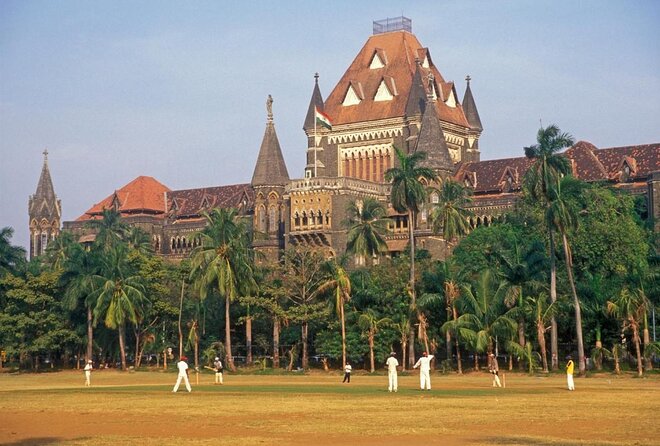
The route then moves through several central Mumbai landmarks. Flora Fountain is included as a heritage stop, though the schedule does not assign it a separate numbered time. Oval Maidan offers a view of one of Mumbai’s best-known cricket grounds, while the Rajabai Clock Tower and Bombay High Court add more Gothic and Indo-Saracenic architecture.
These stops are useful for seeing how much historic architecture is packed into the southern part of the city. They are also quick. If you enjoy architecture, you may wish there were more time for photographs. If you prefer a fast overview, the short visits keep the day moving.
Marine Drive appears twice in the schedule, with about 15 minutes assigned to each entry. In practical terms, consider this one seaside stop rather than two separate attractions. The curved promenade is known as the Queen’s Necklace, and it is a good place to feel the scale of Mumbai’s coast without committing to a long walk.
Hanging Gardens provides about 30 minutes in a quieter setting. You can expect landscaped gardens and city views, though the supplied details do not promise a particular viewpoint or special activity.
Sassoon Dock and Dhobi Ghat
Sassoon Dock is one of the more useful stops because it shows Mumbai as a working port rather than a collection of monuments. You have about 30 minutes to see fishing activity and the daily movement around the dock. Admission is listed as included.
Dhobi Ghat offers another look at working Mumbai. This open-air laundry has operated for more than a century, with clothes washed and dried by hand. The visit is scheduled for around 30 minutes, followed by another short 10-minute Dhobi Ghat entry in the schedule. Again, read this as a single area visit with repeated timing details, not necessarily two separate experiences.
These stops are where the tour becomes more than a standard city drive. You see how labor, trade, and public space shape Mumbai. At the same time, these are working places, not stage sets. Follow your guide’s instructions and be respectful with cameras.
Two hours in Dharavi
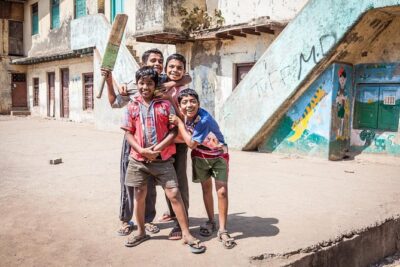
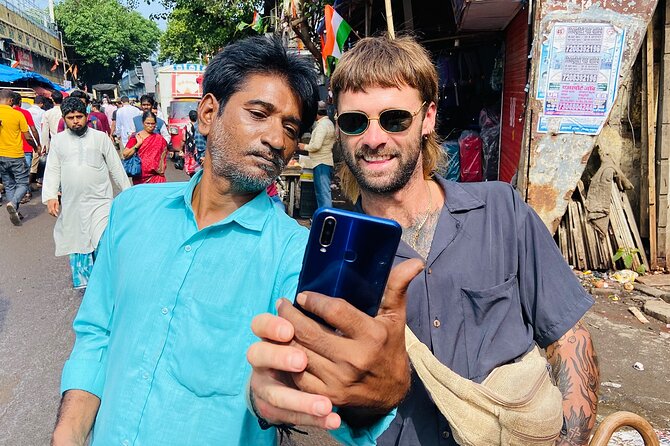
Dharavi receives about two hours, making it one of the day’s main experiences. The stated purpose is to show daily life, work, resilience, and aspirations while challenging the usual stereotype of a slum as only a place of poverty.
That framing matters. You should approach Dharavi as a living neighborhood, not as a spectacle. A guide can help explain the area’s homes, small businesses, and working life in a way that a passing drive cannot.
The schedule lists Dharavi twice, once with admission included and once without a separate charge. This appears to reflect duplicate timing or ticket entries rather than two separate two-hour tours. Confirm the exact plan when you book, especially if you are concerned about how long you will be on foot.
Day 1 covers a lot of ground. You get architecture, politics, religion, sport, waterfront activity, laundry work, and Dharavi in one stretch. The drawback is pace. The day may feel more like a guided orientation than a slow exploration, and traffic can affect the order.
More Kanheri Caves and national park trips
- Mumbai: Kanheri Caves and The Golden Pagoda Temple
★ 4.7 · 108 reviews - Sanjay Gandhi National Park(SGNP) + Kenheri Caves + Lion Safari + Jain Temple
★ 5.0 · 88 reviews - Sanjay Gandhi National Park+ Kanheri Caves + Temple +Tigar Safari
★ 5.0 · 54 reviews - Mumbai: Buddhist Kanheri Caves with Golden Pagoda Temple
★ 4.8 · 47 reviews
Day 2: Bollywood, Indian food, and Chowpatty
The second day is built around Bollywood. At Goregaon Film City, the scheduled visit lasts about five hours and includes a complete studio walk around, with the possibility of seeing live film or television shooting.
This is the right day for anyone curious about how Mumbai’s film industry fits into the city. The duration gives the studio visit more weight than a brief photo opportunity. Still, filming schedules can change, so you should not assume a live shoot will be taking place at the exact time of your visit.
After Bollywood, the guide takes you on a food tasting tour lasting about four hours. The details do not name the restaurants, dishes, or number of tastings, so you should ask what is planned if you have allergies, dietary restrictions, or strong preferences.
Lunch is included, as are food tastings and bottled water. The inclusion wording also says food and drinks are not included unless specified, so do not assume every meal, snack, or beverage during the day is covered. Alcoholic drinks are specifically excluded but may be purchased.
The food portion is valuable because Mumbai makes more sense through its eating culture. You are not only looking at monuments. You are given time to try local flavors and connect the city’s neighborhoods with what people eat. The exact quality of the day will depend on the guide and the selected stops, so clear communication at the start is useful.
Chowpatty receives about an hour, with another short 10-minute entry listed afterward. Treat this as one beach stop. Girgaum Chowpatty is a well-known place beside the Arabian Sea, and it offers a change of pace after the studio and food schedule.
The beach visit is not described as a swimming or water-sports activity. It is better understood as a seaside pause, with time to sit, look out over the water, and experience one of Mumbai’s familiar public gathering places.
Day 3: Elephanta Caves and the old market streets
Elephanta Caves takes about six hours, making it the longest single outing in the package. The UNESCO World Heritage site contains rock-cut temples and sculptures dating from the fifth to seventh centuries.
This is the day’s major historical excursion. The caves offer a sharp contrast to Mumbai’s colonial buildings and modern film studios. The scale of the time allocation suggests that transport and the full visit are included in the six-hour window, though the supplied details do not spell out every part of the transfer.
Admission is listed as included. Wear practical clothing and shoes, since the visit is a heritage site rather than a flat city sidewalk. The general dress code is smart casual, and respectful clothing is a sensible choice for a historic religious site.
The Gateway of India appears again after Elephanta for about 15 minutes. That gives you a brief chance to reconnect with the waterfront before the shopping portion of the day.
Colaba Market and Crawford Market
Colaba Market gets about an hour. You can browse clothing, accessories, jewelry, handicrafts, and souvenirs. This is a good place to shop if you want the freedom to compare small items rather than visit a formal retail center.
Crawford Market receives about 30 minutes. It is one of Mumbai’s older markets, with vendors selling a broad range of goods. The short time is enough for a look, but not for a slow, detailed shopping session.
Sassoon Dock appears again for another 30-minute stop. On Day 1, it serves as a working fishing dock; on Day 3, it adds another local market and waterfront element to a day already centered on Elephanta and shopping.
The shopping stops are not described as guided purchasing sessions, and admission is listed as free. Carrying a small amount of local currency may be useful, but the supplied tour details do not state which payment methods individual sellers accept. Bargaining expectations and shopping advice are best confirmed with your guide.
How flexible is the schedule?
The private format is one of the package’s strongest practical features. Only your group participates, and hotel pickup and drop-off are offered. That gives you more room to discuss pace, food needs, and the order of stops than you would have on a large group bus.
There is an important warning, though. The published day-by-day order may not match the actual operating schedule. One account describes the daily plan as unreliable, with the organizers changing the days according to which guides were available. Another account says the company allowed the three days to be split apart because of a personal schedule.
I would contact the operator before arrival and confirm three things: the order of the days, the planned start times, and which admissions are included for your exact booking. If you are arriving by cruise ship, provide the ship name, docking time, disembarkation time, and re-boarding time when booking.
The tour is normally completed in three days, but the operator says two days is possible by special request. I would only choose that option if your schedule leaves no alternative. Combining Bollywood, food, Elephanta, Dharavi, and the city sights would create long days with little spare time.
What is included, and what is not?
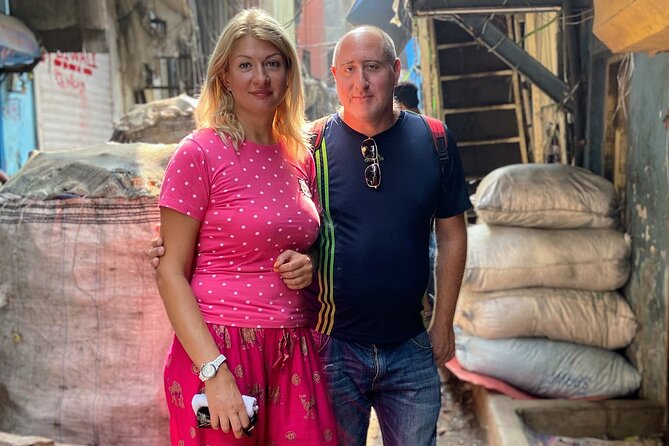
The price includes taxes, fees, and handling charges, hotel pickup and drop-off, bottled water, lunch, food tasting, and selected admission fees. Mani Bhavan, Chhatrapati Shivaji Terminus, Sassoon Dock on Day 1, Dharavi, Goregaon Film City, and Elephanta are marked as included in the schedule.
Several outdoor sights are free to enter, including the Gateway of India, BMC building, Marine Drive, Hanging Gardens, Colaba Market, and Crawford Market. The Taj Mahal Palace admission is not included, and the description does not promise interior access.
Alcohol is extra. The general inclusion note also means you should budget for any food or drinks not specifically identified as part of lunch or the tasting tour.
At $302.60 per person, the price makes the most sense for someone who values private transport, a guide, and a tightly arranged introduction. It is less attractive if you want to choose every restaurant, spend half a day at one museum, or explore markets at your own speed.
Who will enjoy this Mumbai package?
I would choose this for a first visit when you want to see Mumbai through several lenses in a short period. It suits couples, families, and solo visitors who prefer a private setup and want hotel pickup rather than arranging each outing alone.
It also suits curious visitors who want more than postcard sights. Dharavi, Sassoon Dock, Dhobi Ghat, the food tour, and the studio visit give you contact with the city’s working and creative life.
I would hesitate if you dislike early starts, long transfers, changing schedules, or quick photo stops. You should also think carefully about the Dharavi visit. It can be meaningful when handled with care, but it requires respect and a willingness to see a real neighborhood without turning it into a spectacle.
The package is not described as wheelchair accessible, so anyone with mobility concerns should ask the operator before paying. Most people can participate, and the tour is near public transportation, but that does not answer every mobility question.
Should you book it?
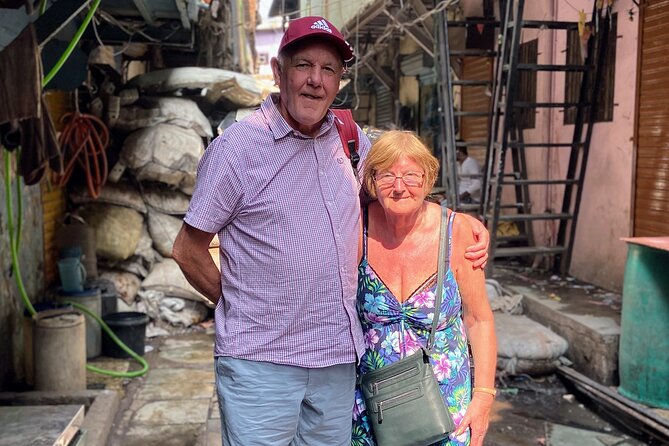
Book this package if you want a broad, guided first look at Mumbai and value having one private operator coordinate the major pieces. The strongest parts are the range, the two-hour Dharavi visit, the full Bollywood block, the food tasting, and the six-hour Elephanta outing.
Do not book it expecting a fixed, minute-by-minute program. Confirm the actual schedule, included meals, and guide arrangements before arrival. If you can keep the three days separate, do so. That gives the city enough breathing room and makes the $302.60 price easier to justify.
FAQ
How long does the Mumbai package last?
The package is designed to last three days, approximately. The operator says it can be completed in two days by special request.
Is the tour private?
Yes. Only your group participates in the activity.
Is hotel pickup and drop-off included?
Yes. Hotel pickup and drop-off are included.
Is lunch included?
Yes. Lunch is included, along with bottled water and food tasting.
Are all meals and drinks included?
No. Food and drinks are included only where specified. Alcoholic drinks are not included but may be purchased.
How long is the Dharavi visit?
The Dharavi portion is scheduled for about two hours.
How long is the Bollywood tour?
The Goregaon Film City visit is scheduled for about five hours.
How long does the Elephanta Caves visit take?
The Elephanta Caves outing is scheduled for about six hours.
Can the tour be changed around a cruise schedule?
Yes, cruise ship passengers must provide the ship name, docking time, disembarkation time, and re-boarding time when booking. The operator can use those details to plan the activity.
More market and bazaar tours in Mumbai
- Mumbai: Street Food and Night Markets Tour
★ 4.9 · 719 reviews - Mumbai Morning Market Tour of Flowers, Fish, and More
★ 5.0 · 100 reviews - Mumbai Morning Market Tour of Flowers, Fish, and More
★ 5.0 · 82 reviews - Mumbai Street Food Tour with Evening Bazaar Walk
★ 4.9 · 79 reviews
More Bollywood studio tours in Mumbai
- Best Bollywood Tour with Rahil Khan (Transport Included)
★ 5.0 · 548 reviews - Ultimate Mumbai Full Day: Sights, Bollywood Dance, Lunch & Spices
★ 5.0 · 201 reviews - Mumbai: Bollywood Tour in Mumbai Film City
★ 4.7 · 116 reviews - Best Bollywood Tour With Rahil Khan (Without Transport)
★ 5.0 · 113 reviews
Recently added around Mumbai
- Private Walking Tour in Dharavi Slums★ 5.0 · 7 reviews
- Mumbai Sightseeing Tour★ 5.0 · 11 reviews
- Private Mumbai 2-Day Tour Package:City + Slum & Elephanta Island.★ 5.0 · 3 reviews
- Vegetarian Indian Cuisine Virtual Cooking Class Experience from Mumbai★ 5.0 · 4 reviews
- Mumbai by Night Guided Tour★ 5.0 · 6 reviews
- Transfer from Mumbai Airport to Hotel★ 4.0 · 7 reviews
- Full-Day Agra Tour with Taj Mahal From Mumbai By Air★ 5.0 · 8 reviews
- Taj Mahal Day Trip Including Same Day Flights from Mumbai★ 5.0 · 3 reviews
Mumbai Dharavi Slum Tours, compared.
Dharavi slum tour in Mumbai by Female tour guides of the slum
Read our review →
Dharavi Slum Slumdog Millionaire Tour with a Local
Read our review →
Mumbai Slum Tour – Visit Dharavi Slum with Local Guide
Read our review →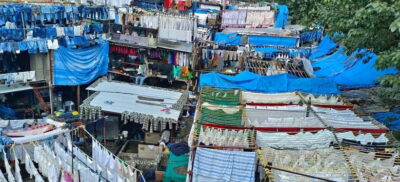
Dhobi Ghat Laundry and Dharavi Slum Tour with Local
Read our review →