
Reviewed · MUMBAI MARKET AND BAZAAR TOURS
Mumbai Market Tour
South Mumbai’s markets show you the city in motion: flower sellers, spice merchants, fabric shops, carts of snacks, temples, mosques, and old colonial buildings all crowd into the same streets. I like the chance to see Crawford Market and Mangaldas Market, then move into specialist stops for spices, jewelry, and flowers. I also like that guides such as Kieran and Dinesh have helped visitors understand bargaining and local customs.
The main thing to consider is the tour’s balance between culture and shopping. Some guides may focus on the markets and history, while one reported experience centered on pashminas, spices, and women’s clothing shops, with little temple sightseeing. If you want a relaxed introduction to South Mumbai and do not mind browsing shops, the $23 price is appealing. If you want a tightly scripted historic walk, ask what route your guide will follow.
Key points to know before booking
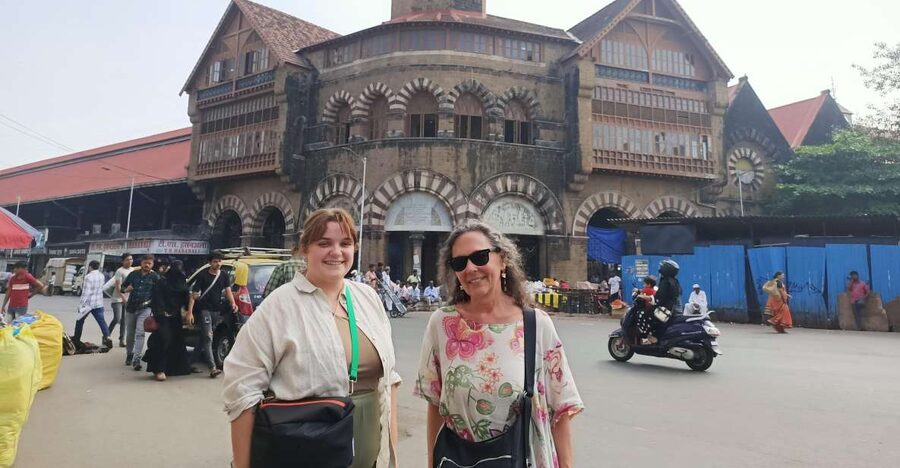
- Crawford Market brings together food, household goods, accessories, and local street life in one of Mumbai’s best-known market areas.
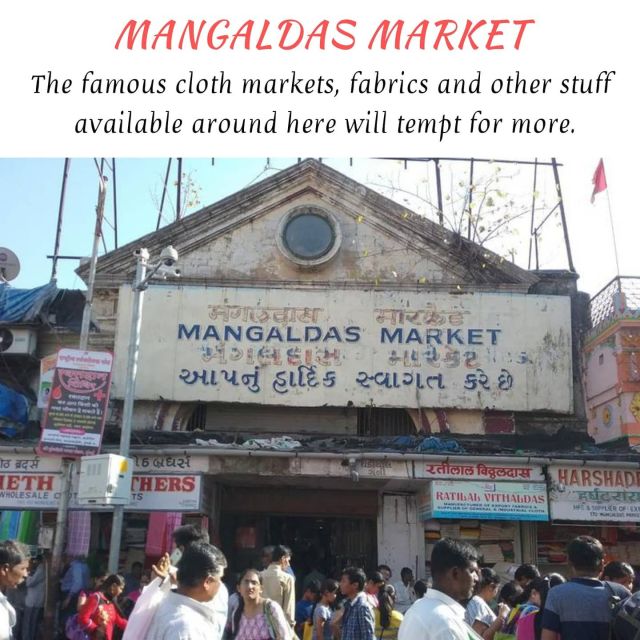
- Mangaldas Market is the main stop for fabrics and clothing, so bring patience if you enjoy comparing colors, textures, and prices.
- The route includes religious and historic sites, including Jama Masjid, Mumba Devi Temple, and Madhav Baugh, though the amount of time spent at each can vary.
- English is the listed tour language, and guides such as Kieran and Dinesh have been praised for their explanations and easy pace.
- Shopping is part of the experience, not just a side feature. Some visitors found the shop visits useful, while another felt the tour became a sales-focused outing.
- The price is $23 per person, with pay-later booking and free cancellation up to 24 hours before the tour.
Why South Mumbai’s markets are worth your time
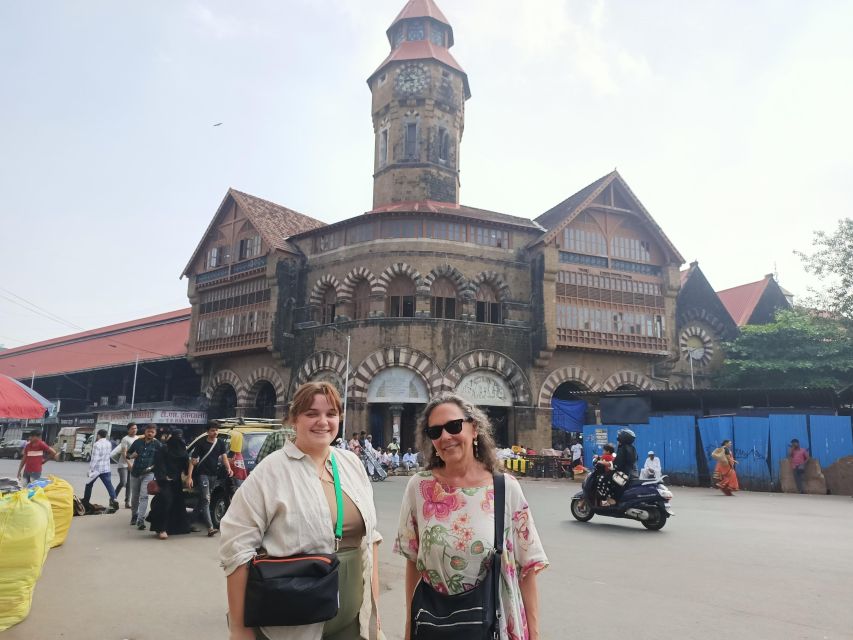
Mumbai is easy to reduce to famous landmarks, but its markets explain more about daily life than a quick look at a monument can. Here, shopping is social, noisy, practical, and often carried out in streets framed by colonial-era buildings and places of worship.
The appeal of this tour is the contrast. You might pass a flower seller, then a fabric shop, then a temple entrance, with a mosque or old commercial building nearby. That mix gives you a better feel for South Mumbai than a string of photo stops would.
The tour is also useful if you are new to Indian markets. A guide can explain what you are seeing, help you read the pace of the street, and show you how bargaining works without leaving you to guess at every price. One guide was specifically praised for teaching bargaining and taking the group to places that matched its interests.
Still, you should arrive with the right expectation. This is not presented as a quiet museum tour. The streets are active, the shops are close together, and sellers may try to engage you. That is part of the experience, but it may not suit you if you want long, uninterrupted commentary.
More market and bazaar tours in Mumbai
- Mumbai: Street Food and Night Markets Tour
★ 4.9 · 719 reviews - Mumbai Morning Market Tour of Flowers, Fish, and More
★ 5.0 · 100 reviews - Mumbai Morning Market Tour of Flowers, Fish, and More
★ 5.0 · 82 reviews
Crawford Market: the broadest look at local shopping
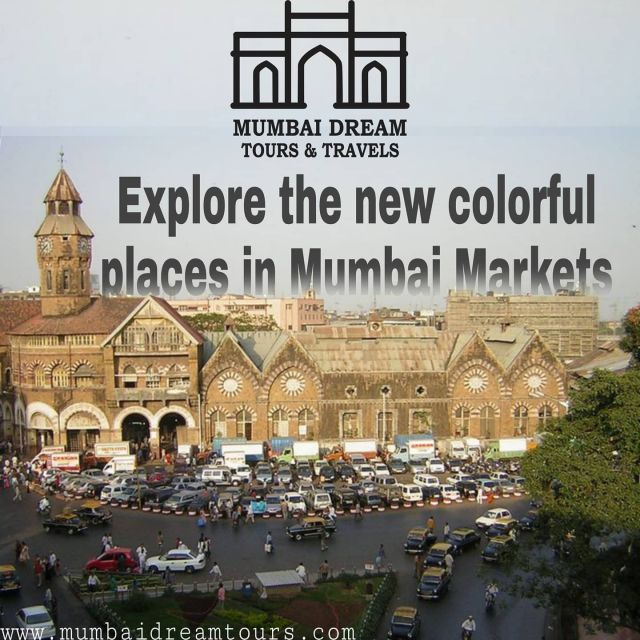
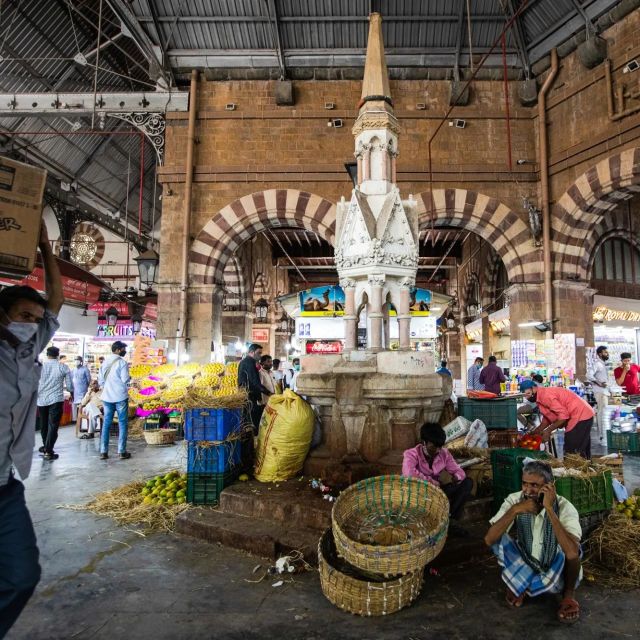
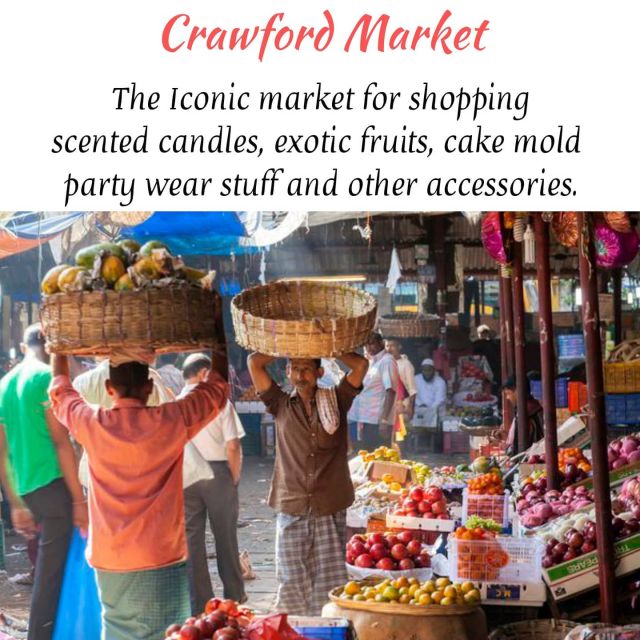
Crawford Market is the main anchor of the outing. It is described as one of Mumbai’s oldest and largest markets, with goods ranging from fresh produce and spices to scented candles, cake molds, party items, accessories, and other household products.
For you, the value of this stop is variety. You can see how food and everyday goods are sold, rather than visiting a market designed only for tourists. The mix also makes it a good place to notice the difference between browsing for pleasure and shopping for practical needs.
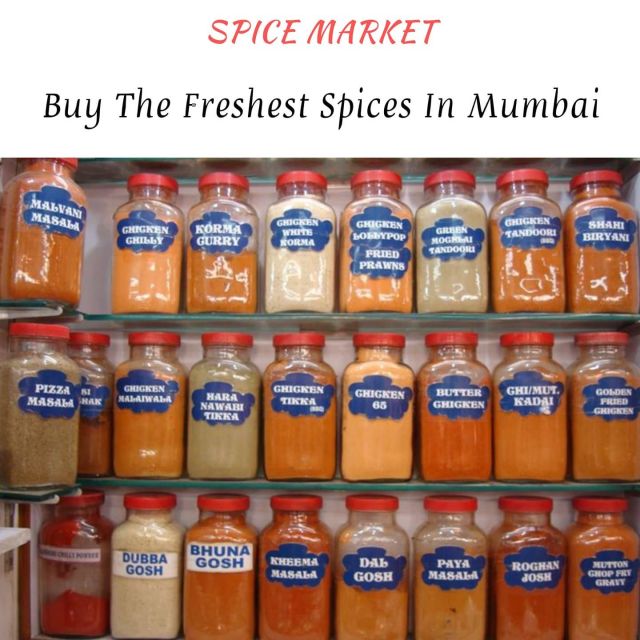
The spice section is an important part of the Crawford Market experience. You might find cumin, coriander, turmeric, cardamom, and other seasonings arranged for local customers. A guide can add useful context about what you are looking at and how to compare products, although the supplied details do not specify how long the group spends in the spice area.
Crawford Market also appears in the tour description as a place for scented candles, exotic fruits, cake molds, party wear items, and accessories. That wide range means the stop is less about one perfect purchase and more about seeing how many kinds of commerce fit into one market.
One caution: an actual tour can include a separate spice-shop visit rather than only a walk through the main market. One account described a shop where the guide had a personal connection, and found the prices high. That does not prove every departure follows the same pattern, but it is a fair reason to ask whether shopping stops are optional and whether the guide receives any benefit from purchases.
Mangaldas Market and the art of comparing fabric
Mangaldas Market is the stop for cloth, fabrics, and clothing materials. If you enjoy textiles, this may be the most rewarding part of the route. You can compare colors, patterns, and types of fabric while seeing how an important local trade works.
The pace matters here. One visitor praised the guide’s patience in the textile market, which tells you something useful: this stop may take time, especially if you want to inspect fabrics or consider a purchase. You should not feel rushed, but you should also be clear about your budget before entering a shop.
The market can be enjoyable even if you do not plan to buy anything. Fabrics reveal a lot about local dress and commerce, and the close-up view is more useful than simply passing a row of stores. On the other hand, a shopping-heavy visit may disappoint you if you expected a historical explanation at every stop.
One reported outing included a women’s clothing shop with friendly staff and a lighthearted atmosphere. That sounds pleasant, but the same account described the prices as excessive. My practical advice is simple: treat the first quoted price as a starting point, ask whether bargaining is expected, and buy only when the price feels fair to you.
Jewelry, flowers, and the details that make the route memorable
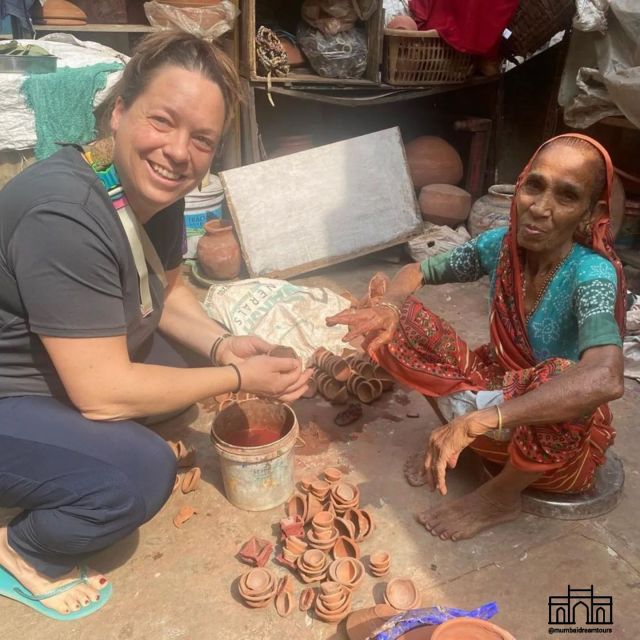
The itinerary also includes a jewelry market, described as one of Mumbai’s older and busier shopping areas. You might see gold, silver, diamond jewelry, and precious or semi-precious stones.
That sounds appealing, but be careful about what this means in practice. The information does not promise a guided lesson in gem quality or a chance to purchase certified stones. See the jewelry stop as a chance to observe a specialized market, not as a recommendation to make an expensive purchase.
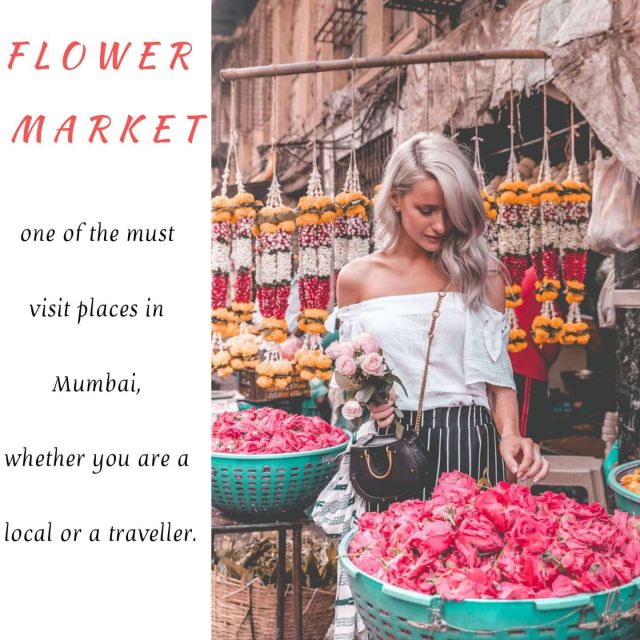
The flower market offers a different mood. It is described as Mumbai’s largest flower market, with marigolds, roses, lilies, orchids, and other blooms. Color is the obvious attraction, but the stop also helps you see how flowers fit into religious observance, celebrations, and everyday trade.
You should keep your phone or camera ready, but do not treat these places as staged attractions. The appeal comes from sellers preparing goods for real customers. It is worth watching the small actions: sorting flowers, arranging items, weighing products, and negotiating prices.
More shopping tours in Mumbai
- Mumbai Street Food Tour with Evening Bazaar Walk
★ 4.9 · 79 reviews - Mumbai Street Food & Bazaar Tour with Local Transport
★ 5.0 · 51 reviews - Two Days Mumbai Tour Package : City + Slum + Elephanta + Market
★ 4.5 · 24 reviews - Mumbai 3 days package – Sightseeing, Food, Shopping, Slum, Bollywood & Kanheri
★ 5.0 · 20 reviews
Jama Masjid, Mumba Devi Temple, and Madhav Baugh
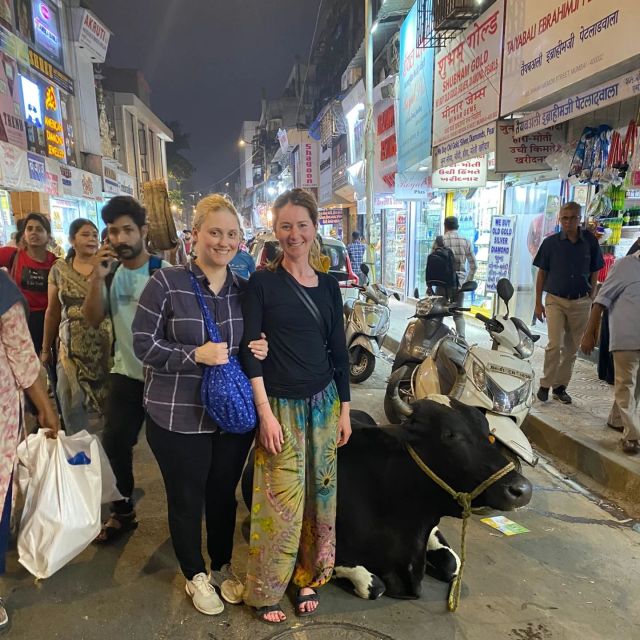
The route includes Jama Masjid, Mumba Devi Temple, and Madhav Baugh, giving the outing a religious and cultural side beyond shopping. Their presence also helps explain the close connection between worship, neighborhood life, and commerce in South Mumbai.
The tour description places temples and mosques alongside the markets and colonial buildings. That setting is one of the strongest reasons to choose a guided walk. A guide can point out what you are passing and explain why these places matter within the city’s daily rhythm.
However, do not assume the religious sites will receive equal attention. One account said the tour passed temples without offering a meaningful cultural visit. That is the clearest warning in the available feedback. If visiting Mumba Devi Temple or Jama Masjid is important to you, confirm before booking whether the guide enters the site, stops for an explanation, or simply passes by.
Dress and conduct should be respectful around religious buildings. The supplied information does not list specific clothing rules or entry arrangements, so your guide is the right person to ask on the day. You may also find that the market noise and narrow lanes make a long stop difficult.
Madhav Baugh adds another named point to the route, but the available details do not explain exactly how long the group stays there or what interpretation is provided. Consider it part of the wider South Mumbai circuit rather than the sole reason to book.
What the guides add to the experience
The human element matters here more than a fixed list of stops. Guides identified in the feedback include Kieran and Dinesh, along with another guide whose name was remembered as beginning with A.
Kieran was praised for explaining Mumbai’s markets, culture, and daily life, while showing patience in the textile market. Dinesh was praised for his market knowledge and a relaxed pace. Other feedback describes a guide who was pleasant, enthusiastic, and willing to show extra places along the way.
That range suggests the guide can shape the tour significantly. A good guide will help you understand what you are seeing, explain how bargaining works, and adjust the route toward your interests. A less satisfying outing may feel like a sequence of shop visits.
I would tell you to be direct at the start. Say if you want more history, more time at the flower market, a closer look at fabrics, or a chance to see the temples properly. Also say if you do not want to buy anything. Clear expectations can make a large difference on a market tour.
Is $23 a fair price?
At $23 per person, this is a reasonably priced introduction to South Mumbai’s markets, particularly if you value having an English-speaking guide explain the streets and shopping customs.
The price makes the most sense when you use the tour as orientation. You are paying for a local route through several market districts, help with bargaining, and an easier way to understand what you are seeing. For a first visit to Mumbai, that can save time and reduce the uncertainty of going alone.
The value is weaker if the outing becomes mainly a set of shop visits. One account described a pashmina shop, a spice shop, and a women’s clothing store, with no substantial cultural stop at the temples. In that case, you may feel you paid for shopping guidance rather than a market and heritage walk.
You can protect the value by asking two questions before the tour begins: Which markets will we visit today, and are the shopping stops optional? If the answer suits you, $23 is modest. If you want a firm sightseeing route with no sales pressure, consider a different type of walking tour.
The booking terms are flexible. You can reserve and pay later, and cancellation is allowed up to 24 hours in advance for a full refund. English is the listed language.
Who should book this market walk?
I would recommend it to you if you enjoy street life, local shopping, fabrics, flowers, spices, and informal conversations. It is also a good fit if you want help learning how to bargain and prefer a relaxed pace over a fast checklist of landmarks.
You will likely get the most from it if you are curious and flexible. The markets may be crowded with activity, and the exact balance between sightseeing and shopping can depend on the guide and the group’s interests.
I would be cautious if your main goal is detailed religious history, architecture, or a carefully timed visit inside every listed site. The route includes Jama Masjid, Mumba Devi Temple, and Madhav Baugh, but the available information does not guarantee an extended cultural visit at each one.
Should you book the Mumbai Market Tour?
Book it if you want an affordable introduction to the working markets of South Mumbai, especially Crawford Market, Mangaldas Market, the spice and flower areas, and local shopping customs. The strongest parts are the guide-led explanations, bargaining advice, textile browsing, and the chance to see commerce beside temples, mosques, and colonial buildings.
Before you commit, accept that shopping may take a larger role than you expect. Ask about the day’s route, confirm whether temple visits are proper stops, and make clear that purchases are your choice. With those expectations, this can be a useful and lively first look at Mumbai. Without them, you may find yourself on a sales outing when you wanted a cultural walk.
FAQ
Where does the Mumbai Market Tour take place?
The tour takes place in Maharashtra, India, through the historic markets of South Mumbai.
How much does the tour cost?
The listed price is $23 per person.
What language is the tour offered in?
English is the listed tour language.
Which markets are included?
The named markets include Crawford Market, Mangaldas Market, the spice market, the jewelry market, and the flower market.
Which religious and cultural sites are included?
The named sites are Jama Masjid, Mumba Devi Temple, and Madhav Baugh.
Can I reserve now and pay later?
Yes. You can reserve your place and pay nothing at the time of booking.
What is the cancellation policy?
You can cancel up to 24 hours in advance for a full refund.
Who are some of the guides associated with the tour?
Guides identified in the available information include Kieran and Dinesh. Another guide was remembered as having a name beginning with A.
More markets worth browsing in Mumbai
- Best of Dharavi Slum with Market Tour
★ 5.0 · 19 reviews - Mumbai Market Tour in Private Vehicle
★ 5.0 · 15 reviews - Private Market Tour and Vegetarian Cooking Class in Mumbai
★ 4.5 · 15 reviews - Mumbai: Evening Street Food Tasting & Cultural Market Tour
★ 4.7 · 11 reviews
Recently added around Mumbai
- Mumbai Sightseeing Tour★ 5.0 · 11 reviews
- Private Walking Tour in Dharavi Slums★ 5.0 · 7 reviews
- Private Mumbai 2-Day Tour Package:City + Slum & Elephanta Island.★ 5.0 · 3 reviews
- Vegetarian Indian Cuisine Virtual Cooking Class Experience from Mumbai★ 5.0 · 4 reviews
- Mumbai by Night Guided Tour★ 5.0 · 6 reviews
- Transfer from Mumbai Airport to Hotel★ 4.0 · 7 reviews
- Full-Day Agra Tour with Taj Mahal From Mumbai By Air★ 5.0 · 8 reviews
- Taj Mahal Day Trip Including Same Day Flights from Mumbai★ 5.0 · 3 reviews
Mumbai Market and Bazaar Tours, compared.
Mumbai Morning Market Tour of Flowers, Fish, and More
Read our review →Mumbai Morning Market Tour of Flowers, Fish, and More
Read our review →
Mumbai Street Food Tour with Evening Bazaar Walk
Read our review →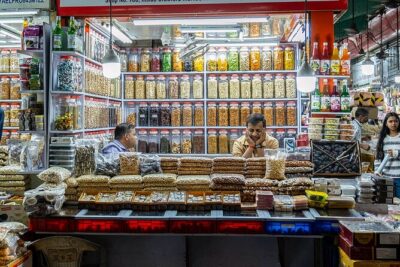

Mumbai Street Food & Bazaar Tour with Local Transport
Read our review →
Vibrant Markets of Mumbai (2 Hours Guided Walking Tour)
Read our review →Browse the lists this tour appears in