

Reviewed · MUMBAI DHARAVI SLUM TOURS
Mumbai: Dharavi Slum and Dhobi Ghat Laundry Tour
Mumbai’s most revealing tour may begin with a washboard, a train ticket, and a walk through Dharavi’s narrow lanes. This three-hour route links Dhobi Ghat, the city’s famous open-air laundry, with the small workshops and homes of Dharavi, where leather, pottery, and recycled plastic support thousands of livelihoods.
I like the way the tour treats Dharavi as a working neighborhood rather than a spectacle. I also like the 15-minute local train ride, which adds a very real piece of Mumbai transport to the day. The main drawback is time: Dhobi Ghat gets about 40 minutes, and some people will wish they could stay longer.
Key points to know before you book

- See laundry on a city-wide scale: Dhobi Ghat handles more than 100,000 clothes a day using methods passed down through generations.
- Meet Mumbai’s small-industry economy: Dharavi includes leather work, plastic recycling, and the pottery community of Kumbhar Wada.
- Ride a local train for 15 minutes: Your guide helps make this short trip part of the experience rather than just a transfer.
- Expect a walking tour, not a sightseeing bus: Narrow lanes, crowds, and uneven conditions require comfortable shoes.
- Guides shape the experience: Ruba, Subhan, Priti, Jawwad, Ansh, and others have been praised for clear explanations, patience, and a respectful approach.
- Pay about $5 per person: At that price, the tour offers unusually good value, though food, drinks, transport to the meeting point, and personal expenses cost extra.
Why Dharavi changes the way you see Mumbai
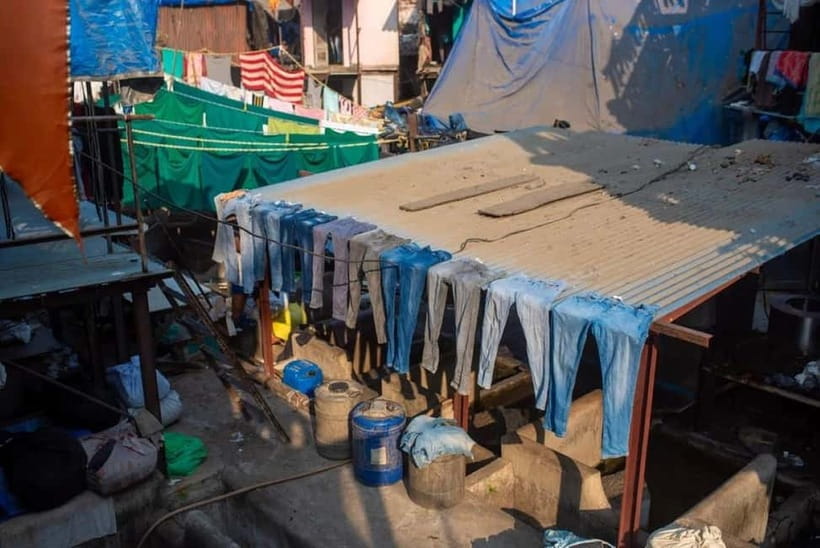
Dharavi is often reduced to a single word, but that label misses the point. On this tour, you see a community that is also a center of manufacturing, repair, recycling, trade, and family life.
The value of a guided walk is context. Without one, you may notice crowded lanes and small workshops but miss how the different industries fit together. An English-speaking guide explains what you are seeing and answers questions about work, housing, daily routines, and the history of the area.
I especially like that the route includes several kinds of work. The leather industry shows one side of Dharavi’s production economy. Plastic recycling shows another, with discarded material being sorted and processed rather than simply treated as waste. Kumbhar Wada adds a centuries-old pottery tradition to the picture.
That variety matters. You are not shown one narrow version of Dharavi. You get a closer look at the practical skills and business activity that keep the neighborhood moving.
The tour also asks you to behave sensibly. Residents are not scenery. Dress modestly, listen to your guide about photography, and do not point cameras into private homes or workplaces without permission. This is one of those outings where your manner matters as much as your curiosity.
More Dhobi Ghat tours in Mumbai
- Mumbai: Dhobi Ghat Laundry and Dharavi Slum Tour with Local
★ 5.0 · 469 reviews - Private Combo Tours Sightseeing + Dharavi Slum + Dhobi Ghat & Dabbawalas
★ 5.0 · 245 reviews - Dabbawala, Dhobi Ghat & Dharavi slum Tour with Local Train Ride
★ 5.0 · 102 reviews
Walking through Dharavi’s leather and recycling workshops
The Dharavi portion is the heart of the tour. The route is described as a guided walk through local industries and community life, with a visit to what is presented as Asia’s largest leather factory.
You should not expect a polished factory tour with display panels and safety rails. The interest is in seeing working methods close to the lanes where people live and earn money. Your guide provides the details that make the stop useful, including how the work is organized and why these industries matter to Mumbai.
The plastic recycling section offers another practical lesson. You learn about the process and the people involved, rather than simply hearing general comments about pollution or poverty. This helps explain why Dharavi is often described as an economic engine, despite the difficult conditions.
The lanes can be tight and crowded. You may need to pause to let people pass, keep your belongings close, and follow your guide carefully. That is not a flaw in the tour, but it is part of the setting. If you prefer wide paths, quiet museums, and a fixed pace, this will feel demanding.
The tour is also not designed as a shopping trip. One guide, Subhan, was praised for helping a visitor find a suitcase at a fair price, but that appears to be an example of helpful local assistance, not a promised part of the program. Do not book expecting shopping time or bargaining support.
Kumbhar Wada and the value of seeing skilled work
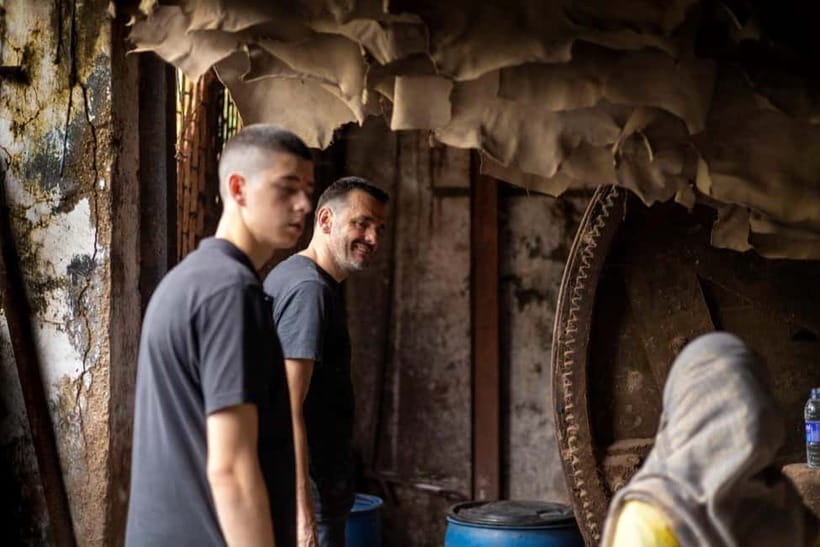
Kumbhar Wada is the pottery-making community included in the route. Its importance is not just visual. Pottery connects the tour to a long-running local craft tradition and shows how specialized work can continue within a dense urban neighborhood.
I find this stop useful because it adds a human scale to the broader industrial story. Leather and recycling can sound like large commercial subjects. Pottery brings you back to individual makers, inherited skills, and the physical effort behind everyday objects.
The supplied timing does not promise a long pottery workshop or a chance to make your own piece. Expect to see and learn about the community rather than take part in a craft class. Your guide’s explanation will likely matter more than the amount of time you spend standing in one place.
Photography may be limited in some sections of Dharavi. Follow instructions without argument. A good photograph is never worth making a worker or resident uncomfortable.
The 15-minute Mumbai local train ride
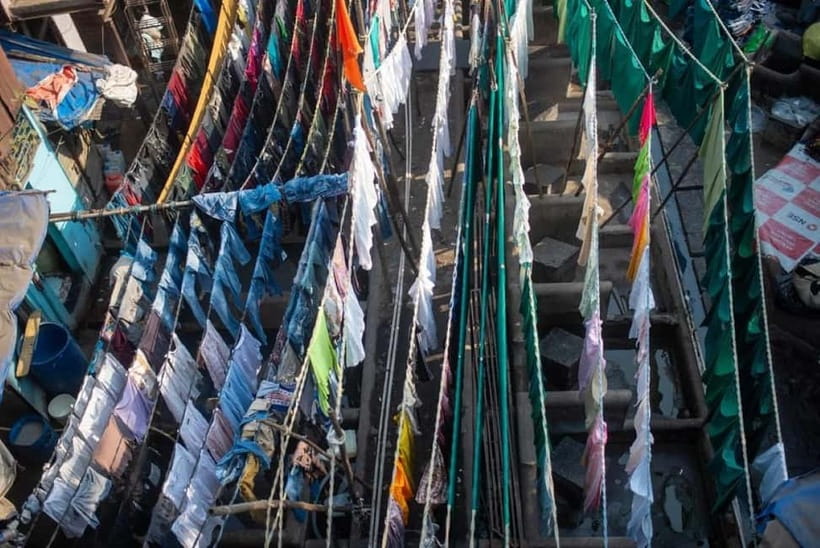
The train segment is short, but it may be the most memorable part for many people. You ride Mumbai’s local railway for about 15 minutes, experiencing one of the city’s main forms of daily transport.
For many visitors, this is their first Indian train ride during a busy period. That makes the trip exciting, but it also means you should prepare for crowds and stay close to your guide. Several guides, including Subhan and Sharon, were specifically praised for arranging or helping with train tickets and keeping the group together.
The train is not presented as a luxury transfer. It is a small slice of ordinary Mumbai movement, and that is precisely why it works. You see how quickly the city moves and how public transport connects very different parts of it.
The short ride also creates a useful change of pace. After walking through Dharavi, you are suddenly moving through the city with commuters. It links the neighborhood industries to the wider city instead of treating Dharavi as an isolated stop.
If crowded transport makes you anxious, take that seriously before booking. The tour information warns you to expect crowded places, and the local train adds another busy setting. Comfortable clothing, a small day bag, water, and attention to your guide will help.
More Dharavi walking tours in Mumbai
- Dharavi slum tour in Mumbai by Female tour guides of the slum
★ 5.0 · 1,976 reviews - Mumbai: Dharavi Slum, DhobiGhat, and Dabbawallas Tour
★ 4.9 · 689 reviews - Dharavi Slum Tour
★ 5.0 · 625 reviews - Dharavi Slum tour in Mumbai by local resident
★ 5.0 · 572 reviews
Dhobi Ghat and Mumbai’s traditional laundry system

Dhobi Ghat is the second major stop. It is known as the world’s largest open-air laundry, with more than 100,000 clothes washed each day through traditional methods.
The tour gives you about 40 minutes here, including a guided visit. You learn how laundry is washed and handled using techniques passed through generations. The appeal is not simply the sight of rows of washing areas. It is the chance to understand the labor, organization, and routine behind a service that supports hotels, hospitals, businesses, and households across Mumbai.
The experience may be viewed from a laundry viewpoint, and some tour accounts describe going downstairs for a closer look. The exact access can depend on conditions and guide arrangements, so do not assume every part of the site will be open in the same way each day.
This is also where the time limit matters most. One visitor felt the Dhobi Ghat portion was too short, and another wanted more time near the washing tanks. I think that is a fair concern. Forty minutes is enough for an explanation and a look around, but not enough for a slow, detailed study of every part of the operation.
Still, the stop works well beside Dharavi. Dharavi shows production in workshops and lanes. Dhobi Ghat shows a traditional service system operating at city scale. Together, they give you a better picture of Mumbai’s working life than a standard monument tour can.
The guides make or break the three hours

This tour depends heavily on the person leading it. The route is not a self-guided walk where a map and a few signs can do the job. You need someone who can explain the setting clearly, handle the train connection, manage the pace, and help you behave respectfully.
Several guides have received especially strong praise. Ruba is described as kind, careful, and well informed, with particular attention to visitor safety in the lanes. Subhan is noted for good English, humor, patience, and an ability to answer many questions. Priti is praised for clear explanations and an empathetic approach to both Dharavi and Dhobi Ghat.
Other named guides include Jawwad, Javed, Ansh, Aarti, Sharon, Kavita, Krishna, Chirag, Ravi, Roopa, Tuba, and Anishika. The exact guide depends on the booking and schedule, so you cannot necessarily request a particular person from the information provided.
The best guides on this route do more than identify buildings. They explain the people and work behind what you see. They also allow questions without rushing every stop. That makes a major difference in a place where a superficial visit could easily leave you with the wrong impression.
The strongest praise centers on clear English, kindness, local understanding, and a respectful tone. Those qualities matter more here than theatrical storytelling.
Price, timing, and what the three hours really include
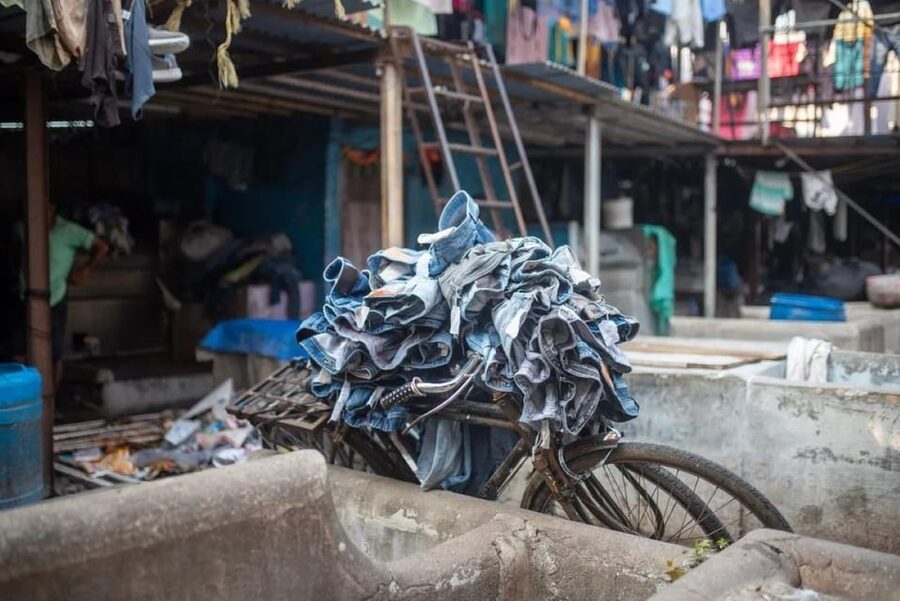
At about $5 per person, this is a remarkably inexpensive way to spend three hours in Mumbai. The price includes the Dharavi walking tour, the Dhobi Ghat visit, local-industry explanations, and the traditional laundry stop.
The value is strongest if you want orientation and context. You are paying for a guide who helps you understand places that would be difficult to interpret on your own, plus a local train experience that adds real city life to the route.
The low price does not mean the day is effortless. You still need to reach the meeting point yourself, and hotel pickup and drop-off are not included. Food, drinks, and personal expenses are also extra. The meeting point can vary by the option booked, with Third Wave Coffee listed as a starting point and either Third Wave Coffee or Mahalaxmi Station listed for the end.
The advertised duration is three hours. The schedule includes a brief Dharavi orientation, the 15-minute train ride, and about 40 minutes at Dhobi Ghat, with the remaining time used for walking and explanations. Because the route passes through working neighborhoods and depends on public transport, allow some flexibility in your wider Mumbai plans.
You can cancel up to 24 hours ahead for a full refund, and the reserve-now, pay-later option lets you keep plans flexible. Those policies are useful if your Mumbai schedule is still changing.
Who should book this Dharavi and Dhobi Ghat tour?

I would recommend it to adults and older children who want to understand how Mumbai works beyond its famous buildings. It suits curious visitors who are comfortable walking, listening, and accepting that the setting may be crowded and visually intense.
It is especially useful for first-time visitors who want a local perspective in a short window. The route covers several subjects without taking a full day, and the train ride gives you a memorable link between the neighborhoods.
You should think twice if you want a relaxed, private experience with plenty of time at each stop. The tour may also be a poor fit for anyone who cannot manage narrow lanes, heavy walking, or crowded public transport. It is not suitable for children under five, pregnant women, or wheelchair users.
Bring comfortable walking shoes, water, sunscreen, and a camera, though photography is restricted in some areas. Smoking is not allowed. Modest clothing and a respectful attitude are essential.
Should you book it?
Book this tour if you want a low-cost, guide-led look at Mumbai’s working communities and you are prepared to walk through crowded lanes. The mix of leather, plastic recycling, pottery, laundry, and local rail travel gives the outing more substance than a simple photo stop.
Skip it if your main goal is a long, relaxed visit to Dhobi Ghat, since 40 minutes may feel brief. For most curious visitors, though, the $5 price, useful local explanations, and chance to see both Dharavi and Dhobi Ghat make this one of Mumbai’s better-value short tours.
FAQ
How long does the Dharavi and Dhobi Ghat tour last?
The tour lasts three hours, including the Dharavi walk, a 15-minute local train ride, and a guided visit to Dhobi Ghat lasting about 40 minutes.
What language is the tour conducted in?
The live tour is conducted in English by a local English-speaking guide.
Where does the tour start?
The listed starting location is Third Wave Coffee. The exact meeting point may vary depending on the option booked.
Where does the tour end?
The tour may finish at Third Wave Coffee or Mahalaxmi Station, depending on the option selected.
Is the local train ride included?
The itinerary includes a 15-minute ride on Mumbai’s local train. Personal expenses and other costs not listed as included are separate.
What should I bring?
Bring comfortable walking shoes, a camera, sunscreen, and water. You should also be prepared for crowds and narrow lanes.
Can children or wheelchair users join?
The tour is not suitable for children under five, pregnant women, or wheelchair users.
Recently added around Mumbai
- Private Walking Tour in Dharavi Slums★ 5.0 · 7 reviews
- Mumbai Sightseeing Tour★ 5.0 · 11 reviews
- Private Mumbai 2-Day Tour Package:City + Slum & Elephanta Island.★ 5.0 · 3 reviews
- Vegetarian Indian Cuisine Virtual Cooking Class Experience from Mumbai★ 5.0 · 4 reviews
- Mumbai by Night Guided Tour★ 5.0 · 6 reviews
- Transfer from Mumbai Airport to Hotel★ 4.0 · 7 reviews
- Full-Day Agra Tour with Taj Mahal From Mumbai By Air★ 5.0 · 8 reviews
- Taj Mahal Day Trip Including Same Day Flights from Mumbai★ 5.0 · 3 reviews
Mumbai Dharavi Slum Tours, compared.
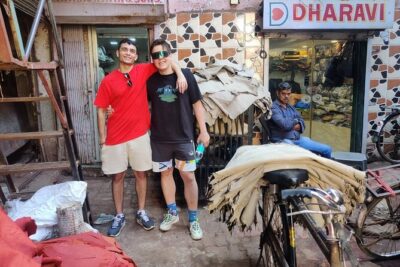
Dharavi slum tour in Mumbai by Female tour guides of the slum
Read our review →
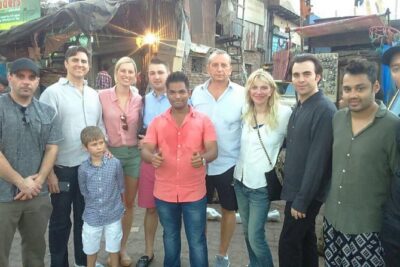
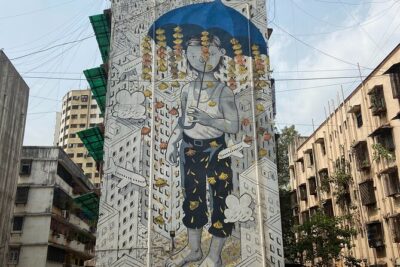
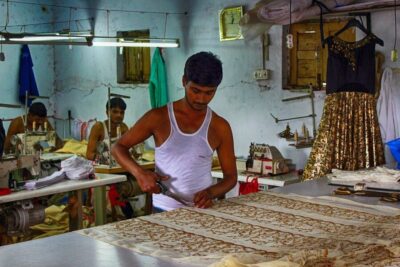
Dharavi Slum Slumdog Millionaire Tour with a Local
Read our review →
Mumbai Slum Tour – Visit Dharavi Slum with Local Guide
Read our review →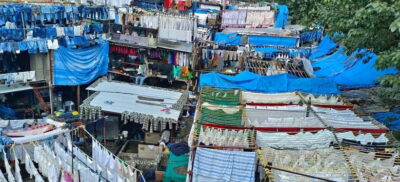
Dhobi Ghat Laundry and Dharavi Slum Tour with Local
Read our review →
Browse the lists this tour appears in