

Reviewed · MUMBAI DHARAVI SLUM TOURS
Private Tour in Mumbai Slum with Sightseeing
Mumbai’s most revealing stop is Dharavi, where a local guide explains homes, workshops, schools, and small businesses instead of reducing the neighborhood to a postcard view. You also see Dhobi Ghat, the city’s famous outdoor laundry, then move through major sights from the Gateway of India to Chhatrapati Shivaji Terminus.
I like the private car and flexible format, since your guide can adjust the day to your interests. I also like that a large portion of the profits is reinvested in Dharavi. The main drawback is pace: ten stops in about eight hours can feel packed, and extra time may sometimes go toward shops unless you clearly ask to focus on historic sights.
Key points at a glance
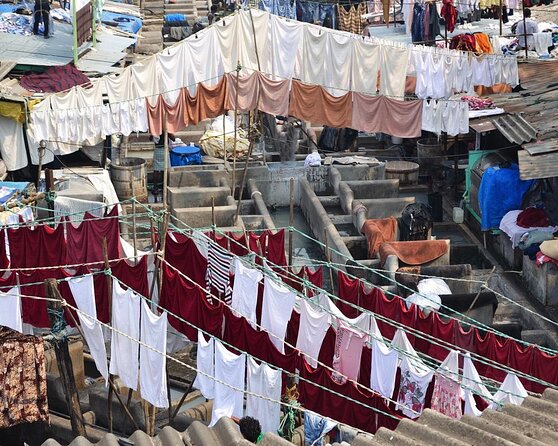
- Dharavi takes about three hours: Expect a serious walking visit through residential and working areas, with discussion of daily life and social issues.
- A local perspective matters: Guides including Sajid, Abhi, Bala, and Hitesh have been praised for clear English and personal stories.
- You cover much of central and south Mumbai: The route includes Dhobi Ghat, Mani Bhavan, Crawford Market, CST, Marine Drive views, and the Gateway of India.
- The private vehicle saves time: Pickup and air conditioning make a long Mumbai day easier, especially when traffic slows the city.
- The tour has a social purpose: A large portion of the profits goes back into Dharavi.
- Plan for a full, active day: You need moderate physical fitness, and the schedule includes walking as well as repeated car transfers.
Why this tour gives you more than a standard Mumbai sightseeing loop
Mumbai can be hard to read at first. Grand colonial buildings, crowded roads, polished high-rises, religious sites, railway stations, and informal neighborhoods all sit close together. This tour tries to show those different sides in one long day.
The unusual part is the balance between city sightseeing and a three-hour visit to Dharavi. The Dharavi portion is not a quick roadside viewpoint. You walk through different sections and learn about local life, industry, and social issues. That makes the visit more useful than simply looking at the area from a vehicle.
I especially value the local connection. Some guides, including Sajid and Abhi, are from Dharavi or grew up there. That does not make every explanation automatically perfect, but it can give the conversation a personal angle that a general city guide may not offer.
The private format also changes the mood. You are not tied to a large group’s questions or walking speed. If you want more time on Gandhi, Jainism, architecture, or everyday work, tell your guide early. One useful tip is to state your priorities at the start, since spare time may otherwise be filled with shopping stops.
More Dharavi walking tours in Mumbai
- Dharavi slum tour in Mumbai by Female tour guides of the slum
★ 5.0 · 1,976 reviews - Mumbai: Dharavi Slum, DhobiGhat, and Dabbawallas Tour
★ 4.9 · 689 reviews - Dharavi Slum Tour
★ 5.0 · 625 reviews
Three hours in Dharavi, with context and care
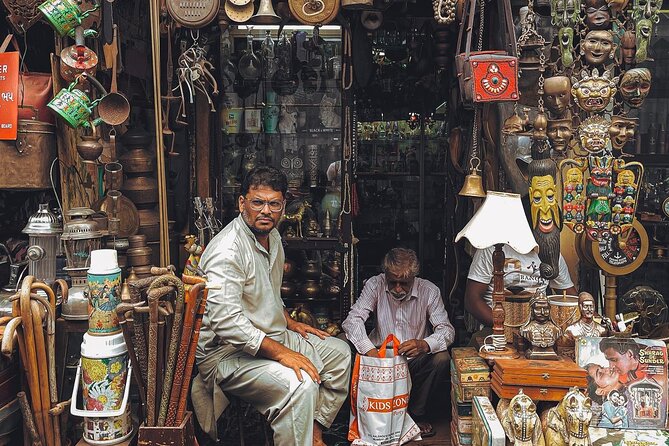
Dharavi is the heart of this experience. The visit is designed as an educational walk through different neighborhoods, with attention to homes, local work, community life, and social concerns.
You should approach this part with respect. Dharavi is not a theme park, and the people who live and work there are not scenery. The value comes from learning how residents earn money, organize family life, and manage daily pressures in a dense urban setting.
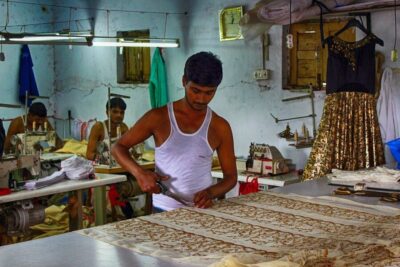
The tour also presents Dharavi as a working place. Small-scale industries are part of the story, and the walking route may include industrial areas, leather work, residential lanes, and school areas. The point is not only hardship. You get a view of enterprise, family businesses, and the practical effort required to support a household.
Several guides have been praised for making this visit clear and personal. Sajid has been described as thoughtful, passionate, and especially good at explaining local industries and community life. Abhi has also been praised for showing both the industrial and residential areas, while Bala has received strong feedback for explaining life in Dharavi in understandable English.
You will walk for a substantial part of the three hours. Wear comfortable shoes, keep your clothing practical, and bring patience. The supplied water bottle is useful, but the tour information does not promise meals, so plan accordingly.
The social purpose matters here. A large portion of the tour’s profits is reinvested in Dharavi, giving the visit a more direct connection to the community than a purely commercial sightseeing stop. Still, you should choose this tour because you want to listen and learn, not because you want dramatic photographs.
Dhobi Ghat and Mumbai’s working side
Dhobi Ghat takes about an hour and gives you a different view of urban work. It is one of the world’s largest outdoor laundry facilities, with rows of wash pens used by families whose work has passed through generations.
The setting is visually striking, but the best part is the explanation of how the operation functions. Color-coded wash pens help organize the work, and the family nature of the business gives the place a strong connection between home and employment.
This stop pairs well with Dharavi. Both places show Mumbai through work rather than monuments. At Dharavi, you hear about many small businesses and local industries. At Dhobi Ghat, the focus narrows to laundry and the people who keep that system moving.
You should not expect a long, independent exploration of every corner. The stop lasts about an hour, and the day has many more places ahead. Think of it as a focused visit with time to observe and ask questions.
Antilia and the sharp contrasts of Mumbai
The 30-minute stop at Antilia offers a quick look at one of Mumbai’s most famous modern residences. It is known for its striking architecture and extreme cost, making it a sharp contrast with the working neighborhoods visited earlier.
There is no admission included, though the tour details do not list an entry visit. In practice, this is best understood as an outside look and a discussion point rather than a museum stop.
That contrast is part of the day’s design. Mumbai can place immense wealth and modest living within the same broad urban area. Antilia helps you see the city’s economic range, but do not expect a detailed architectural tour unless your guide chooses to explain more.
More city sightseeing tours in Mumbai
- Mumbai: Full-Day Sightseeing Tour of Mumbai
★ 4.9 · 1,822 reviews - Private Mumbai Sightseeing Tour (Traveller’s Choice Award Winner)
★ 5.0 · 1,565 reviews - Highlights of Mumbai Sightseeing Tour: TRAVELLERS CHOICE AWARDED
★ 5.0 · 915 reviews - Highlights of South Mumbai Guided Private Tour in AC Vehicle
★ 5.0 · 620 reviews
Banganga and the Jain Temple
Banganga is a 30-minute stop with a strong religious and legendary connection. According to local tradition, Lord Rama created the tank by shooting an arrow into the ground to draw water. The name comes from the words for arrow and the Ganges river.
The stop is free and relatively short. It gives you a chance to see a sacred place tied to local belief, rather than another large monument built for visitors.
The Jain Temple adds another religious layer. Jainism is a minority faith in India, known for its focus on non-violence and spiritual release. The visit can be especially worthwhile if you tell your guide that you want cultural background rather than a quick exterior stop.
One guide was specifically praised for explaining Jainism and its different sects. That detail suggests the tour can become more meaningful when you ask questions. Religious sites reward a calm approach, modest clothing, and attention to local customs.
Mani Bhavan and Gandhi’s Mumbai
Mani Bhavan is one of the day’s clearest historical stops. The house is linked to Mahatma Gandhi’s work for Indian independence through non-violence and civil disobedience.
You have about 30 minutes here. That is enough for a focused visit, but not enough for an unhurried study of every display. If Gandhi’s political work is a major interest, tell your guide before the tour begins so the stop receives the attention you want.
I like the way Mani Bhavan breaks up the day. After the close-up look at work and community in Dharavi, you move into a place connected to national politics and social change. It adds meaning to the broader story of Mumbai.
Crawford Market, CST, and the city’s historic center
Crawford Market is scheduled for about 30 minutes. It is both a shopping area and a historic commercial landmark, with a long connection to Mumbai’s trade and mixed communities.
This stop can be lively and crowded, but the tour details do not guarantee a particular shopping experience or product visit. If you are not interested in buying things, say so. The day is already full, and your time may be better spent hearing about the market’s role in city life.
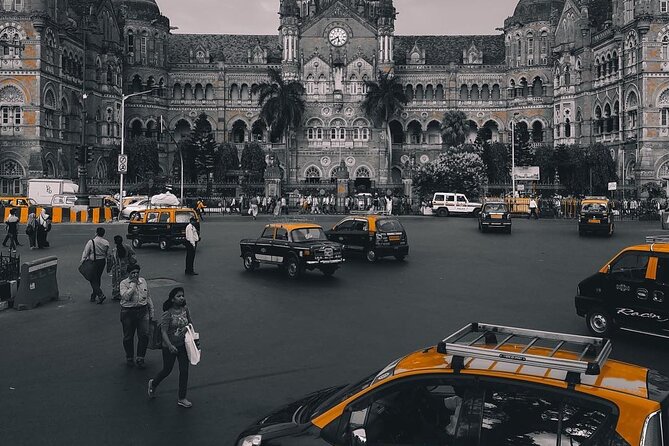
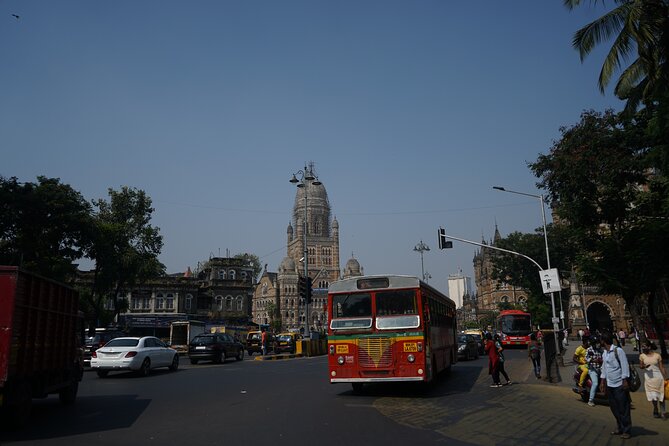
Chhatrapati Shivaji Terminus is one of the strongest architectural stops. It remains a working transport hub as well as a major historic building, so you see Mumbai’s past alongside its daily movement.
Thirty minutes is enough to appreciate the exterior and hear the main points. It is not enough for a detailed architectural study. Still, this is one place where the short format works well: the building makes an immediate impression, and the guide can explain its colonial-era design and continuing role.
Gateway of India and Kamala Nehru Park
The Gateway of India receives another 30-minute stop. It is one of Mumbai’s best-known symbols and a natural place for photographs, a short walk, and an explanation of the city’s colonial past and connection to the harbor.
Because the stop is short, you should not expect a long waterfront visit. The benefit is coverage. You see the famous landmark without giving up the more unusual parts of the day.
Kamala Nehru Park provides a different kind of finish. Its distinctive shoe-shaped layout gives the park its nickname, and the higher position offers views toward the city and Marine Drive.
Admission is not included at Kamala Nehru Park, unlike the included vehicle and water bottle. The schedule allows 30 minutes, so the stop is mainly about the view rather than an extended park visit.
How the private car changes the day
Mumbai traffic can make a simple route take much longer than expected. An air-conditioned private vehicle is therefore more than a comfort feature. It lets you move between widely separated stops without figuring out local transport each time.
Pickup is offered, and the driver handles the road while your guide handles the explanations. Several accounts praise drivers for arriving on time and managing Mumbai traffic well. That matters on a day with ten scheduled stops.
The private format is also useful for solo visitors and small groups. You can ask for a slower explanation at Dharavi, more time for Gandhi, or greater attention to architecture. The tour is described as customizable, but flexibility has limits because the planned day is already dense.
The main logistical tradeoff is pace. Three hours in Dharavi, one hour at Dhobi Ghat, and eight shorter stops leave little room for long meals or spontaneous wandering. If your ideal Mumbai day is slow and unplanned, this may feel too intensive.
Is the $61.37 price good value?
At $61.37 per person, the price is reasonable for an approximately eight-hour private tour that includes pickup, an air-conditioned vehicle, a guide, and a water bottle. A private vehicle alone can make a full Mumbai day easier, especially when you divide the cost among several people.
The strongest value comes from the range of the route. You are not paying only for a short Dharavi walk. The day also covers Dhobi Ghat, religious sites, Gandhi’s museum, Crawford Market, CST, the Gateway of India, and city viewpoints.
The price does not include tips. It also does not list meals or entrance charges for places where admission may apply, and Antilia has no included admission. Keep a little extra money available, and ask your guide at the start what you will actually enter.
The social reinvestment in Dharavi adds another reason to consider the cost. You are supporting an experience that directs a large portion of its profits back into the community, though you should still judge the tour by the quality and respect of the visit itself.
Who should book this Mumbai day?
I would choose this tour if you have one full day in Mumbai and want both major landmarks and a closer look at daily life. It suits first-time visitors who want a broad introduction without managing complicated city transport.
It is also a good fit for people who value conversation. The best parts depend on asking questions, especially in Dharavi, at Banganga, at the Jain Temple, and at Mani Bhavan.
You should think twice if you dislike walking, crowded urban areas, or a tightly packed schedule. The tour requires moderate physical fitness, and the Dharavi section lasts three hours.
Families with older children may find the social and cultural material useful, but the subject matter is serious. Solo visitors and couples can benefit from the private format, while groups may find the per-person price especially fair.
Booking advice and cancellation details
Book at least a little ahead if possible. This experience is often reserved about 38 days before the date, suggesting that popular travel periods can fill early.
You can cancel for a full refund up to 24 hours before the start time. Cancellations or changes within 24 hours are not refunded or accepted. The tour also requires good weather. If poor weather causes cancellation, you are offered another date or a full refund.
Should you book it?
Book this tour if you want Mumbai explained through its people, work, faith, politics, and famous buildings, not just photographed from a car. Dharavi is the reason to go, and the private format lets you approach that visit with more care and flexibility.
Before setting off, tell your guide whether you care most about history, religion, architecture, or local business. Also make clear if you want to avoid shopping stops. With those expectations set, this is a strong-value way to see many sides of Mumbai in one demanding but rewarding day.
FAQ
How long does the private Mumbai tour last?
The tour lasts approximately eight hours.
What places are included?
The route includes Dharavi, Dhobi Ghat, Antilia, Banganga, the Jain Temple, Mani Bhavan Gandhi Museum, Crawford Market, Chhatrapati Shivaji Terminus, the Gateway of India, and Kamala Nehru Park.
Is hotel pickup available?
Yes. Pickup is offered as part of the experience.
Is this a private tour?
Yes. Only your group participates.
Is transportation included?
Yes. An air-conditioned vehicle and a water bottle are included.
Are admission tickets included?
Dharavi and Dhobi Ghat list admission as included. Banganga, the Jain Temple, Mani Bhavan Gandhi Museum, Crawford Market, Chhatrapati Shivaji Terminus, and the Gateway of India are listed as free stops. Admission is not included for Antilia or Kamala Nehru Park.
Do I need to be physically fit?
You should have a moderate level of physical fitness, especially because the Dharavi portion lasts about three hours and includes walking.
What is the cancellation policy?
You receive a full refund if you cancel at least 24 hours before the start time. Cancellations or changes within 24 hours are not accepted or refunded. If poor weather cancels the tour, you can choose another date or receive a full refund.
Recently added around Mumbai
- Private Walking Tour in Dharavi Slums★ 5.0 · 7 reviews
- Mumbai Sightseeing Tour★ 5.0 · 11 reviews
- Private Mumbai 2-Day Tour Package:City + Slum & Elephanta Island.★ 5.0 · 3 reviews
- Vegetarian Indian Cuisine Virtual Cooking Class Experience from Mumbai★ 5.0 · 4 reviews
- Mumbai by Night Guided Tour★ 5.0 · 6 reviews
- Transfer from Mumbai Airport to Hotel★ 4.0 · 7 reviews
- Full-Day Agra Tour with Taj Mahal From Mumbai By Air★ 5.0 · 8 reviews
- Taj Mahal Day Trip Including Same Day Flights from Mumbai★ 5.0 · 3 reviews
Mumbai Dharavi Slum Tours, compared.

Dharavi slum tour in Mumbai by Female tour guides of the slum
Read our review →

Dharavi Slum Slumdog Millionaire Tour with a Local
Read our review →
Mumbai Slum Tour – Visit Dharavi Slum with Local Guide
Read our review →
Dhobi Ghat Laundry and Dharavi Slum Tour with Local
Read our review →
Browse the lists this tour appears in