
Reviewed · MUMBAI DHARAVI SLUM TOURS
Private Dharavi Slum Tour
Dharavi is not a staged attraction. It is a working neighborhood where homes, workshops, shops, religious communities, and small factories share a tightly packed area. This private two-hour walk takes you into that daily world with a guide who lives in the community and understands its streets from the inside.
I like the local student guides, including Aarti and Abishek, and I like the focus on work rather than spectacle. You learn how recycling, leather, dyeing, pottery, soap, and food production support the area. The main drawback is that the lanes are narrow and the conditions are basic, with poor drainage, limited toilets, and flood risks during the monsoon.
This tour suits you if you want a direct look at one of Mumbai’s most talked-about neighborhoods and can approach it with respect. It is not a photo stop: cameras and photography are not allowed, so you will need to pay attention, listen, and leave the neighborhood’s privacy intact.
Key points to know before you book
- A local guide leads the walk: Guides such as Aarti and Abishek are students who live in Dharavi and can explain the area from personal experience.
- The tour is about work as much as housing: Expect discussion of plastic recycling, used cooking-oil cans, leather, dye production, pottery, soap, poppadom baking, and other small industries.
- You travel privately from Mumbai: Hotel pickup and drop-off come by private air-conditioned vehicle, with a driver, water, tolls, parking, and taxes included.
- Photography is prohibited: You cannot bring or use a camera, so this is a listening and observing experience rather than a picture-taking outing.
- The neighborhood is very dense: Narrow alleys, limited sanitation, and monsoon flooding are part of the reality you should be ready to encounter.
- The tour costs $65 per person: The price makes the most sense if you value private transport and a community-based guide rather than a quick drive-by view.
Entering Dharavi with a guide who lives there
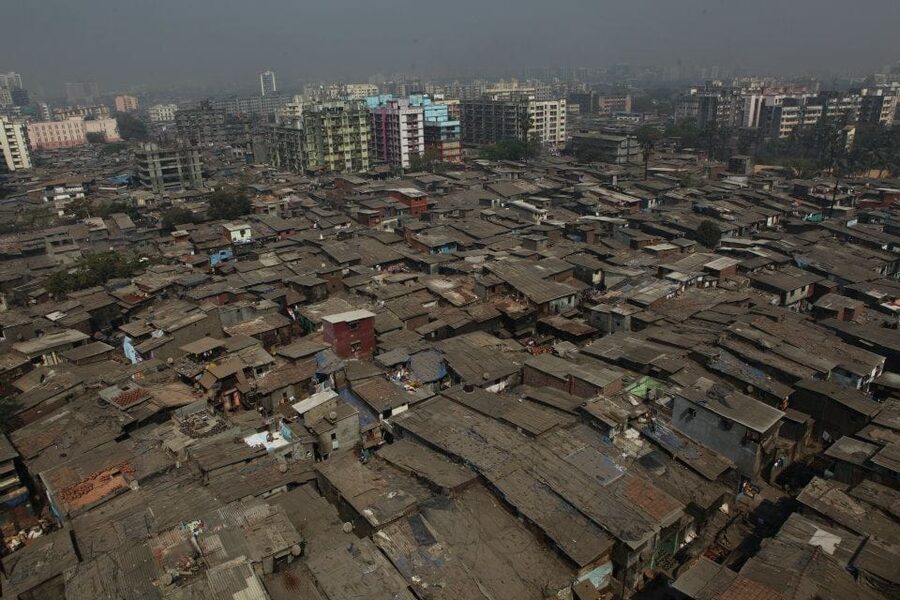
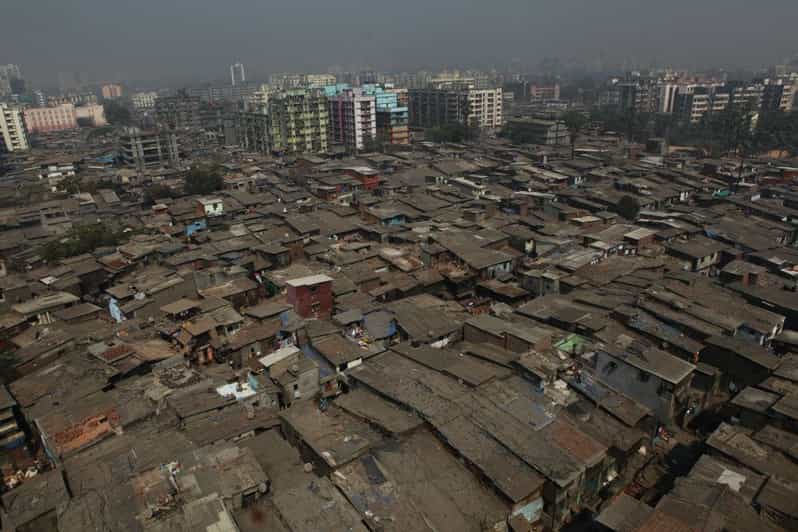
Dharavi is often introduced with superlatives. It is described as the second-largest slum in Asia and the third-largest in the world, though its exact population is unknown. Estimates range from about 300,000 to one million people across roughly 200 hectares, or 500 acres.
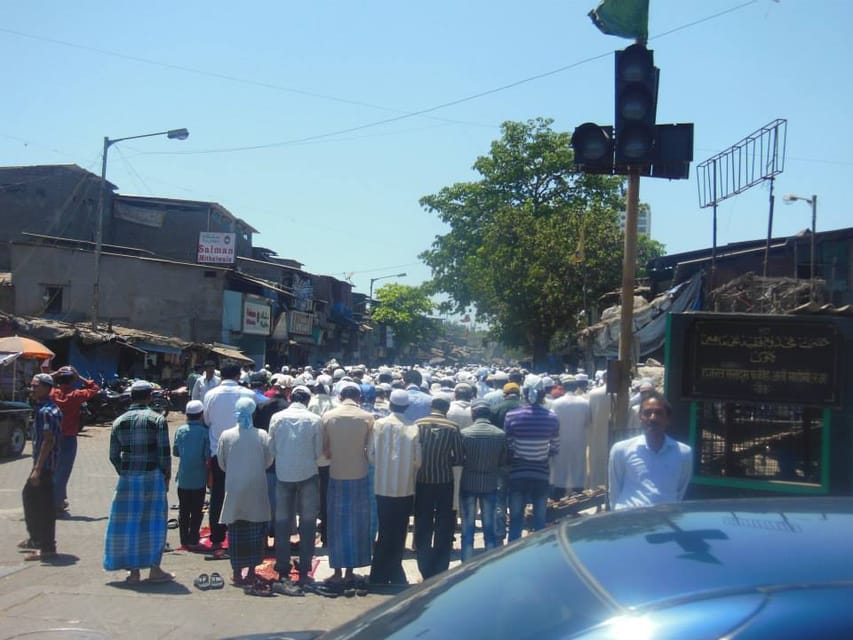
Those figures are useful only up to a point. Once you enter the lanes, the important fact is how much life and work is packed into a small area. A home may sit close to a workshop, a shop may open directly onto a passage, and several communities may share the same tight network of streets.
Your guide meets you in your hotel lobby wearing a purple shirt with a footprint logo. From there, a private air-conditioned vehicle takes you from Mumbai to Dharavi. The pickup is a practical part of the experience, especially in Mumbai traffic, and the private format means you are not waiting for a large group to gather at several hotels.
The walk itself lasts two hours. That is enough time to see a range of activities and ask questions without turning the visit into an all-day commitment. It is also short enough to keep in mind the physical demands of walking through crowded, uneven, and confined areas.
The student-guide approach matters here. A guide who lives in Dharavi can explain more than a list of facts. You can ask about the different communities, the way businesses operate, and how people use such a tightly packed neighborhood. The strongest guide feedback has centered on courtesy, clear English, professionalism, and a reassuring manner. Aarti, Abishek, and other guides are named in the tour information, while driver Mukesh is also singled out for friendly and professional service.
More Dharavi walking tours in Mumbai
- Dharavi slum tour in Mumbai by Female tour guides of the slum
★ 5.0 · 1,976 reviews - Mumbai: Dharavi Slum, DhobiGhat, and Dabbawallas Tour
★ 4.9 · 689 reviews - Dharavi Slum Tour
★ 5.0 · 625 reviews
A working neighborhood, not a movie set
The 2008 film Slumdog Millionaire brought Dharavi to a worldwide audience. The tour points out areas connected with the film, which may interest anyone who wants to understand how the neighborhood appeared on screen.
Still, the movie connection should be a small part of your reason for going. Dharavi is not simply a film location. It is a place where people live and earn money, and the tour is more useful when you treat the movie as an entry point rather than the main event.
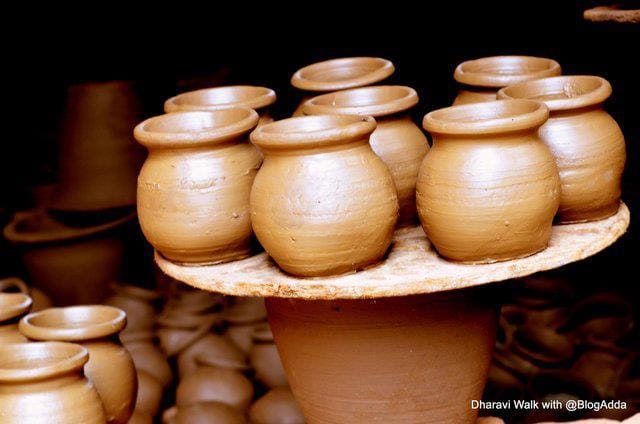
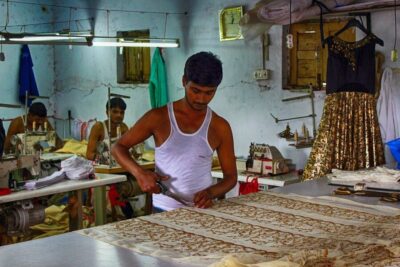
I find the work stories more worthwhile than the screen connection. You can learn about plastic recycling, leather manufacturing, dye production, pottery, soap production, poppadom baking, and the recycling of used vegetable-oil cans. These trades show how small-scale industry functions inside a dense urban community.
The variety is one of the tour’s best features. You are not looking at one trade or one social group. Dharavi includes a wide range of communities, and the walk is intended to help you understand that mix. The exact businesses open on the day may vary, but the area is known for its many forms of production.
A Design Museum opened in Dharavi in February 2016, adding another layer to the neighborhood’s creative and working identity. The supplied tour details do not promise a museum visit, so you should not book this experience expecting that stop. The value is in the guided walk through the community and its trades.
What the two-hour walk feels like
The route takes you through narrow alleys, so the pace is likely to be measured rather than brisk. You will need comfortable shoes, as requested by the operator, and you should expect to spend the visit on foot rather than looking out from a vehicle.
The tight lanes are part of what makes the experience memorable, but they are also a clear consideration. You may find the space crowded or physically tiring. If you dislike confined areas, have difficulty walking, or want a polished sightseeing route, this may not be the right Mumbai activity for you.
The tour is private, which helps with questions and personal attention. You can ask your guide to explain a trade, clarify a custom, or provide context about an area instead of simply following a large crowd. Private does not mean quiet or spacious, however. The neighborhood remains a compact working community around you.
You also need to adjust your expectations about comfort. Dharavi has poor sewage and drainage systems, and monsoon flooding is a known problem. Water comes from public standpipes, while toilets are limited and often in poor condition. These details are not minor background facts. They shape daily life in the area and explain some of the public health challenges residents face.
The mention of Mahim Creek is especially sobering. Local residents use it for urination and defecation, contributing to the spread of contagious disease. The tour may not take you to every location connected with these conditions, but you should understand that the visit includes exposure to a neighborhood facing serious infrastructure problems, not just colorful workshops.
Seeing community life without a camera
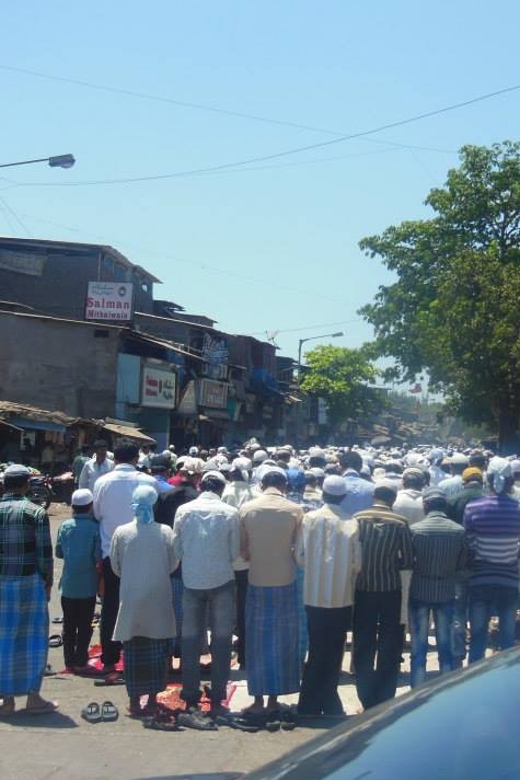
The ban on cameras and photography is one of the most important rules. You cannot bring a camera, and the instructions clearly say no photographs. That may disappoint you if you think of Dharavi mainly as a visual subject, but the restriction protects privacy in a place where homes and workplaces sit close together.
I consider this a strength, even though it limits what you can take home. You are encouraged to watch and listen instead of turning residents into pictures. The rule also helps set the tone: this is a guided community visit, not a photographic expedition.
Approach the walk with the same care you would use when visiting any residential neighborhood. Listen to your guide, do not treat people or workplaces as displays, and avoid assuming that poverty tells the whole story. The area has difficult living conditions, but it also has trades, skills, community networks, and economic activity.
That balance is important. Dharavi can be described only as a slum, but that label leaves out the businesses and relationships that make it function as a mini-city. It can also be presented too positively, as if close community ties erase sanitation and flood problems. A good visit keeps both truths in view.
A few more Mumbai tours and experiences worth comparing
- Private Mumbai Sightseeing Tour (Traveller’s Choice Award Winner)
★ 5.0 · 1,565 reviews - Private Guided Walking Tour in Fort & Colaba
★ 5.0 · 895 reviews - Highlights of South Mumbai Guided Private Tour in AC Vehicle
★ 5.0 · 620 reviews - Private Mumbai Sightseeing Tour(Travellers Choice Award Winner)
★ 5.0 · 565 reviews
The trades that make the tour worthwhile
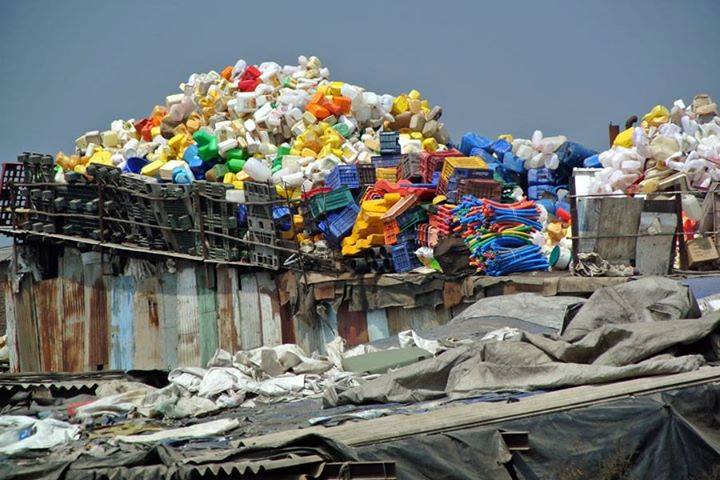
The industrial side of Dharavi gives the walk its clearest purpose. You may learn how materials are sorted and reused, how leather is handled, or how dyes and other products are made. The area’s work ranges from recycling to food preparation, and each trade helps explain why Dharavi is more than a residential district.
Plastic recycling is one of the better-known activities. Used materials move through a network of collection, sorting, processing, and resale. The exact operation you see can vary, but the general lesson is clear: the neighborhood supports a large amount of work in very little space.
Leather manufacturing offers a different view. It shows how a traditional craft and a commercial supply chain can operate within a residential setting. The same is true of pottery, soap production, and poppadom baking. Each activity gives you a reason to look beyond the lanes themselves and ask how families and workers earn a living.
The recycling of vegetable-oil cans is an especially unusual detail. It is the kind of small, specific trade you are unlikely to understand from a standard Mumbai sightseeing route. Your guide can connect these activities to the wider economy and show how many livelihoods are built from materials other parts of the city discard.
The work can also make the tight layout easier to understand. Workshops need space, but space is scarce. Homes and businesses operate side by side, creating a neighborhood that may feel crowded yet highly organized to the people who use it every day.
Why private transport adds real value
At $65 per person, this is not the cheapest way to see Dharavi. The price includes hotel pickup and drop-off, a private air-conditioned vehicle, an English-speaking licensed professional guide, water, tolls, parking, and taxes.
That package matters most if you value convenience. Mumbai traffic can make a short distance take time, and having a car arranged for both directions removes one layer of planning. You do not need to work out a separate taxi arrangement after a two-hour walk, and you return to your hotel by private vehicle.
The price is easier to justify for a private group than for a solo visitor comparing it with a basic shared walk. You are paying for the guide’s time, transport, and a more personal format. If you are traveling alone, $65 may feel high for two hours. If you are sharing the cost with companions, the private setup becomes more reasonable.
Food and shopping are not included. That is not a serious problem, since the main point is the walk and the local businesses are not presented as a shopping program. Still, you should budget separately if you want to eat before or after the tour.
One older comment noted that the transportation could be improved, while the more recent comments praise the driver and guide team. I would treat the car as useful transport rather than a special part of the sightseeing. The real value lies in the local guide and the access to working areas.
Who will appreciate this experience
You should consider this tour if you want:
- A local view of Dharavi rather than a drive past its edge.
- A private guide who can answer questions as you walk.
- Insight into small industries and recycling.
- A respectful alternative to taking photographs.
- Hotel transport in an air-conditioned car.
- A short activity that fits into a busy Mumbai schedule.
It is a good match for curious adults, first-time Mumbai visitors, and anyone interested in urban development, informal economies, or community life. It also suits you if you prefer a focused two-hour visit instead of a full-day excursion.
You may want to skip it if you mainly want famous monuments, shopping, food, or comfortable sightseeing. You should also think twice if poor sanitation, narrow lanes, or the inability to take pictures would make you uncomfortable.
The word private can sound luxurious, but that does not describe the setting. The group is private; Dharavi is still dense, active, and basic. Go for the guide and the insight, not for comfort.
Timing, cancellation, and practical preparation
The tour lasts two hours inside Dharavi, with pickup and return in Mumbai. Starting times depend on availability, so you should check the schedule before booking rather than assume a particular departure.
Wear comfortable shoes. That is the one specific item you are told to bring, and it makes sense for a walking route through narrow lanes. Since photography is prohibited, you can leave your camera behind and focus on the guide’s explanations.
The tour is conducted in English. You meet the guide in your hotel lobby, and the purple shirt with the footprint logo helps you identify the correct person. Free cancellation is available up to 24 hours before the activity for a full refund, and you can reserve now and pay later, which gives you some flexibility when arranging a Mumbai itinerary.
The overall rating is 5 out of 5 from 13 reviews, with repeated praise for courteous guides, good English, organization, and a strong sense of safety. Those comments support the idea that the human side of the tour is its main asset, though one older comment suggests that transport service has not always been perfect.
Should you book the Private Dharavi Slum Tour?
Book it if you want to understand Dharavi as a living, working community and you are prepared to see difficult conditions without turning them into entertainment. The local student guides, private format, and focus on trades give the visit more meaning than a quick stop for a famous name.
At $65 per person, it is best value when hotel transport and private guiding matter to you, or when two or more people can share the cost. It is less convincing if you are on a tight budget or simply want to see where Slumdog Millionaire was filmed.
My advice is to book with the right expectations. Bring comfortable shoes, leave the camera behind, listen carefully, and give the neighborhood the respect you would want in your own home. If that sounds like your kind of Mumbai experience, this short tour can offer a serious and useful look at a part of the city that most standard sightseeing routes leave out.
FAQ
How long does the Private Dharavi Slum Tour last?
The Dharavi walking portion lasts two hours. Hotel pickup and drop-off in Mumbai are also included, so the full time from leaving your hotel to returning will be longer.
What is included in the $65 price?
The price includes hotel pickup and drop-off, private air-conditioned transportation, an English-speaking licensed professional guide, water, tolls, parking, and taxes.
Can I take photographs during the tour?
No. Cameras are not allowed, and the tour instructions state that photography is prohibited.
Who leads the Dharavi tour?
The guides are English-speaking professionals, and the tour information says the guides are students who live in Dharavi. Named guides include Aarti and Abishek.
What should I bring?
Bring comfortable shoes for the two-hour walk. You should not bring a camera because photography is not permitted.
Can I cancel the tour for a full refund?
Yes. You can cancel up to 24 hours in advance for a full refund. The activity also allows you to reserve now and pay later.
Recently added around Mumbai
- Private Walking Tour in Dharavi Slums★ 5.0 · 7 reviews
- Mumbai Sightseeing Tour★ 5.0 · 11 reviews
- Private Mumbai 2-Day Tour Package:City + Slum & Elephanta Island.★ 5.0 · 3 reviews
- Vegetarian Indian Cuisine Virtual Cooking Class Experience from Mumbai★ 5.0 · 4 reviews
- Mumbai by Night Guided Tour★ 5.0 · 6 reviews
- Transfer from Mumbai Airport to Hotel★ 4.0 · 7 reviews
- Full-Day Agra Tour with Taj Mahal From Mumbai By Air★ 5.0 · 8 reviews
- Taj Mahal Day Trip Including Same Day Flights from Mumbai★ 5.0 · 3 reviews
Mumbai Dharavi Slum Tours, compared.
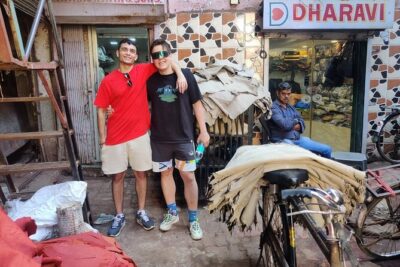
Dharavi slum tour in Mumbai by Female tour guides of the slum
Read our review →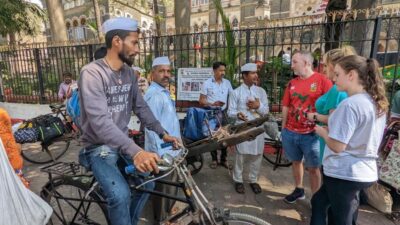
Dharavi Slum Slumdog Millionaire Tour with a Local
Read our review →
Mumbai Slum Tour – Visit Dharavi Slum with Local Guide
Read our review →
Dhobi Ghat Laundry and Dharavi Slum Tour with Local
Read our review →
Browse the lists this tour appears in