
Reviewed · MUMBAI DHARAVI SLUM TOURS
Mumbai: Private Dhobi Ghat Laundry & Slum Tour with Pickup
Mumbai’s most revealing sights are often the ones that show how the city works. This private tour pairs Dhobi Ghat’s hand-washed laundry with a guided walk through Dharavi, where homes, workshops, shops, schools, and family life share a tightly packed neighborhood.
I like two things here: you meet a local guide who can explain the area from lived experience, and you see working Mumbai rather than only grand buildings and monuments. Guides such as Alkama and Mohammad have been praised for clear English, patience, and pride in what they show. The main consideration is that Dharavi is a real residential and work community, not a staged attraction, so you need to visit with care and accept that some sights may feel confronting.
Key points to know before booking
- Dhobi Ghat is a working laundry: See where clothes from hotels, hospitals, hostels, and homes are washed and prepared by Mumbai’s dhobis.
- Dharavi is both a neighborhood and business center: The walk covers plastic recycling, leather, garment, textile, and metal work.
- Your local guide shapes the visit: Alkama, Mohammad, and Muhammad are among the guides praised for their communication and personal understanding of Mumbai.
- The tour challenges film stereotypes: You visit an area connected with Slumdog Millionaire, then look beyond the movie version of Dharavi.
- Pickup and drop-off simplify the day: The private format includes hotel transport, entrance fees, and a bottle of water.
- The price is low for a private tour: At $19 per person, the value comes from local interpretation and access to places you would not understand as well alone.
Why combine Dhobi Ghat with Dharavi?
These two stops tell different parts of the same Mumbai story. Dhobi Ghat shows an old service industry working in public view. Dharavi shows how homes and small businesses fit together in a dense urban community.
I like this pairing because it keeps the tour from becoming a single story about poverty. At Dhobi Ghat, you see labor, routine, and organization. In Dharavi, you see work, housing, family life, and enterprise side by side. The guide helps connect those pieces instead of leaving you with a quick look and a few photographs.
The tour also works as a useful correction to the image many people carry from films and headlines. Dharavi has difficult conditions, but it is not simply a place of misery. It is also a place where people earn a living, raise children, run workshops, and support one another.
That balance matters. You should still expect some cramped passages and hard realities. But the stated aim of the tour is to move beyond stereotypes, and the guiding style described by visitors supports that goal.
More Dhobi Ghat tours in Mumbai
- Mumbai: Dhobi Ghat Laundry and Dharavi Slum Tour with Local
★ 5.0 · 469 reviews - Mumbai: Dharavi Slum and Dhobi Ghat Laundry Tour
★ 5.0 · 317 reviews - Private Combo Tours Sightseeing + Dharavi Slum + Dhobi Ghat & Dabbawalas
★ 5.0 · 245 reviews
Starting with Mumbai’s famous open-air laundry
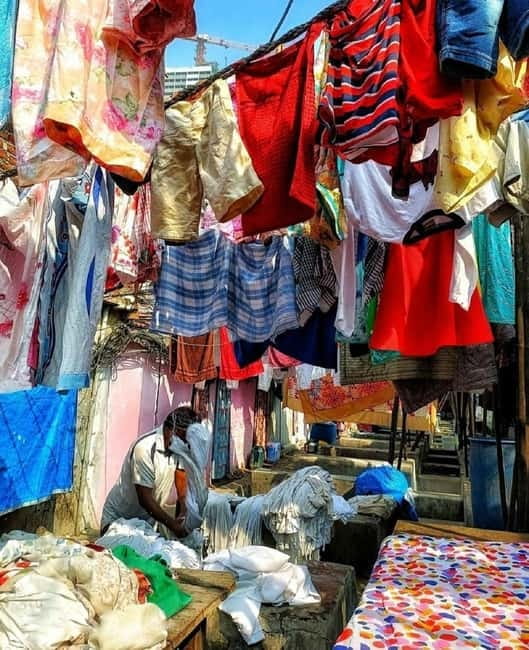
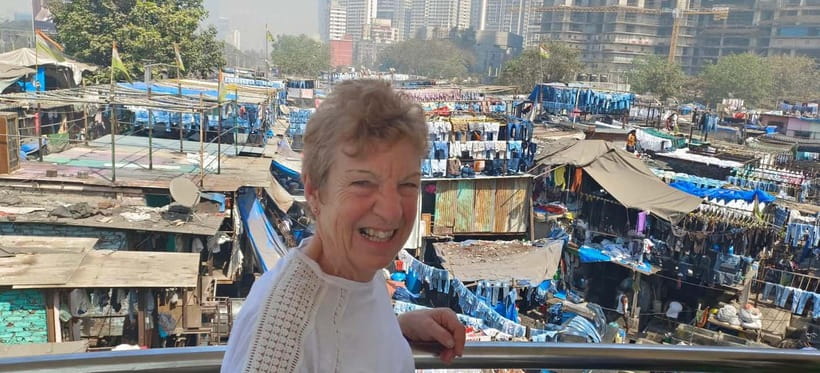
Dhobi Ghat has operated for more than a century and is described as the world’s largest open-air laundry. Clothes arrive from across Mumbai, including garments from hotels, hospitals, and hostels.
As you look across the facility, you can expect to see rows of washing areas and the dhobis, the washermen and women who clean, dry, press, and return the clothes. The appeal is not just visual. This is a working system that has served the city for generations.
I find the stop valuable because it gives you a close look at an everyday service that most visitors would never notice. Mumbai’s hotels and institutions need clean laundry, and Dhobi Ghat handles that work through human skill and repeated routine.
Do not expect a museum presentation. It is a functioning workplace, so the exact activity and level of access can vary. Your guide will help explain what you are seeing and why the site matters. The visit is brief compared with the Dharavi walk, but it gives the tour a useful historical and practical opening.
Walking through Dharavi’s working lanes
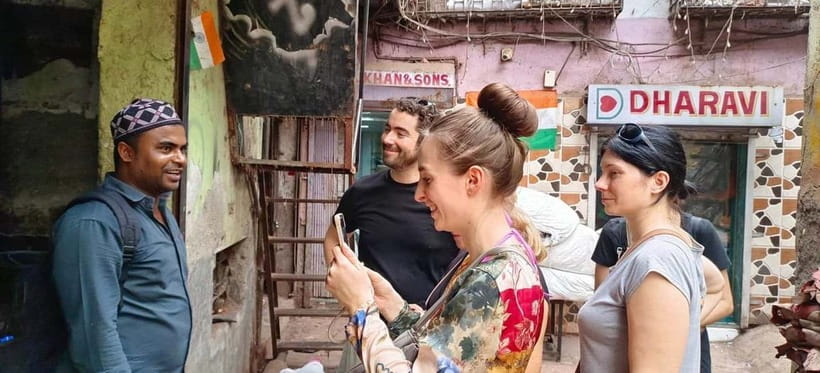
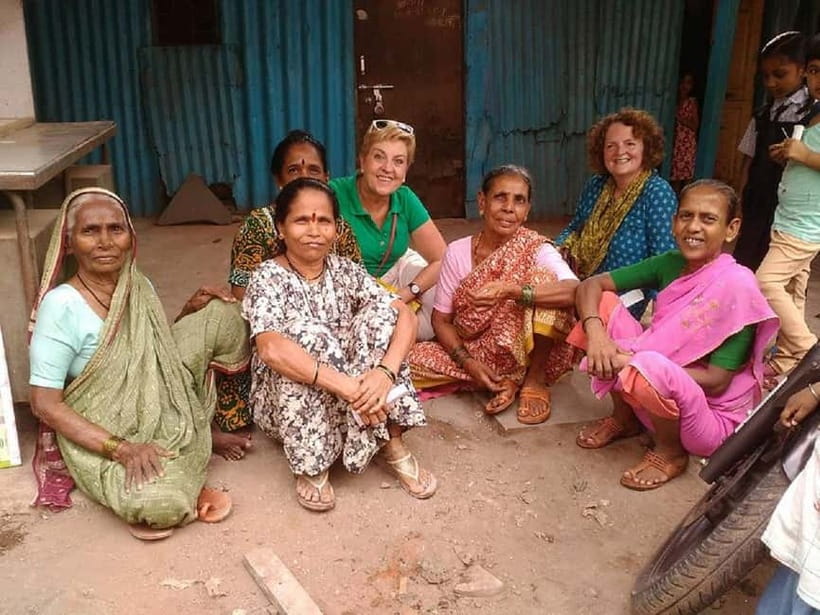
The Dharavi portion is the heart of the experience. You walk with a local guide through an area where people live and work close together. The tour focuses on what residents do for a living, where families stay, where children play, and how daily routines fit into the neighborhood.
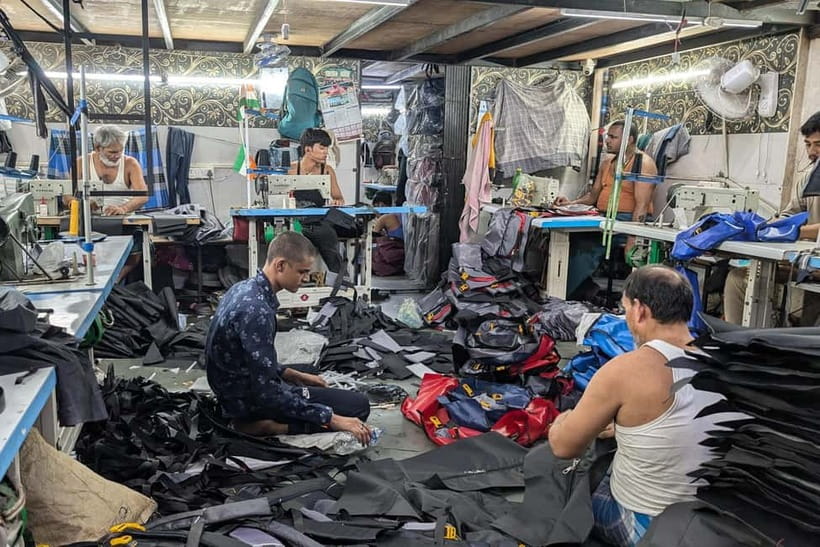
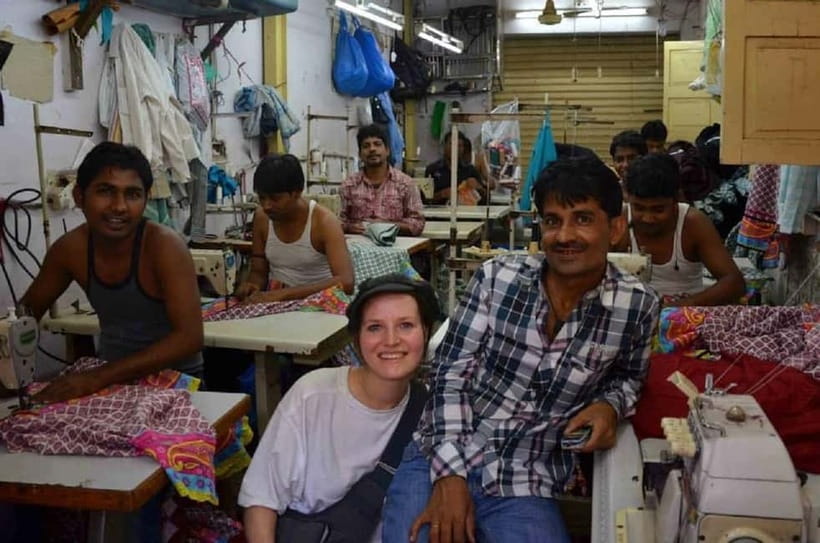
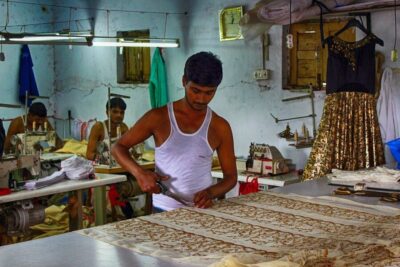
The industries named for the visit include plastic recycling, leather, garments and textiles, and metalwork. These are not decorative demonstrations. They are working activities that help explain Dharavi’s importance to Mumbai’s economy.
The tour information gives Dharavi’s yearly income as about $1 billion. That figure helps put the area in a wider frame. You are not only looking at housing conditions. You are also looking at a major center of small-scale production and trade.
You might see narrow workspaces, storage areas, materials being handled, and people carrying out tasks that supply customers beyond the neighborhood. Exact sights can change because this is a real community rather than a fixed attraction.
I would pay close attention to the guide’s explanations here. On a walk like this, the meaning of a doorway, workshop, or alley is easy to miss without local context. The strongest guides on this tour, including Alkama and Mohammad, are praised for answering questions, explaining both positive and difficult sides, and allowing time to look around without rushing.
The film connection, and why it is only part of the story
Dharavi is linked with the film Slumdog Millionaire, and the tour includes a place where the movie was filmed. That connection may interest film fans, but it should not become the whole reason for booking.
The more useful part is seeing how limited a film can be as a portrait of a real neighborhood. A movie selects certain images and turns them into a story. This walk places those images beside ordinary work, family routines, and local enterprise.
I like that the experience actively pushes back against simple film stereotypes. You may still recognize settings associated with the movie, but the guide’s job is to show you the people and activities that the screen version leaves out.
Photography deserves care here. The supplied information does not set out detailed photo rules, so you should follow your guide’s instructions and ask before photographing people or private work areas. A respectful visit means observing first and treating residents as people, not scenery.
More Dharavi walking tours in Mumbai
- Dharavi slum tour in Mumbai by Female tour guides of the slum
★ 5.0 · 1,976 reviews - Mumbai: Dharavi Slum, DhobiGhat, and Dabbawallas Tour
★ 4.9 · 689 reviews - Dharavi Slum Tour
★ 5.0 · 625 reviews - Dharavi Slum tour in Mumbai by local resident
★ 5.0 · 572 reviews
What makes the private format useful
At $19 per person, this is unusually inexpensive for a private tour with hotel pickup and drop-off. The price includes a local English-speaking guide, entrance fees, and bottled water, so you are not adding several small costs during the outing.
The private format matters most in Dharavi. You can ask why a certain business operates in a particular way, how the laundry system works, or what you are seeing in a recycling or garment workspace. A large group often turns those questions into background noise.
It also gives the guide more room to adjust the explanation to your interests. If you care about business, you can focus on the industries. If you are more interested in social life, you can ask about families, children, and community routines.
There are limits. The available information does not specify the tour duration or a guaranteed group size beyond the word private. It also does not promise that every named industry will be operating during your visit. Think of the route as a guided introduction to the area, not a guaranteed checklist of workshops.
Transport, pickup, and the possible train ride
Hotel pickup and drop-off are included, which makes the tour easier to arrange in a city where getting between districts can take time. Pickup communication has been praised, especially by people who met guides such as Alkama at their hotels.
At least some outings can include a local train ride when guests choose it instead of traveling by car. That choice is not presented as a fixed part of every booking, so ask about it when arranging the tour.
I like the train option because it adds a small piece of ordinary Mumbai life to the day. It can also make the experience feel less like a sealed sightseeing trip and more like a look at how people move around the city. Still, it may not suit everyone, particularly if you prefer a simpler door-to-door transfer. Confirm the transport plan before setting out.
The guides are the main strength
The guide can make or break a tour like this. Here, the named guides include Alkama, Mohammad, and Muhammad. Different outings may have different guides, but the qualities repeatedly associated with them are useful: strong English, clear explanations, friendliness, patience, and personal pride in Mumbai.
One particularly valuable point is that a guide may have lived in Mumbai and in a slum neighborhood before. That kind of background can add detail that a general city guide might not have. It can also help the guide explain both the good and difficult sides without turning the visit into a sales pitch.
I especially like the reports of guides answering many questions and allowing people to take their time. Dharavi contains a lot to absorb. You may want to pause at a workshop, ask about a process, or understand how a family home and business can occupy the same small area.
The guide also has an ethical role. A good explanation keeps the walk respectful and avoids presenting residents as objects of curiosity. The experience is safest and most useful when you follow local direction, keep your voice low, and remember that people are carrying on with their day.
Is Dharavi safe to visit?
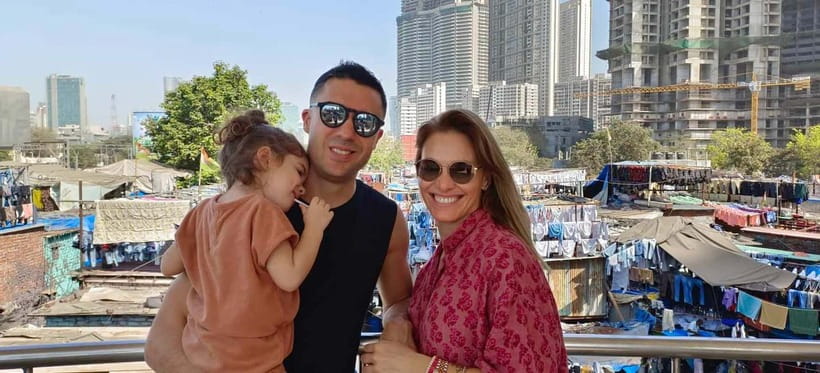
The tour information describes visits inside and around Dharavi as safe and says you visit with a local resident guide. That local presence is important, since the guide knows the route and can explain how to behave.
Safety does not mean the visit feels easy. You may encounter tight spaces, busy work areas, and living conditions that are difficult to see. I would choose practical clothing and shoes, keep your belongings secure, and stay with the guide.
The emotional side deserves equal attention. The walk can be eye-opening and humbling because you see people working hard in limited conditions. It can also be encouraging because you see skill, enterprise, family life, and community spirit.
Do not book this expecting a light photo stop. Book it if you are ready to listen, ask thoughtful questions, and accept a more complicated picture of Mumbai.
Who will get the most from this tour?
I recommend it most strongly to first-time Mumbai visitors who want to understand how the city functions beyond its major sights. It also suits repeat visitors who have already seen the Gateway of India and other headline attractions and now want a closer look at daily life.
The tour is a good fit for:
- Visitors interested in local business and urban life
- People who want a private guide rather than a large group
- Film fans curious about the Slumdog Millionaire connection
- Travelers who value honest social context
- Anyone looking for a low-cost experience with hotel transport
It may not suit you if you dislike walking through working neighborhoods, prefer polished attractions, or want guaranteed access to every business listed. The subject can also feel emotionally heavy, so consider how much time you want to give to difficult social questions during your Mumbai visit.
Value at $19 per person
The $19 price is the strongest practical argument for booking. You receive a private tour, local English-speaking guidance, hotel pickup and drop-off, entrance fees, and water.
The real value is not in the bottle of water or transport alone. It is in having someone explain what you are seeing. Dhobi Ghat can otherwise look like a collection of washing areas. Dharavi can otherwise be reduced to narrow lanes and quick impressions. A local guide turns those sights into a clearer picture of labor, housing, and community.
Since the price is per person, the value improves when two or more people share a private booking. Solo visitors still receive the benefit of personal attention, but the cost feels higher compared with a shared group outing.
You can reserve now and pay later, and cancellation is allowed up to 24 hours before the tour for a full refund. Those terms make it easier to fit the experience into a changing Mumbai schedule.
Should you book the Dhobi Ghat and Dharavi tour?
Book it if you want a direct look at working Mumbai and are willing to approach Dharavi with respect. The combination of the century-old laundry, neighborhood industries, local transport option, and personal guiding makes this more useful than a quick drive past the area.
I would book it especially for the guide-led interpretation. Alkama, Mohammad, and Muhammad are named examples of guides who bring clear English, local understanding, and a friendly manner to a complicated subject.
Skip it if you want a conventional sightseeing tour with grand architecture and easy photographs. But if your idea of a worthwhile Mumbai day includes seeing how laundry is processed, how small industries support a community, and how real life differs from a film stereotype, this $19 private experience offers a strong return.
FAQ
What does the Mumbai Dhobi Ghat and Dharavi tour include?
The tour includes a private visit, a local English-speaking guide, hotel pickup and drop-off, entrance fees, and a bottle of water.
How much does the tour cost?
The listed price is $19 per person.
Which places does the tour visit?
It visits Dhobi Ghat, Mumbai’s open-air laundry facility, and Dharavi, where you learn about housing, family life, community routines, and local industries.
What industries can I learn about in Dharavi?
The tour covers plastic recycling, leather, garment and textile work, metal industries, and other local businesses.
Is there a connection to Slumdog Millionaire?
Yes. The tour includes a place inside Dharavi where Slumdog Millionaire was filmed and explains life beyond the movie’s depiction.
Is the tour conducted in English?
Yes. The tour includes a local English-speaking guide.
Can I cancel the booking?
You can cancel up to 24 hours in advance for a full refund. You can also reserve and pay later, which keeps your plans flexible.
Recently added around Mumbai
- Private Walking Tour in Dharavi Slums★ 5.0 · 7 reviews
- Mumbai Sightseeing Tour★ 5.0 · 11 reviews
- Private Mumbai 2-Day Tour Package:City + Slum & Elephanta Island.★ 5.0 · 3 reviews
- Vegetarian Indian Cuisine Virtual Cooking Class Experience from Mumbai★ 5.0 · 4 reviews
- Mumbai by Night Guided Tour★ 5.0 · 6 reviews
- Transfer from Mumbai Airport to Hotel★ 4.0 · 7 reviews
- Full-Day Agra Tour with Taj Mahal From Mumbai By Air★ 5.0 · 8 reviews
- Taj Mahal Day Trip Including Same Day Flights from Mumbai★ 5.0 · 3 reviews
Mumbai Dharavi Slum Tours, compared.
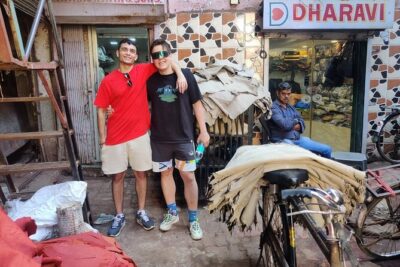
Dharavi slum tour in Mumbai by Female tour guides of the slum
Read our review →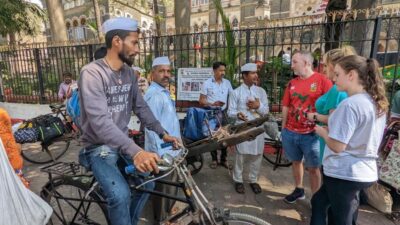
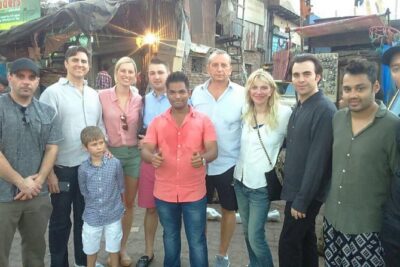
Dharavi Slum Slumdog Millionaire Tour with a Local
Read our review →
Mumbai Slum Tour – Visit Dharavi Slum with Local Guide
Read our review →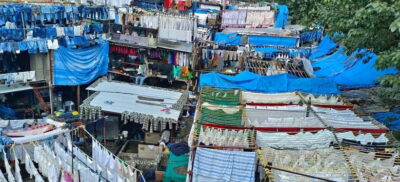
Dhobi Ghat Laundry and Dharavi Slum Tour with Local
Read our review →
Browse the lists this tour appears in