
Reviewed · MUMBAI DHARAVI SLUM TOURS
Mumbai: Discover India’s Largest Slum -A Local’s Perspective
Dharavi is more than the narrow lanes and crowded homes shown in films. On this two-hour walk, a resident guide leads you through working neighborhoods where recycling, pottery, leather, embroidery, food, and family life all share the same small area. The recycling district and the rooftop view are the two details I find most memorable because they show both the scale of local work and the shape of the community.
I like the local guide format, since someone who lives in Dharavi can explain daily life with more feeling than a guide who simply memorized facts. I also like the low $10 price, the small-group setup, and the chance to see artisans at work instead of only looking from a vehicle. The main consideration is comfort: you will walk through tight lanes for about two hours, and Dharavi is an active working area rather than a polished sightseeing site.
Key points to know before you book
- See Dharavi as a place of work: Recycling, pottery, leather, embroidery, baking, and trade are central parts of the walk.
- Go with a resident guide: Your guide speaks English, Hindi, or Marathi and offers personal context about the neighborhood.
- Expect a close-up walk: The route includes narrow lanes, workshops, local markets, and community spaces.
- Finish above the rooftops: A rooftop stop gives you a wider view after the close quarters below.
- The price is unusually low: At $10 per person, you get a two-hour guided walk with several stops and a bakery sample.
- Prepare for a serious, respectful visit: This is a living neighborhood, not a staged attraction, and the people you meet are going about their work.
Starting at Third Wave Coffee in Mahim
The meeting point is outside Third Wave Coffee on Senapati Bapat Marg in Mahim. You arrange your own ride there, with Uber or a tuk-tuk being the practical choices given in the tour details.
The meeting point matters because you do not want to begin a short tour already stressed or late. One part of the information says to meet outside the coffee shop, while another says the exact Dharavi meeting location will be supplied after booking. I would confirm the final meeting instructions by email before setting out, especially if your booking confirmation gives a different location.
Once the group is together, the guide gives a short introduction to Dharavi’s past, culture, work, and daily routines. The tour is described as a private group experience with small numbers, which should make it easier to ask questions and keep the pace personal. Still, confirm the exact group size if that point matters to you.
More Dharavi walking tours in Mumbai
- Dharavi slum tour in Mumbai by Female tour guides of the slum
★ 5.0 · 1,976 reviews - Mumbai: Dharavi Slum, DhobiGhat, and Dabbawallas Tour
★ 4.9 · 689 reviews - Dharavi Slum Tour
★ 5.0 · 625 reviews
Markets, lanes, and the first sense of Dharavi
The walk begins with local markets and everyday street life. You can expect fresh produce, handmade goods, and the steady movement of people buying, selling, carrying, and working.
This first section helps set the right tone. You are not simply being shown a poor neighborhood. You are seeing a place where people earn money, run businesses, make goods, and maintain strong community ties in limited space. The guide’s job is important here. Without context, a market can look like noise and congestion. With explanation, the small shops and crowded lanes begin to make more sense.
The lanes are narrow, so comfortable shoes are essential. You should also be ready for a lot of walking and frequent stops. If you prefer wide streets, quiet museums, or a fixed seat, this may not be your kind of Mumbai outing.
Photography needs common sense. The tour includes photo stops, but you are walking through people’s homes and workplaces. Ask before photographing individuals, and follow the guide’s lead when entering work areas.
The recycling district and Dharavi’s practical economy
One of the strongest parts of the route is the recycling district. You see how discarded material is sorted, handled, and turned into something useful or saleable.
The value of this stop is not just visual. It shows the resourcefulness behind one of Dharavi’s most important forms of work. You get a better sense of how local businesses function and how a neighborhood can support many kinds of employment close to home.
This is also where the tour can challenge easy assumptions. The word slum often makes people picture only deprivation. The recycling area points to another reality: skill, effort, trade, and business activity. At the same time, the setting remains basic and crowded. The tour is strongest when it presents both sides without turning hardship into a spectacle.
Your guide can answer questions about how the work fits into local life. That personal explanation is one reason I would choose this walk over wandering alone. You may see the same materials and workshops by yourself, but you are less likely to understand what they mean.
Pottery workshops and a hands-on stop
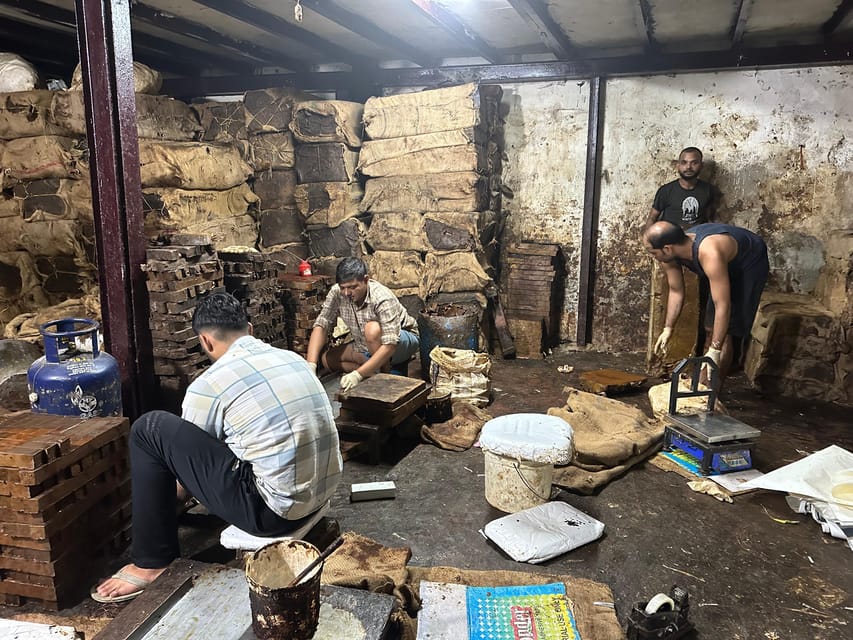
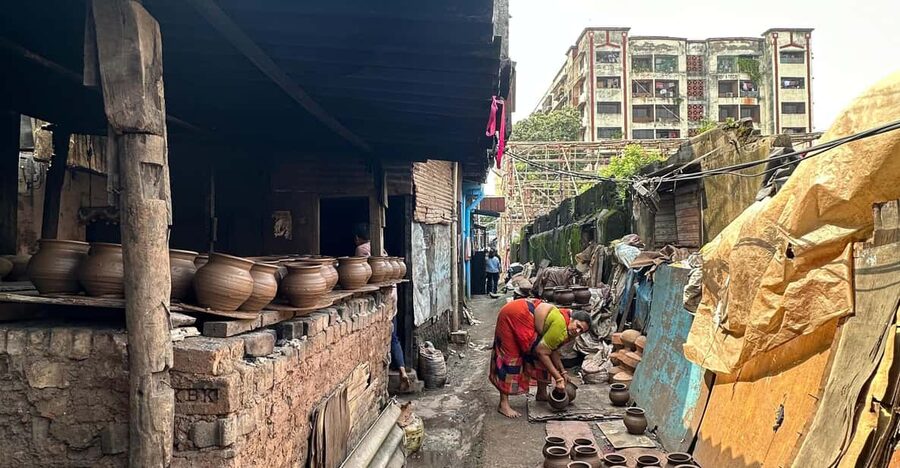
The pottery area gives the walk a change of pace. You visit workshops, watch artisans shape clay, and may get a chance to try making pottery yourself.
This is a useful stop for anyone who likes practical demonstrations. Rather than hearing only about local crafts, you can watch the work happen at close range. The hands-on element also gives you a better feel for the patience and control needed to produce an everyday object.
The experience does not promise a long pottery lesson, so keep your expectations modest. This is one stop within a two-hour route, not a full craft class. If you enjoy making things, you will probably wish you had more time. Even so, the short visit adds variety and makes the walk feel active rather than purely observational.
A completely different side of the city:
- Mumbai: Full-Day Sightseeing Tour of Mumbai
★ 4.9 · 1,822 reviews - Private Mumbai Sightseeing Tour (Traveller’s Choice Award Winner)
★ 5.0 · 1,565 reviews - Group Guided Walking Tour in Fort and Colaba
★ 5.0 · 1,073 reviews - Mumbai: Elephanta Caves Half-Day Guided Tour with Expert
★ 4.8 · 1,032 reviews
Leather and embroidery units
The leather workshops show another side of Dharavi’s production. You can see how leather goods are made and hear about the craftsmanship involved.
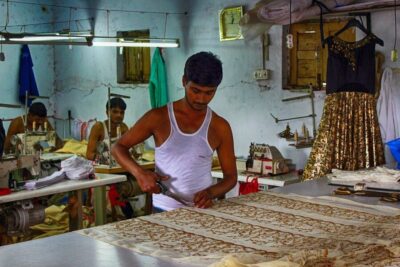
The embroidery units offer a different visual contrast. Here, detailed patterns are worked into fabric, with skilled hands turning plain material into finished designs. Together, the leather and embroidery stops show the range of work found within the area.
I like these visits because they focus on people’s abilities rather than presenting Dharavi only through its problems. You see work that requires practice, patience, and an organized process. If you are interested in textiles, handmade goods, or small-scale production, these may be the stops that stay with you after the walk.
You should also remember that these are working units. The pace may depend on what is happening that day, and not every part of the process may be on display. That is normal for a real neighborhood. The trade-off for a less polished visit is a closer look at ordinary work as it happens.
Meeting residents and hearing personal stories
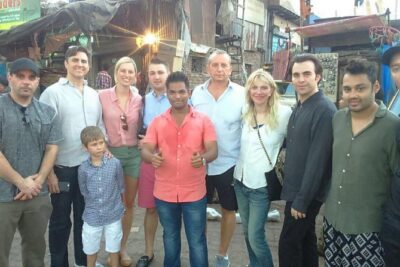
Personal interaction is at the center of the experience. The guide helps you speak with local residents, artisans, and community members, while explaining parts of daily life that are easy to miss from the outside.
This can be the most meaningful part of the tour, but it needs a respectful approach. You are entering a place where people live and work. Listen more than you perform, ask clear questions, and let the guide manage introductions. The aim is to understand the neighborhood, not to collect dramatic images.
The guide’s local connection is especially useful here. The supplied information does not give the guide’s personal name, so you should not expect to book a specific named guide. It does say the guide is a Dharavi resident and can lead the walk in English, Hindi, or Marathi.
One practical point comes from the experience itself: a guide waited for a late-arriving participant and helped that person join the walk without missing the route. Do not rely on that kindness, but it suggests that communication with the booking contact, Tanya, can be helpful if your plans change.
A local bakery and community projects
The bakery stop brings a simple pleasure to the route. You sample freshly baked goods and get a taste of local food production.
It is only a sample, not a meal. Bring your own plan for lunch or dinner, and do not count on beverages or extra food being included. The bakery visit works best as a short break that connects food with the working life of the neighborhood.
The route also includes community projects such as schools, health centers, and other local initiatives. These stops matter because they show how residents and organizations respond to everyday needs. They add a civic side to the visit, moving the focus beyond workshops and markets.
The exact project you see may depend on the day and access arrangements. The description promises insight into community efforts, but it does not promise entry to every school or health center. Treat these as opportunities to learn, not guaranteed formal visits to each facility.
The Slumdog Millionaire connection
The walk includes filming locations associated with Slumdog Millionaire. The film brought international attention to Dharavi and drew inspiration from the English television program Who Wants to Be a Millionaire?
This film connection will interest anyone who wants to understand how Mumbai has been presented to the world. It also gives you a chance to compare a movie image with the real neighborhood around you.
Still, the film should be a side note rather than the whole reason to book. The stronger parts of the walk are the people, workshops, and local explanations. Dharavi is not simply a movie set, and reducing it to one film would miss most of what makes the area worth visiting.
The tour promises access to real-life filming locations, but it does not identify specific scenes or guarantee that every location will look as it did on screen. Go for the local view first, with the cinema link as an extra.
Ending with a rooftop view
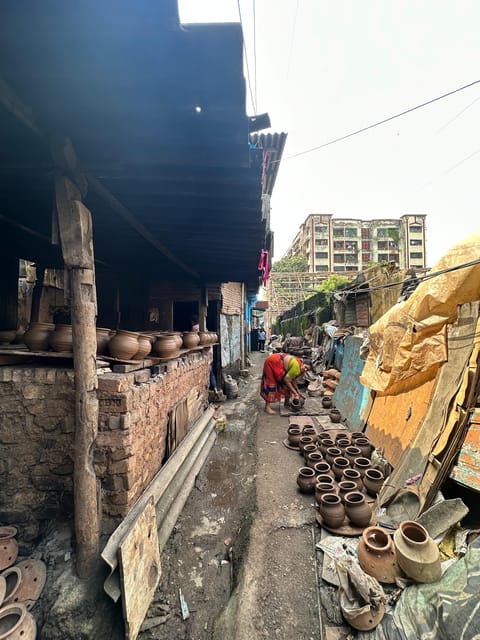
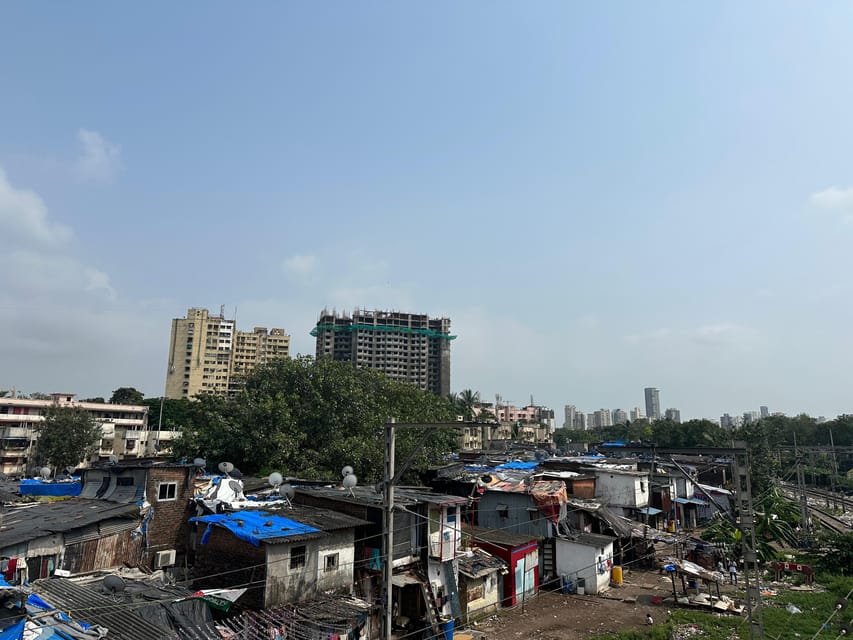
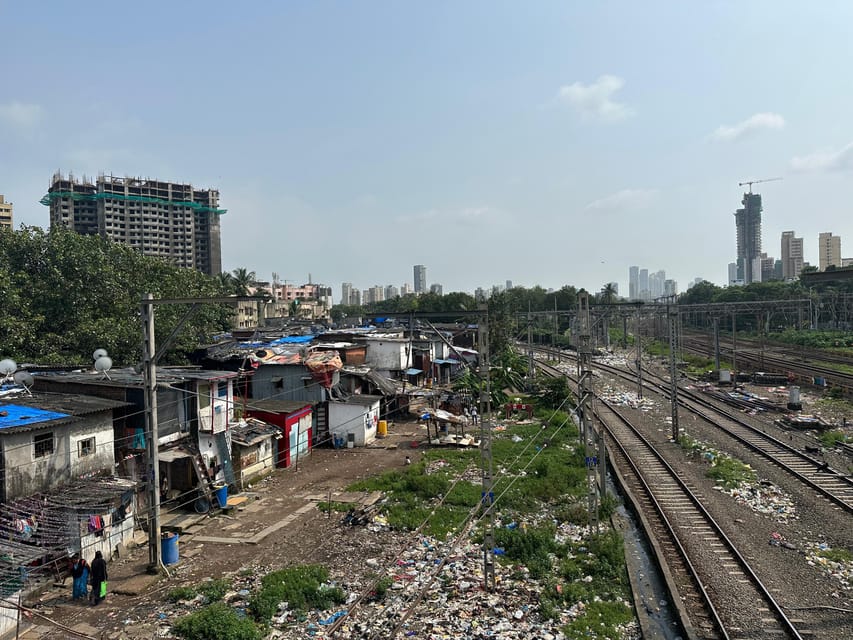
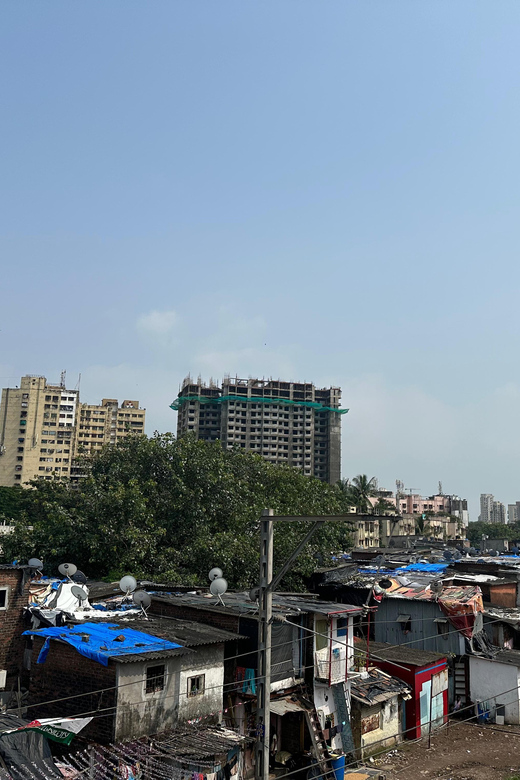
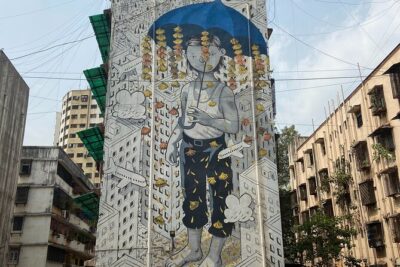
After the close lanes and indoor work areas, the rooftop stop gives you a wider view of Dharavi. From above, you can take in the density and shape of the neighborhood in a way that is impossible from street level.
I like the way this changes your perspective at the end. On the ground, you notice doorways, tools, stalls, workshops, and people. From a rooftop, you see how those pieces fit together across the area.
This is a photo stop, but it is also a useful pause to think about what you have seen. The view will not turn Dharavi into a postcard, and that is the point. It gives scale without hiding the close, crowded character of the place.
Is $10 good value for two hours?
At $10 per person, this is a strong value if you want a guided introduction to Dharavi. The price covers a resident-led walk, several work areas, local markets, interactions, a bakery sample, filming locations, and a rooftop view.
You are not paying for transportation, a full meal, or a long workshop. You also cover your own personal purchases and souvenirs. The value comes from access and explanation, not luxury.
For this price, I would book it as a focused Mumbai add-on rather than your only city tour. Two hours is enough to see several sides of Dharavi, but not enough to understand every part of such a large and complex neighborhood. The short length does make it easy to fit before or after another Mahim or Mumbai plan.
The small-group format should help keep questions and conversations manageable. The tour is also listed as a private group, so confirm the exact arrangement if you want a fully private walk.
Who will enjoy this walk most?
I would recommend it to you if you:
- Want to see Mumbai beyond major monuments and shopping areas
- Prefer a local guide and direct conversation
- Are interested in recycling, craft, textiles, food, and small businesses
- Can walk for two hours in narrow, active lanes
- Want a short, affordable experience with strong local context
- Are willing to visit respectfully and avoid treating poverty as entertainment
I would hesitate if you need a highly structured sightseeing route, guaranteed indoor access, extensive seating, or a full meal. The walk is also not ideal for someone who dislikes crowded conditions or feels uncomfortable entering active workspaces.
Wear comfortable shoes. Keep your belongings secure, listen to the guide, and allow extra time to reach the meeting point. Most of all, arrive with curiosity rather than a fixed idea of what Dharavi will be.
Should you book the Dharavi local perspective tour?
Yes, if you want a direct look at the people and work that make this part of Mumbai function. The resident guide, the recycling district, craft workshops, community projects, and rooftop view give the two-hour route real range.
Book it with the right expectations. You will not receive a polished attraction or a complete portrait of Dharavi in one visit. You will walk through a busy living neighborhood, ask questions, see skilled work, and leave with a more grounded view of a place that is too often reduced to a label.
At $10, the cost is easy to justify. I would confirm the final meeting point, wear good shoes, and choose this tour if authentic contact matters more to you than comfort or spectacle.
FAQ
How long does the Dharavi tour last?
The walk lasts about two hours, including walking time and stops.
Where do I meet the guide?
The stated meeting point is outside Third Wave Coffee on Senapati Bapat Marg in Mahim. Booking information may provide a designated Dharavi meeting location, so check your confirmation email carefully.
Is transportation included?
No. You arrange and pay for transportation to and from the meeting point yourself. Uber or a tuk-tuk can take you to Third Wave Coffee in Mahim.
What languages does the guide speak?
The tour is available in English, Hindi, and Marathi.
What will I see during the walk?
The route includes local markets, the recycling district, pottery workshops, leather and embroidery units, a local bakery, community projects, filming locations connected with Slumdog Millionaire, and a rooftop view.
Is food included?
You receive a sample of freshly baked goods from a local bakery. Meals and beverages beyond that sample are not included.
What should I bring?
Bring comfortable shoes for walking. You should also carry your booking confirmation and check the final meeting details before leaving.
Can I cancel the booking?
You can cancel up to 24 hours in advance for a full refund. The tour also allows you to reserve now and pay later, according to the booking terms.
Recently added around Mumbai
- Private Walking Tour in Dharavi Slums★ 5.0 · 7 reviews
- Mumbai Sightseeing Tour★ 5.0 · 11 reviews
- Private Mumbai 2-Day Tour Package:City + Slum & Elephanta Island.★ 5.0 · 3 reviews
- Vegetarian Indian Cuisine Virtual Cooking Class Experience from Mumbai★ 5.0 · 4 reviews
- Mumbai by Night Guided Tour★ 5.0 · 6 reviews
- Transfer from Mumbai Airport to Hotel★ 4.0 · 7 reviews
- Full-Day Agra Tour with Taj Mahal From Mumbai By Air★ 5.0 · 8 reviews
- Taj Mahal Day Trip Including Same Day Flights from Mumbai★ 5.0 · 3 reviews
Mumbai Dharavi Slum Tours, compared.
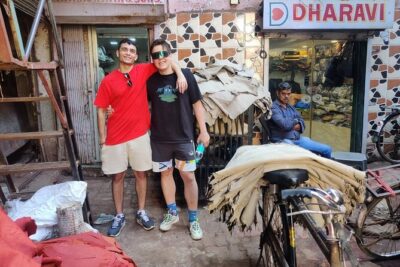
Dharavi slum tour in Mumbai by Female tour guides of the slum
Read our review →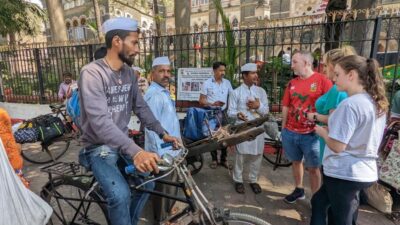
Dharavi Slum Slumdog Millionaire Tour with a Local
Read our review →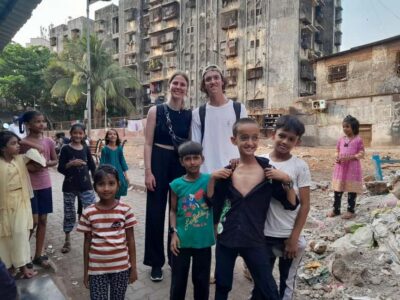
Mumbai Slum Tour – Visit Dharavi Slum with Local Guide
Read our review →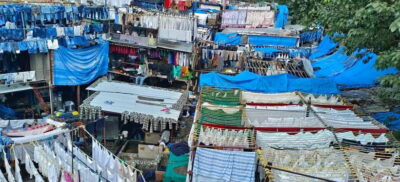
Dhobi Ghat Laundry and Dharavi Slum Tour with Local
Read our review →
Browse the lists this tour appears in