
Reviewed · MUMBAI DHARAVI SLUM TOURS
Mumbai: Dharavi Slum Walking Tour with Options
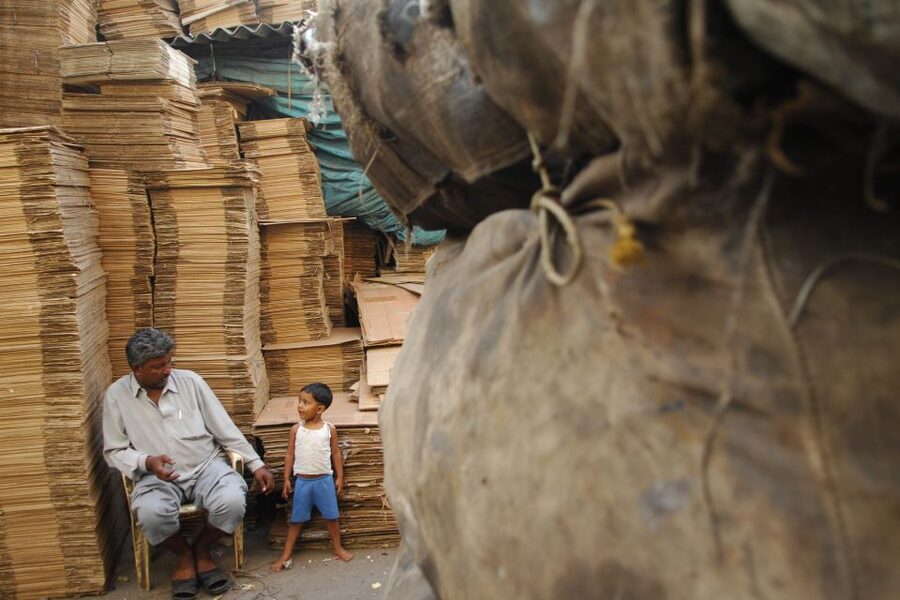
Dharavi is far more than the word slum suggests. This 2.5 to 3.5-hour walk takes you through working neighborhoods where recycling, pottery, leather, food production, and small shops help drive an economy estimated at about $1 billion a year. I like the small groups of up to six and the strict no-photography rule, which keeps the visit focused on people rather than snapshots. The tour also puts 80% of its profits into education projects.
I also like that the route does not stop at workshops. You visit residential lanes and see how temples, mosques, churches, and pagodas reflect Dharavi’s mix of Indian communities. The main drawback is physical: alleys can be hot, dark, crowded, and dirty, especially during the monsoon. Tall visitors and anyone uncomfortable in tight spaces should think carefully before booking.
Key points at a glance
- Small groups of up to six: You get a more personal walk and can hear the guide in the narrow lanes.
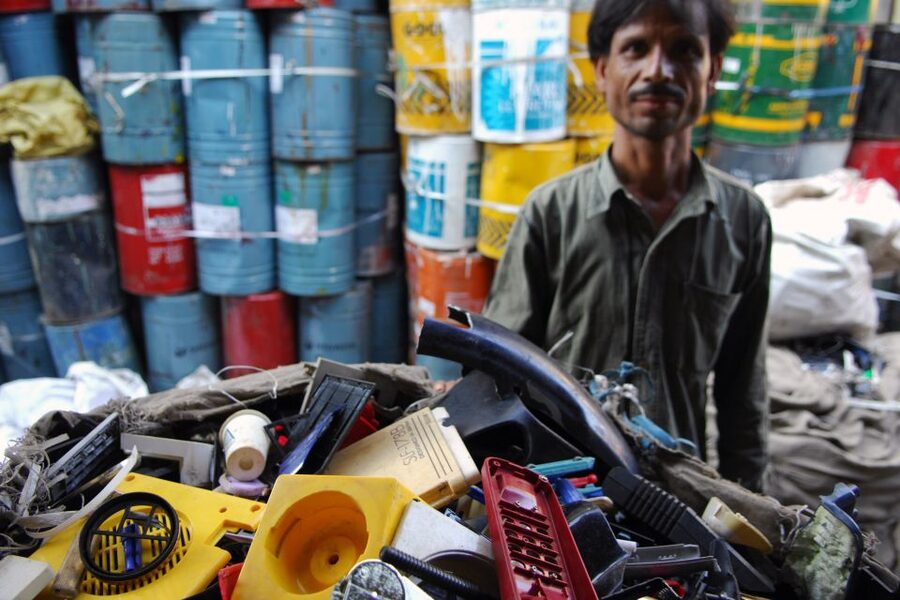
- Working Dharavi, not a staged display: The route can include recycling, pottery, embroidery, bakeries, soap, leather, and poppadom production.
- No photography: This protects residents’ privacy and changes your attention from taking pictures to listening.
- Two ways to add depth: Choose a family lunch in a local home or an art-focused street walk, depending on the option available.
- Community reinvestment: 80% of tour profits support educational community initiatives.
- Bring the right attitude and shoes: Modest clothing, closed-toe shoes, and patience matter here.
Why Dharavi changes the usual Mumbai story
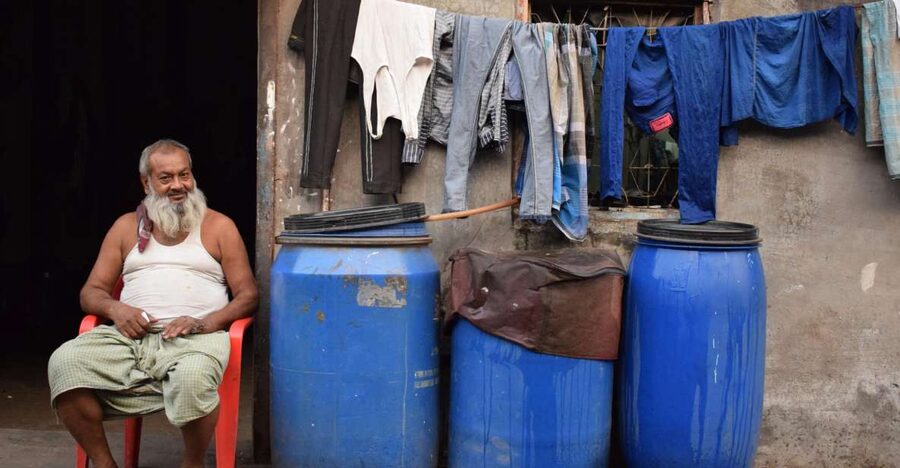
Many people first hear about Dharavi through films and sensational news reports. This walk gives you a more useful picture. Dharavi is a dense place where about one million people live and where an estimated 20,000 businesses operate.
That does not mean the area is easy. Housing is crowded, lanes may be cramped, and heat can build between buildings. But the tour helps you see that hardship and enterprise exist side by side. You learn how migrants from across India settled here, built livelihoods, and formed neighborhoods with their own places of worship and social networks.
I find that context important because a quick drive past Dharavi tells you almost nothing. A guide can explain what you are seeing, why certain trades developed here, and how residents make space for homes and businesses in a tightly packed area. The result is less a spectacle and more a lesson in work, migration, housing, and city life.
More Dharavi walking tours in Mumbai
- Dharavi slum tour in Mumbai by Female tour guides of the slum
★ 5.0 · 1,976 reviews - Mumbai: Dharavi Slum, DhobiGhat, and Dabbawallas Tour
★ 4.9 · 689 reviews - Dharavi Slum Tour
★ 5.0 · 625 reviews
Meeting up and getting oriented
You can start from Churchgate or from Mahim Junction Railway Station, with the exact meeting point depending on the option you book. Since Mumbai traffic and railway connections can affect your timing, check the confirmed meeting instructions carefully before setting out.
The tour begins with a safety briefing and a viewpoint. This opening helps you get your bearings before entering the narrow lanes. From above, you can take in the scale of the settlement, then walk into the close-up reality below.
There is no hotel pickup or hotel drop-off included. You need to reach the starting point yourself, and the tour ends at one of the designated drop-off locations. The listed endpoint includes the Reality Tours and Travel office in Sion, but confirm your chosen option for the exact finish.
The walk is conducted in English by a live local guide. Guides who have led this experience include Leena, Rishi, and Divia. The guide makes a large difference here. A good explanation can turn a pile of sorted material, a small workshop, or a crowded lane into part of a much larger story.
Following the work through Navrang Compound
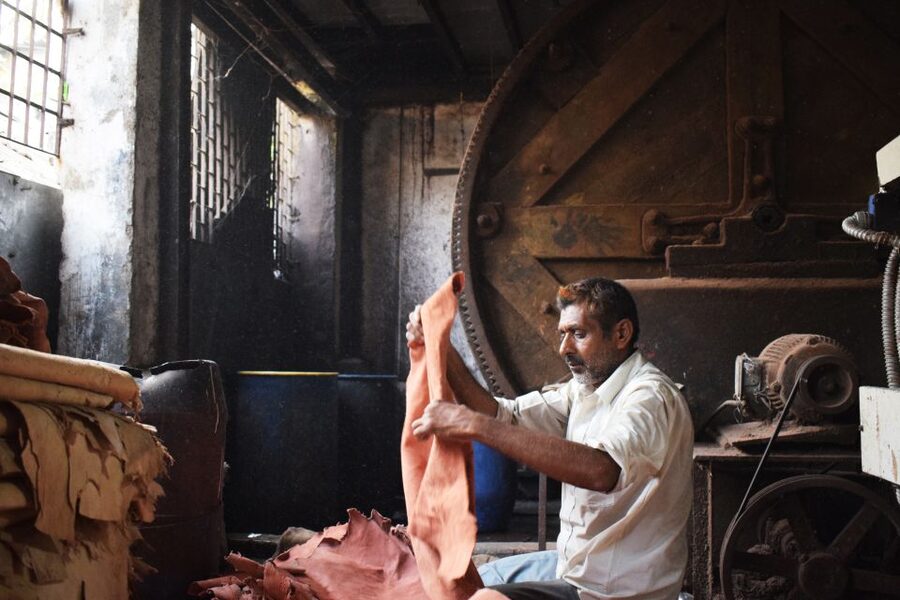
Navrang Compound is one of the main working areas on the route. You spend about 30 minutes here, with time for guided sightseeing and walking past active businesses.
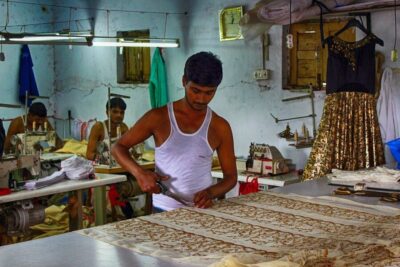
The point is not to inspect people at work like exhibits. Your guide explains the trades and the local economy while keeping the group moving in a respectful way. Depending on the day and route, you might see recycling, leather work, embroidery, bakery production, soap making, or poppadom production.
Recycling is especially useful for understanding Dharavi’s commercial role. What can look like disorder from a distance may involve sorting, processing, and resale. The route shows how small businesses create income and how different activities fit into the wider city economy.
Expect industrial smells, uneven surfaces, and tight passages. You may also need to pause while people carry goods through the lanes. This is a working district, not a museum with clear walkways, so flexibility is part of the experience.
A short stop at Gokulam Store
The visit to Gokulam Store lasts around 20 minutes. It adds another look at local commerce and gives you a chance to understand how everyday retail fits into Dharavi’s residential areas.
This stop may feel less dramatic than the workshops, but that is part of its value. A neighborhood is made from ordinary places as well as headline attractions. Shops, food businesses, and small services help residents live close to work.
You should not expect a long shopping session or a large retail market. The emphasis is on seeing how the community functions. Listen closely to the guide, since the explanation of local business may be more useful than the stop itself.
More walking tours in Mumbai
- Group Guided Walking Tour in Fort and Colaba
★ 5.0 · 1,073 reviews - Private Guided Walking Tour in Fort & Colaba
★ 5.0 · 895 reviews - Private Guided Walking Tour in Bandra Queen of Suburbs
★ 5.0 · 383 reviews - Private Guided Spiritual Walk in Banganga Hindu Temples
★ 5.0 · 271 reviews
Learning what the education work supports
The route includes a brief stop at Reality Gives, the education initiative linked with Reality Tours and Travel. The formal visit is short, about five minutes, but it explains where the community investment goes.
The tour puts 80% of its profits into educational community initiatives. That gives the $20 price more weight than a standard sightseeing walk, although you should still view it as a tour rather than a donation visit. You are paying for guiding, organization, and access, while part of the operating profit supports education and skills work.
A short class or educational segment later in the route lasts about 20 minutes. The exact content can depend on the option selected. The important point is that the education work is connected to the tour’s purpose, not added as a vague promise at the end.
Entering Kumbhar Wada, Dharavi’s pottery quarter

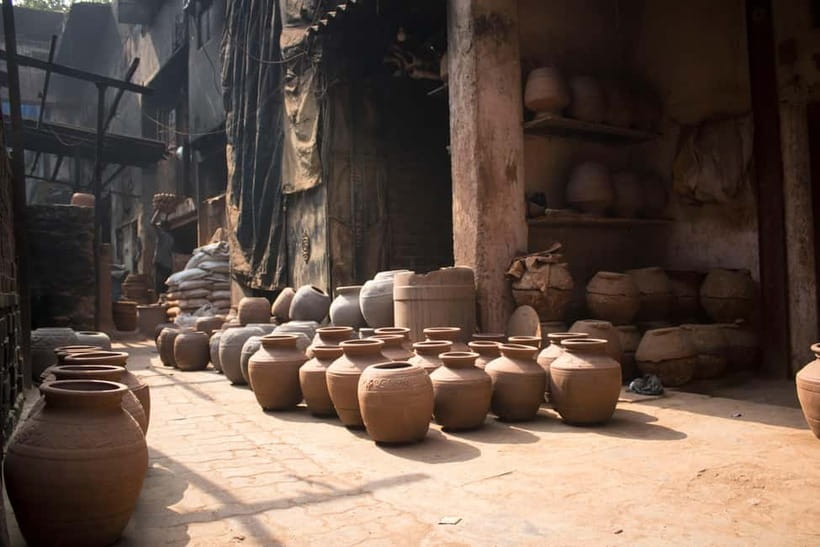
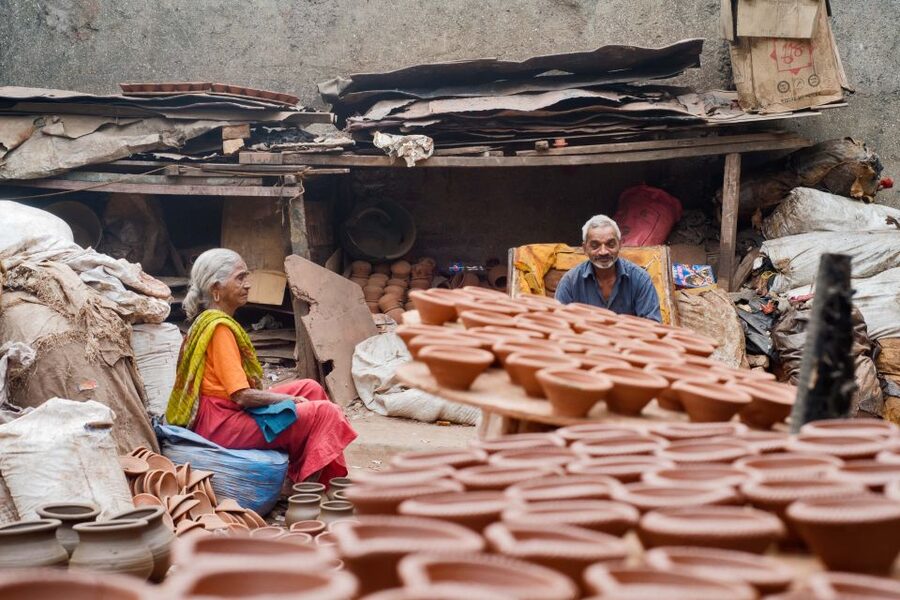
Kumbhar Wada is a distinct stop, with about 15 minutes set aside for a guided or partly self-guided visit. It introduces the pottery side of Dharavi’s economy.
The stop is brief, so do not expect a long workshop lesson. Instead, you get a look at how a traditional craft fits into a dense urban setting. The contrast between homes, production spaces, and narrow lanes helps explain why Dharavi cannot be reduced to one simple label.
This is also a place where the no-photo rule matters. Pottery work and residential life may unfold close together. Keeping your phone away helps protect privacy and removes the pressure to turn someone’s workplace into a backdrop.
Seeing homes as well as businesses
A major strength of the route is that it includes residential areas. You are not only shown the parts that can be explained through business figures. You also see the lanes where people live, worship, shop, and move through daily routines.
Dharavi is home to people from many parts of India. The religious mix is visible in temples, mosques, churches, and pagodas located within the wider settlement. This makes the walk a compact introduction to migration and cultural variety in Mumbai.
The guide should help you pass through these areas without treating residents as attractions. Keep your voice low, follow instructions, and do not point cameras or phones at people. A respectful attitude is not a minor detail here. It is the condition that makes the visit possible.
The rooftop viewpoint and the city below
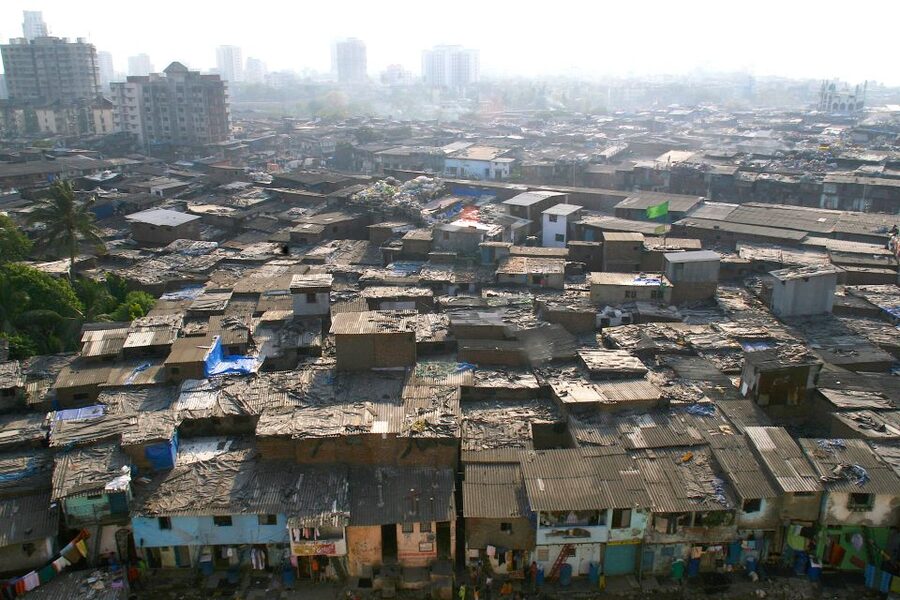
The rooftop viewpoint gives you a wider sense of Dharavi after you have walked through its lanes. From ground level, the area can feel like a series of turns and passages. From above, you begin to see how large and tightly packed it is.
This is one of the most useful visual moments on the route. It links the small details, a workshop entrance, a home, a lane, a roof, to the scale of the whole settlement.
Do not expect a polished observation deck. The experience is about perspective, not comfort. Hold onto your belongings, follow the guide’s directions, and remember that the view includes people’s homes. Keep the no-photography rule in mind even when the scene seems especially striking.
Choosing lunch or the art-focused option
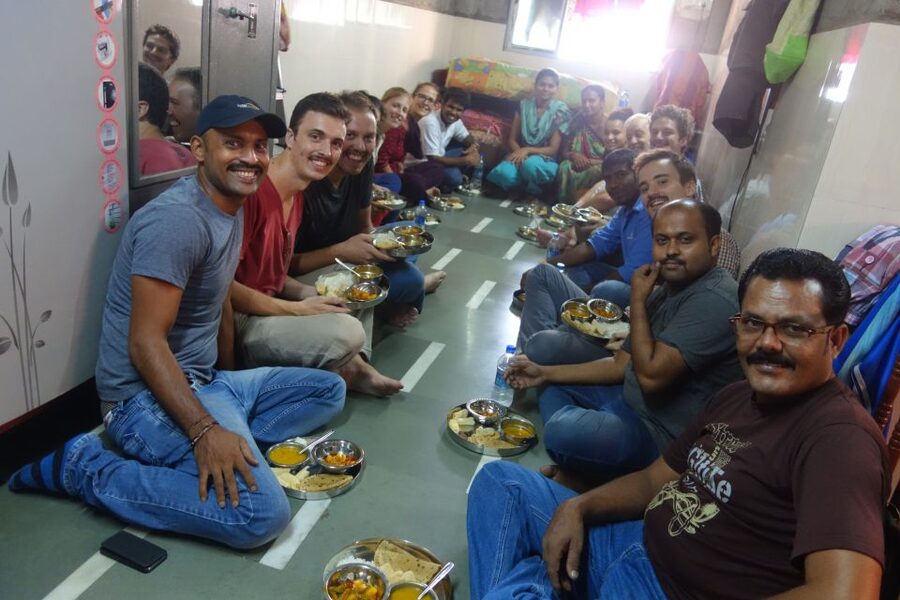
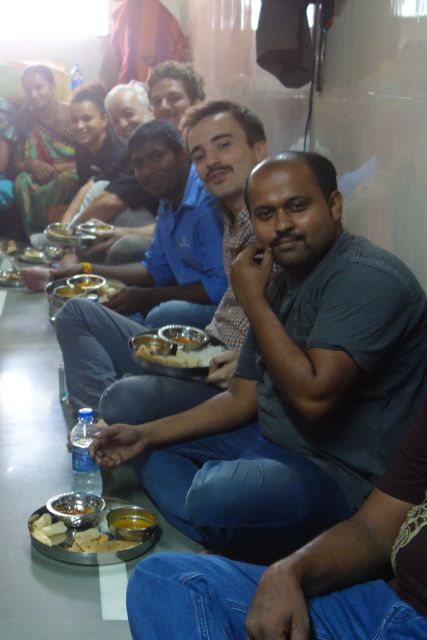
If you choose the lunch option, a local family opens its home to you for a regional meal. The meal lasts about 35 minutes and offers a more direct social exchange than a quick stop at a workshop.
This option suits you if you want time to sit, eat, and talk rather than keep walking. It also requires extra sensitivity because you are entering a private home. Follow the host’s lead and avoid treating the meal as an unusual performance.
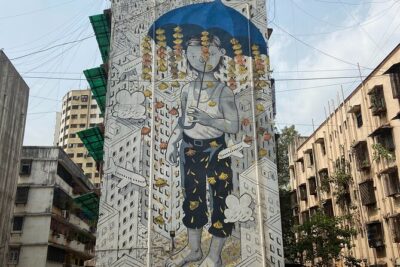
Another option is a street walk focused on art. The route includes a class or art-related segment of about 20 minutes, depending on the package. This can add a creative angle to the tour and help you think about how local stories and public art shape the area.
The options are not interchangeable. Lunch gives you a family and food connection. The art route gives you a more visual and interpretive experience. Read the booking choice carefully so you select the part that matters most to you.
Heat, clothing, shoes, and the no-camera rule
Wear modest clothing. Low-cut or sleeveless tops and short shorts are not permitted. Lightweight clothing that covers your shoulders and knees is the safest choice and shows respect in residential and religious areas.
Use comfortable closed-toe walking shoes. Some surfaces can be dirty, and monsoon conditions from June through mid-September can make the walk harder. Sandals are a poor choice if you want steady footing and clean feet.
The tour does not allow baby strollers and is not suitable for wheelchair users. The narrow lanes, uneven surfaces, and close quarters explain these limits.
The strict no-photography policy may disappoint you if you normally document every stop. I think it improves the visit. You listen more carefully, make eye contact more naturally, and avoid turning private lives into travel content. Keep your phone tucked away unless the guide specifically says otherwise.
Is $20 a fair price?
At $20 per person, this is reasonably priced for a 2.5 to 3.5-hour guided walk in Mumbai, especially with a small group of up to six. You receive an English-speaking guide, water or a cold drink, and lunch if you select that option.
Lunch is not included in every package, so check the choice before paying. Hotel transport is also not included. Your real cost is therefore the tour price plus your transport to the meeting point, and possibly lunch if you select a version without it.
The strongest value is not the number of stops. It is the access, local explanation, and community purpose. You are paying for a structured visit that would be difficult to arrange responsibly on your own. The 80% reinvestment into education also gives the booking a clear social aim.
Who will get the most from this walk?
You should book if you want to understand Mumbai through work, housing, migration, and community life rather than only through major monuments. It suits curious visitors who can walk for several hours, accept physical discomfort, and listen without needing constant photos.
It is also a good choice if you want a small group. Six people or fewer makes it easier to ask questions and stay together in the lanes. The guides have received especially strong praise for being informative, warm, and careful with the neighborhood. Named guides have included Leena, Rishi, and Divia.
You should think twice if you dislike enclosed spaces, struggle in heat, need step-free access, or want a polished sightseeing route. The walk can be hot and dark in places, and taller people may find some passages awkward. This is not a comfortable tour, but discomfort is different from poor organization. The route’s physical setting is part of what you are trying to understand.
Should you book the Dharavi walking tour?
Book it if you want a respectful, guided look at a complex Mumbai community and you value the fact that most profits support education. Choose the family lunch for more personal social contact, or select the art option if creative work interests you more.
Skip it if your main goal is photography, shopping, or an easy-access attraction. For everyone else, this is a strong use of half a day. Arrive in modest clothing, wear closed shoes, leave your camera in your bag, and give the guide room to explain what you are seeing. That approach will help you leave with a clearer picture of Dharavi and a better understanding of Mumbai itself.
FAQ
How long does the Dharavi walking tour last?
The tour lasts between 2.5 and 3.5 hours, depending on the option selected and the available schedule.
How much does the tour cost?
The listed price is $20 per person.
Where does the tour start?
Starting points include Churchgate and Mahim Junction Railway Station. The exact meeting point depends on the option you book.
Is lunch included?
Lunch is included only if you choose the lunch option. Other options do not include lunch.
What language is the tour conducted in?
The tour is conducted in English with a live English-speaking guide.
Can I take photographs during the walk?
No. The tour has a strict no-photography policy to respect local residents’ privacy.
What should I wear and bring?
Wear modest clothing and comfortable closed-toe walking shoes. Some areas can be dirty, particularly during the monsoon from June through mid-September. Water or a cold drink is included.
Is the tour suitable for wheelchair users or baby strollers?
No. The tour is not suitable for wheelchair users, and baby strollers are not allowed.
Recently added around Mumbai
- Private Walking Tour in Dharavi Slums★ 5.0 · 7 reviews
- Mumbai Sightseeing Tour★ 5.0 · 11 reviews
- Private Mumbai 2-Day Tour Package:City + Slum & Elephanta Island.★ 5.0 · 3 reviews
- Vegetarian Indian Cuisine Virtual Cooking Class Experience from Mumbai★ 5.0 · 4 reviews
- Mumbai by Night Guided Tour★ 5.0 · 6 reviews
- Transfer from Mumbai Airport to Hotel★ 4.0 · 7 reviews
- Full-Day Agra Tour with Taj Mahal From Mumbai By Air★ 5.0 · 8 reviews
- Taj Mahal Day Trip Including Same Day Flights from Mumbai★ 5.0 · 3 reviews
Mumbai Dharavi Slum Tours, compared.
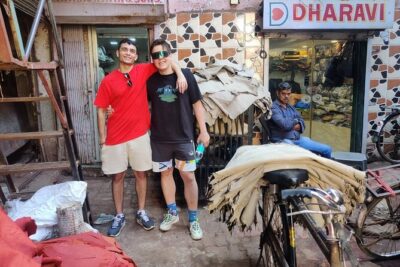
Dharavi slum tour in Mumbai by Female tour guides of the slum
Read our review →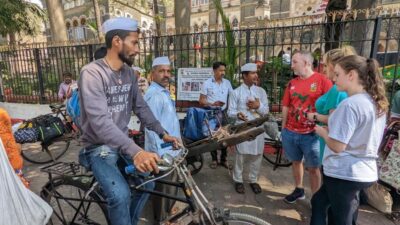
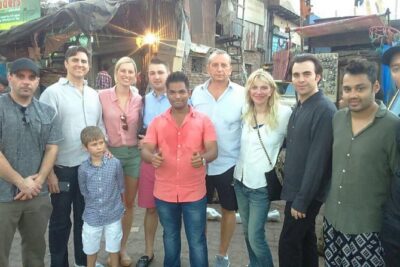
Dharavi Slum Slumdog Millionaire Tour with a Local
Read our review →
Mumbai Slum Tour – Visit Dharavi Slum with Local Guide
Read our review →
Dhobi Ghat Laundry and Dharavi Slum Tour with Local
Read our review →
Browse the lists this tour appears in