
Reviewed · MUMBAI DHARAVI SLUM TOURS
Mumbai: Dharavi Slum Walking Tour with Local Slum Dweller
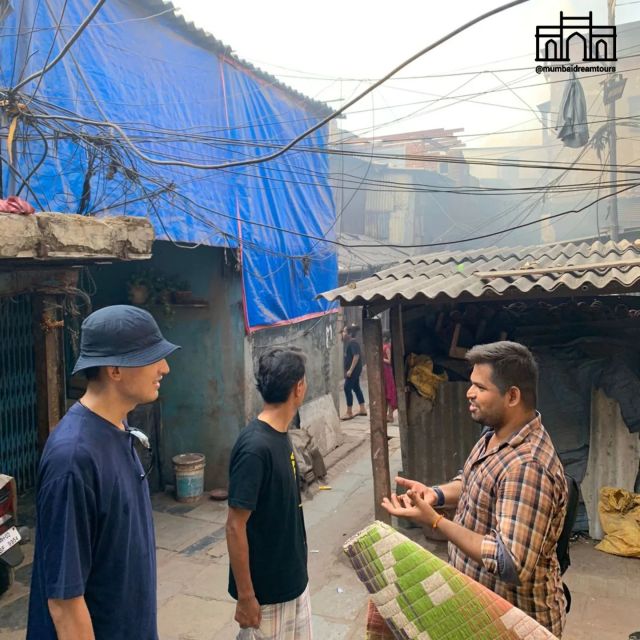
Dharavi is not simply a place of poverty to observe from a car window. It is a working community where homes, workshops, markets, schools, bakeries, and hospitals share narrow lanes. This tour lets you see that daily life with a local resident as your guide, including the leather trade, recycling work, and the place where Slumdog Millionaire was filmed.
I like the way the tour shows Dharavi’s ingenuity, especially the recycling businesses that turn discarded materials and vegetable oil cans into useful products. I also like the choice of a pottery workshop or a vegetarian meal with a local family, since both options turn a walk into a more personal experience.
The main consideration is that this is not a polished sightseeing excursion. You walk through tight alleyways in a working neighborhood, so you should be comfortable with a busy, close-up setting and ready to behave respectfully around residents and workers.
Key points to know before booking
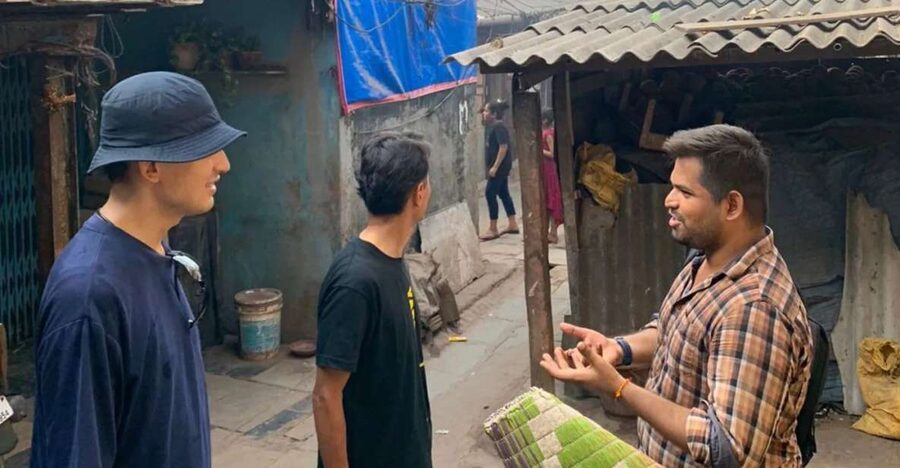
- Local guides make the difference: Guides including Abhishek, Bharti, Dhruvesh, Rakesh, and Hardik Tank have led visitors through the area with warmth and care.
- Dharavi is a place of work: Leather goods, soap, colored dyes, pottery, baking, and recycling all form part of the visit.
- The recycling story is a major highlight: You see how discarded plastic and oil containers are put to practical use.
- You can add hands-on activities: Choose pottery making, a vegetarian lunch with a local family, or both if your selected option allows it.
- Expect a respectful reality check: The walk challenges the easy picture of a slum as only a place of hardship.
- The price is modest: At $14 per person, the basic tour offers strong value if you want local context rather than a quick photo stop.
Dharavi is a working community, not a movie set
The word slum can make you picture only poor housing and difficult conditions. Dharavi certainly has crowded lanes and modest homes, but this tour makes clear that it is also a major center of work. Its economic output is estimated at about $1 billion a year, with informal recycling playing a large role.
That figure matters because it changes how you read the neighborhood. You are not walking through a silent residential quarter. People are producing goods, repairing items, selling food, moving materials, and running family businesses in very limited space.
Your guide helps explain this as you walk. The best guides do more than point at buildings. Abhishek, for example, has shown visitors where he grew up and introduced them to his family. Bharti has been praised for making the experience warm and personal, while Hardik Tank has offered detailed explanations about life in Dharavi and treated local people with care.
Guide assignments can change, so you may not get one of these specific guides. Still, their approach gives you a useful idea of what to expect: conversation, questions, and direct contact with daily life rather than a memorized speech.
More Dharavi walking tours in Mumbai
- Dharavi slum tour in Mumbai by Female tour guides of the slum
★ 5.0 · 1,976 reviews - Mumbai: Dharavi Slum, DhobiGhat, and Dabbawallas Tour
★ 4.9 · 689 reviews - Dharavi Slum Tour
★ 5.0 · 625 reviews
Starting at Third Wave Coffee
The meeting point is Third Wave Coffee. You meet your English-speaking guide there before walking into Dharavi.
This is useful because you begin with a clear meeting place rather than trying to locate a guide inside the maze of lanes. Wear closed-toe shoes, as requested, and bring a scarf. Water is included, but you should still dress for a walk through a close urban setting.
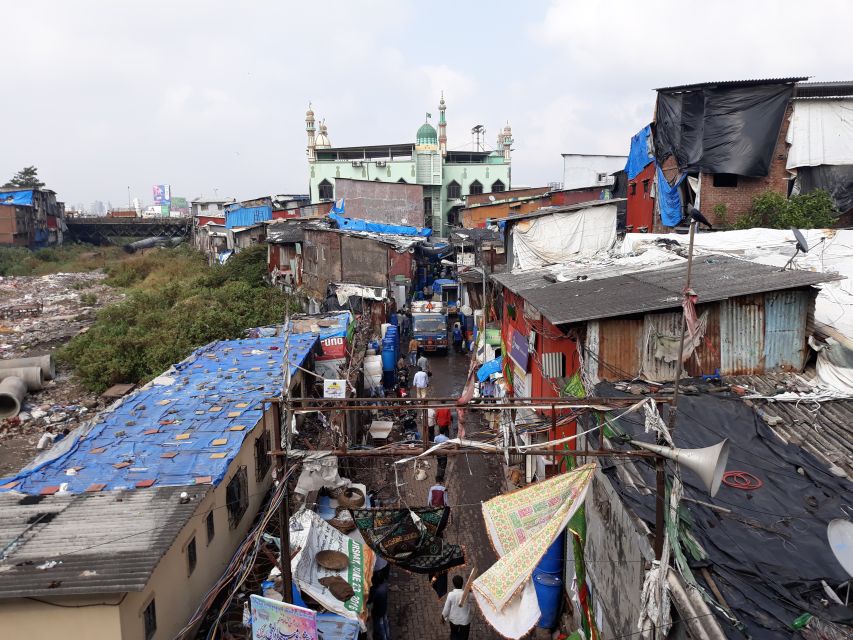
The tour begins with a short transition from the meeting point into the neighborhood. As you move farther in, the setting changes from ordinary Mumbai streets to compact lanes lined with homes and workshops. The contrast helps you understand how quickly the city shifts from formal business districts to informal industry.
No duration is provided for this experience, so avoid planning a tightly timed activity immediately afterward. Give yourself room for the walk, questions, and any added lunch or pottery option.
The film location and the first reality check
The tour visits the place where Slumdog Millionaire was filmed. That will interest anyone who knows the movie, but it is best treated as a small part of the walk rather than its main purpose.
A film location can make a neighborhood feel like a backdrop. Here, the guide helps put the setting back into its proper context. People live and work in these lanes every day, and the movie is only one outside connection to a much larger community.
You may find this stop useful as a starting point because it confronts a familiar image of Dharavi. After that, the tour shifts attention to the people and businesses that are easy to miss if you visit only for the movie connection.
Leather workshops and small businesses in tight spaces
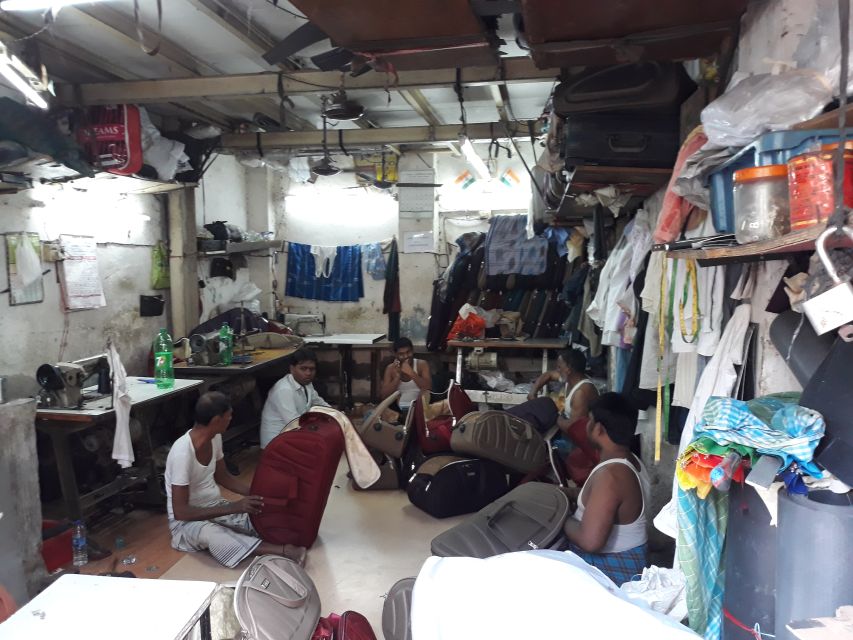
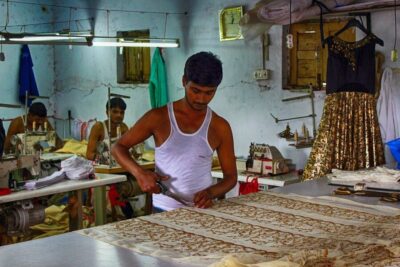
One of the clearest lessons here is how much work fits into a very small area. You may see leather workshops, soap makers, colored dye businesses, a bakery, and other small-scale industries during the walk.
The leather work is especially interesting if you want to understand how local skill becomes a finished product. You see that quality goods can come from modest workshops, not just large factories with polished storefronts.
The small spaces are part of the point. Homes and workplaces sit close together, and the same lane can serve several purposes. This arrangement can feel crowded, but it also shows the practical way residents have built businesses around the space available to them.
Your guide is important here. Without explanations, a narrow doorway or stack of materials may look like part of the scenery. With context, you begin to see the steps behind an item and the people earning a living from it.
More walking tours in Mumbai
- Group Guided Walking Tour in Fort and Colaba
★ 5.0 · 1,073 reviews - Private Guided Walking Tour in Fort & Colaba
★ 5.0 · 895 reviews - Private Guided Walking Tour in Bandra Queen of Suburbs
★ 5.0 · 383 reviews - Private Guided Spiritual Walk in Banganga Hindu Temples
★ 5.0 · 271 reviews
Recycling that rewards careful attention

The recycling section is likely to be one of the most useful parts of the tour. Dharavi’s recycling industry is described as a major part of its economic life, and the walk shows how residents work with discarded plastic and other materials.
You may see vegetable oil cans being reused in inventive ways. The lesson is not simply that people recycle because they lack new supplies. It is that recycling has become a skilled trade and an important source of work.
This section also challenges the common habit of viewing informal neighborhoods only through what they do not have. Dharavi residents have developed practical systems for collecting, sorting, processing, and reusing materials. The work may not look neat by formal industrial standards, but it is productive and highly organized in its own way.
Take your time here and listen to the guide’s explanations. The details about materials, work, and reuse are more valuable than a quick walk past the workshops.
Markets, homes, schools, and everyday services
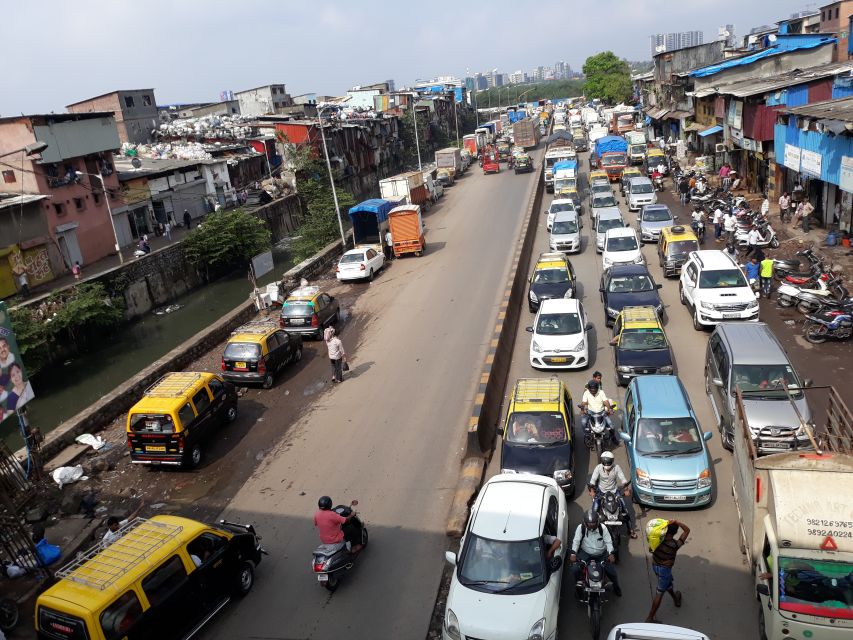
The route also passes through a market area, homes, schools, hospitals, and a bakery. These stops help you see Dharavi as a complete community rather than a collection of workshops.
The market gives you a sense of local commerce. The schools and hospitals are important because they show the services people rely on within the neighborhood. Seeing homes beside workplaces also makes the area’s compact design easier to understand.
You should expect narrow alleyways and a close view of ordinary routines. This is not a broad architectural tour, and there is no promise of grand viewpoints. Its value comes from the detail of daily life: where people buy things, where they work, and how several generations or businesses share a small area.
A good guide will help you pass through without treating residents as scenery. Hardik Tank was praised for being careful not to disturb people at work, and that is the right standard for this sort of visit.
A community lesson in shared religious life

One memorable detail included in the route is watching Muslims make a shrine for Hindus. That small act offers a more useful picture of neighborhood life than a broad statement about tolerance.
It shows cooperation in a practical setting. People of different faiths are not presented as separate groups existing in isolation. They can also work together on local religious traditions and shared community spaces.
Your guide can explain the meaning of what you are seeing and answer questions. This is one reason a local resident guide matters. The scene may pass quickly, but the context can stay with you long after the tour.
Choose pottery for a hands-on afternoon
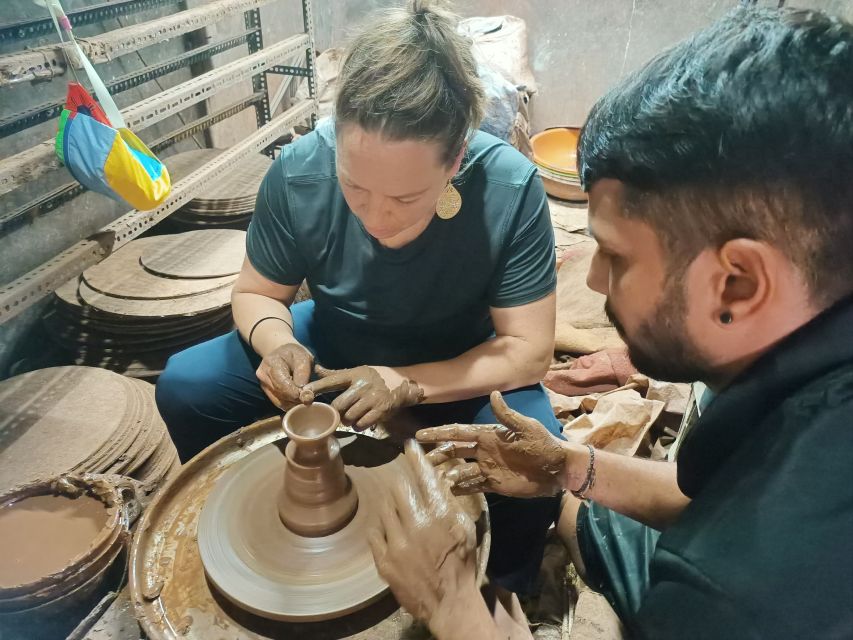
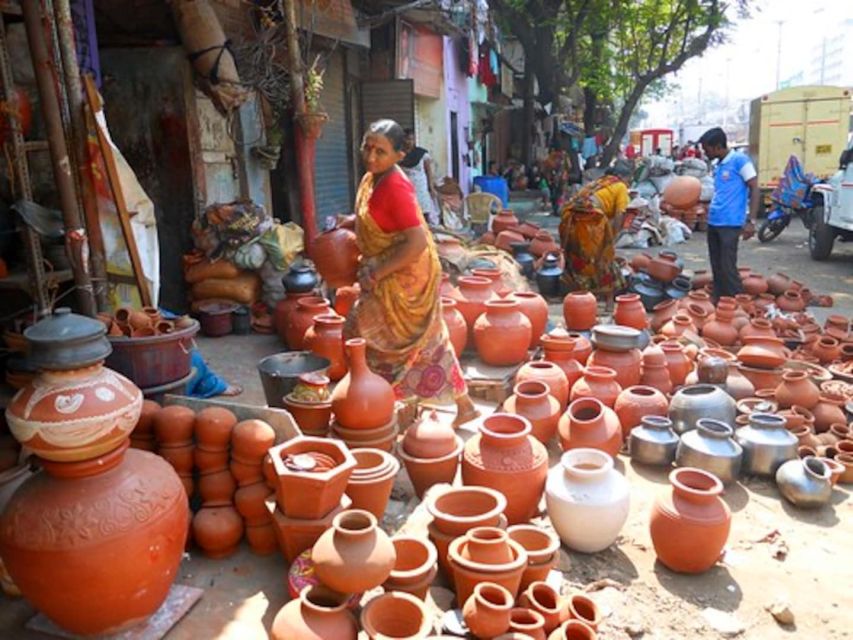
If you select the pottery option, you visit a local potter’s workshop in Kumbharwade and receive a general introduction to pottery making. You then have a chance to use the wheel and make a piece of Kumbharwade art.
This option suits you if you prefer doing something with your hands instead of only walking and listening. Pottery also adds another layer to the tour by showing a craft tradition alongside leather, recycling, and other local industries.
Do not expect professional results on your first attempt. The value is in trying the process and understanding the skill involved. Clay can look simple until you work with it yourself.
The pottery workshop is also a good choice for families and creative travelers, though the general walk still contains the main social and economic context. Check the option you book, since pottery is not included in every version.
Add lunch with a local family
The optional vegetarian lunch offers a more intimate end to the visit. You eat with a local family, sitting on the floor and using your hands in the local style.
This is not just an extra meal. It gives you a chance to slow down and speak with people in a home setting after seeing the neighborhood’s workplaces and streets. The meal can make the tour feel less like a guided observation and more like an exchange between people.
At the same time, you should choose this option only if you are comfortable entering a local home and adapting to a simple meal setting. It is more personal than eating in a restaurant, and that is exactly why it may not suit everyone.
The food is vegetarian. Depending on the option selected, lunch may be included or may not be part of your booking, so check the details before you pay.
What the guides add to the walk
The strongest feature of this experience is the guide. Several guides have received especially warm praise for being friendly, polite, careful, and willing to answer detailed questions.
Abhishek has made a strong impression by showing visitors his own home and introducing them to his family. That kind of meeting can make the tour feel less scripted, though it should always be approached with respect and without expecting a private visit.
Bharti has been described as warm and attentive, helping first-time visitors feel welcome. Dhruvesh has been praised for clear explanations, while Rakesh has also led an enlightening walk. Hardik Tank, who is 18 according to the supplied information, has been noted for his broad view of Dharavi and his thoughtful treatment of local residents.
You cannot select a particular guide unless the operator confirms it. Still, the pattern is clear: the guide is not a minor extra. The quality of the conversation shapes how much you take away from the walk.
Respectful conduct matters here
A visit to a low-income neighborhood raises an obvious question: how do you look without turning people into a show? The tour’s strongest examples point toward a respectful answer.
Listen more than you photograph. Ask questions through your guide. Do not block doorways or work areas. Keep your voice low in residential lanes, and follow your guide’s instructions around workshops and homes.
The supplied information specifically emphasizes guides taking care not to disturb workers and residents. That should guide your own behavior. You are entering a place where people live and earn their income, not a staged attraction.
The experience may challenge your assumptions, but avoid treating that surprise as the only story. Dharavi includes hardship, skill, family life, enterprise, religious cooperation, and pride. A fair visit makes room for all of those things.
Is $14 a good value?
At $14 per person, the basic tour is inexpensive for Mumbai. You receive a guided walk, water, and access to local context that would be difficult to gain on your own.
The value is strongest if you want to understand how Dharavi works. You see several types of business, learn about recycling, visit the market, and get explanations about daily life. A simple sightseeing walk may show you the lanes, but it will not necessarily help you understand what you are seeing.
The added options change the value. Pottery gives you an activity and a finished piece, while lunch adds direct time with a local family. Food is included only with the relevant option, so compare the choices rather than assuming the base price covers everything.
Because the tour has a 4.9 rating from 44 reviews, expectations are high. Still, the experience depends heavily on your guide and your own attitude. If you want comfort, privacy, and a carefully staged attraction, this is probably not the right choice. If you value honest local contact and practical context, the price is fair.
Who should book this Dharavi walk?
I would recommend it to first-time visitors to Mumbai who want more than famous landmarks. It suits you if you are curious about informal industry, recycling, local crafts, and how a dense community organizes daily life.
It is also a good fit for visitors who want a guide with a personal connection to Dharavi. The chance of meeting a guide who grew up there, such as Abhishek, can add a level of direct context that a citywide sightseeing guide may not provide.
Choose the pottery option if you enjoy hands-on activities. Choose lunch if you want a slower, more personal finish and are comfortable eating in a family home.
You may want to skip it if you dislike close urban walking, feel uneasy entering working neighborhoods, or want a tour focused on major monuments. The experience is thought-provoking, but it is not designed to be comfortable in the usual tourist sense.
Practical details before you go
Meet your English-speaking guide at Third Wave Coffee. The tour ends back at the meeting point.
Wear closed-toe shoes and bring a scarf. Water is included. The tour is offered in English, and you can reserve now and pay later if that option is available when booking. Cancellation is allowed up to 24 hours in advance for a full refund.
Check your selected option carefully. Vegetarian lunch and the pottery workshop are add-ons, not automatic inclusions in every booking.
Should you book this tour?
Book it if you want to see Dharavi as a place where people live, make things, recycle materials, worship, study, and earn a living. The strongest reason to go is the local guide, especially if you are matched with someone who can explain personal connections to the neighborhood.
The $14 base price is good value, and the pottery or family lunch can make the visit more memorable. Just arrive with patience, modest expectations, and respect for the people whose homes and workplaces you are entering. This is a serious look at Mumbai’s urban life, with plenty of human warmth but none of the polish of a standard sightseeing stop.
FAQ
Where does the Dharavi walking tour start?
Meet your guide at Third Wave Coffee in Mumbai.
Where does the tour finish?
The activity ends back at the meeting point.
Is the tour offered in English?
Yes. English is the listed tour language.
What should I bring?
Bring a scarf and wear closed-toe shoes. Water is included.
Is lunch included in the tour price?
A vegetarian lunch with a local family is included only with the option that offers it. Food is not included with every version of the tour.
Can I try pottery making?
Yes, if you choose the pottery workshop option. You receive an overview of pottery making, then try using a wheel to create a piece of Kumbharwade art.
Recently added around Mumbai
- Private Walking Tour in Dharavi Slums★ 5.0 · 7 reviews
- Mumbai Sightseeing Tour★ 5.0 · 11 reviews
- Private Mumbai 2-Day Tour Package:City + Slum & Elephanta Island.★ 5.0 · 3 reviews
- Vegetarian Indian Cuisine Virtual Cooking Class Experience from Mumbai★ 5.0 · 4 reviews
- Mumbai by Night Guided Tour★ 5.0 · 6 reviews
- Transfer from Mumbai Airport to Hotel★ 4.0 · 7 reviews
- Full-Day Agra Tour with Taj Mahal From Mumbai By Air★ 5.0 · 8 reviews
- Taj Mahal Day Trip Including Same Day Flights from Mumbai★ 5.0 · 3 reviews
Mumbai Dharavi Slum Tours, compared.
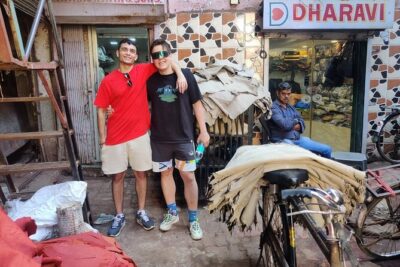
Dharavi slum tour in Mumbai by Female tour guides of the slum
Read our review →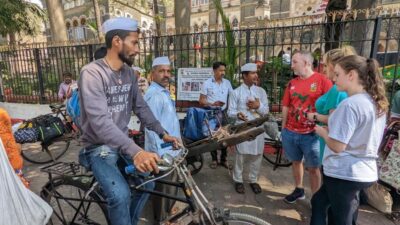
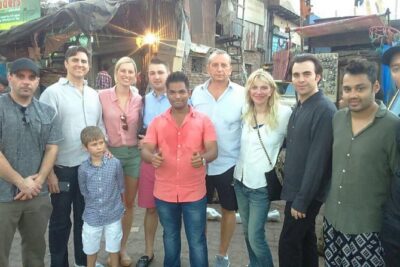
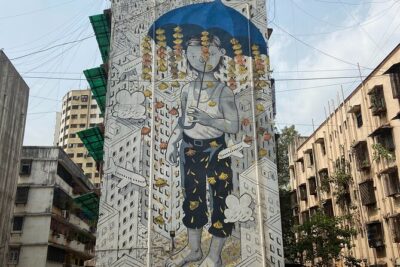
Dharavi Slum Slumdog Millionaire Tour with a Local
Read our review →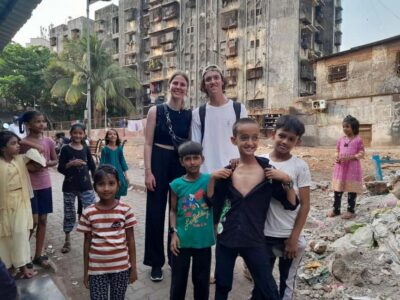
Mumbai Slum Tour – Visit Dharavi Slum with Local Guide
Read our review →
Dhobi Ghat Laundry and Dharavi Slum Tour with Local
Read our review →
Browse the lists this tour appears in