
Reviewed · MUMBAI DHARAVI SLUM TOURS
Dharavi: Daily Life inside Asia’s Largest Slum walking tour
Dharavi is not a sightseeing set piece. It is a working neighborhood where plastic, metal, leather, food, clay, and human effort all share very tight quarters. I like that this two-hour walk shows both sides of Dharavi: the small factories that feed Mumbai’s informal economy and the homes where daily life unfolds in narrow lanes. I also like the local guides, including Bala, Ravi, Abhishek, and Segidi, who explain the area through personal, grounded stories. The main drawback is the setting itself: uneven paths, tight spaces, outdoor exposure, and difficult living conditions can make this a demanding walk.
The price is just $7 per person, which makes this one of Mumbai’s more affordable guided experiences. Still, the low cost does not make it a casual photo stop. You need to dress modestly, ask before photographing people, and come ready to listen rather than simply collect images.
Key points to know before walking into Dharavi
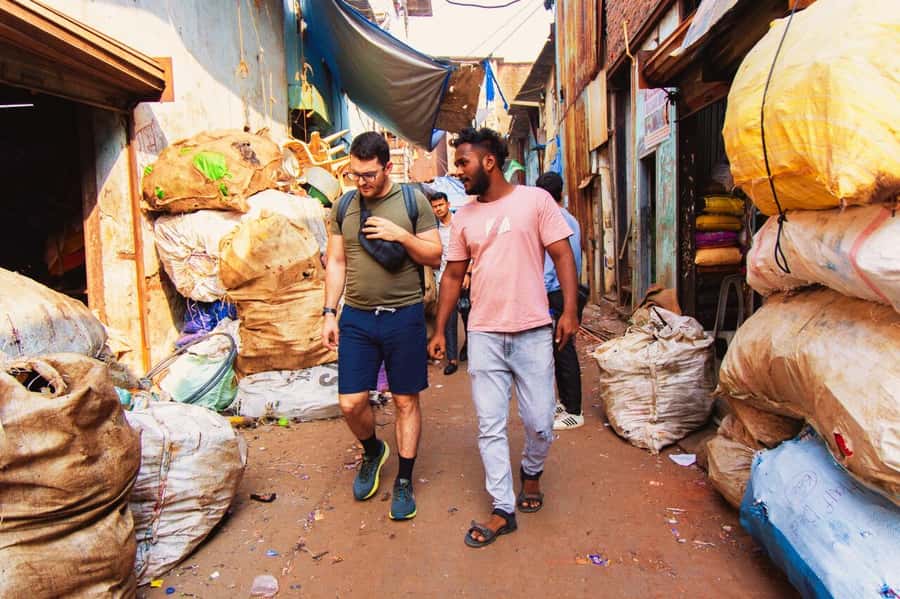
- Plastic recycling is a working industry: See how discarded plastic is sorted and processed into useful everyday products.
- The residential lanes show real daily life: Expect narrow paths, small homes, children playing cricket, food preparation, and frank discussion of sanitation, schools, healthcare, and housing.
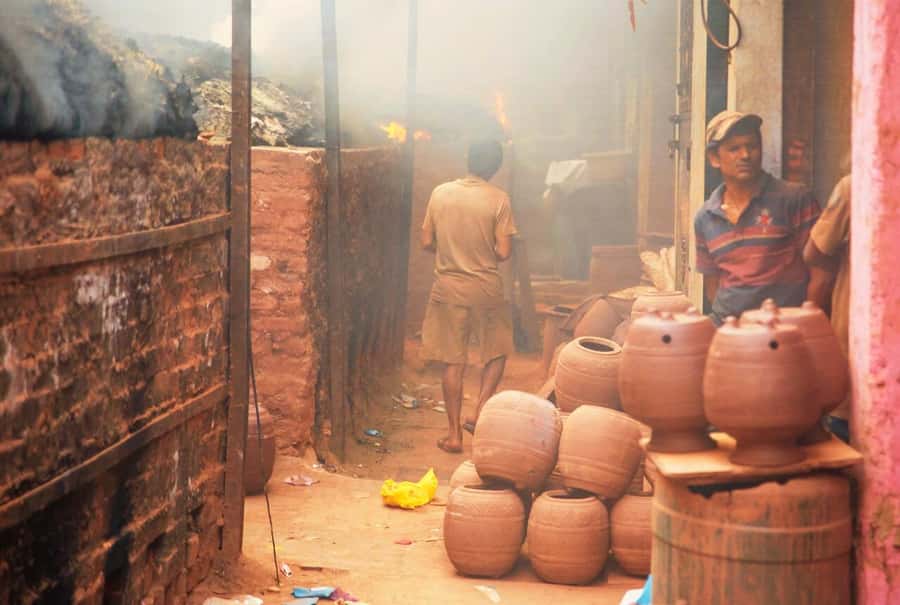
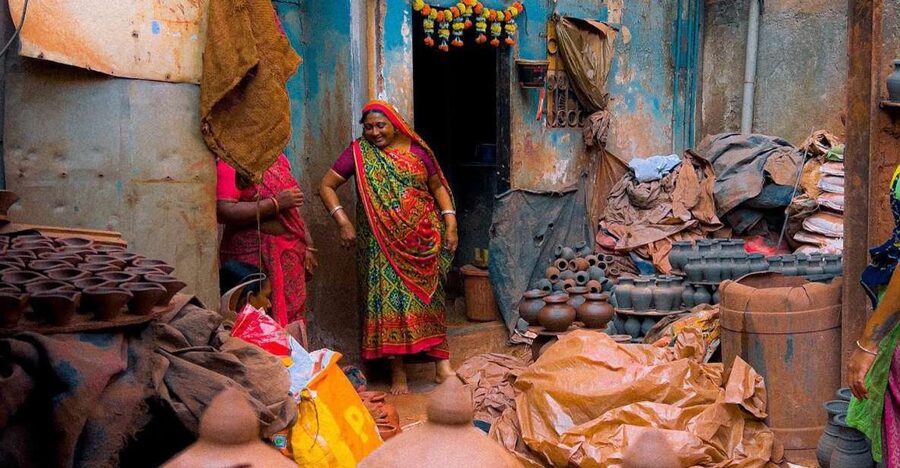
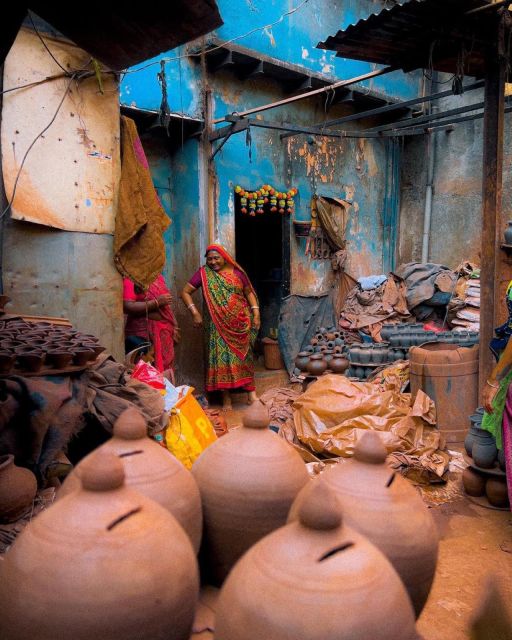
- Kumbharwada keeps pottery traditions alive: This historic potters’ colony is home to a Gujarati community that has made clay goods for generations.
- Local guides shape the experience: Guides such as Bala, Ravi, Abhishek, and Segidi explain Dharavi in English or Hindi and help you move safely through the area.
- The tour lasts about two hours: It begins and ends at the meeting point, with packaged water available if needed.
- Respect matters more than photographs: Photography is allowed, but ask permission before photographing residents or workers.
Why this Dharavi walk is worth your time
Dharavi is often reduced to a single label, but a walk here shows a much more complicated place. It is crowded and under-resourced, yet highly productive. Workshops operate beside homes. Families pass skills from one generation to the next. People make, repair, sort, bake, wash, sell, and reuse goods in spaces that would seem far too small for the work.
That tension is the heart of the experience. You will not get a polished Mumbai attraction with broad paths and neat displays. You will get an active neighborhood, a local guide, and a close look at how people organize work and home life under severe space limits.
I especially like the emphasis on the informal economy. You learn that Dharavi is not simply a place of need. It is also a place of production, trade, and practical invention. Many family-run businesses have worked here for generations, turning limited resources into income and useful goods.
The tour also asks you to look beyond the workshops. The residential section brings up sanitation, education, healthcare, housing, and living standards. That balance is important. A visit that showed only recycling and pottery would make Dharavi seem like an unusual industrial district. A visit that showed only hardship would miss the skill and pride of the people who live there.
More Dharavi walking tours in Mumbai
- Dharavi slum tour in Mumbai by Female tour guides of the slum
★ 5.0 · 1,976 reviews - Mumbai: Dharavi Slum, DhobiGhat, and Dabbawallas Tour
★ 4.9 · 689 reviews - Dharavi Slum Tour
★ 5.0 · 625 reviews
Meeting near Third Wave Coffee
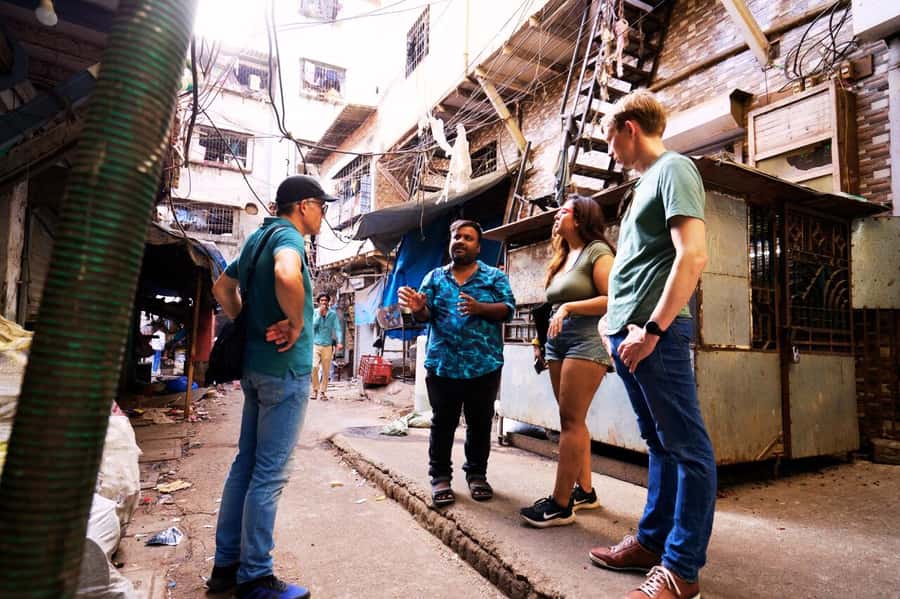
The walk begins outside Third Wave Coffee, a relaxed meeting point where you receive a short introduction and briefing. The exact meeting point can vary with the option booked, so check your booking details carefully and arrive on time.
This first pause matters. Dharavi can feel confusing at the start, especially if you are new to Mumbai’s streets and traffic. Your guide sets the tone, explains what to expect, and introduces the basic rule for the visit: observe with respect.
The guide may be Bala, Ravi, Abhishek, Segidi, or another member of the local team. The guide names can vary, but the information provided points to a consistent strength: clear explanations, help with street crossings, and attention to your comfort. Bala, in particular, is described as speaking very good English and explaining topics in detail. Abhishek is praised for communication, organization, and helping visitors feel safe.
From the meeting point, you head toward Dharavi on foot. There is no separate vehicle sightseeing circuit here. The walking is part of the lesson because it lets you move from the industrial section into the residential lanes at a human pace.
Plastic, metal, leather, and the work district
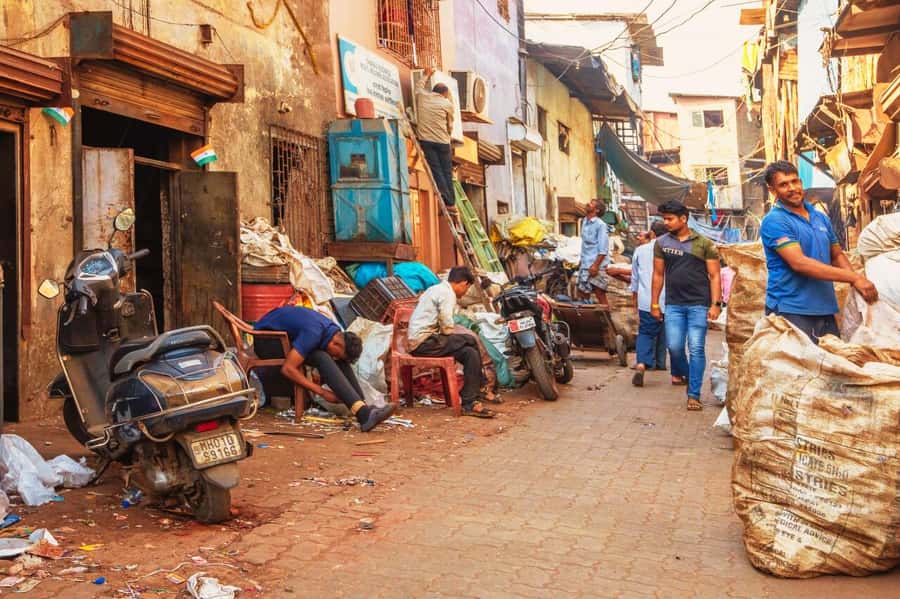
The first main section is the industrial district. This is where the tour makes its strongest case for Dharavi as a place of work, not just a symbol of poverty.
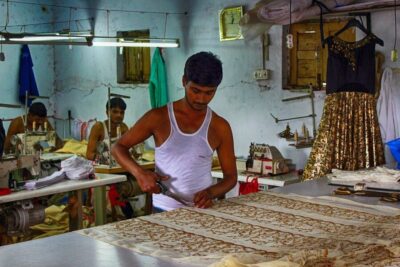
You might see plastic being sorted and recycled, metal being processed, leather goods being made, snacks being baked, and soaps or textiles being produced. The details depend on the day’s activity and the route used, but the focus is clear: local businesses use skill and organization to make valuable products from basic materials.
The plastic recycling stop is particularly useful because it turns a vague idea into a visible process. Instead of hearing that recycling happens in Dharavi, you get to see waste being sorted and changed into something useful. The lesson is practical. In a neighborhood with limited room and resources, very little can be wasted.
Your guide also explains how these workshops fit into Mumbai’s wider economy. The businesses may be small in physical size, but together they generate millions in turnover each year. You will not be given a full business course, but you will see how family-run production can operate in a dense urban area.
There is a clear trade-off here. The close quarters make the visit interesting, but they can also feel cramped. Industrial spaces may be noisy, busy, or uncomfortable for anyone with respiratory issues. You should wear closed-toe shoes and clothes you can walk in without worrying about dust, uneven ground, or close contact with other people.
This part is not designed for buying souvenirs or watching a staged demonstration. It is closer to a working neighborhood visit. People may be focused on their jobs, so listen to your guide and avoid blocking lanes or work areas.
Entering the residential lanes
The shift from workshops to homes changes the mood. The lanes become narrower, and the focus moves from what people produce to how they live.
You might see children playing cricket in tight alleyways, women talking from doorways, and food being prepared or shared. These are small details, but they help you understand that Dharavi is not just an industrial zone. It is a neighborhood with routines, relationships, and a strong sense of belonging.
The guide talks about difficult subjects here: sanitation, schools, playgrounds, salaries, healthcare, housing, and living standards. These conversations give you useful context for the buildings and lanes around you. Rather than simply seeing a small home, you begin to understand the pressure created by limited space and limited public services.
This portion requires the most care from you. Residents are not part of a performance, and their homes are not exhibits. Keep your voice low, follow the guide’s instructions, and ask before taking photographs. The tour information specifically stresses that the experience is educational and respectful, not a checklist of sights.
I appreciate that distinction. Dharavi can be easy to photograph and hard to understand. A respectful guide helps you move past quick impressions and pay attention to the human side of the area.
At the same time, you should be honest with yourself about comfort. The lanes are narrow and uneven. Conditions may be challenging. If you have mobility issues, use a wheelchair, have respiratory problems, or are visually impaired, this activity is not considered suitable. The walk also includes outdoor exposure, so bring water, sunscreen, and a hat if needed.
More walking tours in Mumbai
- Group Guided Walking Tour in Fort and Colaba
★ 5.0 · 1,073 reviews - Private Guided Walking Tour in Fort & Colaba
★ 5.0 · 895 reviews - Private Guided Walking Tour in Bandra Queen of Suburbs
★ 5.0 · 383 reviews - Private Guided Spiritual Walk in Banganga Hindu Temples
★ 5.0 · 271 reviews
Kumbharwada and the potters of Gujarat

The final major stop is Kumbharwada, Dharavi’s potters’ colony. This neighborhood has a different feel from the recycling and workshop areas.
The community originated in Gujarat, and families have made clay pots here for generations. You may see kilns, rows of fresh pots drying in the sun, and artisans shaping clay with practiced hands. This is the tour’s strongest link to older craft traditions.
Kumbharwada helps explain why local history matters in a place that can otherwise seem defined by modern pressure. The potters’ work is not separated from city life in a museum or rural craft center. It continues inside a dense Mumbai neighborhood, alongside homes, lanes, and other forms of industry.
I like this as the closing stop because it leaves you with something more than statistics about poverty or business. You see a craft that depends on patience, family knowledge, and repetition. You also see how tradition can survive while the surrounding city changes quickly.
The pottery area is not necessarily a quiet tourist attraction. You may still encounter narrow paths, active work, and limited room to stop. Follow the guide, avoid touching materials unless invited, and give artisans space to work.
Dhobi Ghat and the wider picture
Dhobi Ghat is included among the highlights as Mumbai’s open-air laundry, where washerfolk clean clothes by hand. The exact route and amount of time spent at each stop can vary, but its place in the experience adds another view of the city’s working life.
The laundry tradition connects everyday city services with manual skill. It also reinforces a theme that runs through the entire walk: work in Mumbai often depends on systems that visitors may barely notice.
You should not expect a long standalone visit at every highlight. This is a two-hour walking tour, and the guide must balance industrial sites, residential lanes, Kumbharwada, and Dhobi Ghat. The value comes from how the pieces fit together, not from spending a long time at one attraction.
The guides make the difference
A local guide is essential here. Without one, you might see crowded lanes and small workshops but miss the reasons behind them.
The guides named in the feedback include Segidi, Ravi, Abhishek, and Bala. Their ages and backgrounds may vary. One guide is described as only 19, which may appeal to you if you prefer meeting younger local voices rather than receiving a formal lecture.
Bala receives especially strong praise for detailed explanations, clear English, and careful support during street crossings. He also helped one visitor buy a train ticket and waited until an Uber arrived. That does not mean every guide will provide the same extra help, but it suggests a useful level of care from the local team.
Abhishek is noted for making the walk feel organized and safe. Ravi and Segidi are also singled out for making the experience personal and enjoyable. Since guide assignments can change, book this for the structure and local perspective rather than for one guaranteed individual.
The language options are Hindi and English. If you have questions, ask them. The tour is designed around conversation, and the best value comes from connecting what you see with the guide’s explanation.
Is $7 a good price?
At $7 per person, this is inexpensive for a guided two-hour experience in Mumbai. The price includes the walking tour, an English-speaking guide, and packaged water if needed.
The value is not in the number of attractions. You are paying for access, context, and a route through places that would be difficult to understand on your own. A guide helps you interpret recycling, pottery, housing, and local work without turning the neighborhood into a display.
The low price should not lead you to expect luxury. There is no air-conditioned vehicle, formal visitor center, or polished attraction infrastructure. You walk through real lanes, in outdoor conditions, with the discomfort that can come with heat, crowding, and uneven surfaces.
For me, the price makes sense if you want a short, focused introduction to Dharavi and are willing to approach it seriously. It is less suitable if you want a relaxed sightseeing outing or a photo-heavy tour.
Practical advice for a respectful visit
Wear comfortable clothes and sturdy closed-toe shoes. A scarf can help with sun, dust, and modesty, while water, sunscreen, and a hat are sensible additions.
Keep your belongings secure and stay close to the guide when crossing streets or moving through tight lanes. The tour team provides packaged water if needed, but bringing your own water is still sensible.
Dress modestly. Dharavi is a residential community, and simple clothing shows respect without making a fuss about it.
Photography is allowed, but ask permission before photographing people. Do not assume that a doorway, worker, child, or family scene is yours to record. If someone declines, put the camera away and continue walking.
The tour ends back at the meeting point. That makes the logistics simple, and it also means you can plan your next Mumbai activity from the same general area. Allow yourself a little breathing room after the two-hour walk rather than scheduling something that requires an exact departure time.
Who should book this Dharavi walk?
You should book it if you want to understand how a dense Mumbai neighborhood works, especially its small industries and community life. It suits curious visitors who enjoy walking, asking questions, and hearing about everyday concerns such as schooling, sanitation, healthcare, and housing.
It is also a good match if you want an affordable local experience with a clear social focus. The small-group approach is intended to keep the atmosphere more personal and less intrusive.
You should think twice if you dislike narrow lanes, uneven walking surfaces, outdoor conditions, or emotionally difficult subjects. It is not suitable for wheelchair users, people with mobility impairments, people with respiratory issues, or visually impaired people.
You can cancel up to 24 hours in advance for a full refund, and the reserve-now, pay-later option may help if your Mumbai plans are still shifting.
Should you book this tour?
Book it if you want a respectful introduction to Dharavi that treats the area as both a working economy and a residential community. The strongest parts are the plastic recycling, the honest discussion of living conditions, the Gujarati potters of Kumbharwada, and the chance to learn from local guides such as Bala, Ravi, Abhishek, or Segidi.
Skip it if you want a conventional sightseeing tour with wide paths, fixed photo stops, or comfortable transport. This walk asks for patience and good manners, but at $7, it offers a useful look at a side of Mumbai that many visitors would otherwise misunderstand.
FAQ
How long does the Dharavi walking tour last?
The tour lasts about two hours and ends back at the meeting point.
What does the $7 price include?
The price includes the two-hour walking tour, an English-speaking guide, and packaged water if needed.
Which languages are available?
The tour is offered in Hindi and English.
Where does the tour start?
The meeting point may vary depending on the option booked. The listed meeting point is outside Third Wave Coffee, so check your booking details and arrive on time.
Can I take photographs during the tour?
Photography is allowed, but you should ask permission before photographing people.
What should I wear and bring?
Wear comfortable clothes and closed-toe shoes. Bring water, sunscreen, and a hat if needed. A scarf is also recommended.
Is the tour suitable for people with mobility or respiratory issues?
No. The walk includes narrow, uneven lanes and outdoor exposure, and it is not suitable for people with mobility impairments, wheelchair users, people with respiratory issues, or visually impaired people.
Recently added around Mumbai
- Private Walking Tour in Dharavi Slums★ 5.0 · 7 reviews
- Mumbai Sightseeing Tour★ 5.0 · 11 reviews
- Private Mumbai 2-Day Tour Package:City + Slum & Elephanta Island.★ 5.0 · 3 reviews
- Vegetarian Indian Cuisine Virtual Cooking Class Experience from Mumbai★ 5.0 · 4 reviews
- Mumbai by Night Guided Tour★ 5.0 · 6 reviews
- Transfer from Mumbai Airport to Hotel★ 4.0 · 7 reviews
- Full-Day Agra Tour with Taj Mahal From Mumbai By Air★ 5.0 · 8 reviews
- Taj Mahal Day Trip Including Same Day Flights from Mumbai★ 5.0 · 3 reviews
Mumbai Dharavi Slum Tours, compared.
Dharavi slum tour in Mumbai by Female tour guides of the slum
Read our review →
Dharavi Slum Slumdog Millionaire Tour with a Local
Read our review →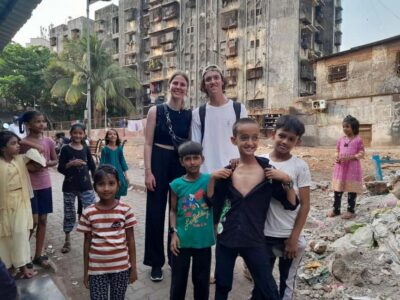
Mumbai Slum Tour – Visit Dharavi Slum with Local Guide
Read our review →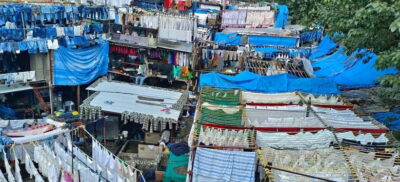
Dhobi Ghat Laundry and Dharavi Slum Tour with Local
Read our review →
Browse the lists this tour appears in