
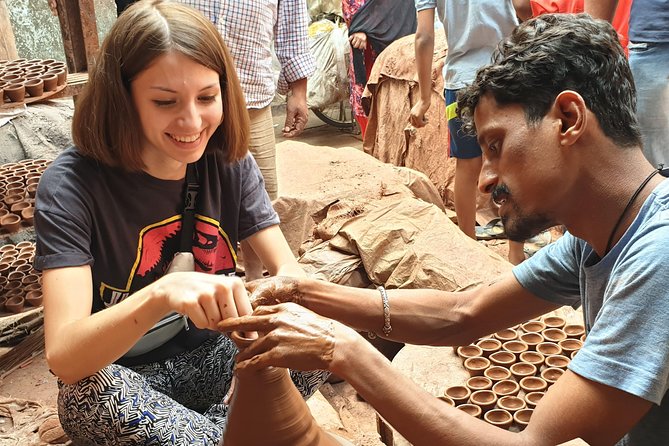
Reviewed · MUMBAI DHARAVI SLUM TOURS
Life In Dharavi: A Guided Tour Of Dharavi Slum
Dharavi is more than the movie image many visitors carry in their heads. This private tour takes you into a working Mumbai community, where homes, workshops, shops, and small factories occupy the same tight urban space. Local guides such as Bharti, a lifelong resident, and Divya, described as Dharavi’s first female guide, can give the visit a personal point of view.
I like the direct access to Dharavi’s working life, especially the chance to see plastic recycling, pottery, and soap production rather than simply pass through on a bus. I also like the private format and hotel pickup, which make a sensitive and complicated visit easier to manage. The main consideration is that this is a tour of a low-income community, so you must be ready to listen, follow your guide’s lead, and treat residents with care.
Key points at a glance
- Local perspective: Guides may have deep personal ties to Dharavi, including Bharti, who has lived there all her life.
- Working community: You can see small-scale industries such as plastic recycling, soap making, pottery, and embroidery.
- Private setup: Only your group takes part, giving you more room to ask questions and control the pace.
- Hotel pickup: Private transport in an air-conditioned vehicle is included.
- Approximate length: Plan on about four hours overall, with roughly three hours listed for Dharavi itself.
- Advance planning: This experience is often booked about 51 days ahead, so last-minute availability may be limited.
Why Dharavi makes a powerful Mumbai visit
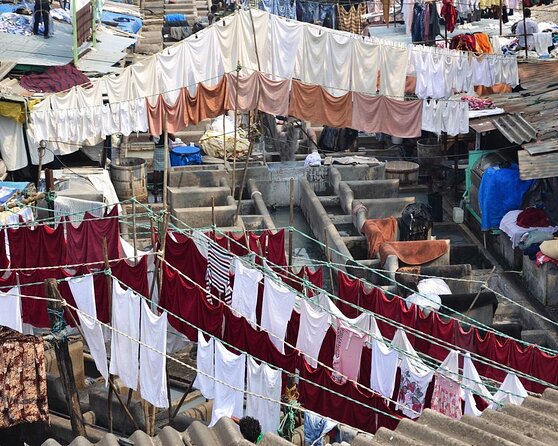
Dharavi sits between Mumbai’s two main suburban rail lines, close to the center of India’s financial capital. The location helps explain why so many people live and work there. Mumbai rents are famously high, while Dharavi offers a more affordable base for people earning daily wages and building a life in the city.
The community is home to more than a million people according to the tour information. Many residents are second-generation locals, and some families have lived there for several generations. That matters because Dharavi is not a temporary camp or a place frozen in poverty. It is a long-established neighborhood with homes, businesses, workspaces, and social networks.
I find that context important before you arrive. The word slum can reduce a complicated place to one label. Your guide can help you see the pressure created by land prices and overcrowding, but also the enterprise that keeps the area working.
The tour also addresses plans for Dharavi’s development. Mumbai’s prime central land has enormous value, and redevelopment raises difficult questions about housing, jobs, relocation, and community identity. You will not solve those questions in one morning, but you can leave with a clearer sense of why the future of Dharavi matters.
More Dharavi walking tours in Mumbai
- Dharavi slum tour in Mumbai by Female tour guides of the slum
★ 5.0 · 1,976 reviews - Mumbai: Dharavi Slum, DhobiGhat, and Dabbawallas Tour
★ 4.9 · 689 reviews - Dharavi Slum Tour
★ 5.0 · 625 reviews
Starting with private hotel transportation
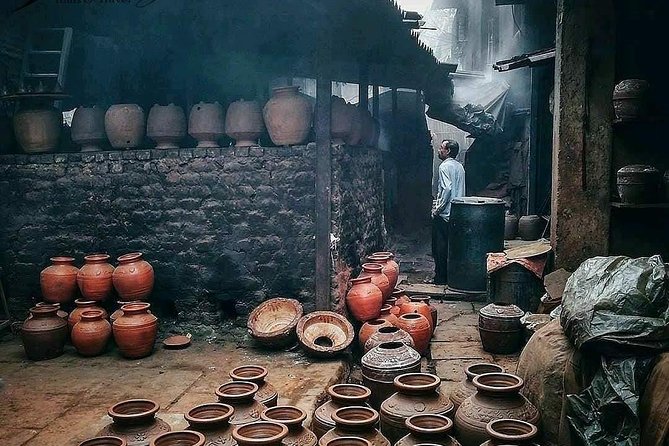
Private transportation is included in an air-conditioned vehicle, along with bottled water. That is a practical advantage in Mumbai, where traffic, heat, and unfamiliar streets can make a simple meeting point feel like work.
The private format means only your own group participates. I like that for this particular subject. You can ask a direct question without feeling you are holding up a large group, and your guide can spend more time explaining a workshop or answering questions that match your interests.
The tour lasts approximately four hours overall. The Dharavi portion is listed at about three hours, so the remaining time likely allows for transport and the transition into and out of the neighborhood. Exact timing can depend on your pickup location and Mumbai traffic, so avoid scheduling a tight appointment immediately afterward.
Bottled water is supplied, which lets you pack a little lighter. Lunch is not included, so plan your food separately. The tour information does not specify a meal stop, and you should not expect lunch to be part of the price.
Meeting guides with a personal connection
The strongest feature here is the human point of view. The tour is designed to explain Dharavi through people who live there and work in or around the community, not only through statistics about housing and income.
Bharti is one example. She is described as having lived in Dharavi all her life, with children who are fifth-generation residents. A guide with that background can explain how a neighborhood changes across generations and why residents may see Dharavi as home, not simply as a place of hardship.
Divya is another guide connected with the experience. She is described as the first female guide from Dharavi and as a local figure known in the community. That detail gives the tour an extra layer, especially for anyone interested in how local residents shape the way outsiders understand their neighborhood.
You may not be assigned either guide, so treat these names as examples of the kind of local leadership connected with the tour, not a guarantee. The central benefit remains the same: an English-speaking guide can place what you see into a social and economic context.
Inside Dharavi’s working economy
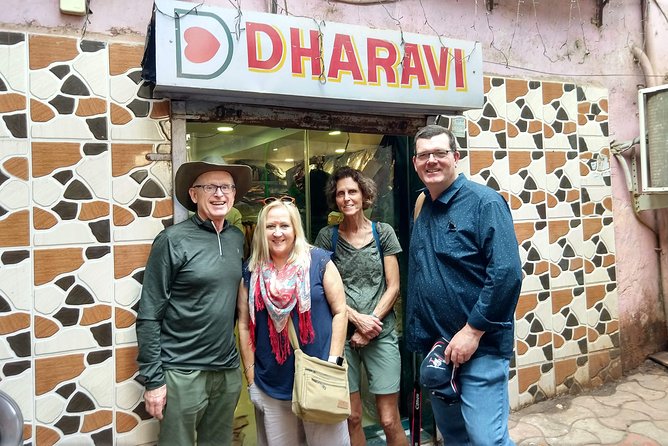
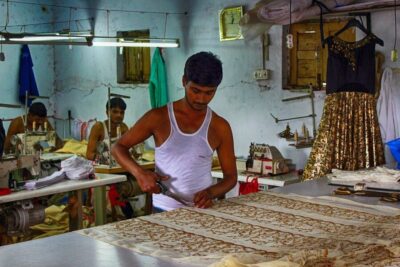
The tour’s three-hour Dharavi visit focuses on daily life and small-scale production. You may see areas connected with plastic recycling, soap making, pottery, and embroidery. These are not staged demonstrations created for visitors. They are examples of the work that supports households and supplies goods beyond Dharavi.
Plastic recycling is particularly useful for understanding how informal industry fits into Mumbai’s economy. You can see how discarded material may become part of a local business chain, while also considering the hard conditions and narrow spaces involved. The tour gives you a chance to ask how work is organized and how residents make a living.
Soap production and pottery show a different side of local enterprise. They remind you that Dharavi is not defined by one industry or one kind of worker. Embroidery and other small businesses add to the picture of a neighborhood where many skills and trades operate close to homes.
I would pay attention to the contrast between the scale of these businesses and the size of the space available to them. Dharavi’s location is valuable, yet its workshops operate in a densely settled area. That tension helps explain both the community’s economic importance and the pressure behind redevelopment plans.
A few more Mumbai tours and experiences worth comparing
- Group Guided Walking Tour in Fort and Colaba
★ 5.0 · 1,073 reviews - Mumbai: Elephanta Caves Half-Day Guided Tour with Expert
★ 4.8 · 1,032 reviews - Private Guided Walking Tour in Fort & Colaba
★ 5.0 · 895 reviews - Highlights of South Mumbai Guided Private Tour in AC Vehicle
★ 5.0 · 620 reviews
What the daily-life portion can teach you
The tour is not only about workplaces. It is also about the people who use Dharavi as an affordable home in a city where rents can be among the highest in the world.
The supplied information gives a daily wage example as low as 185 rupees, listed at about four US dollars or 2.20 British pounds at the time of writing. Treat that figure as an illustration rather than a current wage guide, but it shows why affordability matters. A low-cost neighborhood can make it possible for workers to stay near jobs that would otherwise be too far away or too expensive to reach.
The rail lines are another key detail. Dharavi’s position between Mumbai’s two main suburban railway routes gives many residents practical access to work across the city. I like that the tour connects housing with transportation. A neighborhood is not just a collection of buildings. Its location shapes how people earn money, raise families, and move through Mumbai.
Your guide may also discuss the difference between outside perceptions and local experience. Dharavi was made famous internationally by Slumdog Millionaire, but a film cannot show the full range of lives in a place this large. The tour can help you replace a narrow movie image with a more grounded understanding of homes, businesses, and long-term residents.
A respectful way to visit a low-income neighborhood
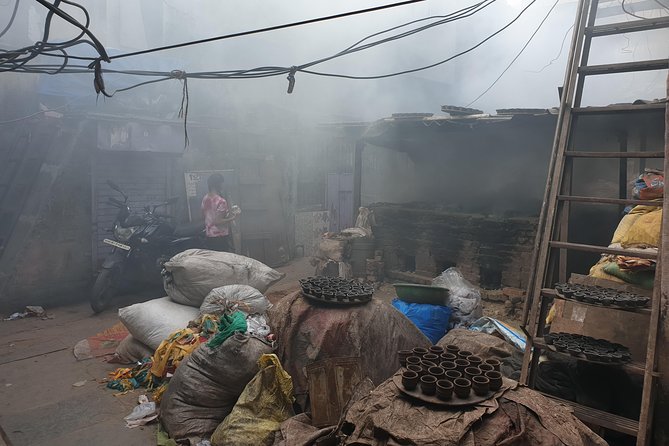
The ethical question is unavoidable: is it right to visit a poor community as a sightseeing destination? I think the answer depends heavily on how you behave and what the tour actually offers.
This experience is most worthwhile when you treat Dharavi as a living neighborhood, not as a display. Listen more than you speak. Follow instructions about where to walk and what you may photograph. Do not treat residents, homes, or workplaces as props. The supplied information does not set out specific photography rules, so ask your guide before taking pictures.
A local guide can make the visit more respectful by explaining what you are seeing and by controlling the interaction. That is one reason I prefer this private tour over wandering into an unfamiliar area alone. Your guide can help you avoid careless behavior and answer questions in context.
The tour’s emphasis on Dharavi residents also gives the visit a purpose beyond looking. You are learning how people work, why families remain in the area, and how proposed development could affect them. Still, no guided walk can represent every resident’s view. Keep your conclusions modest and listen for complexity.
Is the private format worth $54?
At $54 per person, this is not the cheapest way to spend a morning in Mumbai. The value comes from several services bundled together: private hotel transportation, an air-conditioned vehicle, bottled water, an English-speaking guide, and a private tour lasting about four hours.
For a solo visitor, the price may feel high because you are not splitting the vehicle cost across a large group. For two or more people, the private setup becomes easier to justify, especially if you value personal questions and a flexible pace. Group discounts are offered, which may improve the price for larger parties.
I also see value in the guide’s local connection. You are not paying only for transport into Dharavi. You are paying for interpretation, introductions to the area’s working life, and help with a subject that requires more care than a standard photo stop.
The tradeoff is that lunch is not included, and the tour does not promise a formal meal or shopping experience. If you want a broad sightseeing package with several Mumbai landmarks, this is not the right choice. If you want one focused visit with time to understand a single community, the price is more reasonable.
Who will get the most from this tour
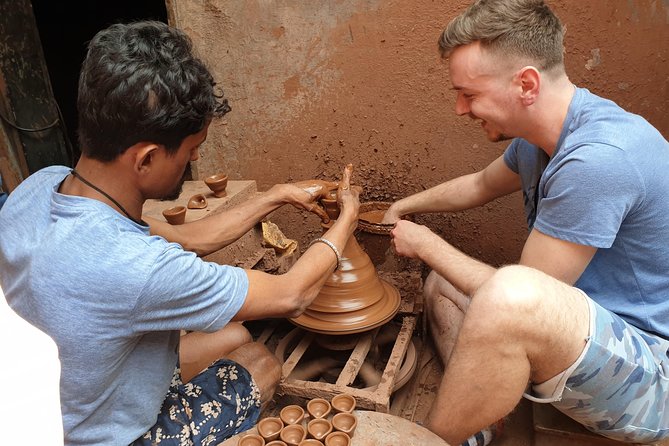
I would recommend this experience to you if you want to understand how ordinary work and housing fit together in Mumbai. It suits curious visitors who are comfortable with a serious subject and who prefer conversation and context over polished attractions.
It may also suit families with older children, students, photographers who can follow strict etiquette, and anyone interested in urban development. The private format gives you a chance to shape the conversation around those interests.
You should think twice if you want a light, carefree outing. Dharavi is crowded, economically pressured, and emotionally complicated. The tour may challenge easy assumptions, and that is part of its value, but it is not a casual entertainment stop.
Most travelers can participate, and service animals are allowed. The tour is near public transportation, although private pickup is included. Confirmation is provided at booking, and free cancellation is available if you cancel at least 24 hours before the start time. Changes or cancellations made later are not accepted for a refund.
What to know before you book
This experience is often reserved about 51 days in advance. That pattern suggests you should plan ahead, especially if your Mumbai schedule is fixed or you want a private departure.
Wear practical clothing and shoes suited to walking, though the supplied information does not specify a dress code. Carry only what you need, since bottled water is provided and the tour takes place in a working neighborhood rather than a formal attraction.
Keep your expectations precise. You are not being promised access to every part of Dharavi or a complete account of all its communities. You are getting a guided introduction lasting about three hours in the area, supported by private transport and a local English-speaking guide.
Should you book the Dharavi tour?
Book it if you want a careful, people-centered look at Mumbai’s housing pressures and small-business economy. The personal connections of guides such as Bharti and Divya, the private format, and the chance to see recycling, pottery, soap making, and embroidery give the visit substance.
Skip it if you are mainly seeking famous monuments, shopping, or a relaxed meal. This tour asks you to pay attention and show respect. For the right visitor, the $54 price buys more than transport and a walk. It offers a clearer view of how a large Mumbai community lives and works, without pretending that one visit can explain everything.
FAQ
How long does the Dharavi tour last?
The full experience lasts approximately four hours. The Dharavi portion is listed at about three hours, with the rest of the time likely used for transportation and the hotel pickup process.
Is hotel pickup included?
Yes. Private transportation from your hotel is included in an air-conditioned vehicle.
Is this a private tour?
Yes. Only your group participates, so you receive personal attention from the guide and can ask questions directly.
Will I receive bottled water?
Yes. Bottled water is included, so you do not need to pack your own for the tour.
Is lunch included?
No. Lunch is not included in the tour price.
Can I cancel for a full refund?
Yes, if you cancel at least 24 hours before the experience start time. Cancellations or changes made less than 24 hours in advance are not accepted for a refund.
Recently added around Mumbai
- Private Walking Tour in Dharavi Slums★ 5.0 · 7 reviews
- Mumbai Sightseeing Tour★ 5.0 · 11 reviews
- Private Mumbai 2-Day Tour Package:City + Slum & Elephanta Island.★ 5.0 · 3 reviews
- Vegetarian Indian Cuisine Virtual Cooking Class Experience from Mumbai★ 5.0 · 4 reviews
- Mumbai by Night Guided Tour★ 5.0 · 6 reviews
- Transfer from Mumbai Airport to Hotel★ 4.0 · 7 reviews
- Full-Day Agra Tour with Taj Mahal From Mumbai By Air★ 5.0 · 8 reviews
- Taj Mahal Day Trip Including Same Day Flights from Mumbai★ 5.0 · 3 reviews
Mumbai Dharavi Slum Tours, compared.
Dharavi slum tour in Mumbai by Female tour guides of the slum
Read our review →
Dharavi Slum Slumdog Millionaire Tour with a Local
Read our review →
Mumbai Slum Tour – Visit Dharavi Slum with Local Guide
Read our review →
Dhobi Ghat Laundry and Dharavi Slum Tour with Local
Read our review →
Browse the lists this tour appears in