
Reviewed · MUMBAI DHARAVI SLUM TOURS
Group Tour of Dharavi Slum walk with local Guide
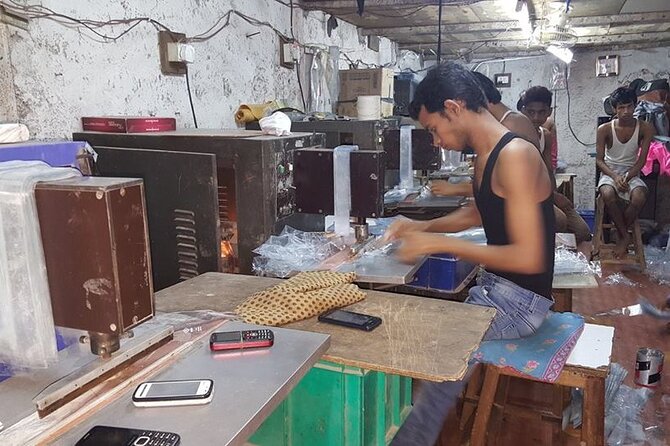
The most meaningful part of this Dharavi walking tour is the guide’s personal connection to the area. Your guide may be someone such as Bharti, Abhishek, or Mahesh, all praised for explaining Dharavi from lived experience rather than from a script. You’ll walk through both working areas and residential lanes, seeing leather production, pottery, soap making, bakeries, plastic recycling, and small neighborhood markets.
I like the tour’s two-hour focus and its small maximum group of 15. I also like that bottled water and an English-speaking guide are included, keeping the $12.26 price easy to understand. The main consideration is that this is a walking tour through narrow, active streets, so you should be comfortable with a close look at working and living conditions rather than a polished sightseeing route.
Key points at a glance
- A guide who grew up in Dharavi: Abhishek, Mahesh, and Bharti have been praised for making the area easier to understand through personal knowledge.
- Work and home life in one walk: The route covers industrial lanes, houses, markets, schools, hospitals, and residential areas.
- Real small-scale production: You may see leather work, pottery, soap making, baking, color dyeing, plastic recycling, and used cooking-oil can recycling.
- A two-hour introduction: The tour gives you a compact look at Dharavi without taking up half your day.
- Small group format: The group is capped at 15 people, a useful limit in narrow lanes.
- Simple value: At $12.26 per person, the price includes bottled water and an English-speaking guide, but not food, tea, coffee, or tips.
Entering Dharavi with a Local Guide
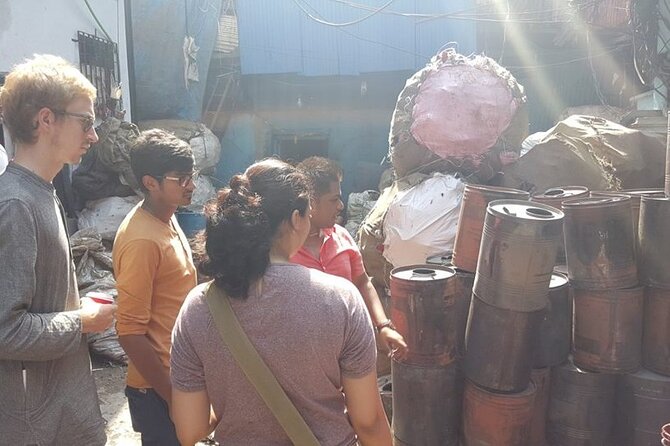
Dharavi is often reduced to a single label, but this walk gives you a more useful picture: it is a place where work, family life, trade, religion, and recycling all share very limited space. The guide helps you read what you are seeing and explains how people use the area.
That personal link matters. Mahesh is described as living in Dharavi, and Abhishek grew up there. Bharti was praised for helping make the area understandable and for turning the walk into a memorable part of a Mumbai visit. With a guide from the community, you can ask direct questions about work and daily life instead of simply passing through with a camera.
The tour begins at Third Wave Coffee at Tip Road, Unit 58, Ground, Ram Mahal, Senapati Bapat Marg, Marinagar Colony, near Mahim station. You should check the exact meeting details on your mobile ticket before setting out. The walk ends near Sai Multispeciality Hospital and Research Centre on 90 Feet Road in Dharavi, behind Sion Hospital, and you can arrange an Uber or local taxi from there.
More Dharavi walking tours in Mumbai
- Dharavi slum tour in Mumbai by Female tour guides of the slum
★ 5.0 · 1,976 reviews - Mumbai: Dharavi Slum, DhobiGhat, and Dabbawallas Tour
★ 4.9 · 689 reviews - Dharavi Slum Tour
★ 5.0 · 625 reviews
From Work Lanes to Residential Alleys
One of the tour’s strongest features is the contrast between Dharavi’s work area and its residential area. You begin to see how a narrow lane can serve as a workshop entrance, a delivery route, a shopping street, and a passage to someone’s home.
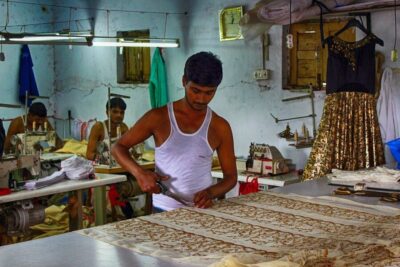
The industrial side includes leather industries, color dyeing, pottery, soap making, bakeries, and recycling work. These are not large factory visits. Instead, you’ll see small-scale production taking place close to homes and other businesses. That makes the experience more immediate, though it also means the spaces can feel tight and busy.
The walk through small alleys is likely to be the part that requires the most attention. You need to stay with the guide, listen carefully, and remain aware of people working around you. The narrow lanes are part of the point, but they are not designed like a museum route.
The guide can also explain the residential side, including houses in the area and the way homes sit alongside workshops. The value here is not a dramatic viewpoint. It is the chance to understand how daily routines fit into a dense urban setting.
Leather, Pottery, Soap, and Bakery Work
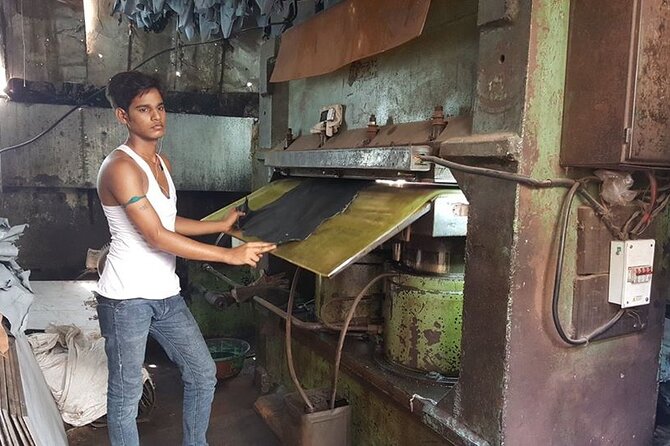
The leather section gives the tour a clear economic focus. You can see how a local industry forms part of the area’s working identity and why Dharavi is more than a residential district. The same is true of pottery, where the sight of people making useful goods adds a hands-on element to the walk.
Soap making and bakery work bring a different feel. These activities show the range of businesses operating within a compact part of Mumbai. You may find the bakery especially easy to understand because the final product is familiar, while soap and leather production give you a closer look at less visible forms of work.
Color dyeing is another useful stop because it shows how materials are processed before they become finished goods. The guide’s explanations are important here. Without context, you might only see equipment, containers, and narrow workspaces. With Abhishek, Mahesh, Bharti, or another local guide, you can ask how each activity fits into the local economy.
The practical point is to expect observation, not a hands-on workshop. The supplied details describe walking inside working areas with a guide, not making pottery or buying products as part of the tour.
Recycling in Plastic and Cooking Oil
The recycling sections give the route one of its clearest themes. Dharavi’s plastic recycling work shows how discarded material can become part of a local business chain. You may also see the recycling of vegetable-oil cans, a smaller detail that helps show the range of materials being reused.
These stops are valuable because they make waste and work visible. Instead of treating recycling as an abstract city service, you see it as labor carried out by people and businesses. The setting may not be comfortable or tidy, and that is worth accepting before you book.
You should also keep your expectations realistic. A two-hour walk cannot explain every stage of recycling or the full scale of Dharavi’s economy. It gives you a sharp introduction, with the guide supplying the human context that a quick drive past the area would miss.
More walking tours in Mumbai
- Group Guided Walking Tour in Fort and Colaba
★ 5.0 · 1,073 reviews - Private Guided Walking Tour in Fort & Colaba
★ 5.0 · 895 reviews - Private Guided Walking Tour in Bandra Queen of Suburbs
★ 5.0 · 383 reviews - Private Guided Spiritual Walk in Banganga Hindu Temples
★ 5.0 · 271 reviews
Homes, Schools, Hospitals, and a Neighborhood Market
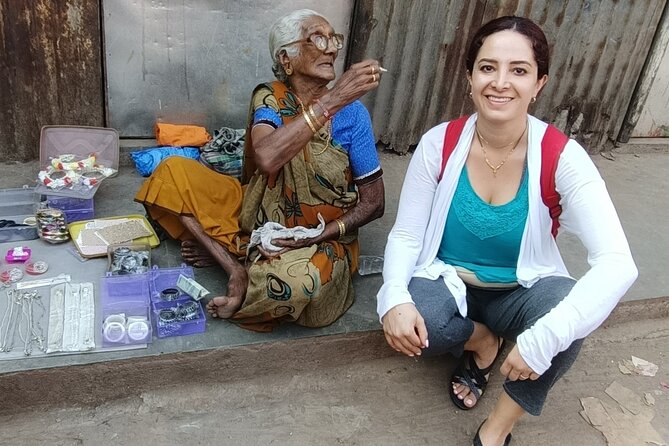
The walk is not limited to workshops. You’ll also pass houses, schools, hospitals, and a local market. These details help show that Dharavi is a lived-in neighborhood, not simply an industrial zone.
A school and hospital may seem less visually dramatic than a pottery workshop, but they matter. They show the services people rely on close to home and help you see the area as a community with ordinary needs. The market adds another layer, bringing shopping and local exchange into the same tight network of streets.
The route also includes a look at Muslim residents making a shrine for Hindus. This is a specific and unusual detail, and it may prompt questions about shared neighborhood life and religious practice. The guide is the right person to explain what you are seeing, so ask respectfully and avoid treating the scene as a spectacle.
The tour’s subject calls for sensitivity. You are walking through people’s homes and workplaces, not a staged attraction. Follow the guide’s advice about photography and keep your attention on the people around you.
Slumdog Millionaire and Dharavi’s Public Image
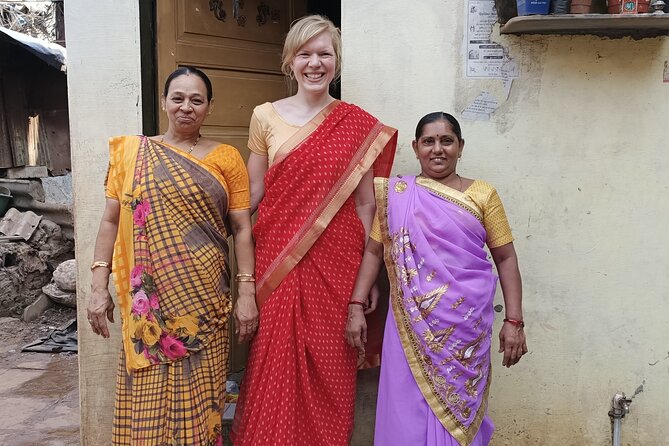
The tour points out a place connected with the filming of Slumdog Millionaire. For many visitors, this is an easy reference point, but it should be a small part of the experience rather than its main reason for booking.
The film connection can help you place Dharavi in popular culture, yet the walk offers more than a movie location. Leather work, homes, schools, recycling, bakeries, and religious activity give you a broader view. The guide’s personal knowledge also helps move the experience away from a film set and toward everyday life.
If you are mainly looking for movie locations, this may feel too focused on community and work. If you want to understand why Dharavi is important to Mumbai and how people live and earn money there, the film reference adds context without taking over.
What Makes the Guides Important
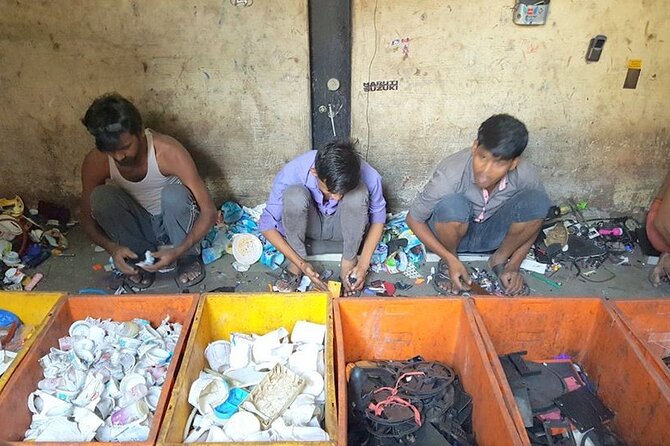
The guide is the heart of this experience. A route through narrow streets can feel confusing or intrusive without someone who knows the area and can explain where you are going. The strongest guide descriptions point to friendliness, professionalism, clear explanations, and a willingness to answer questions.
Abhishek is especially associated with an in-depth explanation of Dharavi and with growing up in the area. Mahesh is described as someone who lives there and can explain both life and work. Bharti is praised for making the walk meaningful and helping connect the visitor with the place.
Guide assignments can vary, so you should not assume that one particular person will lead your departure. Still, the tour’s design gives local guidance a central role. The best way to get more from it is to prepare a few respectful questions about work, housing, education, recycling, and daily routines.
Is Two Hours Enough?
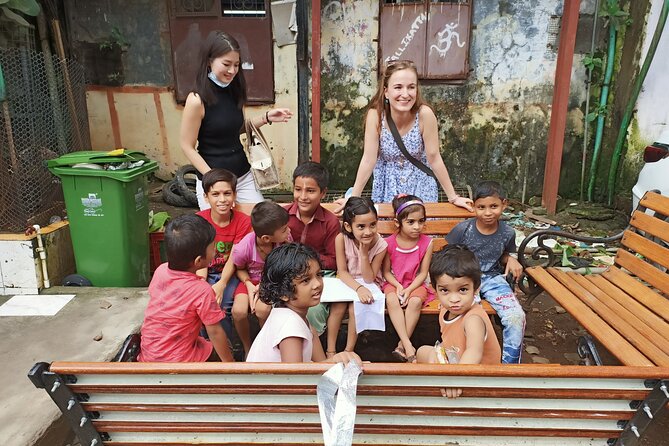
Two hours is enough for a first look, especially if Dharavi is one part of a wider Mumbai schedule. You can see several types of work, pass through residential areas, and learn how the neighborhood functions without spending an entire day on the visit.
The short length also keeps the tour manageable for people who want a focused introduction. At the same time, two hours limits the amount of detail possible. You will not get a full history of every industry or a complete picture of every part of Dharavi.
I see the duration as a strength for first-time visitors. It gives you a serious look without asking you to plan your whole day around it. If you want a slower conversation about one subject, you may find the route broad rather than highly detailed.
Price, Group Size, and What You Receive
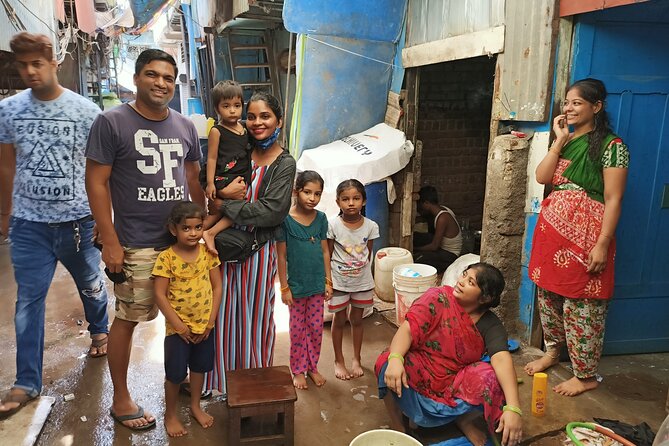
At $12.26 per person, this is a low-cost way to add a guided community walk to a Mumbai itinerary. The price includes bottled water and an English-speaking guide. Food, coffee, tea, and tips are not included, so bring your own plan for refreshments and budget separately for a tip if you choose to give one.
The maximum group size is 15. That is not a private tour, but it is small enough to make questions possible and easier for the guide to keep the group together in narrow lanes. A larger party would likely make the route less comfortable and make it harder to hear explanations.
The mobile ticket is convenient, particularly if you are moving around Mumbai with your phone. Confirmation is provided when you book. Free cancellation is available if you cancel at least 24 hours before the start time. Cancellations or changes made less than 24 hours before the start are not refunded or accepted.
Who Should Book This Dharavi Walk?
I would recommend this experience to you if you want local context, direct conversation, and a close look at how work and home life overlap in Mumbai. It suits curious visitors who are willing to see ordinary conditions without expecting a polished attraction.
It is also a good fit if you value guides with a personal connection to the area. Abhishek, Mahesh, and Bharti are highlighted for making the walk easier to understand, though the guide for your tour may differ.
You should think twice if you dislike narrow walking routes, active work areas, or visits that may challenge your assumptions about poverty and urban life. This is not a scenic city stroll, and it is not a food tour. The experience asks for attention, courtesy, and an open mind.
Should You Book It?
Book this Dharavi walk if you want a short, affordable, guide-led introduction that includes both industry and residential life. The strongest reason to go is the local guide, especially when you have someone like Abhishek or Mahesh explaining a place where he grew up or lives.
The $12.26 price is good value because you see far more than a single point of interest: leather, pottery, soap, baking, dyeing, recycling, markets, homes, schools, hospitals, and religious activity all fit into the route. Just remember that the experience is direct and sometimes uncomfortable by design. If you are prepared to observe respectfully rather than treat Dharavi as a spectacle, this is a worthwhile addition to a Mumbai visit.
FAQ
Where does the tour start?
The tour starts at Third Wave Coffee, Tip Road, Unit 58, Ground, Ram Mahal, Senapati Bapat Marg, Marinagar Colony, near Mahim station in Mumbai.
Where does the tour end?
It ends at Sai Multispeciality Hospital and Research Centre on 90 Feet Road in Dharavi, behind Sion Hospital, in Muslim Nagar, Kumbhar Wada.
How long does the Dharavi walk last?
The tour lasts approximately two hours.
What is included in the price?
The price includes bottled water and an English-speaking guide.
Is food included?
No. Coffee, tea, and all types of food are excluded from the tour price.
Is a tip included?
No. Tips are not included.
How many people can join the tour?
The maximum group size is 15 people.
Can most people participate?
Yes. The tour information states that most people can participate.
Can I cancel for a full refund?
Yes, if you cancel at least 24 hours before the experience start time. Cancellations made less than 24 hours before the start time are not refunded, and changes during that period are not accepted.
Recently added around Mumbai
- Private Walking Tour in Dharavi Slums★ 5.0 · 7 reviews
- Mumbai Sightseeing Tour★ 5.0 · 11 reviews
- Private Mumbai 2-Day Tour Package:City + Slum & Elephanta Island.★ 5.0 · 3 reviews
- Vegetarian Indian Cuisine Virtual Cooking Class Experience from Mumbai★ 5.0 · 4 reviews
- Mumbai by Night Guided Tour★ 5.0 · 6 reviews
- Transfer from Mumbai Airport to Hotel★ 4.0 · 7 reviews
- Full-Day Agra Tour with Taj Mahal From Mumbai By Air★ 5.0 · 8 reviews
- Taj Mahal Day Trip Including Same Day Flights from Mumbai★ 5.0 · 3 reviews
Mumbai Dharavi Slum Tours, compared.
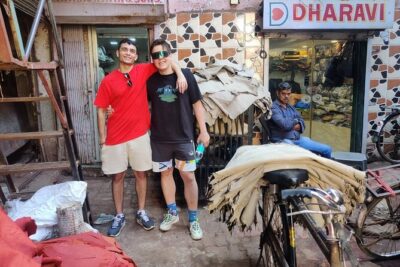
Dharavi slum tour in Mumbai by Female tour guides of the slum
Read our review →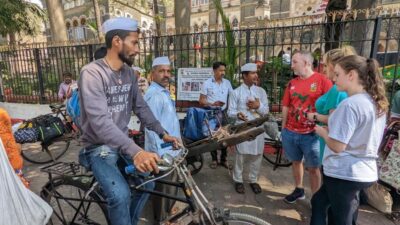
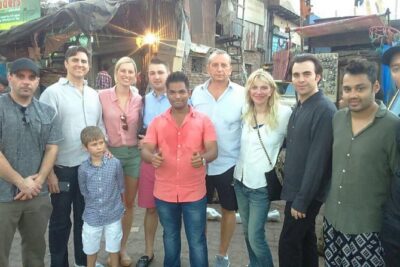
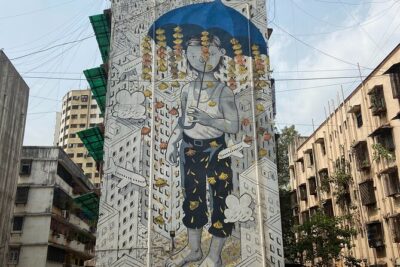
Dharavi Slum Slumdog Millionaire Tour with a Local
Read our review →
Mumbai Slum Tour – Visit Dharavi Slum with Local Guide
Read our review →
Dhobi Ghat Laundry and Dharavi Slum Tour with Local
Read our review →
Browse the lists this tour appears in