
Reviewed · MUMBAI DHARAVI SLUM TOURS
Dharavi Slum & Dhobi Ghat Mumbai: Private Guided Tour
Mumbai’s working heart comes into view on this private tour: first the organized rows of Mahalaxmi Dhobi Ghat, then the narrow lanes and small factories of Dharavi. The focus is not poverty as spectacle. It is enterprise, from leather and pottery to plastic recycling and textiles.
I like the local-led storytelling and the small-group format. You can ask direct questions, and guides such as Priti, Shruti, Max, and Ruba have been praised for being attentive, friendly, and clear. I also like that train tickets and bottled water are included.
The main drawback is simple: this is a walking tour through crowded lanes, and Dhobi Ghat is viewed from outside rather than entered. The route and transport details also deserve a quick check before booking, since the tour describes private air-conditioned transfers as well as included train tickets.
Key Points Before You Book
- See two very different sides of working Mumbai: Dhobi Ghat’s rows of washing pens and Dharavi’s workshops make a strong pairing.
- Follow Dharavi’s working economy: Expect pottery, leatherwork, recycling, textiles, and small-scale production rather than a quick look at housing.
- Travel with your own group: This is a private activity, so only your party participates.
- Ask for a named guide if possible: Priti, Shruti, Max, and Ruba are among the guides connected with especially positive feedback.
- Budget-friendly pricing: At about $17.57 per person, the tour offers a lot of guided time for the money, especially for a private outing.
- Plan for walking: The Dharavi portion lasts about two hours, with narrow lanes and active work areas.
What This Tour Helps You See About Mumbai
Mumbai is easy to read from its grand buildings, waterfront roads, and film industry. This tour takes you to a less polished but more revealing part of the city, where work, housing, family life, and trade sit close together.
That distinction matters. Dharavi is often reduced to a single label, but the experience is designed to show its small-business economy. You may see workshops connected to pottery, leather, plastics, textiles, and recycling. These are not stage sets. They are working places, and the guide’s job is to explain how they fit into the city’s daily life.
I appreciate that the tour aims to replace a one-note poverty story with a fuller picture. You still see tight lanes and modest surroundings, but you also see skill, organization, and commerce. That makes the visit more useful than simply walking through a poor neighborhood and taking photographs.
The private setup helps here. You can pause for an explanation, ask about something you have just seen, or move on when the lane becomes crowded. A large group would make this kind of walk harder for both you and the people who live and work there.
More Dhobi Ghat tours in Mumbai
- Mumbai: Dhobi Ghat Laundry and Dharavi Slum Tour with Local
★ 5.0 · 469 reviews - Mumbai: Dharavi Slum and Dhobi Ghat Laundry Tour
★ 5.0 · 317 reviews - Private Combo Tours Sightseeing + Dharavi Slum + Dhobi Ghat & Dabbawalas
★ 5.0 · 245 reviews
Dhobi Ghat: Fifteen Minutes Above the Laundry
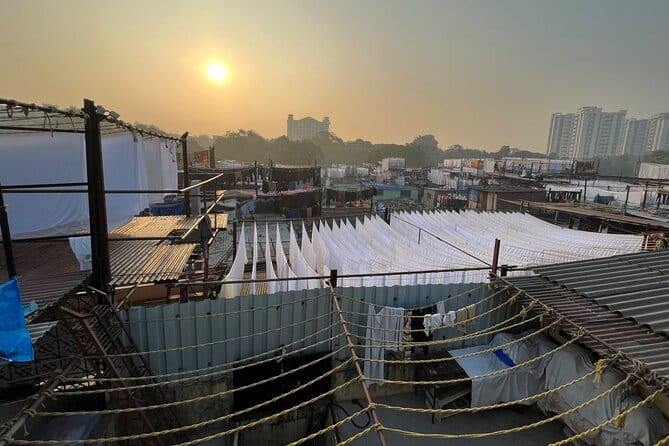
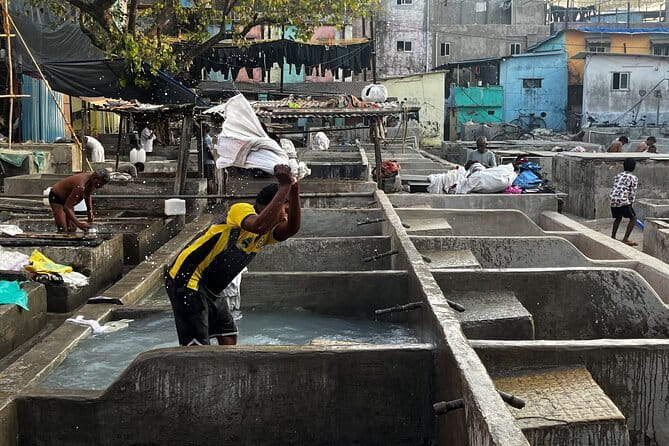
The first stop is Mahalaxmi Dhobi Ghat, often described as the world’s largest open-air laundry. It has served Mumbai for more than a century, with washermen handling clothing and linens for hotels, hospitals, households, and other customers across the city.
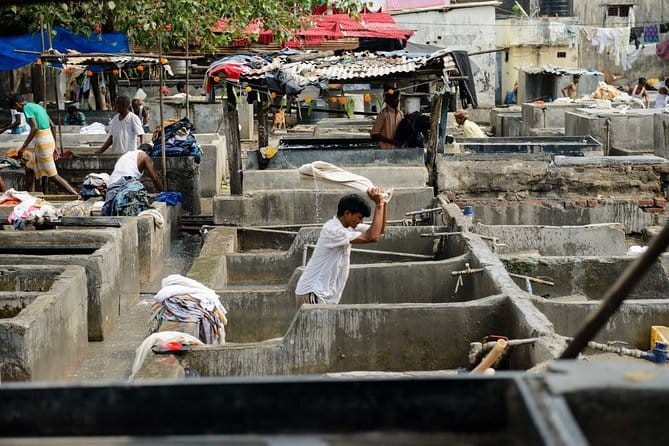
You do not go inside the laundry area. Instead, you view it from a designated vantage point while your guide explains the work below. From there, you can watch clothes being washed, dried, and pressed in a tightly organized operation.
The fifteen-minute stop is brief, but the site is visually strong. Rows of washing pens and hanging laundry give you an immediate sense of scale. Your guide can explain the traditional methods, daily routines, and the role Dhobi Ghat plays in Mumbai’s service economy.
This is also the better stop for photographs, since you can take in the whole operation from above rather than trying to work around narrow lanes. Still, keep your expectations in check. It is an observation stop, not an inside visit, and you will not receive a hands-on look at the washing process.
The guide’s explanation is what turns the view into something more than a quick photo stop. Without context, Dhobi Ghat can look like colorful disorder. With context, you begin to see a system that connects hundreds of workers with businesses and homes throughout the city.
Dharavi’s Pottery, Leather, Plastic, and Textile Work
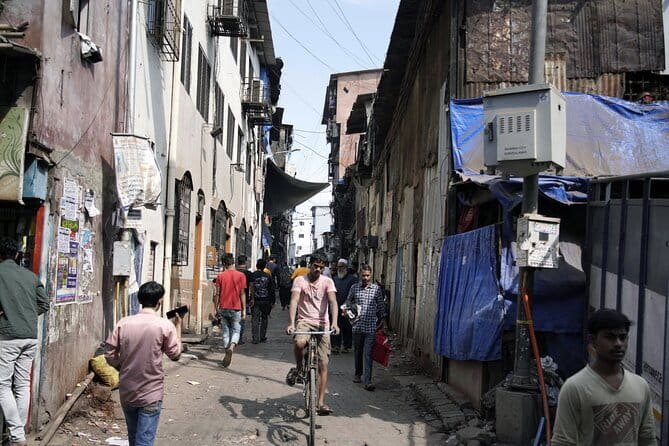
Most of the tour is spent in Dharavi, with about two hours on foot. The route takes you through narrow lanes and active work areas while your local guide explains the neighborhood’s past, economy, and community life.
The most useful idea to carry with you is the tour’s focus on the enterprise of Dharavi. You are not being shown only homes or alleys. You are being shown how several kinds of production operate in a dense urban setting.
The exact sequence can vary, but the planned themes include:
- Leatherwork and related production
- Pottery in Kumbharwada
- Plastic recycling
- Textile work
- Other small-scale businesses operating within the neighborhood
Kumbharwada is especially distinctive. This pottery area gives the walk a clear sense of craft and place. The tour connects the workshops with the wider economy, helping you understand that Dharavi is not isolated from Mumbai. It supplies goods and services used far beyond its own lanes.
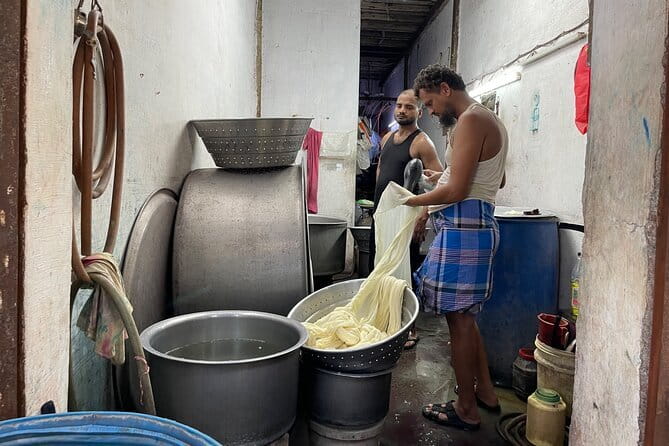
The plastic recycling units offer another useful lesson. Recycling is presented as an organized business, not simply as a problem to be observed. You may see how discarded material is sorted and processed through small workshops, though the precise access and viewing points depend on the day and the route.
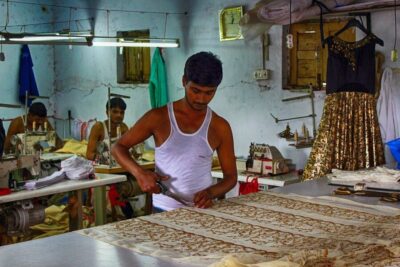
Leather, textiles, and pottery show different kinds of labor. Some work is hands-on and traditional. Some is tied to modern supply chains. Together, they help explain why Dharavi has such economic importance despite its limited space.
The lanes can be crowded, and the walk is not designed for a slow architectural stroll. You may need to keep close to your guide and stay alert around doorways, equipment, and passing people. That is part of the setting, but it can be tiring in Mumbai’s heat.
Why a Local Guide Matters Here
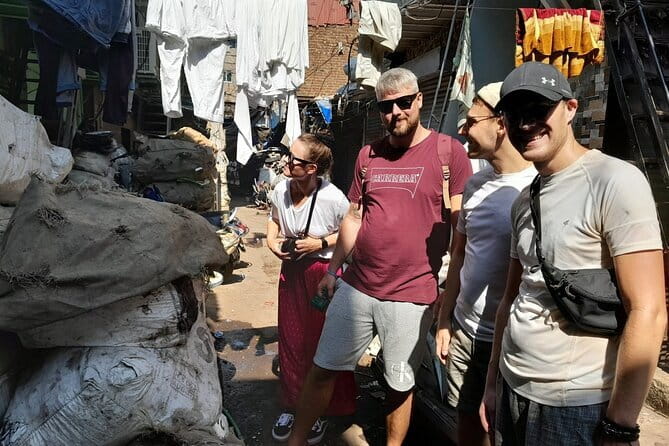
A guide is essential for this experience. Without one, you would see doors, machinery, stacked materials, and people at work, but you would miss the connections among them.
The guide also sets the tone. A respectful explanation can help you understand the difference between visiting a working neighborhood and treating it like a display. You should expect the walk to focus on community, work, and resilience rather than sensational stories.
Several guides are associated with this tour. Priti received especially warm praise for helping a hesitant visitor understand why Dharavi is an integral part of the city. Shruti was described as prompt, friendly, informative, and willing to answer questions. Max was thanked for his attention to specific requests, while Ruba was praised for explaining daily life clearly.
That range of feedback suggests that the guide can make or break the experience. If you are able to request a guide, asking for Priti, Shruti, Max, or Ruba may be worthwhile, though availability is not guaranteed.
I would also ask questions during the walk. What happens to the recycled plastic? How do the pottery workshops connect with buyers? Which industries serve customers outside Dharavi? The private format gives you room to shape the conversation around your interests.
More Dharavi walking tours in Mumbai
- Dharavi slum tour in Mumbai by Female tour guides of the slum
★ 5.0 · 1,976 reviews - Mumbai: Dharavi Slum, DhobiGhat, and Dabbawallas Tour
★ 4.9 · 689 reviews - Dharavi Slum Tour
★ 5.0 · 625 reviews - Dharavi Slum tour in Mumbai by local resident
★ 5.0 · 572 reviews
The Private Format and Transport Details
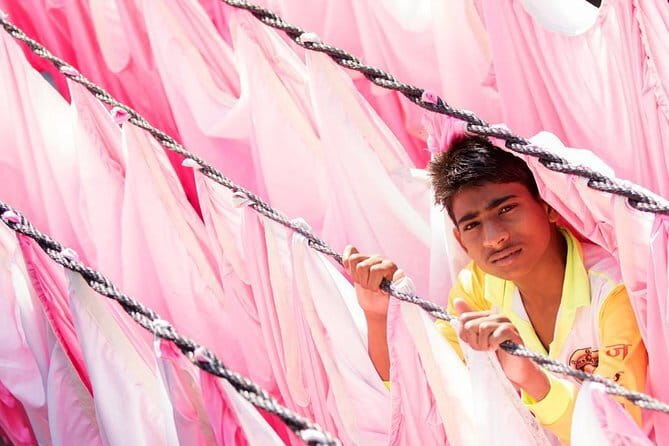
This is a private activity, so only your group takes part. That is a useful advantage in Dharavi, where a large crowd would be awkward in narrow lanes and make conversation with the guide harder.
The stated meeting point is Third Wave CoffeeTip Road, Unit 58, Ground, Ram Mahal, Senapati Bapat Marg, Marinagar Colony, Station, Mahim. The tour ends at Dhobi Ghat in Shanti Nagar, Lower Parel, where you can catch an Uber or take a train back to your hotel.
Train tickets are included, along with bottled water and a professional English-speaking guide. The tour description also refers to private air-conditioned transfers. Since both private transfers and train tickets are mentioned, I would confirm the exact transport plan at booking or before departure. That small check can prevent confusion on the day.
The start and end points are not the same, so plan your hotel return around the Lower Parel finish rather than assuming you will be brought back to Mahim. The end point is near public transportation, which gives you practical options after the guide says goodbye.
The tour lasts about three hours. That is enough time for a meaningful introduction, but not enough for a slow, all-day study of either place. You will spend roughly fifteen minutes at Dhobi Ghat and about two hours walking in Dharavi, with the remaining time used for meeting, transport, and transitions.
Is $17.57 Good Value?
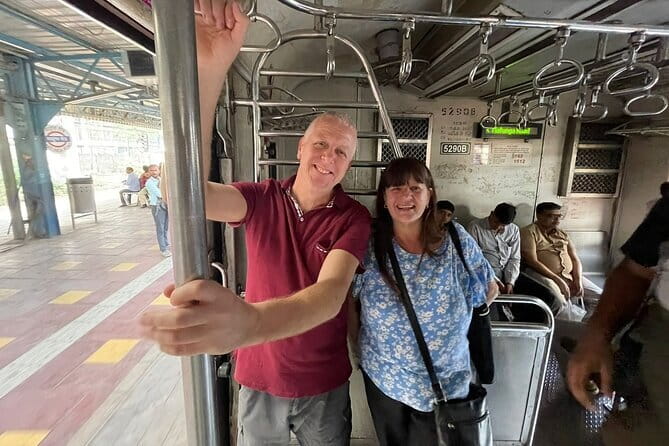
At approximately $17.57 per person, the price is low for a private three-hour tour with an English-speaking guide, bottled water, and train tickets. The value is strongest if you want context and conversation rather than simply a driver taking you between sights.
A private tour normally costs more than a shared group walk, so this price is appealing for couples, families, or friends who want to stay together. Group discounts may make it even better for a larger party, though the exact discount is not provided.
The price does not buy a luxury sightseeing package. Dhobi Ghat is viewed from outside, Dharavi is explored on foot, and the setting is active and basic. You are paying for access to a local explanation of Mumbai’s working life, not for polished attractions or extensive interior visits.
For a first visit to Mumbai, that can be excellent value. The tour covers two places that are difficult to understand from a taxi window. It also gives you a guide who can explain what you are seeing instead of leaving you to guess.
Who Will Like This Experience Most
I would recommend this tour to you if you want to understand how ordinary work supports a huge city. It suits curious first-time visitors, photographers who want a broad view of Dhobi Ghat, and anyone interested in small businesses, craft, recycling, or urban life.
It is also a good fit if you prefer a private guide to a fixed group. You can ask more questions and keep the pace suited to your party.
You may want to choose something else if your main goal is a comfortable sightseeing ride, a long visit inside Dhobi Ghat, or an attraction built around formal exhibits. This tour is active, direct, and grounded in daily work.
You should also think about your comfort with photography. The tour highlights viewpoints and working areas, but Dharavi is a lived-in neighborhood. Follow your guide’s advice about where to take pictures, and keep the focus on understanding the place rather than collecting images of people without permission.
Practical Tips for a Better Walk
Wear comfortable shoes. The Dharavi portion lasts about two hours and takes place on foot through narrow lanes.
Bring questions. The private format is most useful when you use it. Ask how the industries operate, who buys the products, and how different businesses fit into Mumbai’s economy.
Keep the Dhobi Ghat stop in perspective. Fifteen minutes is enough to see the layout and hear the explanation, but it is not an extended visit.
Confirm the meeting and transport plan. The starting point is in Mahim, the tour ends at Dhobi Ghat in Lower Parel, and the description refers to both air-conditioned transfers and train tickets.
Book with timing in mind. Free cancellation is available if you cancel at least 24 hours before the start time. Cancellations within 24 hours are not refundable, and changes during that period are not accepted.
Should You Book This Dharavi and Dhobi Ghat Tour?
Book it if you want a short, affordable, private look at the working side of Mumbai. The combination is well chosen: Dhobi Ghat shows a large, traditional service operation, while Dharavi shows many smaller industries working within a dense neighborhood.
The strongest reason to go is the local guide. Priti, Shruti, Max, and Ruba have each been praised for clear explanations, patience, and attention to questions. Requesting one of them may improve your odds of getting the style of guide you want, but assignments can change.
Skip it if you dislike walking in crowded areas or expect to enter every site. Dhobi Ghat is viewed from a designated point, and Dharavi is a working community rather than a museum.
For most curious visitors, the low price, private format, included train tickets, and focus on real businesses make this a worthwhile three hours. Go with respect, listen closely, and let the guide show you more than the label attached to the neighborhood.
FAQ
How long does the tour last?
The experience lasts approximately three hours. About fifteen minutes is allotted to Dhobi Ghat, and the Dharavi walk lasts about two hours.
Is this a private tour?
Yes. Only your group participates in the activity.
What languages does the guide speak?
A professional English-speaking guide is included.
Do I enter Dhobi Ghat?
No. You view the open-air laundry from a designated vantage point, and the guide explains its work, history, and role in Mumbai.
What is included in the price?
Bottled water, train tickets, and a professional English-speaking guide are included.
Where does the tour start and end?
The meeting point is Third Wave CoffeeTip Road, Unit 58, Ground, Ram Mahal, Senapati Bapat Marg, Marinagar Colony, Station, Mahim, Mumbai. The tour ends at Dhobi Ghat in Shanti Nagar, Lower Parel.
Can I cancel for a refund?
You can receive a full refund if you cancel at least 24 hours before the experience begins. Cancellations or changes made less than 24 hours before the start time are not accepted and are not refundable.
Recently added around Mumbai
- Private Walking Tour in Dharavi Slums★ 5.0 · 7 reviews
- Mumbai Sightseeing Tour★ 5.0 · 11 reviews
- Private Mumbai 2-Day Tour Package:City + Slum & Elephanta Island.★ 5.0 · 3 reviews
- Vegetarian Indian Cuisine Virtual Cooking Class Experience from Mumbai★ 5.0 · 4 reviews
- Mumbai by Night Guided Tour★ 5.0 · 6 reviews
- Transfer from Mumbai Airport to Hotel★ 4.0 · 7 reviews
- Full-Day Agra Tour with Taj Mahal From Mumbai By Air★ 5.0 · 8 reviews
- Taj Mahal Day Trip Including Same Day Flights from Mumbai★ 5.0 · 3 reviews
Mumbai Dharavi Slum Tours, compared.

Dharavi slum tour in Mumbai by Female tour guides of the slum
Read our review →

Dharavi Slum Slumdog Millionaire Tour with a Local
Read our review →
Mumbai Slum Tour – Visit Dharavi Slum with Local Guide
Read our review →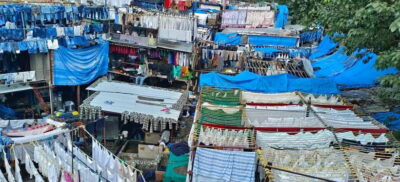
Dhobi Ghat Laundry and Dharavi Slum Tour with Local
Read our review →
Browse the lists this tour appears in