
Reviewed · GUIDED
Mumbai By Shantaram With Private Tour Guide
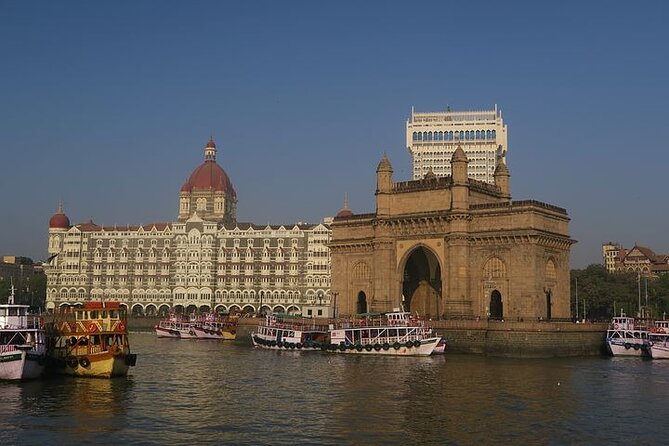
Mumbai makes the most sense when you see its grand colonial buildings and working neighborhoods in the same day. This private tour connects Dharavi and Dhobi Ghat with CST, Colaba, the Gateway of India, and the Taj Mahal Palace, giving you a close look at both the city’s famous face and its everyday life.
I like the private car and hotel pickup, since Mumbai’s traffic can make independent sightseeing slow and tiring. I also like the flexible human side of the tour: guides named Sanjay, Anisa, and Ali have led guests through the city, with Anisa noted for her stories about Mumbai’s people and Ali praised for arranging a comfortable new vehicle.
The main consideration is the tour’s subject matter. Dharavi and Dhobi Ghat are working communities, not staged attractions, so you need to approach them with respect. The day is also long, and the $87 price does not include food, drinks, or airport transfers.
Key points at a glance

- Dharavi for two hours: See one of Mumbai’s most densely populated areas and learn about the people who live and work there.
- Dhobi Ghat’s open-air laundry: Watch a traditional washing system carried out across an entire city block.
- Private transport all day: Hotel pickup, an air-conditioned car, bottled water, fuel, parking, taxes, and the guide are included.
- Mumbai’s grand landmarks: Visit CST, the Bombay High Court, Colaba, the Gateway of India, and the Taj Mahal Palace.
- Guides with different strengths: Sanjay, Anisa, and Ali are among the named guides associated with the experience.
- Good cancellation terms: Cancel at least 24 hours before the start for a full refund.
Mumbai through the world of Shantaram

This tour uses the book Shantaram as a way into Mumbai, but it is not simply a literary sightseeing walk. You spend the day moving between the city imagined in the novel and the Mumbai you can see in front of you.
The appeal is the range. One moment you are looking at a grand station built during the colonial era. Later, you are near a large working laundry or hearing about life in Dharavi. The day does not pretend Mumbai is only palaces, movie studios, and seaside monuments.
That balance matters. Mumbai is often sold through its film industry and famous buildings, yet much of its character comes from ordinary work: washing clothes, commuting by train, running small businesses, and living in tightly packed neighborhoods. A private guide can explain those connections in a way a taxi ride cannot.
The tour lasts about seven to eight hours. That is enough time to cover a lot of ground, but it also means you should expect a full day rather than a relaxed half-day outing. Mumbai’s roads can be slow, so the car is useful not only for comfort but also for keeping the day organized.
A few more Mumbai tours and experiences worth comparing
- Group Guided Walking Tour in Fort and Colaba
★ 5.0 · 1,073 reviews - Mumbai: Elephanta Caves Half-Day Guided Tour with Expert
★ 4.8 · 1,032 reviews - Private Guided Walking Tour in Fort & Colaba
★ 5.0 · 895 reviews
Starting with hotel pickup and a private car
The day begins with pickup at your Mumbai hotel. You then travel in a private, air-conditioned car with your own guide rather than joining a large shared group.
That setup gives you two practical advantages. First, you avoid arranging several taxis across a city that can be difficult to navigate. Second, you can ask questions as the day unfolds and focus more time on the places that interest you.
The package includes bottled water, fuel charges, parking fees, taxes, and the private guide fee. Those inclusions make the $87 per-person price easier to judge, especially if you are traveling with several people and can benefit from the private format.
Airport pickup and drop-off are not included. They cost $40 per booking, so you should add that charge if you want the tour to handle your airport transfer. Food and drinks are also separate, listed at $20 per person.
The named guides give you some sense of the service style. Sanjay has been associated with an engaging day around Mumbai. Anisa is noted for explaining the city and its residents, while Ali has arranged sightseeing days for people with limited time. Guide assignments can vary, so you should not assume you will receive a particular person unless the operator confirms it.
Dhobi Ghat, Mumbai’s working laundry
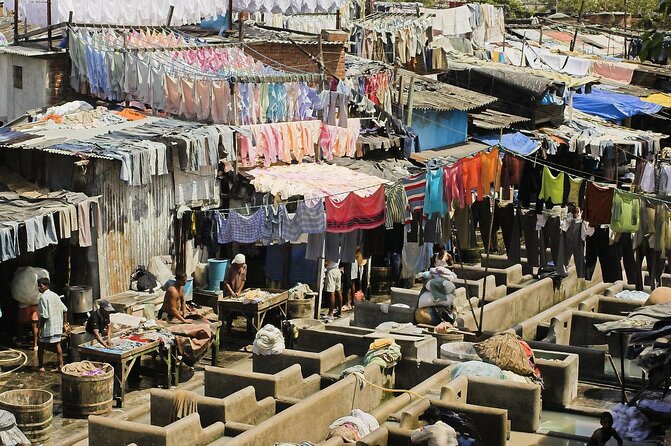
The first major stop is Mahalaxmi Dhobi Ghat, an open-air laundry occupying an entire city block. It is described as the largest of its kind in the world.
This is not a museum display. Clothes are brought here for washing, and hereditary laundresses carry out work that has been passed through families. From a viewing point, you can see the scale of the operation and understand how a traditional service still functions in a modern city.
The scheduled visit lasts about 30 minutes. That is enough for an introduction and some photographs, but not enough for a long, slow study of every part of the laundry. Your guide’s explanation will be important because the visual scene alone cannot tell you how the work is organized or who depends on it.
Be thoughtful with your camera. Dhobi Ghat is a place of work and residence, not a performance arranged for tourists. Ask your guide about appropriate photography and follow local directions.
Admission is not included as a separate ticket, although the tour does not list an entrance charge in the included costs. If you are drawn to working traditions and the daily systems that keep a major city running, this is one of the more distinctive stops.
Dharavi and the ethics of seeing a neighborhood
The tour allows about two hours in Dharavi, making it one of the central parts of the day. The area covers about 215 hectares and is home to roughly one million people, according to the tour information.
Dharavi is often reduced to the word slum, but that label leaves out the complexity of the place. It is a residential area, a workplace, and a community. The tour presents it as the side of Mumbai described through Shantaram, while also drawing attention to the people who continue to live and work there.
This part of the day requires the most care from you. Do not treat poverty as scenery. Listen to the guide, avoid intrusive photographs, and remember that the people you see are not actors in a story about Mumbai. A good private guide should help you understand the area without turning residents into objects of curiosity.
The two-hour allocation is useful because the stop is not rushed. You have time to absorb the difference between the neighborhood’s public image and its daily reality. You can also ask direct questions about housing, work, and the way the area fits into the wider city, though the exact discussion depends on your guide.
Some people will find Dharavi the most meaningful stop of the day. Others may find it uncomfortable. That discomfort is not a reason to dismiss the visit, but you should choose this tour only if you are prepared to see Mumbai honestly and respectfully.
A completely different side of the city:
- Dharavi slum tour in Mumbai by Female tour guides of the slum
★ 5.0 · 1,976 reviews - Mumbai: Full-Day Sightseeing Tour of Mumbai
★ 4.9 · 1,822 reviews - Private Mumbai Sightseeing Tour (Traveller’s Choice Award Winner)
★ 5.0 · 1,565 reviews - Highlights of Mumbai Sightseeing Tour: TRAVELLERS CHOICE AWARDED
★ 5.0 · 915 reviews
CST and Mumbai’s grand railway architecture
After Dharavi, the tour turns toward the city’s historic center and Chhatrapati Shivaji station, often called CST. The building took ten years to complete and is now a UNESCO World Heritage Site.
The station is one of Mumbai’s most impressive architectural sights. Its scale, stonework, towers, and decorative details make it much more than a place to catch a train. It also reflects how transport shaped the city’s growth and connected Mumbai with the wider region.
The visit is scheduled for about 30 minutes. That short stop works well for an exterior look and an explanation of the building’s importance. You should not expect a long museum visit or an extended architectural tour.
CST is especially useful as a counterpoint to Dharavi. The two places represent different kinds of city life, yet both are tied to work and movement. One is a major rail hub built with imperial ambition; the other is a dense community shaped by the need for housing and livelihoods.
The Bombay High Court and colonial-era details
The Bombay High Court follows, with roughly 30 minutes set aside for the stop. The building has a palace-like colonial design, with towers, spires, and stone carving.
One unusual detail is a bas-relief showing a one-eyed monkey holding the scales of justice. Small features like this are easy to miss when you pass by in a car, so having a guide point them out adds real value.
You should think of this stop as an exterior sightseeing visit. The tour information does not promise entry into the court, and the stop is brief. Still, the building helps explain the visual character of South Mumbai, where formal civic structures sit close to commercial streets, hotels, and historic waterfront sites.
Colaba, the setting of the book
The tour spends about an hour in Colaba, the neighborhood most closely tied to the action of Shantaram. It sits beside the Arabian Sea and has long been associated with visiting Europeans, hotels, restaurants, and shops.
This is where the literary theme feels most direct. You can connect the places described in the book with the real streets and waterfront setting, while your guide fills in the city’s older layers.
Colaba is also a practical place to pause and get your bearings. After the more confronting visits to Dhobi Ghat and Dharavi, its public buildings, hotels, and seaside setting offer a change of pace. At the same time, the area should not be mistaken for the whole of Mumbai. It is one polished section of a much larger city.
The one-hour allocation gives you more time here than at the individual monuments. Use it to ask questions about the book, Mumbai’s colonial past, and the way the neighborhood has changed. The tour does not list shopping or a meal as a formal activity, so any food stop should be confirmed with the operator.
Gateway of India and the Taj Mahal Palace
The Gateway of India is Mumbai’s best-known monument and receives about 30 minutes. The triumphal arch faces the waterfront and is closely tied to the end of British rule. The tour description notes that British forces left through the gateway after Indian independence, giving the monument a clear political meaning as well as its postcard appeal.
The waterfront setting makes this a natural photo stop, but it can also be busy. Your guide can help you understand the monument beyond its appearance and place it within Mumbai’s colonial and post-independence story.
Next door is the Taj Mahal Palace, one of the city’s most famous and expensive hotels. You see it from the outside as part of the sightseeing route. It is located very close to the Gateway, so the two stops fit together without much extra travel.
The pairing is effective. The gateway represents public history and national change, while the hotel represents luxury, status, and Mumbai’s international image. Together they show why this part of the city attracts so much attention.
How much value does $87 offer?
At $87 per person, this is not the cheapest way to see Mumbai. The price makes more sense if you value private transport, hotel pickup and return, a full-day schedule, and a guide who can explain the social contrasts behind the sights.
You are paying for more than entrance tickets. Most of the stops are viewed without a listed admission charge, so the value lies in transport, planning, local explanation, and the ability to cover distant parts of Mumbai in one day.
The private format becomes better value for a small group because the car and guide serve only your party. It is also useful if you have limited time and want to combine Dharavi, central Mumbai, Colaba, and the Gateway area without working out several separate journeys.
The price is less attractive if you prefer slow independent sightseeing or want to spend a full day at only one neighborhood. Food and drinks cost extra, and airport transfers add $40 per booking. Factor those charges in before you compare this tour with other options.
Who should book this Mumbai tour?
I would consider this tour for a first visit when you want a broad introduction to Mumbai and have one day to spare. It suits you especially well if you want to see both major landmarks and working communities rather than only the city’s most polished sights.
The private car is helpful for families, couples, and small groups who want a simpler day. It also suits readers of Shantaram who want to place the book’s settings within the real city.
You may want another style of outing if you dislike long drives, feel uneasy about visiting impoverished areas, or prefer a tour built around museums and indoor attractions. Dharavi is a serious part of the day, not a light sightseeing add-on.
The tour offers free cancellation if you cancel at least 24 hours before the local start time. Cancellations within 24 hours are not refunded, and changes during that period are not accepted. A minimum number of participants is required, though the activity is private once confirmed for your group.
FAQ
How long does the Mumbai Shantaram tour last?
The experience lasts approximately seven to eight hours, including pickup, sightseeing, and return to your hotel.
Is hotel pickup and drop-off included?
Yes. Pickup and return to your hotel in Mumbai are included. Airport pickup and drop-off are separate and cost $40 per booking.
Is this a private tour?
Yes. Only your group participates, and transportation is provided in a private, air-conditioned car.
What is included in the price?
The price includes hotel pickup and drop-off, the private air-conditioned car, bottled water, the guide fee, taxes, parking fees, and fuel charges.
Are food and drinks included?
No. Food and drinks are not included. The listed cost is $20 per person.
How much time is spent in Dharavi?
The tour allows approximately two hours in Dharavi.
Can I cancel for a full refund?
Yes, if you cancel at least 24 hours before the experience starts. Cancellations made less than 24 hours before the start time are not refunded.
Recently added around Mumbai
- Private Walking Tour in Dharavi Slums★ 5.0 · 7 reviews
- Mumbai Sightseeing Tour★ 5.0 · 11 reviews
- Private Mumbai 2-Day Tour Package:City + Slum & Elephanta Island.★ 5.0 · 3 reviews
- Vegetarian Indian Cuisine Virtual Cooking Class Experience from Mumbai★ 5.0 · 4 reviews
- Mumbai by Night Guided Tour★ 5.0 · 6 reviews
- Transfer from Mumbai Airport to Hotel★ 4.0 · 7 reviews
- Full-Day Agra Tour with Taj Mahal From Mumbai By Air★ 5.0 · 8 reviews
- Taj Mahal Day Trip Including Same Day Flights from Mumbai★ 5.0 · 3 reviews
Guided, compared.
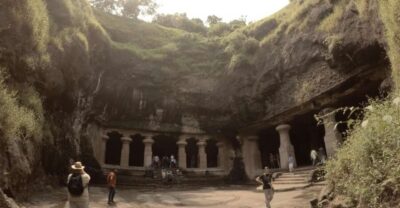
Elephanta Caves Half-Day Guided Tour with Expert
Read our review →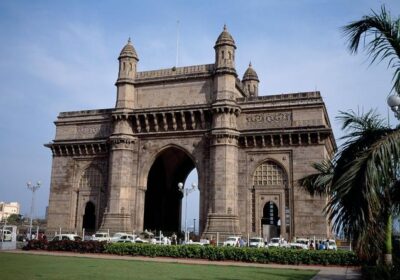
Highlights of South Mumbai Guided Private Tour in AC Vehicle
Read our review →
Mumbai Slum Tour – Visit Dharavi Slum with Local Guide
Read our review →
Private Guided Walking Tour in Bandra Queen of Suburbs
Read our review →