
Reviewed · MUMBAI DHARAVI SLUM TOURS
Mumbai: Dharavi Slum 2-Hour Walking Tour
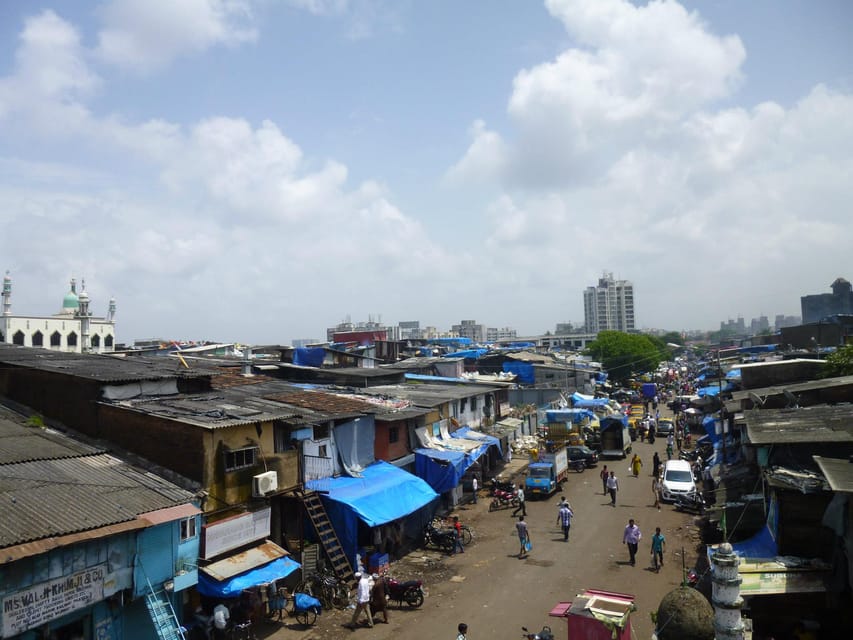
Dharavi is far more than the movie image many people carry in their heads. In two hours, you walk through a working neighborhood of narrow lanes, homes, workshops, schools, churches, and small factories, with a guide explaining how the community functions. The tour also visits places linked to Slumdog Millionaire, though the real interest is daily life rather than movie trivia.
I like the small group of no more than 10, which gives you room to ask questions without turning the walk into a parade. I also like the focus on local work, from plastic recycling and leather production to pottery, soap making, vegetable-oil-can recycling, and papadum baking.
The main drawback is the strict no-camera rule. You also need to dress modestly, wear comfortable shoes, and be ready for narrow paths and a wheelchair-inaccessible route. This is a close-up city walk, not a polished sightseeing circuit.
Key points to know before you book
- Local perspective: Guides connected with Mystical Mumbai grew up in Dharavi, including Dinesh, who led one particularly detailed tour.
- Working neighborhood: You see recycling, leather, pottery, soap, food production, markets, schools, and religious buildings.
- Small group format: The maximum group size is 10 people, making conversation and questions easier.
- No photography: Cameras are strictly prohibited, so come prepared to observe rather than document.
- Convenient route: Meet opposite Mahim Railway Station and finish at Mahim Junction after two hours.
- Flexible booking: You can cancel up to 24 hours before the start for a full refund and reserve without paying immediately.
Why Dharavi rewards a closer look

Dharavi is often presented through a narrow story of poverty. This walk gives you a more useful picture: a dense neighborhood where people live, work, run businesses, attend school, worship, and rely on systems built for a huge population.
The area is said to house between 700,000 and one million people. That figure alone helps explain the tight lanes and intense activity. Yet the tour is not simply a walk through crowded streets. It is designed to show how residents use limited space for homes, workshops, storage, markets, and small-scale manufacturing.
That change in viewpoint is the tour’s strongest feature. You are not asked to stare at hardship from a distance. Instead, you see people making a living and organizing community life in a place that outsiders often misunderstand.
The guide matters a great deal here. A local guide can explain what a workshop does, how different parts of the neighborhood are arranged, and why a particular lane looks the way it does. Dinesh, named in one detailed account of the tour, grew up in Dharavi and was able to connect the industrial, residential, Muslim, and market areas in a way that gave the walk a clear sense of place.
More Dharavi walking tours in Mumbai
- Dharavi slum tour in Mumbai by Female tour guides of the slum
★ 5.0 · 1,976 reviews - Mumbai: Dharavi Slum, DhobiGhat, and Dabbawallas Tour
★ 4.9 · 689 reviews - Dharavi Slum Tour
★ 5.0 · 625 reviews
Starting at Café Coffee Day opposite Mahim Station
The meeting point is Café Coffee Day opposite Mahim Railway Station on Tulsi Pipe Road. This is a useful location because Mahim Station gives you a recognizable transport landmark, but you still need to allow enough time to find the café and meet the guide.
Look for a guide wearing a purple shirt with a footprint logo. That detail is practical, especially if you are arriving during a busy part of the day. The tour ends at Mahim Junction, so the route is not a loop back to the café.
Transportation is available on request, but it is not part of the standard included experience. Ask about it before booking if you need help getting to the meeting point or onward to your hotel. One account of the tour also describes the staff helping arrange an Uber after the walk, but you should treat that as helpful assistance rather than a guaranteed transfer service.
The first lanes: learning how Dharavi works
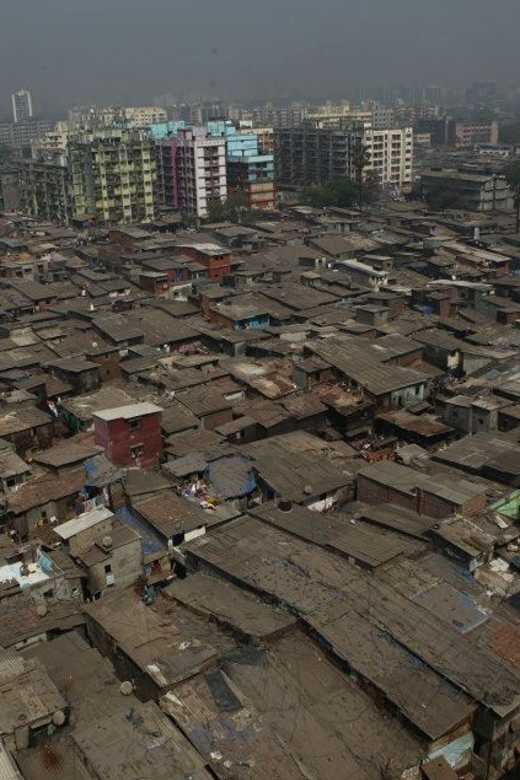
Once the walk begins, you enter the narrow alleyways that give Dharavi its distinctive character. These passages are part of a functioning neighborhood, not a staged attraction. You may need to step aside for people, goods, or daily business, so keep your pace flexible and follow the guide’s instructions.
The guide introduces the community’s different sections and explains how residential and working areas fit together. The walk may include industrial zones, residential lanes, a Muslim area, and a market street. This variety is important because Dharavi is not one uniform place.
The narrow corridors can feel intense, particularly if you are used to wide streets and open museum spaces. That is also what makes the route valuable. You see how homes and businesses exist close together, and how ordinary services operate within a compact urban setting.
A good guide can help you notice details that would otherwise pass too quickly. That might include where work happens, how materials move through the neighborhood, and how residents use shared streets and small rooms. The tour’s educational value comes from these explanations, not from simply walking through the lanes.
Recycling, leather, pottery, and small-scale production
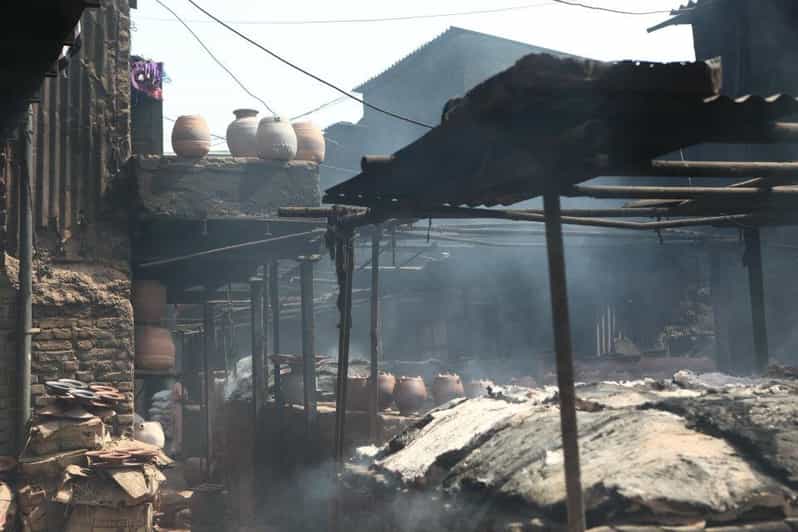
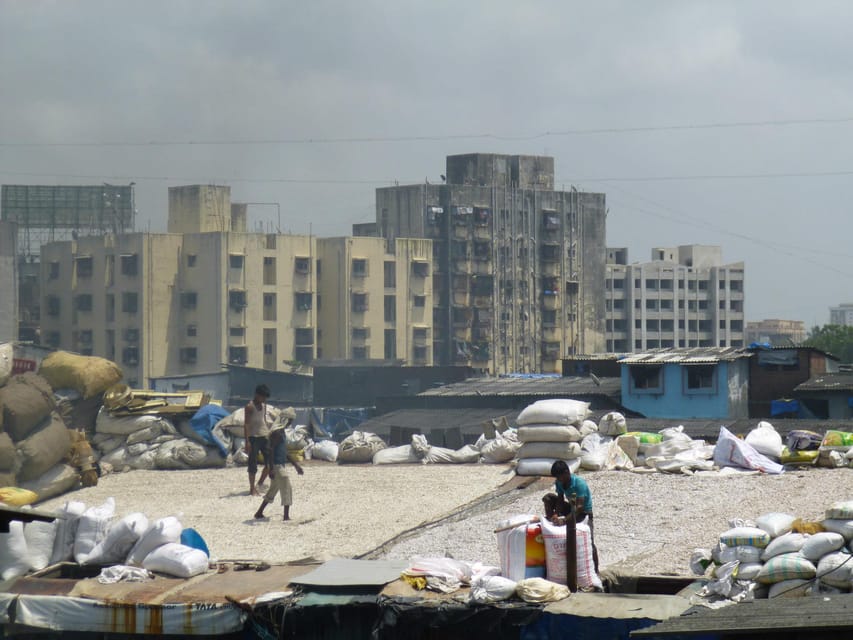
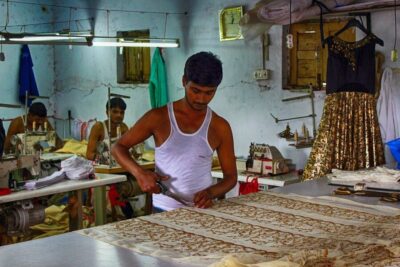
The industrial side of Dharavi is a major reason to choose this walk. You may see a plastic recycling center, leather workshops, pottery operations, soap production, and the recycling of vegetable oil cans. The tour also includes places where papadums are baked.
These trades show a side of Mumbai that does not appear on a standard city sightseeing route. Materials are collected, sorted, processed, and turned into useful products in a tightly organized setting. You get a clearer idea of how work can operate with limited space and simple equipment.
The mention of vegetable oil cans is especially revealing. A discarded container can become part of a local business system rather than simply becoming rubbish. The same applies to plastic recycling, where the tour helps you see waste as a source of work and income.
Leather and pottery offer a different view. These activities connect hand skills with local commerce, while papadum baking shows how food production can fit into a small urban workshop. You should not expect long demonstrations or a shopping stop at every trade. The point is to understand the range of work taking place around you.
More walking tours in Mumbai
- Group Guided Walking Tour in Fort and Colaba
★ 5.0 · 1,073 reviews - Private Guided Walking Tour in Fort & Colaba
★ 5.0 · 895 reviews - Private Guided Walking Tour in Bandra Queen of Suburbs
★ 5.0 · 383 reviews - Private Guided Spiritual Walk in Banganga Hindu Temples
★ 5.0 · 271 reviews
Homes, schools, churches, and community life
Dharavi is also a residential neighborhood, and the walk includes schools and churches used by residents. These stops keep the experience from becoming an industrial tour only.
Seeing community buildings alongside workshops helps you understand the area as a complete place to live. People do not simply come here to work. They study, worship, raise families, shop, and build social connections here.
One account of the route describes a visit to the guide’s home. That is not something you should assume will happen on every departure, but it shows the personal nature this tour can sometimes have. If your guide has a direct connection to the area, you may hear explanations that go beyond a standard script.
The strong sense of community is a central theme. The tour asks you to look past the stereotype of a slum as a place defined only by deprivation. It shows ingenuity and hard work, while still allowing you to notice the physical pressures of density and limited space.
The Slumdog Millionaire connection
Dharavi became known around the world through the 2008 film Slumdog Millionaire. This tour visits the area where the movie was made and may include a location connected with one of its scenes.
That connection can be fun if you have seen the film, but it should not be the main reason you book. Dharavi is not a film set preserved for tourists. It is a living neighborhood, and the movie reference is one small part of a broader walk.
The tour’s value comes from comparing the familiar screen image with the place itself. The real Dharavi includes work, family life, religious buildings, markets, and community networks. The movie may have shaped outside perceptions, but the walk gives you a chance to replace a simple story with a more grounded one.
If you have not seen the film, you will still have plenty to see. The industrial areas, narrow corridors, and local businesses provide the substance of the experience.
What the two-hour itinerary feels like
Two hours is a useful length for this kind of walk. You have enough time to cover several parts of the neighborhood without committing half a day to a physically demanding route.
The usual flow begins with an introduction to Dharavi, followed by a walk through industrial and residential sections. You then see selected trades and community buildings, with time for questions along the way. The route finishes at Mahim Junction.
The tour can feel full because Dharavi offers many subjects in a small area. You move from recycling to leather, from market lanes to residential corridors, and from workshops to schools or churches. The guide’s explanations help tie these pieces together.
You should not expect a quiet or leisurely stroll. The paths are narrow, and the neighborhood remains active around you. Wear shoes that can handle two hours of walking and bring water. A hat or cap is also recommended, especially in warm weather.
The no-camera rule and respectful conduct
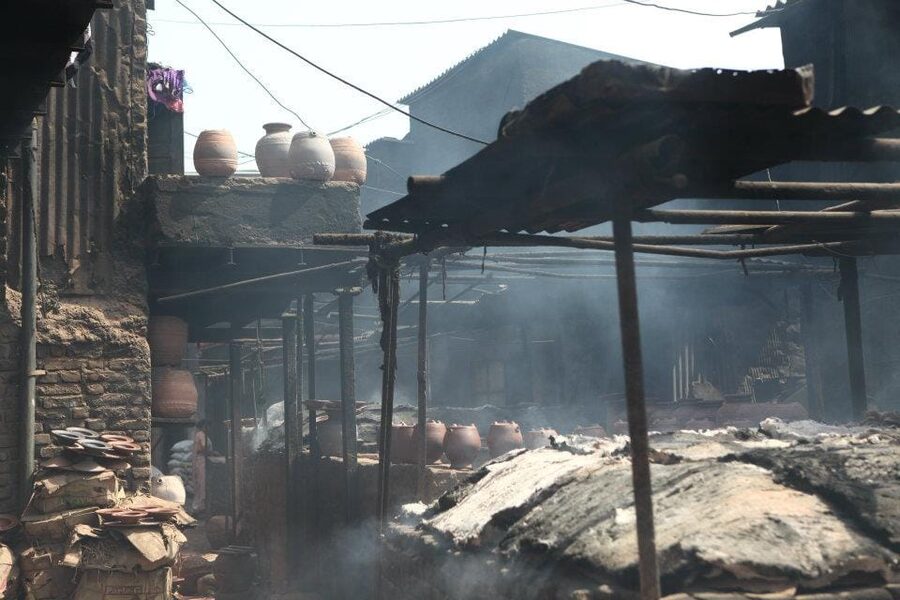
The strict photography ban deserves special attention. Cameras are not allowed, and the instructions say that taking photos is prohibited. This includes the tempting movie-related spots and colorful workshop scenes.
At first, this may feel restrictive. In practice, it changes your role. You are less likely to treat the neighborhood as a backdrop and more likely to listen, watch, and follow the guide’s lead. It also helps protect residents’ privacy in a place where people live and work.
Dress modestly, and do not wear short skirts. Comfortable, respectful clothing is the sensible choice. Bring a water bottle, wear a hat or cap, and avoid carrying anything you do not need.
The tour is not suitable for wheelchair users. The narrow alleys and uneven urban route make that limitation important to consider before booking. If you have mobility concerns, ask the operator for a clear description of the route before making plans.
Is $65 a fair price?
At $65 per person, this is not Mumbai’s cheapest two-hour activity. The price makes more sense if you value a small group, a local English-speaking guide, and access to a part of the city that is difficult to understand independently.
You are paying for interpretation and organization rather than for admission to a monument. The guide helps you move through a dense neighborhood respectfully, explains unfamiliar trades, and gives context to what you see. That service is especially important in Dharavi, where wandering alone could leave you with a shallow or misleading impression.
The group limit of 10 improves the value. You have a better chance to hear the guide and ask questions than you would in a large coach group. An especially strong guide, such as Dinesh, can make the difference between simply seeing narrow lanes and understanding how the area functions.
The price may feel high if you want a broad introduction to Mumbai or a conventional sightseeing tour. It may also feel high if you expect extensive hands-on activities or a long list of formal attractions. For a focused, locally guided look at Dharavi’s community and trades, the cost is easier to justify.
Who should book this Dharavi walk?
This tour suits you if you want to understand Mumbai beyond its famous monuments. It is a good choice for visitors interested in urban life, local business, community organization, recycling, food production, and the gap between media images and daily reality.
It also suits you if you prefer a small group and direct conversation with a guide. The English-language format keeps the explanations accessible, and the two-hour length fits neatly into a busy Mumbai schedule.
You may want to skip it if photography is central to your trip. You should also think twice if you dislike tight spaces, prefer polished attractions, or need wheelchair access.
Book it with the right attitude. You are entering someone’s neighborhood, not visiting a theme park. Listen to the guide, follow instructions about photography, dress respectfully, and give residents room to go about their day.
Should you book the Dharavi Slum 2-Hour Walking Tour?
I would book this tour if you want a thoughtful look at how one of Mumbai’s most misunderstood neighborhoods works. The combination of local guiding, small-group size, working industries, community buildings, and the Slumdog Millionaire connection gives the walk a clear purpose.
I would not book it for photos, luxury comfort, or a relaxed open-air stroll. The route is narrow, cameras are banned, and the subject requires sensitivity. But if you want to replace a stereotype with a fuller picture of Dharavi, the two hours and $65 price can be well spent.
Free cancellation is available up to 24 hours before the start, and you can reserve now while paying later. Check the available start times, meet at Café Coffee Day opposite Mahim Railway Station, and look for the purple shirt with the footprint logo.
FAQ
How long is the Dharavi walking tour?
The tour lasts two hours.
Where does the tour start?
It starts at Café Coffee Day opposite Mahim Railway Station on Tulsi Pipe Road in Mumbai.
Where does the tour finish?
The walk finishes at Mahim Junction.
What language is the tour conducted in?
The live tour guide speaks English.
How large is the group?
The group is limited to 10 participants.
Are cameras allowed?
No. Taking photos is strictly prohibited during the tour.
What should I wear and bring?
Wear comfortable shoes and modest clothing. Short skirts are not allowed. Bring a water bottle and a hat or cap.
Is the tour suitable for wheelchair users?
No. The tour is not suitable for wheelchair users.
More 2-Hour Experiences in Mumbai
- 2-Hour Guided Tour of Dharavi
★ 5.0 · 359 reviews - Vibrant Markets of Mumbai (2 Hours Guided Walking Tour)
★ 4.4 · 44 reviews - Mumbai: 2-Hour Guided Bandra Walking Tour
★ 4.8 · 34 reviews - Mumbai Street Food Crawl (2 Hours Guided Food Tasting Tour)
★ 3.5 · 6 reviews
Recently added around Mumbai
- Private Walking Tour in Dharavi Slums★ 5.0 · 7 reviews
- Mumbai Sightseeing Tour★ 5.0 · 11 reviews
- Private Mumbai 2-Day Tour Package:City + Slum & Elephanta Island.★ 5.0 · 3 reviews
- Vegetarian Indian Cuisine Virtual Cooking Class Experience from Mumbai★ 5.0 · 4 reviews
- Mumbai by Night Guided Tour★ 5.0 · 6 reviews
- Transfer from Mumbai Airport to Hotel★ 4.0 · 7 reviews
- Full-Day Agra Tour with Taj Mahal From Mumbai By Air★ 5.0 · 8 reviews
- Taj Mahal Day Trip Including Same Day Flights from Mumbai★ 5.0 · 3 reviews
Mumbai Dharavi Slum Tours, compared.
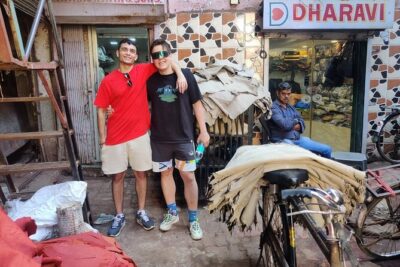
Dharavi slum tour in Mumbai by Female tour guides of the slum
Read our review →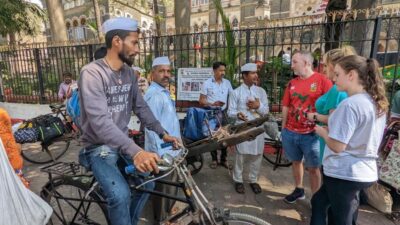
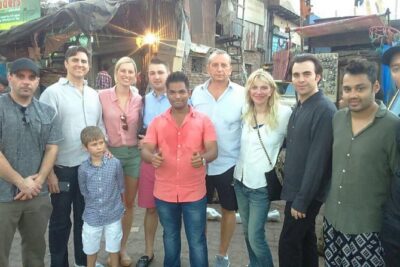
Dharavi Slum Slumdog Millionaire Tour with a Local
Read our review →
Mumbai Slum Tour – Visit Dharavi Slum with Local Guide
Read our review →
Dhobi Ghat Laundry and Dharavi Slum Tour with Local
Read our review →
Browse the lists this tour appears in