
Reviewed · MUMBAI DHARAVI SLUM TOURS
Dharavi Slum Tour
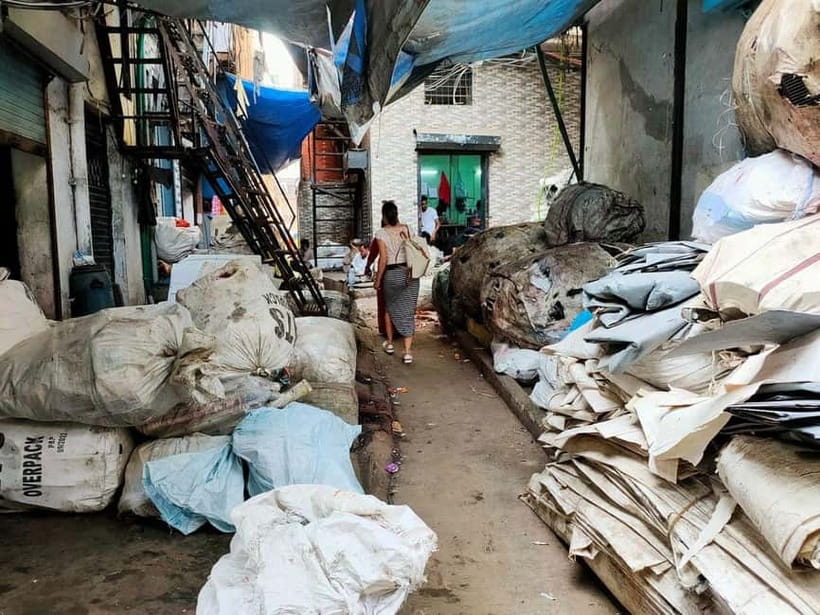
Dharavi is not a theme park of hardship. It is a working community, and this two-hour walking tour focuses on its recycling yards, workshops, and daily routines rather than poverty photography. You may see plastic melted into new goods, buttons made for major brands, leather work, ceramics, and embroidered clothing.
I like the tour’s practical focus and its local guides, especially Ruqaiyya, who has lived in Dharavi for much of her life, and Neha, who is praised for showing everyday places with care. I also like the low price: $8 covers a guided visit with entry fees, bottled water, and optional transport. The main consideration is simple: this is a narrow, active neighborhood, not a polished sightseeing attraction, so comfortable shoes and respectful behavior matter.
Key points at a glance
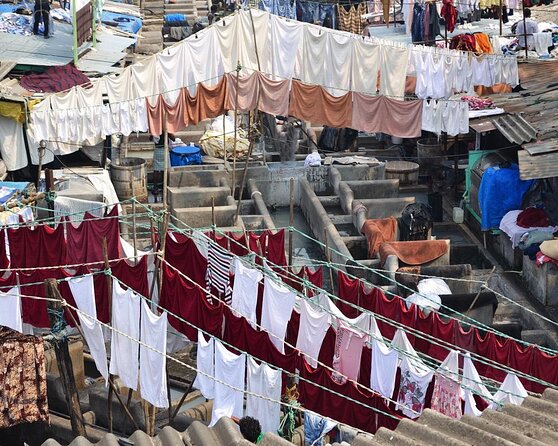
- See recycling at close range: The route includes Dharavi’s plastic and metal recycling area, where materials are melted, molded, and reused.
- Meet guides with local ties: Ruqaiyya is noted for her clear English and personal knowledge of Dharavi, while Neha is praised for her friendly help.
- Expect a two-hour core walk: The full booking can last two to seven hours when pickup, transport, and added stops are included.
- Get more than a poverty tour: The focus is on work, enterprise, family life, and the community’s economic role.
- Pay very little for a guided experience: At $8 per person, the tour offers strong value if you want context rather than independent wandering.
- Plan for practical conditions: Wear comfortable shoes, follow your guide closely, and do not photograph people or workspaces without permission.
Why Dharavi deserves a closer look
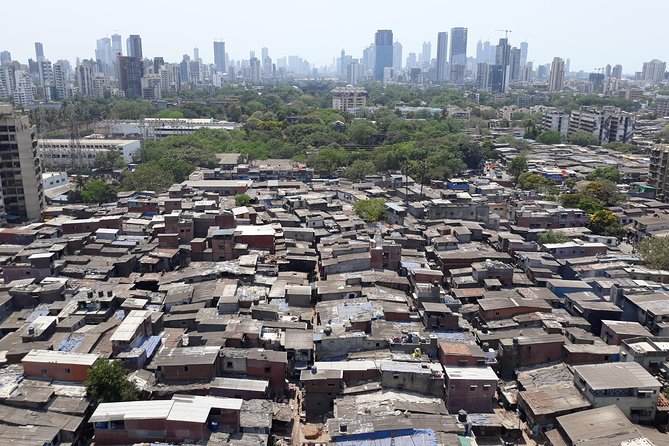
Dharavi is often described with a single label, but that label tells you very little. Founded in 1883 during the British colonial period, it has grown into a dense community where homes, workshops, shops, and small industrial spaces sit close together.
The tour presents Dharavi as a city within Mumbai, not as a place defined only by limited income. People from different parts of India live and work here. Small businesses produce goods for local customers and, in some cases, for wider markets.
The economic figures attached to Dharavi are striking. The community is described as supporting more than 20 million people and producing an estimated annual economic output of about $1 billion, with recycling as a major force. Those numbers are supplied as part of the tour’s context, and you should treat them as an overview rather than a detailed economic report. The useful point is that Dharavi contains a serious network of work and trade.
I find this framing valuable because it changes what you look for. Instead of simply seeing crowded lanes, you begin noticing how space is used, how materials move through workshops, and how businesses operate inside a compact urban setting.
More Dharavi walking tours in Mumbai
- Dharavi slum tour in Mumbai by Female tour guides of the slum
★ 5.0 · 1,976 reviews - Mumbai: Dharavi Slum, DhobiGhat, and Dabbawallas Tour
★ 4.9 · 689 reviews - Dharavi Slum Tour
★ 5.0 · 625 reviews
Starting near Mahim Railway Station
The stated route begins at Mahim Railway Station, although the exact meeting point depends on the option you book. If you choose pickup, wait in your hotel lobby 10 minutes before the scheduled start. Hotel and port pickup and drop-off are available on options that include them.
This flexibility matters in Mumbai. A two-hour walk can become a four-hour outing once driving time is added, and some options may run as long as seven hours. Check the start time, pickup arrangement, and final drop-off locations before paying.
The tour can finish at one of three listed points: Third Wave Coffee, Mumbai, or Dhobi Ghat. These are useful choices if you are planning the rest of your day, but confirm which ending applies to your selected option. The itinerary information gives several possibilities rather than one fixed finish for every booking.
If you meet at the railway station, allow yourself enough time to find the guide. The meeting point can vary, so use the instructions supplied with your reservation rather than assuming every group starts at the same entrance.
The recycling yards: the tour’s strongest stop
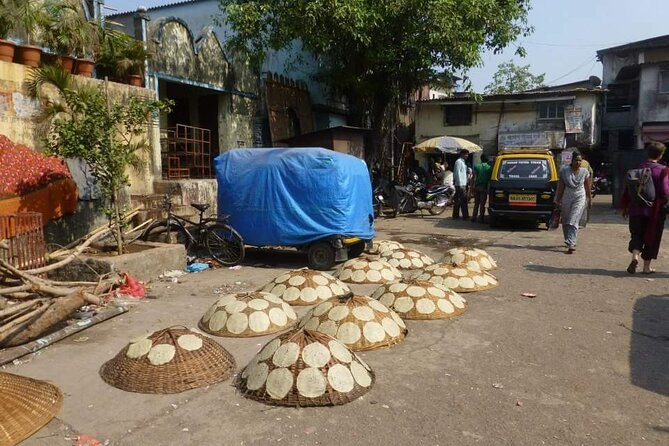
The most distinctive part of the route is the Plastic and Metal Recycling yard in the thirteenth compound. This is where the tour becomes more than a general walk through residential lanes.
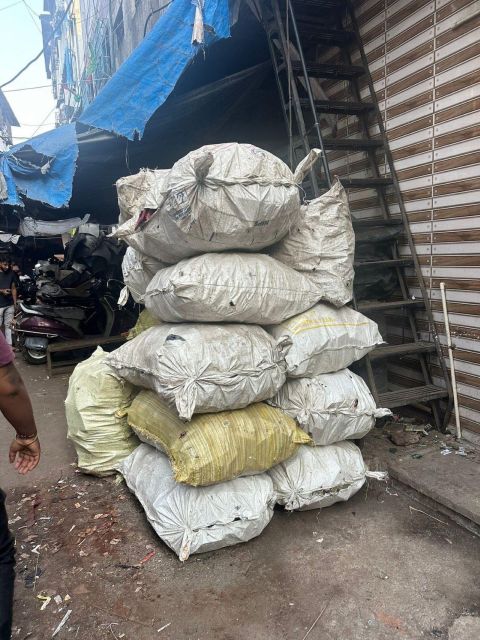
You can see the basic process of turning discarded material into something useful. Plastic is melted and molded into new items, while metal work supports the making of small products such as buttons. The tour specifically points to buttons made for well-known brands, including Barbie dolls in India.
That detail gives the recycling story a clear connection to ordinary consumer goods. What looks like waste in one part of the city can become a component in a product sold elsewhere. You are not just hearing that recycling creates jobs. You are seeing the practical steps behind it.
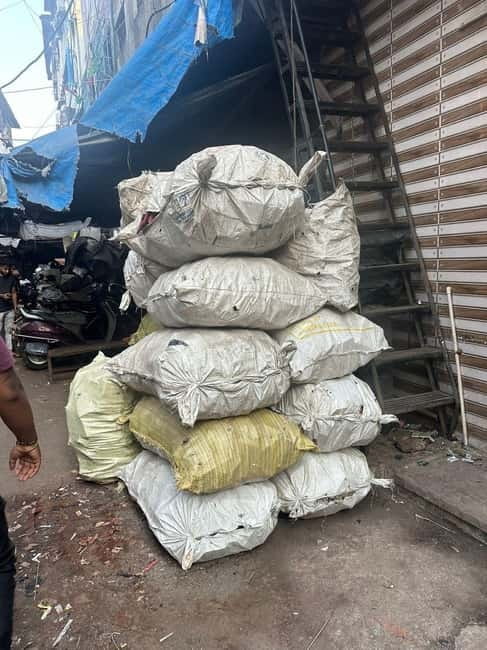
The setting may feel cramped and industrial. That is part of the point, but it is also the main reason to wear sturdy, comfortable shoes and stay close to your guide. The tour does not promise a museum-style display. You are walking through active work areas where space is limited and production continues around you.
Leather, ceramics, and clothing workshops
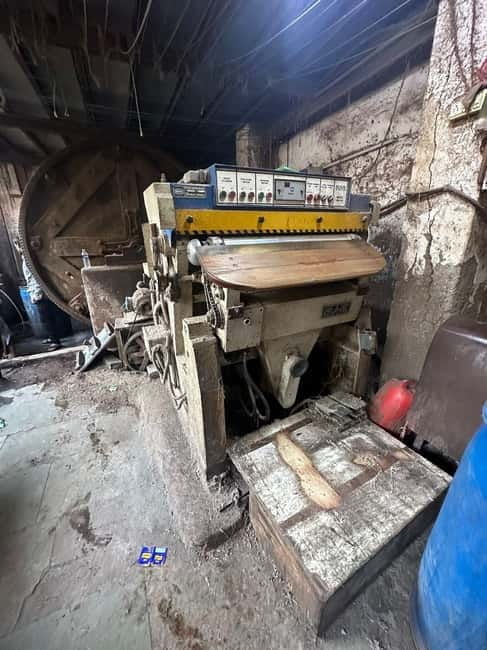
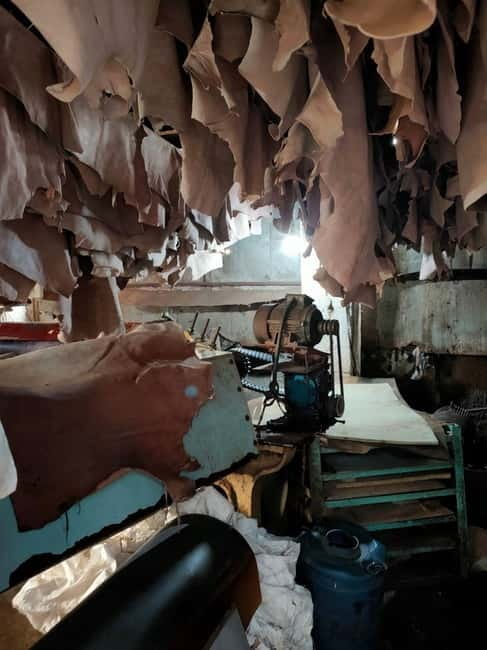
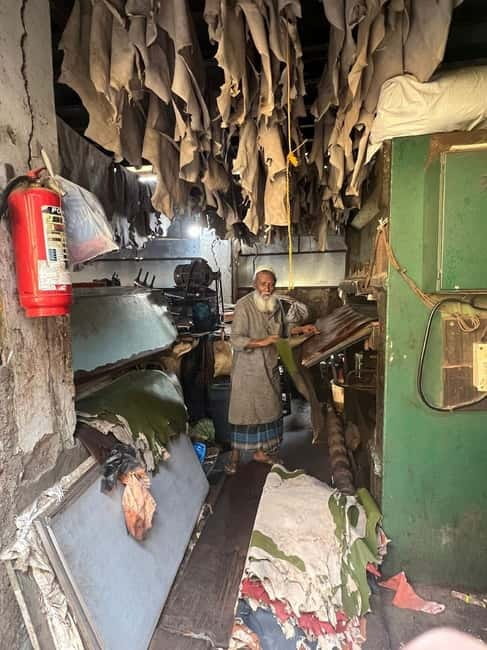
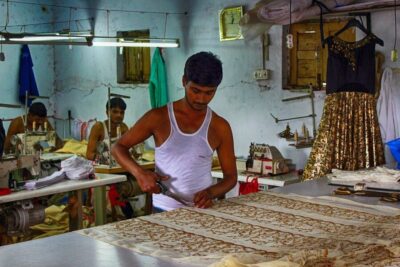
Recycling receives the most attention, but Dharavi’s work does not stop there. The route may show small-scale production involving leather goods, ceramics, embroidered garments, plastic, and metal.
These businesses are interesting because many products are made in compact spaces. You get a better sense of how a neighborhood can support several trades at once, even when workshops are tucked into narrow buildings or shared areas.
The tour’s value lies in the explanation. Without a guide, you might pass a doorway and see only tools, materials, or finished goods. With someone explaining the work, you can connect the material to the process and the process to the wider economy.
The exact workshops you see may vary. The supplied information does not promise a fixed list of individual businesses, so you should not book expecting a guaranteed demonstration of every craft. Think of the route as a guided look at several kinds of work, with recycling as the central theme.
A completely different side of the city:
- Mumbai: Full-Day Sightseeing Tour of Mumbai
★ 4.9 · 1,822 reviews - Private Mumbai Sightseeing Tour (Traveller’s Choice Award Winner)
★ 5.0 · 1,565 reviews - Group Guided Walking Tour in Fort and Colaba
★ 5.0 · 1,073 reviews - Mumbai: Elephanta Caves Half-Day Guided Tour with Expert
★ 4.8 · 1,032 reviews
Guides who shape the experience
Your guide will make a major difference here. Ruqaiyya receives especially strong praise for her clear English, friendly manner, and personal connection to Dharavi. She has lived in the area for much of her life, which gives her a useful perspective on the streets and the people who work there.
She is also described as responsive to questions. That matters because Dharavi can raise difficult subjects about housing, income, migration, work, and privacy. A guide who can explain local life without turning it into a simple good-news or bad-news story makes the walk far more useful.
Neha is another guide named in the feedback. She is described as helpful and friendly, with an ability to show daily life in places you would be unlikely to find on your own. Rihanna is also praised in one account for making the visit interesting and explaining the role of recycling.
The language options are English, Hindi, and Marathi. English is the most useful choice for international visitors who want detailed explanations. If you have a question, ask it. The tour is at its best when it becomes a conversation rather than a silent procession through lanes.
The human side: how to visit respectfully
A tour of a residential community always raises an ethical question: are you learning, or are you treating people’s lives as a spectacle? This experience tries to answer that by focusing on work, history, and local enterprise.
You still have a responsibility. Do not treat residents as scenery. Avoid intrusive photographs, and ask before taking pictures of people, homes, goods, or work areas. The stated rules prohibit alcohol and drugs and nudity, but basic courtesy goes further than the formal list.
Keep your group together and follow instructions around workshops. Melted plastic, tools, metal, and crowded work areas are not harmless props. You do not need to touch anything to understand what is happening.
The tour’s positive focus is useful, but it should not make you forget the challenges of life in a dense settlement. A fair visit holds both ideas at once: Dharavi contains hardship, and it also contains skill, income, ambition, and community. Reducing it to either poverty or inspiration misses the real place.
What the two-hour walk feels like
The core experience is a guided walk lasting about two hours. You begin at the agreed meeting point or with pickup, then enter Dharavi with your guide.
The early part of the route helps you adjust to the setting and understand the area’s background. From there, the emphasis moves toward workspaces and recycling. The tour explains how plastic and metal are handled, then broadens into other trades such as leather, ceramics, and clothing.
You should expect a steady amount of walking. Comfortable shoes are specifically recommended, and they are good advice. The tour does not list meals or drinks as included, though bottled water is provided. If you need food, arrange it separately rather than expecting a meal stop.
Private groups are available. This is worth considering if you want to ask many questions, need a slower pace, or prefer a more personal setting. A private group does not turn Dharavi into a quiet attraction, but it may make the conversation easier.
Transport, timing, and the real price
At $8 per person, this is an inexpensive way to add context to a Mumbai visit. All place entry fees and an English-language local guide are included. Options also include bottled water, air-conditioned transport, private transportation, and hotel or port pickup and drop-off.
The key word is options. Not every booking format necessarily has the same transport arrangement, so read the selected option carefully. If you are already near the meeting point, the low-cost walking format may be enough. If you are arriving from a hotel or port, pickup can save time and reduce the trouble of navigating Mumbai traffic.
The stated duration ranges from two to seven hours. The two-hour figure matches the main Dharavi walk. Longer options may include transfer time and additional stops, including a possible finish near Dhobi Ghat or Third Wave Coffee.
Meals and drinks are not included. Bottled water is included, but you should not expect lunch, snacks, or café service as part of the tour. At this price, the value comes from the guide and access to a difficult-to-understand part of Mumbai, not from extras.
Free cancellation is available up to 24 hours before the activity for a full refund. You can also reserve and pay later, which helps if your Mumbai schedule is still changing.
Who should book this Dharavi tour?
I recommend it to you if you want to understand how a working neighborhood functions and you are willing to look beyond postcard Mumbai. It is especially suitable for first-time visitors who want a guided introduction to local industry, recycling, and community life.
It also suits people who prefer a small, human-scale experience to a large sightseeing bus. A private group is worth considering if you want time for questions or a more flexible pace.
You may want to skip it if you are looking for a relaxed walk, polished attractions, shopping, or a clear list of monuments. Dharavi is crowded, active, and practical. The point is not visual beauty. The point is understanding.
Families should think about the walking conditions and the sensitivity of the subject. Children who are curious about making, recycling, and city life may find it eye-opening, but adults should explain beforehand that this is a real neighborhood where people live and work.
My booking advice
Book this tour if you want a direct look at Dharavi’s industries and you value a guide who can explain local life with care. Ruqaiyya is a particularly strong guide choice when available, thanks to her clear English and long connection with the area. Neha is another name to look for if the booking system lets you select or request a guide.
Choose the two-hour option if your schedule is tight. Add pickup if Mumbai traffic and navigation will make the day harder. Wear comfortable shoes, bring curiosity, and keep your camera habits respectful.
At $8, the tour offers good value, but its real worth depends on your attitude. Come to understand how people work and live, not to collect dramatic photographs. If that sounds right for you, this is a worthwhile addition to a Mumbai itinerary.
FAQ
Where does the Dharavi tour begin?
The stated route begins at Mahim Railway Station, but the exact meeting point can vary by the option you book. Check your booking instructions for the confirmed location and arrival time.
How long does the tour last?
The main guided walk through Dharavi lasts about two hours. Depending on the selected option, the full activity can take between two and seven hours, including transport and pickup arrangements.
What languages are available?
Live guiding is available in English, Hindi, and Marathi.
Is hotel or port pickup available?
Yes, hotel and port pickup and drop-off are included with applicable options. Pickup is optional, so check the details of your selected booking.
What does the price include?
The $8 price includes the guided experience and all place entry fees. Applicable options also include bottled water, air-conditioned transport, private transportation, and pickup and drop-off.
Are meals or drinks included?
Meals and drinks are not included. Bottled water is included.
What should I bring?
Bring comfortable shoes because the main experience is a walking tour through Dharavi.
Can I cancel or pay later?
You can cancel up to 24 hours in advance for a full refund. Reserve-now, pay-later booking is also available, depending on the selected option.
Recently added around Mumbai
- Mumbai Sightseeing Tour★ 5.0 · 11 reviews
- Private Walking Tour in Dharavi Slums★ 5.0 · 7 reviews
- Private Mumbai 2-Day Tour Package:City + Slum & Elephanta Island.★ 5.0 · 3 reviews
- Vegetarian Indian Cuisine Virtual Cooking Class Experience from Mumbai★ 5.0 · 4 reviews
- Mumbai by Night Guided Tour★ 5.0 · 6 reviews
- Transfer from Mumbai Airport to Hotel★ 4.0 · 7 reviews
- Full-Day Agra Tour with Taj Mahal From Mumbai By Air★ 5.0 · 8 reviews
- Taj Mahal Day Trip Including Same Day Flights from Mumbai★ 5.0 · 3 reviews
Mumbai Dharavi Slum Tours, compared.
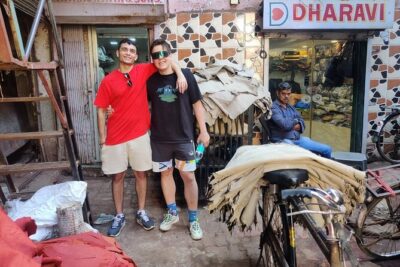
Dharavi slum tour in Mumbai by Female tour guides of the slum
Read our review →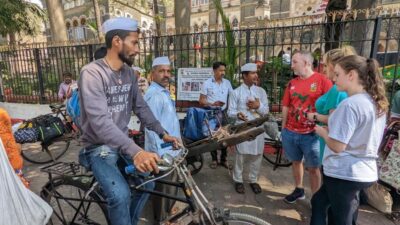
Dharavi Slum Slumdog Millionaire Tour with a Local
Read our review →
Mumbai Slum Tour – Visit Dharavi Slum with Local Guide
Read our review →
Dhobi Ghat Laundry and Dharavi Slum Tour with Local
Read our review →
Browse the lists this tour appears in