
Reviewed · MUMBAI DHARAVI SLUM TOURS
Mumbai: Dharavi Tour Including Car Transfer
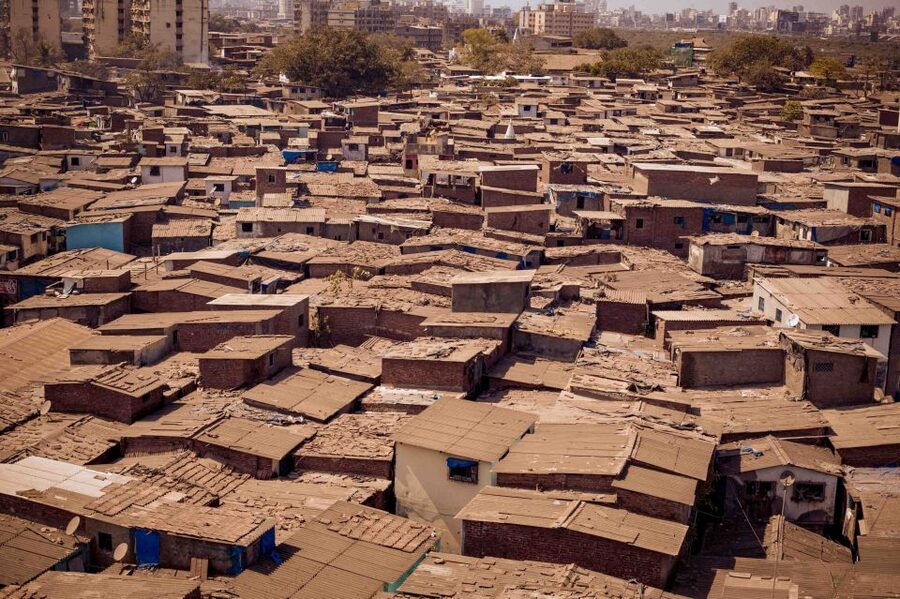
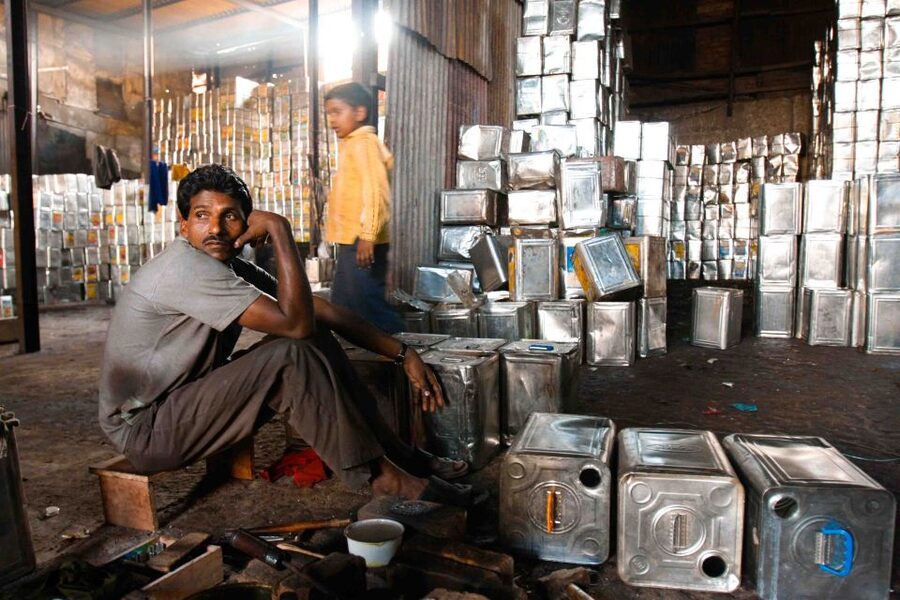
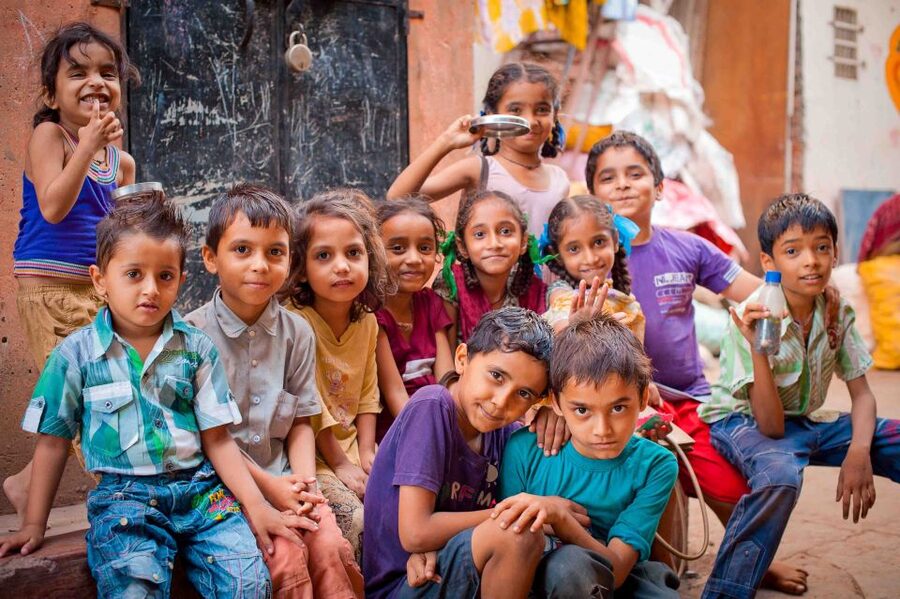
Dharavi is not a sightseeing backdrop. It is a working neighborhood, home to about one million people and an industrial center with an estimated annual turnover of $665 million. This tour takes you into its narrow lanes, where pottery, recycling, leather, embroidery, baking, soap making, and papad production all happen close together.
I like two things here: the car ride gives you Mumbai’s wider story before you enter Dharavi, and the walk shows the area through its businesses rather than treating poverty as a spectacle. The stop at Kumbhar Wada, a pottery quarter about 150 years old, adds a clear sense of place.
The main drawback is the strict no-photography rule inside Dharavi. That is the right policy for residents, but you should be ready to leave your camera and phone in your pocket. Covered shoes and modest clothing are also required, and some lanes may be dirty.
Key points to know before booking
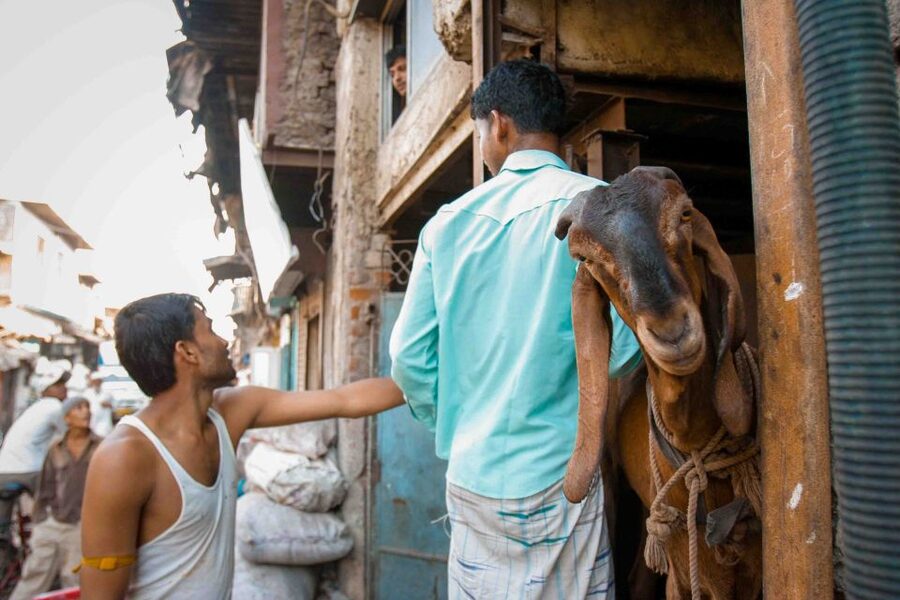
- Dharavi is a workplace first: See active recycling, pottery, leather, food, and craft businesses.
- The tour begins with context: The drive from Colaba covers Mumbai’s textile mills, social issues, and Kamathipura.
- Dhobi Ghat adds another working-world stop: Visit the famous open-air laundry before reaching Dharavi.
- Kumbhar Wada is the most distinctive neighborhood: Explore a pottery area with roughly 150 years of tradition.
- Photography is not allowed: Respect privacy and plan to experience the walk without taking pictures.
- A private group is available: Shared and private arrangements can suit different budgets and comfort levels.
Why Dharavi needs more than a quick look
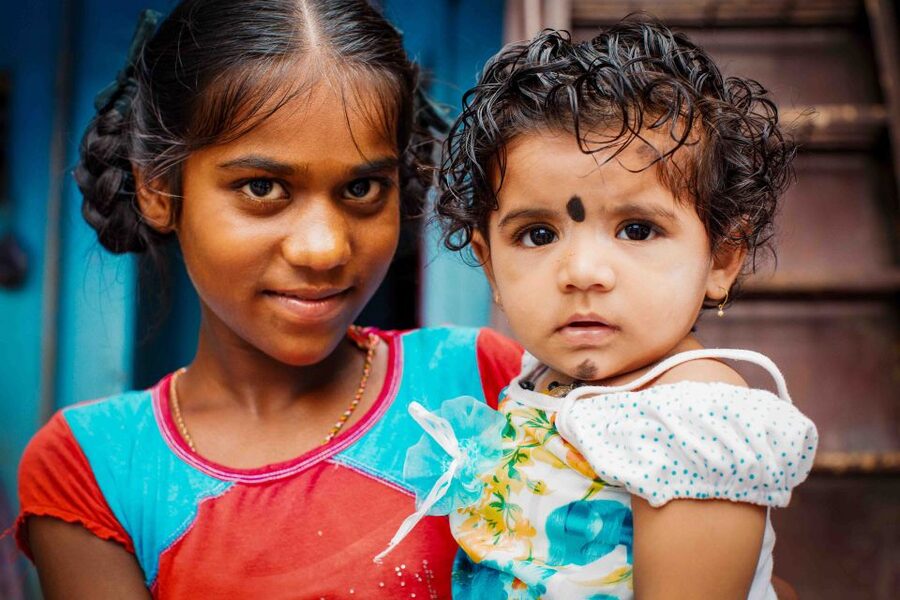
Many people know Dharavi only through the label slum. That word tells you very little about how the neighborhood functions. Dharavi is also a place where people live, work, run small factories, pass skills between generations, and supply goods to the wider city.
This tour’s strongest choice is to focus on that working life. You might see recycling operations, pottery making, embroidery, bakeries, soap production, leather tanning, and papad making. The point is not simply to pass through crowded lanes. It is to understand how a large urban community supports itself.
I find that approach far more useful than a tour built around shock. Your guide can explain what you are seeing and place it within Mumbai’s economic story. You will still notice cramped streets and difficult conditions, but you also see trade, organization, and enterprise.
That balance matters. Dharavi should not be presented as either a postcard or a problem to solve in a few hours. You are entering someone’s home and workplace, so listening carefully and following the rules is part of the experience.
More Dharavi walking tours in Mumbai
- Dharavi slum tour in Mumbai by Female tour guides of the slum
★ 5.0 · 1,976 reviews - Mumbai: Dharavi Slum, DhobiGhat, and Dabbawallas Tour
★ 4.9 · 689 reviews - Dharavi Slum Tour
★ 5.0 · 625 reviews
The drive from Colaba sets up the story
The first part is by car, traveling north from Colaba toward Dharavi. If you choose hotel or residence pickup, the exact starting point depends on your booking option. Otherwise, the meeting point is outside Leopold Cafe on the side street of Nowroji Fardonji Road, just off Colaba Causeway.
Look for a guide wearing a blue shirt or polo shirt with the company logo. The guide speaks English and provides the running explanation during the drive. This transfer is more than a way to get from one place to another. It gives you a quick introduction to how Mumbai grew.
You pass the former textile mill area, once a major part of Mumbai’s economy. The mills helped shape the city, its workers, and its neighborhoods. That background makes Dharavi easier to understand because you begin to see the connection between industry, migration, housing, and the city’s changing economy.
The route also includes discussion of current social issues as you pass Kamathipura, Mumbai’s red-light area. This section may feel sobering, but it helps place Dharavi within the larger city rather than treating it as an isolated curiosity.
The drive also takes you past Dhobi Ghat, the famous open-air laundry. You stop there for sightseeing before continuing to Dharavi. It is a useful contrast: one large, visible working site introduces the idea of informal and traditional labor, then the walk takes you into a much broader network of small businesses.
Dhobi Ghat shows Mumbai at work
Dhobi Ghat is described as the largest open-air laundry in the world. The stop is brief, but it gives the tour a strong visual and economic connection before Dharavi.
You are not only looking at laundry. You are seeing how a service industry operates in a dense city, with work organized on a large scale in the open air. That makes the later discussion of Dharavi’s workshops and production easier to follow.
The stop is also practical for pacing. After time in the car, you get a short sightseeing break before the more demanding walking portion. Do not expect a long independent visit here. The main purpose is to see the site and understand its place in Mumbai’s working life.
Walking Dharavi’s narrow lanes
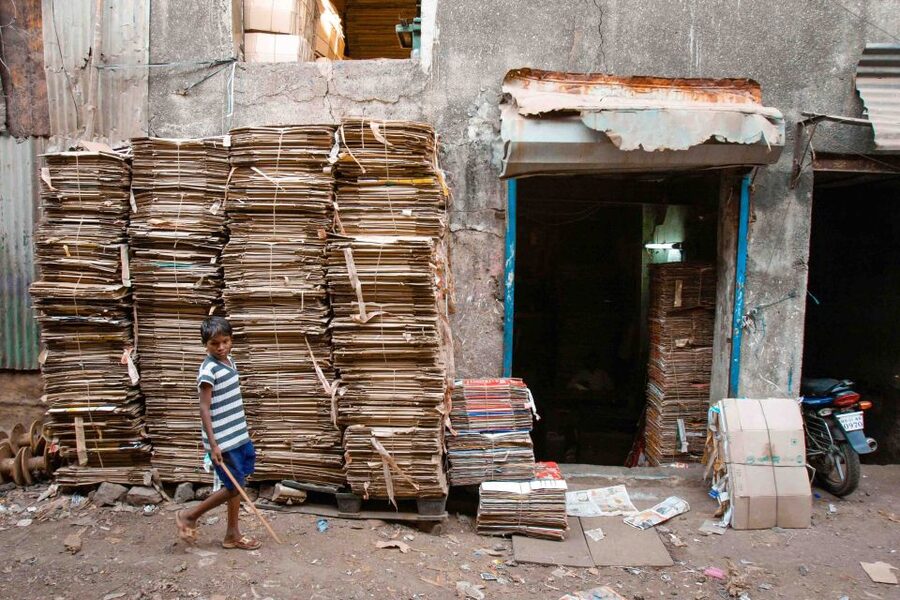
The Dharavi walk lasts about an hour, though the full experience lasts around four and a half hours because of the drive and other stops. The streets and alleys are narrow, and you should wear covered shoes. Some areas can be dirty, so sandals and delicate footwear are poor choices.
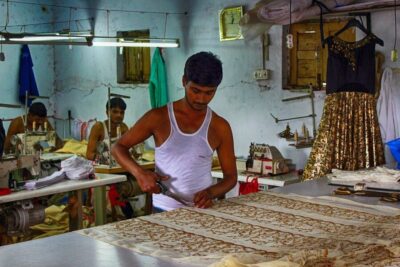
Your guide leads you through a selection of the neighborhood’s business activities. The exact order can vary, but the tour may cover recycling, pottery, embroidery, bakeries, soap factories, leather tanning, and papad making.
This variety is what gives the walk its value. You are not seeing one single trade or one carefully staged workshop. You are getting a sense of how many small industries can fit into a compact area.
The close quarters can be difficult. You may need to walk slowly, keep your belongings close, and stay aware of the people working around you. The experience is not designed for casual wandering or private photography. It asks you to pay attention and move respectfully.
The no-camera rule is strict. Do not assume that a quick phone picture is acceptable. The restriction protects residents and workers from being turned into subjects without permission. If you want a record of the experience, rely on what you learn rather than on photographs.
More private drivers in Mumbai
- Mumbai City Sightseeing Tour With Expert Driver
★ 5.0 · 75 reviews - Mumbai Private Car Rental with Professional Driver
★ 5.0 · 72 reviews - Mumbai Airport Transfer
★ 4.0 · 49 reviews - Dharavi Slum Tour with Laundry And Hotel Transfer (South Mumbai)
★ 5.0 · 35 reviews
Kumbhar Wada and the pottery tradition
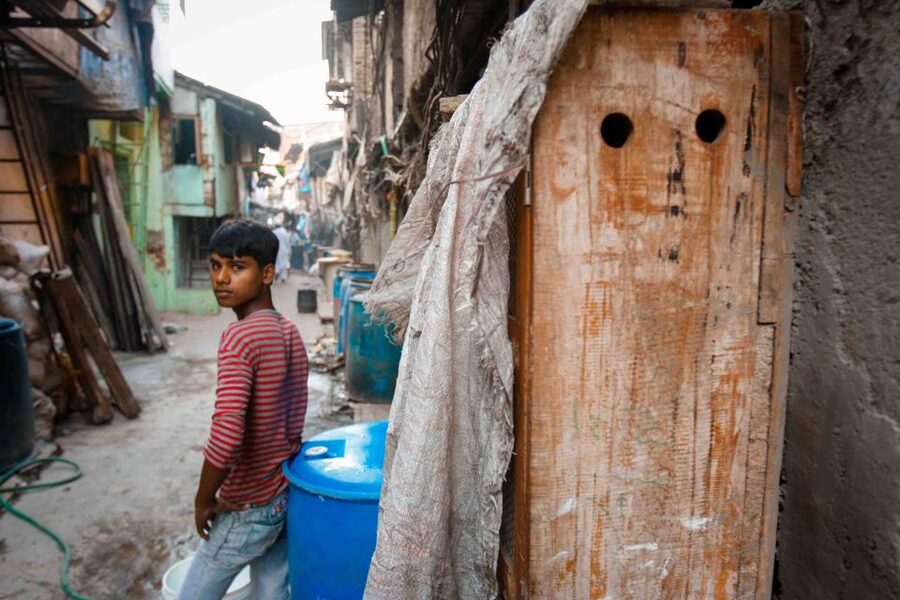
Kumbhar Wada is one of the most memorable sections of the tour. This is a pottery neighborhood with about 150 years of history, and it gives Dharavi a strong link to inherited craft.
The stop lasts about 15 minutes according to the planned schedule, so keep your expectations realistic. You will not have hours to take a pottery class or browse every workshop. Instead, you get a short guided look at the neighborhood and its role in Dharavi.
For me, this is exactly the kind of stop that makes a city tour worthwhile. It connects place, work, and family tradition in a way that a general explanation cannot. Pottery is not just a craft demonstration here. It is part of the neighborhood’s identity and economy.
One booking account describes a guide named Bipin helping with shopping and cooking alongside an Indian family, with handmade painted pottery given as a gift. That account includes activities beyond the standard details of this Dharavi tour, so do not book this experience expecting a cooking session or a guaranteed pottery gift. Still, it suggests the provider can create warm, personal contact when the itinerary allows.
The human side of the guiding
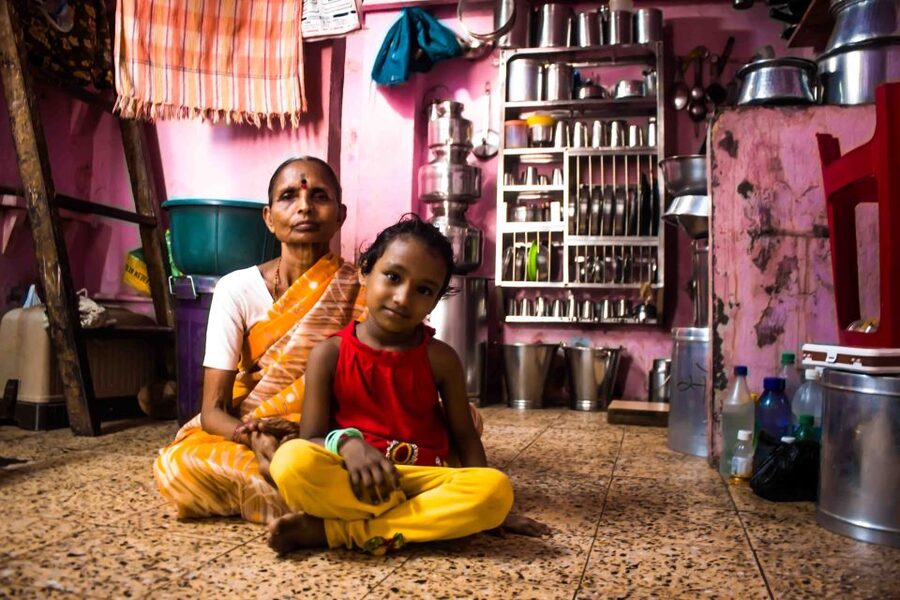
The guide makes a major difference here. You need clear explanations, but you also need someone who understands when to let the neighborhood speak for itself. A good guide should explain what a business does without making workers feel like part of a show.
The published experience uses an English-speaking local guide. Private groups are available, which may be useful if you want a quieter pace or prefer to ask more questions. A private option usually matters more on a walking tour than on a simple transfer because the streets are tight and the subject can prompt sensitive questions.
There is also a useful sign of flexibility in the provider’s past arrangements. A deaf participant was paired with a deaf guide who worked with the group. That does not guarantee a deaf guide for every booking, so you should make any communication request in advance. It does show that asking about needed support is worthwhile.
The guide can also help you keep the discussion grounded. Dharavi includes poverty and serious housing pressures, but it also includes income, skill, and community life. You want an explanation that holds both truths at the same time.
Timing, comfort, and what to wear
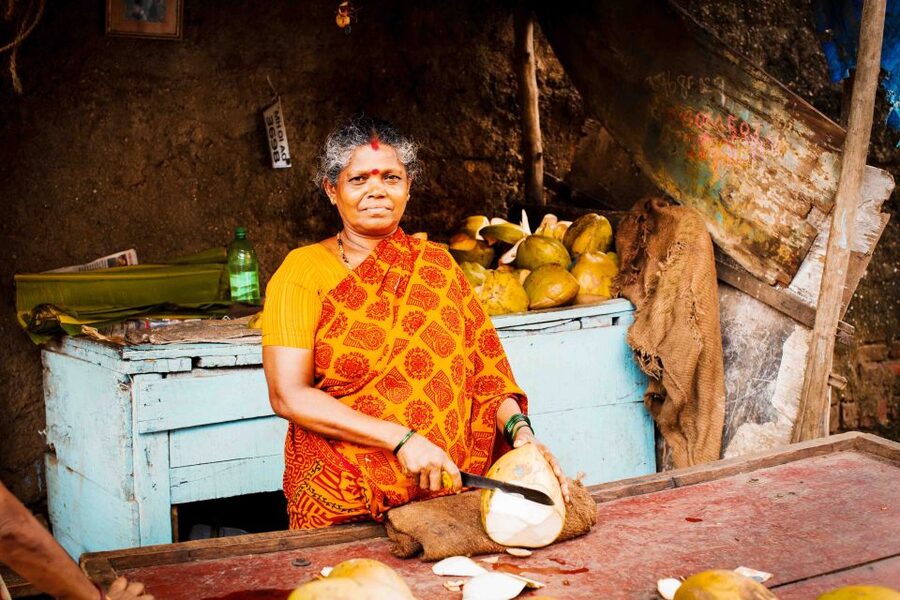
At 4.5 hours, this is a half-day commitment. The time includes the drive from Colaba, the Dhobi Ghat stop, the Dharavi walk, the Kumbhar Wada visit, and return or drop-off arrangements.
Wear loose, modest clothing. Shoulders and chest should be covered, clothing should fall below the knee, and nothing should be tight or revealing. These rules are both a matter of local respect and practical comfort.
Choose sturdy, covered shoes. The lanes may be uneven or dirty, and open footwear offers little protection. Bring water if you prefer a particular brand or bottle size, although water or cold drinks are included.
Food is not included, so eat before setting out or plan around the tour. Do not count on buying a meal during the walk. The listed drop-off points are Mumbai and Leopold Cafe, depending on the arrangement selected.
Is $39 a fair price?
At $39 per person, the tour sits in a reasonable range for a four-and-a-half-hour guided experience that includes car transport, a local English-speaking guide, hotel pickup and drop-off when selected, water or cold drinks, Dhobi Ghat, and a guided Dharavi walk.
The value depends on what you want. If you only want to see Dharavi from a vehicle, this costs more than necessary. If you want the historical setup, transportation from Colaba, a guide through the lanes, and an explanation of local industries, the price is easier to justify.
Private groups can improve the experience, but they may affect the final price depending on the booking choice. For a first visit to Mumbai, the car transfer is especially useful because it links several parts of the city in one outing. You avoid arranging separate transport between Colaba, Dhobi Ghat, Dharavi, and the final drop-off.
The tour does not include food or shopping. Treat any purchase as optional and personal, not as part of the core package. The main return is context and access, not a meal or a souvenir.
Who should book this experience?
I would recommend it to you if you want to understand Mumbai beyond its grand buildings and waterfront. It suits people who are comfortable walking through active working areas and who can approach the subject with respect.
It is also a good choice if you prefer a guide to explain social issues rather than trying to interpret everything alone. The drive gives you a compact introduction to Mumbai’s textile past, Kamathipura, and Dhobi Ghat before the walk begins.
You should think twice if you mainly want photographs. No photography is permitted inside Dharavi, and that rule shapes the entire visit. You should also reconsider if narrow lanes, dirt, or modest dress requirements will make you uncomfortable.
Families, students, photographers willing to keep their cameras away, and visitors interested in urban economies may find plenty to think about here. The experience is less suitable for anyone seeking a polished attraction with set pieces and easy walking.
Final call on the Dharavi tour
Book this tour if you want a respectful, guided look at the people and businesses that keep part of Mumbai running. The best parts are the context in the car, the working industries in Dharavi, and the old pottery quarter of Kumbhar Wada.
Go with the right expectations. You are not attending a show, taking a photo tour, or enjoying a food outing. You are walking through a real neighborhood with strict privacy rules and some uncomfortable conditions.
For $39, the combination of transport, a local guide, Dhobi Ghat, and a structured Dharavi walk offers solid value. Choose hotel pickup or a private group if convenience and pace matter, wear covered shoes, dress modestly, and let the experience be about attention rather than pictures.
FAQ
How long does the Mumbai Dharavi tour last?
The experience lasts about 4.5 hours, including the car transfer, sightseeing stops, walking tour, and drop-off.
Where does the tour meet?
The standard meeting point is outside Leopold Cafe on the side street Nowroji Fardonji Road, off Colaba Causeway. Hotel or residence pickup is available with selected options.
What language does the guide speak?
The live tour is conducted in English by a local English-speaking guide.
Is hotel pickup and drop-off included?
Hotel pickup and drop-off are included when that option is selected. The listed drop-off locations are Mumbai and Leopold Cafe.
Can I take photos inside Dharavi?
No. Photography is not allowed inside Dharavi to protect residents’ privacy.
What should I wear?
Wear modest clothing with covered shoulders and chest, clothing below the knee, and nothing too tight or revealing. Covered shoes are advised because some areas may be dirty.
Is food included?
No. Food is not included in the tour price. Water or cold drinks are included.
Can I book a private group?
Yes. A private group option is available.
Recently added around Mumbai
- Private Walking Tour in Dharavi Slums★ 5.0 · 7 reviews
- Mumbai Sightseeing Tour★ 5.0 · 11 reviews
- Private Mumbai 2-Day Tour Package:City + Slum & Elephanta Island.★ 5.0 · 3 reviews
- Vegetarian Indian Cuisine Virtual Cooking Class Experience from Mumbai★ 5.0 · 4 reviews
- Mumbai by Night Guided Tour★ 5.0 · 6 reviews
- Transfer from Mumbai Airport to Hotel★ 4.0 · 7 reviews
- Full-Day Agra Tour with Taj Mahal From Mumbai By Air★ 5.0 · 8 reviews
- Taj Mahal Day Trip Including Same Day Flights from Mumbai★ 5.0 · 3 reviews
Mumbai Dharavi Slum Tours, compared.
Dharavi slum tour in Mumbai by Female tour guides of the slum
Read our review →
Dharavi Slum Slumdog Millionaire Tour with a Local
Read our review →
Mumbai Slum Tour – Visit Dharavi Slum with Local Guide
Read our review →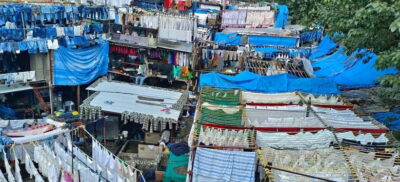
Dhobi Ghat Laundry and Dharavi Slum Tour with Local
Read our review →
Browse the lists this tour appears in