
Reviewed · MUMBAI DHARAVI SLUM TOURS
Private Full-Day Mumbai Sightseeing & Dharavi Slum Tour
Dharavi is the heart of this experience. For two hours, you walk with a local guide through workshops, recycling businesses, homes, schools, and narrow lanes, gaining a closer look at work and family life in one of Mumbai’s most talked-about communities. I like that the visit aims to explain rather than simply point at hardship. I also like the way the private car links far-flung sights, from Banganga Tank to CST, without making you wrestle with Mumbai traffic.
The local guides are a major strength. Priti, Javed, Jawwad, Ravi, Sharon, Subhan, and others are praised for clear English, personal stories, and adjusting the day to suit visitors. The main drawback is pace: the route covers a huge amount in four to seven hours, so many stops are brief photo visits rather than long explorations. Dharavi also calls for respect, modesty, and careful listening.
Key points at a glance
- Two-hour Dharavi walk: See recycling work, small industries, residential lanes, schools, and health facilities with a local guide.
- A private car makes the difference: Air-conditioning and a dedicated driver help you cover Mumbai’s spread-out sights in heavy traffic.
- Strong guide coverage: Guides including Priti, Javed, Jawwad, Ravi, Sharon, and Subhan are praised for clear explanations and personal insight.
- Big landmark checklist: Gateway of India, CST, Dhobi Ghat, Crawford Market, Marine Drive, Mani Bhavan, Banganga Tank, and more.
- Good value at $27: Hotel transport, guide, admission, and bottled water are included, though food and drinks are extra.
- Flexible timing: The experience runs from four to seven hours, so check the chosen option carefully if you have a flight, ship, or evening plan.
Why this Mumbai tour works so well in one day
Mumbai can feel scattered. The Gateway of India is down by the harbor, CST is farther north, Malabar Hill rises above the city, and Dharavi sits in a different part of town altogether. Public transport can be rewarding, but it takes time and some local confidence.
This tour solves that problem with a private, air-conditioned car and a driver who handles the roads. You get a city guide for the sightseeing portion and a local guide for the Dharavi walk. That division is useful because the two parts call for different kinds of explanation.
You can expect plenty of driving between stops, but the car keeps you cool and gives you a place to rest. That matters in Mumbai, especially when the day includes walking, markets, and Dharavi’s compact lanes. The driver is not just a chauffeur. Several visitors specifically praise the careful driving and skill in dealing with Mumbai’s traffic.
At $27 per person, the price is unusually low for a private day with transport, a guide, bottled water, and admission included. The value is strongest if you have only one day in Mumbai, are arriving from a cruise ship, or want to see many districts without arranging separate taxis.
The catch is that the advertised duration ranges from four to seven hours. A shorter option will naturally mean less time at individual stops. Ask about the exact schedule you are booking, and tell the guide early if you want more time at a particular place.
More Dharavi walking tours in Mumbai
- Dharavi slum tour in Mumbai by Female tour guides of the slum
★ 5.0 · 1,976 reviews - Mumbai: Dharavi Slum, DhobiGhat, and Dabbawallas Tour
★ 4.9 · 689 reviews - Dharavi Slum Tour
★ 5.0 · 625 reviews
Gateway of India and the Taj Mahal Palace
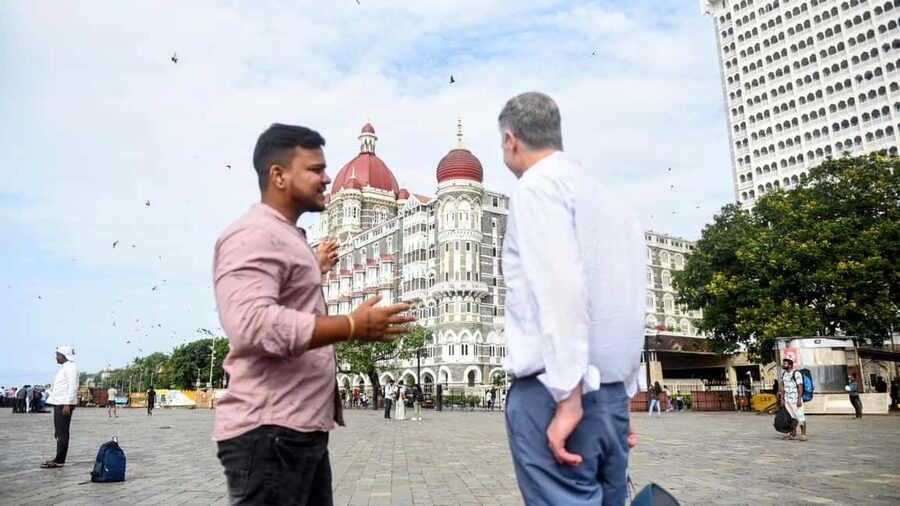
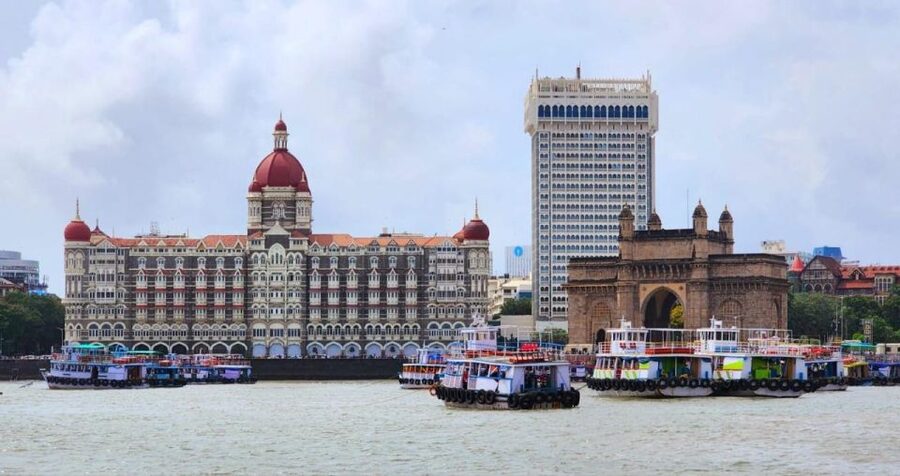
The day begins with Mumbai’s classic harbor scene. At the Gateway of India, you get a guided visit and about 15 minutes for photographs. The arch was built during the British period and has long served as one of the city’s best-known meeting points.
This is a photo stop, not a museum visit. I would use the time to look across the water, notice the stonework, and hear the guide explain the gateway’s place in Mumbai’s public life. The Taj Mahal Palace is right nearby, giving you another five-minute photo stop and a striking contrast between colonial architecture and the grand hotel.
You will not have time for an extended hotel visit here. Still, the pairing works well: one stop represents the harbor and the city’s ceremonial face, while the other brings in Mumbai’s long tradition of luxury and hospitality.
CST, Oval Maidan, and the grand civic center

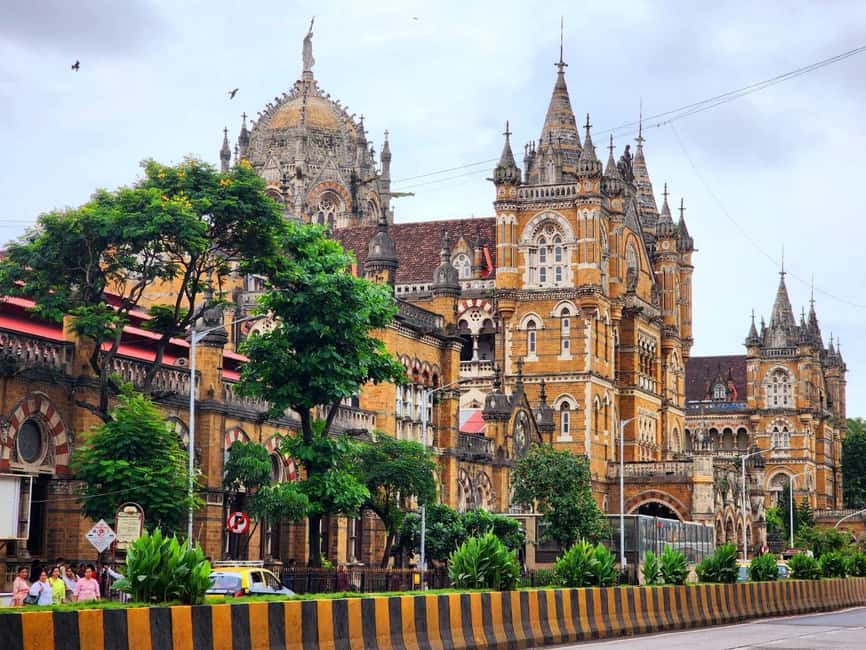
Chhatrapati Shivaji Maharaj Terminus, usually called CST, receives around 20 minutes. This is one of the tour’s strongest architecture stops. Your guide can help you read the elaborate facade, rather than leaving you to see it as just another busy railway station.
The route then moves through the civic heart of south Mumbai. You pass or stop near Rajabai Clock Tower, the University area, the Bombay High Court, the Asiatic Society, and Oval Maidan. Some are brief photo stops or views from the car, so expectations matter. You are sampling the district, not entering every building.
Oval Maidan gives you a useful sense of scale. It opens up the dense city and frames many of the grand buildings around it. The High Court and Rajabai Clock Tower add more architectural detail, while the Asiatic Society helps round out the picture of south Mumbai’s old institutional quarter.
Dhobi Ghat and the working city
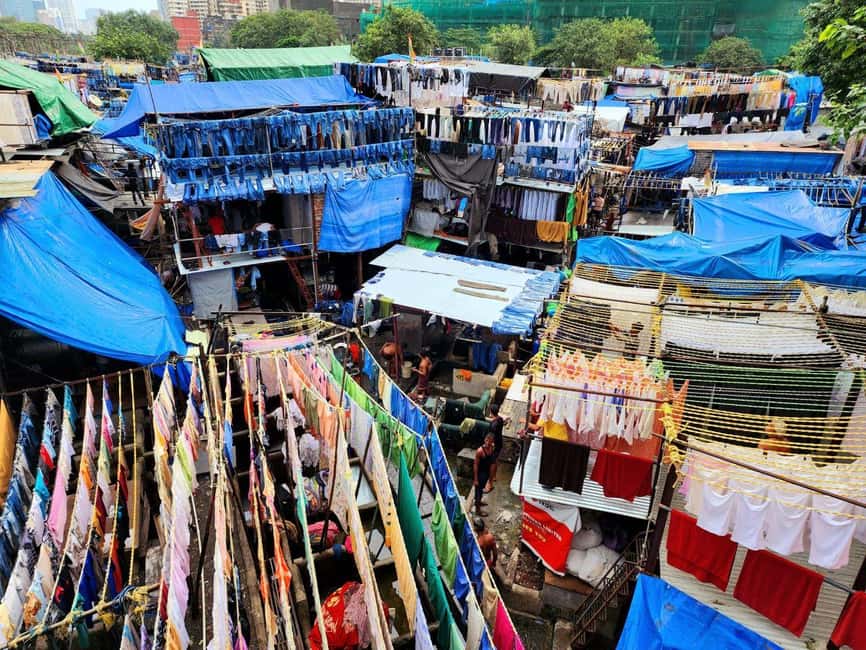
Dhobi Ghat is one of the more memorable practical stops. You get about 20 minutes with a guide, looking at Mumbai’s famous open-air laundry area and the work that goes on there.
This is a place where the city’s daily systems become visible. It is not only a colorful photo opportunity. It shows how large-scale washing has long been organized as a trade, and it gives your guide a chance to explain the people and routines behind the scene.
Keep your visit observational and polite. Workers are carrying out their jobs, not performing for an audience. The best questions are about how the work operates and how the area fits into Mumbai life.
More city sightseeing tours in Mumbai
- Mumbai: Full-Day Sightseeing Tour of Mumbai
★ 4.9 · 1,822 reviews - Private Mumbai Sightseeing Tour (Traveller’s Choice Award Winner)
★ 5.0 · 1,565 reviews - Highlights of Mumbai Sightseeing Tour: TRAVELLERS CHOICE AWARDED
★ 5.0 · 915 reviews - Highlights of South Mumbai Guided Private Tour in AC Vehicle
★ 5.0 · 620 reviews
Crawford Market and the city’s food trade
Crawford Market appears twice in the supplied route, which likely reflects both a guided drive and a separate walk through the food market. In practical terms, expect a market visit of about 20 minutes, with an opportunity to see produce and local commerce.
This stop adds welcome texture after the grand monuments. You will see a working market rather than a polished attraction, and your guide can explain what you are looking at. If you want to buy or taste anything, remember that food and drinks are not included.
One useful tip comes from the flexible nature of the tour: tell the guide if the market matters more to you than another quick photo stop. The route can sometimes be adjusted to personal interests, as guides such as Priti and Javed have done for visitors.
Mani Bhavan and the story of Gandhi
Mani Bhavan gets about 20 minutes and a guided visit. The house is closely associated with Mahatma Gandhi’s years in Bombay and offers a more focused historical stop than the quick exterior views elsewhere in the day.
I like this part of the route because it slows the tour down. After traffic, architecture, and market activity, Mani Bhavan gives you a place to connect Mumbai with India’s independence movement and Gandhi’s time in the city.
Twenty minutes is enough for an introduction, but not a long study. If modern Indian history is a major interest, tell your guide. You may want to spend less time at a minor photo stop and more time here.
Marine Drive, Malabar Hill, and Banganga Tank
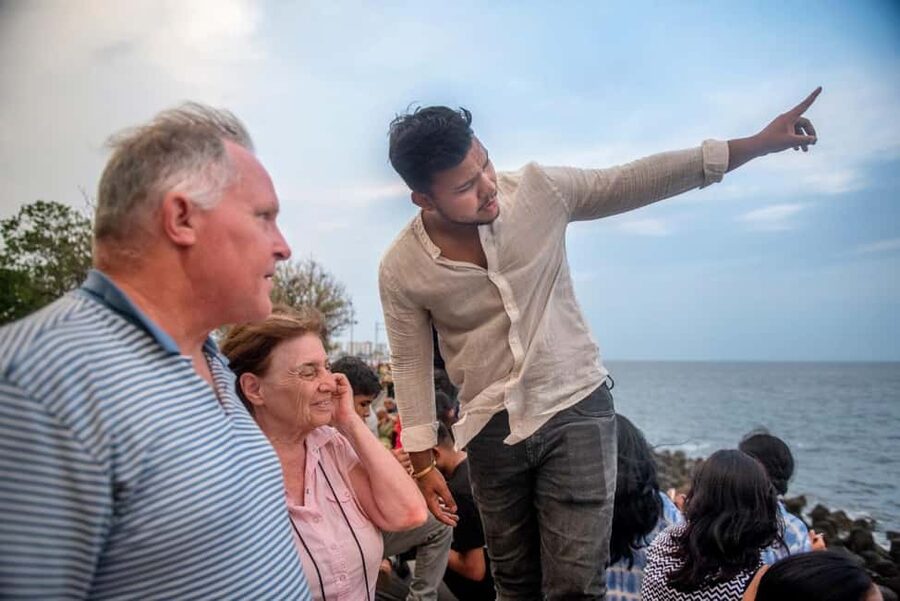
Marine Drive brings a different view of Mumbai. The tour includes a scenic drive and roughly 15 minutes of guided sightseeing. The curved waterfront road is one of the city’s most recognizable views, especially as the day moves toward evening.
You also pass Malabar Hill, with around 10 minutes of scenic views along the way. The route then reaches Banganga Tank, where you get about 20 minutes with the guide.
Banganga is a particularly valuable contrast to the modern waterfront. It is an old sacred water tank surrounded by temples and everyday neighborhood life. Your guide can explain the religious and local meaning of the site, helping you see that Mumbai is not one single city character. Its luxury hotels, railway stations, markets, shrines, and informal industries all sit close together.
Dress and behave respectfully at Banganga. This is not simply a backdrop for photographs, and the visit is better when you pause to notice the people using the site for worship and daily routines.
Colaba Causeway and south Mumbai on foot
Colaba Causeway receives about 15 minutes for a walk and photo stop. It is a lively shopping street and a good place to watch south Mumbai at street level.
The time is short, so do not expect a full shopping session. Instead, use it to get a feel for the area, ask about local goods, and observe the mix of residents and visitors. If you are hoping to shop, mention it when booking or at the start of the day.
The route may also pass Girgaon, the Asiatic Society, and nearby civic buildings. This moving commentary matters because Mumbai’s architecture can blur together when seen from a car. A good guide turns the drive into a running lesson in how the city developed.
Walking through Dharavi with a local guide
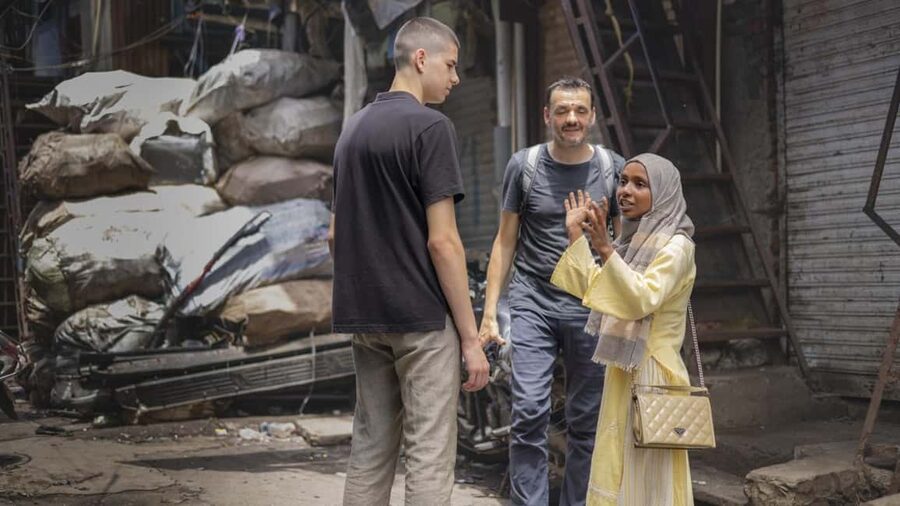
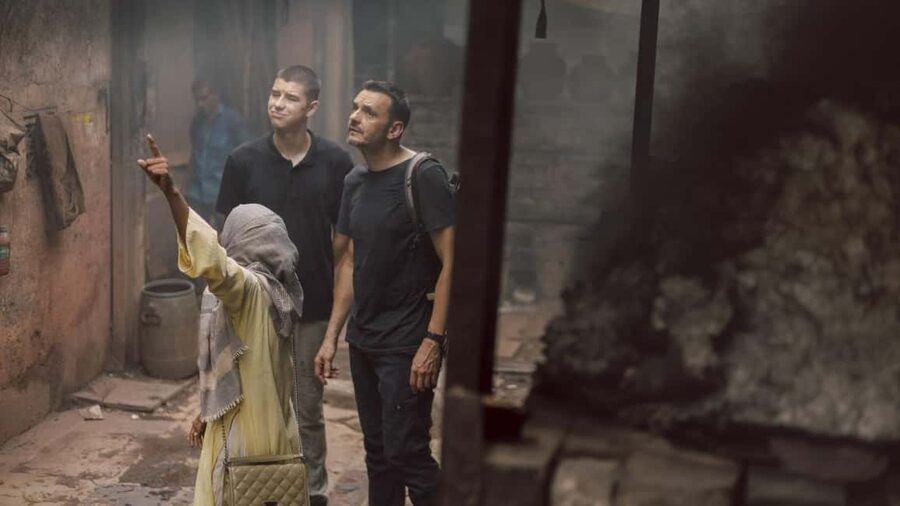
Dharavi is the part of the tour that requires the most thought. The two-hour walk takes you into residential sections, recycling factories, schools, health facilities, and small-scale industries. You are not simply looking at poverty. You are seeing homes and businesses operating side by side in a dense urban district.
The strongest version of this visit is led by someone with direct local ties. Several guides, including Ansh, Abhishek, Krishna, and other Dharavi specialists, are described as having grown up in the area or still living there. That kind of first-hand context can explain how families work, how industries function, and how residents view their own neighborhood.
You may see recycling work and other industries that serve the wider city. The important point is that Dharavi has economic activity, not just residential hardship. Your guide can discuss both opportunity and difficulty, including the political and economic issues that shape daily life.
This is an educational walk, but it can still feel confronting. Follow your guide’s instructions about photographs. Do not photograph people, homes, or workers without permission. Avoid treating the lanes as a spectacle, and listen when your guide explains what is appropriate.
The walking conditions are different from the car portions. Streets can be narrow and crowded, and you will be on foot for two hours. Wear comfortable shoes, carry only what you need, and keep water with you. Bottled water is included, but food and other drinks are not.
The Dharavi portion can also be the most personal part of the day. Guides such as Priti, Subhan, and Abhishek have been praised for answering questions about family life and local work in clear, careful terms. That makes a major difference. You are not just seeing a place, you are being given a way to understand it.
Guides, drivers, and how much flexibility you get
Guide quality is central here because the route includes many short stops. Names repeatedly associated with strong tours include Priti, Javed, Jawwad, Ravi, Sharon, Subhan, Ansh, Chirag, and Abhishek. You cannot assume you will receive a particular person, but you can reasonably expect an English-speaking Mumbai guide.
The best guides do more than recite dates. They explain why a market matters, connect a building to the city’s past, and answer questions about ordinary life. Several guides are also praised for adjusting the route, adding a local market, showing a less obvious stop, or skipping a place that did not interest the group.
The driver matters just as much. Names including Pranav, Shoeb, Saddam, Wasim, Abdul, and Nazim appear in the service team. The private car lets you move between districts without repeatedly negotiating fares or searching for transport.
Pickup is optional depending on the booking. You may meet the driver and guide in your hotel lobby, or meet at the Green Gate, the exit of Mumbai International Cruise Terminal. Cruise passengers should confirm the meeting point carefully. The listed drop-off locations include Ballard Pier, Alexandra Dock, and Green Gate, as well as hotel drop-off for options that include it.
The final city view and evening timing
The experience is promoted as ending at Mumbai View Point, with the city beautifully lit at night. That makes the longer version appealing if you want a final look at Mumbai after dark.
The precise timing depends on the option you select and the traffic on the day. One guide may finish in the evening after a late pickup or a longer route, so do not schedule a tight onward connection. The short format can work for a cruise stop or limited visit, while the seven-hour version gives you a better chance of including the full combination of landmarks and Dharavi.
Who should book this experience?
I would choose this tour if you have one day in Mumbai and want an efficient introduction rather than a slow, single-neighborhood visit. It also suits first-time visitors who value explanation, solo visitors who prefer organized transport, and cruise passengers who want a planned route from the port.
It is a good fit for people willing to walk through Dharavi with respect and an open mind. Families and older visitors may appreciate the air-conditioned car, though the two-hour walking section still requires reasonable comfort on foot.
I would not choose it if you want long museum visits, relaxed time at each monument, or a completely private itinerary built around one interest. The route is wide-ranging, and the reward is breadth. You see much of Mumbai, but some places receive only a few minutes.
The tour allows free cancellation up to 24 hours before the start, and you can reserve now and pay later. Those terms help if your Mumbai schedule may shift, but confirm the exact duration and pickup arrangement before paying.
Should you book the Mumbai and Dharavi tour?
For $27 per person, this is a strong value if your goal is to cover Mumbai efficiently. The private car, English-speaking guide, bottled water, admission, and two-hour Dharavi walk add up to a full introduction at a modest price.
Book it if you want major landmarks plus a serious look at working-class Mumbai, and if you are happy with short stops between longer drives. Ask for the longest available option if you want the full route, and tell the operator about any special interests, such as food markets, Gandhi, architecture, or Dharavi’s local industries.
Skip it if you dislike packed itineraries or feel uncomfortable visiting residential communities. For the right visitor, though, the combination is unusually useful: grand Mumbai, ordinary Mumbai, and a local guide to connect the two.
FAQ
How long does the Mumbai and Dharavi tour last?
The listed duration ranges from four to seven hours. Check the available start times and selected option, since the shorter version may include fewer stops or less time at each place.
What landmarks are included?
The route includes the Gateway of India, Taj Mahal Palace, Chhatrapati Shivaji Maharaj Terminus, Dhobi Ghat, Crawford Market, Mani Bhavan, Marine Drive, Malabar Hill, Banganga Tank, Oval Maidan, Colaba Causeway, Rajabai Clock Tower, Bombay High Court, the Asiatic Society, Kamala Nehru Park, and Dharavi.
How long is the Dharavi walking tour?
The Dharavi portion lasts about two hours and is led by a local guide.
What can I see in Dharavi?
The walk can include recycling factories, residential areas, schools, health facilities, and small-scale industries. The guide explains local work and daily life.
Is transportation included?
Hotel pickup and drop-off are included for the applicable option. Transport is provided in a private air-conditioned car with a driver.
What language is the tour conducted in?
The tour is conducted in English with a live English-speaking guide.
Is food included?
No. Food and drinks are not included. Bottled water is included.
Where do cruise passengers meet the guide?
Cruise passengers meet the guide at the Green Gate, the exit of Mumbai International Cruise Terminal. The listed port drop-off points include Ballard Pier, Alexandra Dock, and Green Gate.
More Full-Day in Mumbai
- Private Full-Day Mumbai Sightseeing Tour with Dharavi Slums
★ 5.0 · 338 reviews - Ultimate Mumbai Full Day: Sights, Bollywood Dance, Lunch & Spices
★ 5.0 · 201 reviews - Private Full-Day Mumbai City Tour with Elephanta Caves Excursion
★ 5.0 · 113 reviews - Full Day Mumbai Sightseeing With Elephanta Caves Private Tour
★ 5.0 · 100 reviews
Recently added around Mumbai
- Private Walking Tour in Dharavi Slums★ 5.0 · 7 reviews
- Mumbai Sightseeing Tour★ 5.0 · 11 reviews
- Private Mumbai 2-Day Tour Package:City + Slum & Elephanta Island.★ 5.0 · 3 reviews
- Vegetarian Indian Cuisine Virtual Cooking Class Experience from Mumbai★ 5.0 · 4 reviews
- Mumbai by Night Guided Tour★ 5.0 · 6 reviews
- Transfer from Mumbai Airport to Hotel★ 4.0 · 7 reviews
- Full-Day Agra Tour with Taj Mahal From Mumbai By Air★ 5.0 · 8 reviews
- Taj Mahal Day Trip Including Same Day Flights from Mumbai★ 5.0 · 3 reviews
Mumbai Dharavi Slum Tours, compared.

Dharavi slum tour in Mumbai by Female tour guides of the slum
Read our review →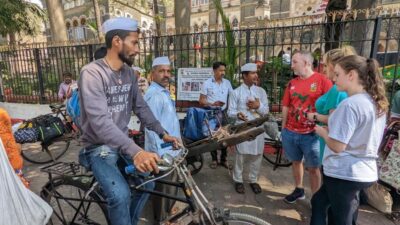

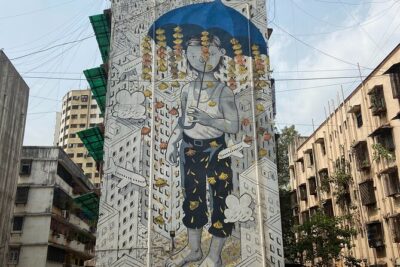
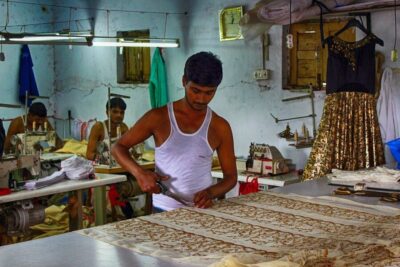
Dharavi Slum Slumdog Millionaire Tour with a Local
Read our review →
Mumbai Slum Tour – Visit Dharavi Slum with Local Guide
Read our review →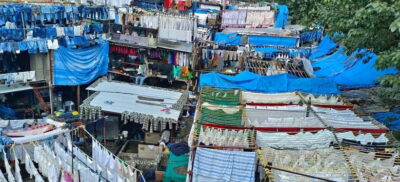
Dhobi Ghat Laundry and Dharavi Slum Tour with Local
Read our review →
Browse the lists this tour appears in