
Reviewed · MUMBAI DHARAVI SLUM TOURS
Mumbai: Dharavi Slum Slumdog Millionaire Tour with a Local
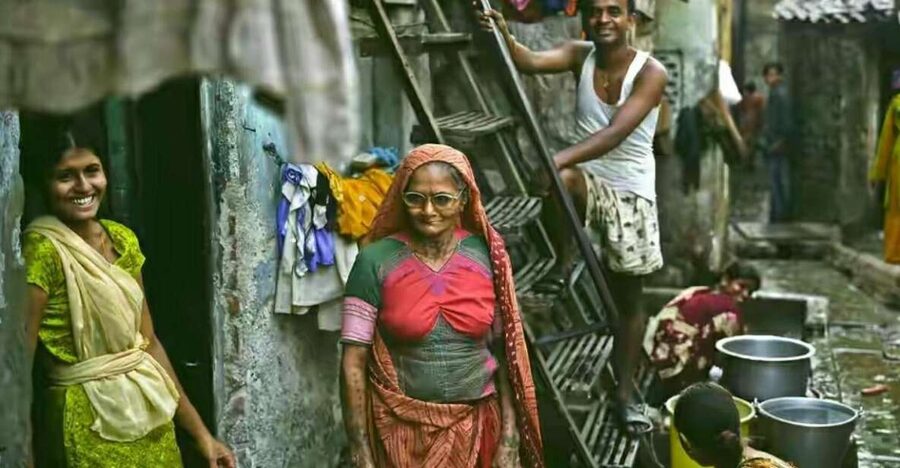
Dharavi is not simply a film location. It is a working neighborhood where pottery, textiles, recycling, soaps, cosmetics, and other small industries share space with homes, schools, and a hospital. This walking tour takes you into that everyday world with a local guide who can explain what you are seeing.
I like the small-group format, which makes the narrow alleys easier to manage and gives you more time to ask questions. I also like the practical help: guides such as Loki, Ganesh, Danesh, Maze, and Alam have helped people navigate buses and trains after the walk.
The main consideration is comfort. Dharavi can be hot, crowded, and physically demanding, and conditions in some work areas are difficult to see. Photography and video are not allowed in most places, so you need to visit with respect rather than expect a photo stop at every corner.
Key points to know before you book
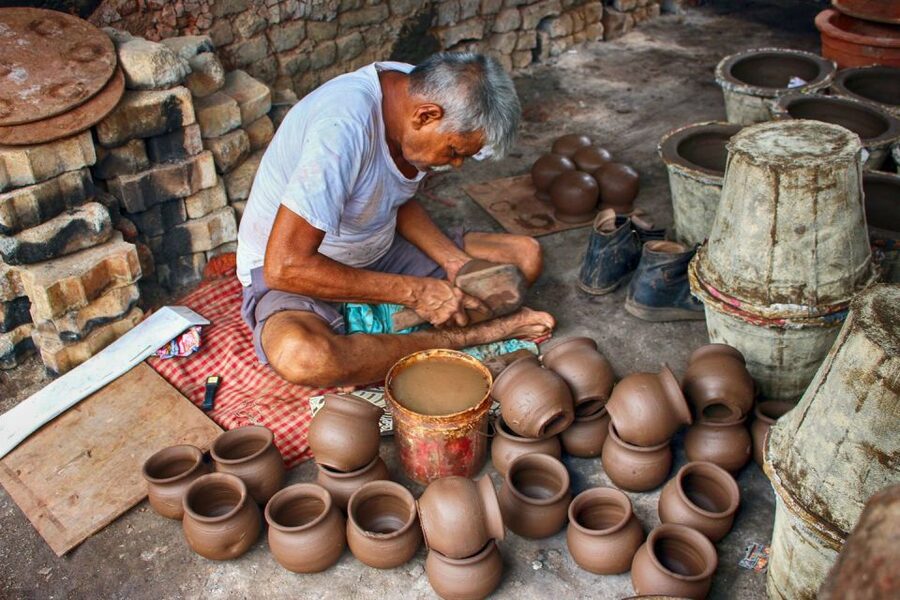
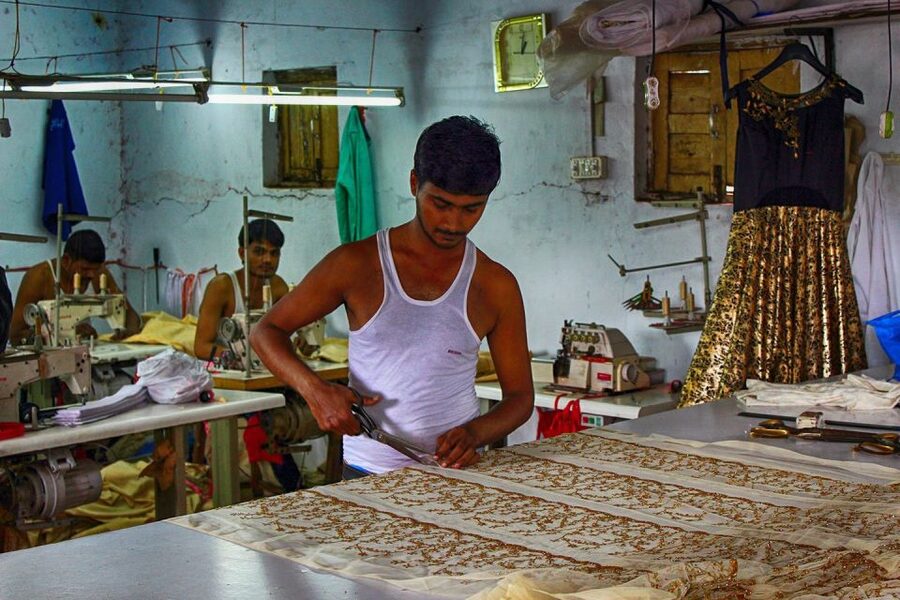
- See working industries, not just residential lanes: The route can include pottery, textiles, handmade products, and recycling operations.
- A local guide changes the experience: Guides such as Loki, Ganesh, Maze, Alam, and Danesh explain how work and daily life fit together.
- Expect a 1.5 to 3-hour walk: The core visit lasts about two hours, with longer options available.
- Small groups help in tight spaces: Private and small-group choices are available.
- Hotel transfers are worth considering: Pickup and drop-off can reduce the stress of reaching Dharavi.
- Photography is restricted: Ask before taking any picture or video, and expect many areas to be off limits.
Entering Dharavi with a local guide
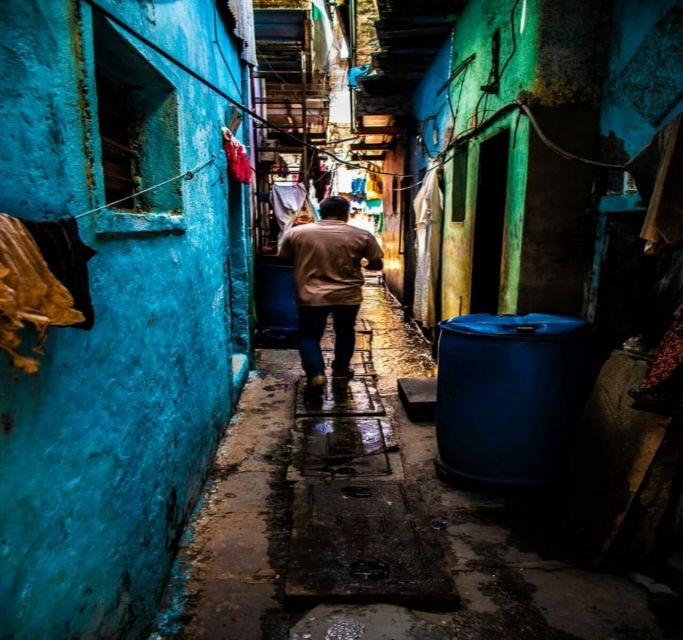
The tour begins at Dharavi, unless you choose an option with hotel pickup and drop-off. Your meeting point depends on the booking option, so check the confirmation carefully before setting out.
Once you meet your guide, the visit becomes a walking tour through narrow lanes and working areas. This is not a sightseeing route built around grand monuments. The interest comes from seeing how people live and work in a tightly packed part of Mumbai, and from having someone explain the details that would otherwise be easy to miss.
A local guide matters here for more than directions. You may see a shop, workshop, recycling area, or family home, but the guide can explain its purpose and place in the local economy. Several guides, including Loki, Ganesh, Maze, Alam, and Danesh, are praised for clear English, humor, safety, and personal knowledge of the area.
Some guides have lived in Dharavi or grew up there. That can give the discussion a personal edge, though the quality of any individual tour depends on who leads your group. If you have a particular interest in industry, education, transport, or community life, ask questions as you walk.
More Dharavi walking tours in Mumbai
- Dharavi slum tour in Mumbai by Female tour guides of the slum
★ 5.0 · 1,976 reviews - Mumbai: Dharavi Slum, DhobiGhat, and Dabbawallas Tour
★ 4.9 · 689 reviews - Dharavi Slum Tour
★ 5.0 · 625 reviews
The small businesses behind the alleys
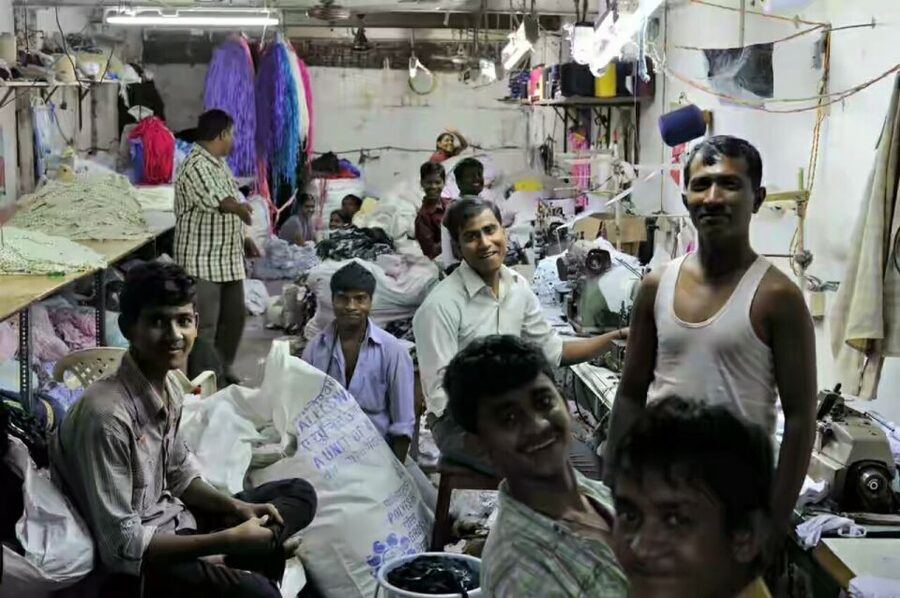
One of the most useful parts of the tour is seeing Dharavi as a place of production. The area contains many small businesses, with work ranging from pottery and textiles to soaps, handmade cosmetics, and recycling.
You might see how several steps in a production chain fit together. A guide can explain where materials come from, how they are processed, and how finished goods move onward. This helps you understand that Dharavi is not only a residential district. It is also a major center of small-scale work that contributes to the wider economy.
The recycling industry is another important stop. You learn how discarded materials are sorted and processed, often in basic working conditions. This is useful context, but it can also be uncomfortable. Heat, cramped spaces, low wages, and difficult conditions are part of the reality, not details to smooth over for sightseeing.
I appreciate that the tour can hold both ideas at once. Dharavi has enterprise, skill, schools, and community life, but it also has poverty and hard labor. A good visit should not turn either side into a simple story.
Pottery, textiles, and the final stop
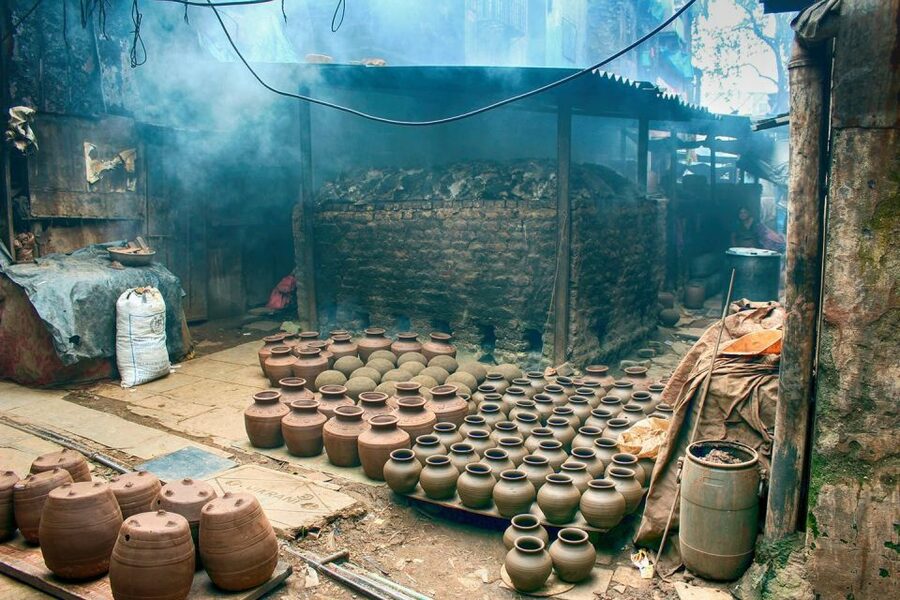
The two-hour route ends at a pottery factory. This gives the tour a clear finish and a chance to ask final questions before leaving the area.
The pottery stop is practical rather than staged as a grand attraction. You can see one of the local trades that helps define Dharavi and talk with your guide about what you have seen. If you want to leave from there, your guide can help you arrange a taxi.
Textiles and handmade goods may appear earlier in the walk. The exact sequence can vary, since the meeting point and route depend on the option booked. Keep that in mind if you are expecting a fixed list of stops in a fixed order.
A few visitors have also been helped with local transport after the tour. Danesh has guided people onto buses and trains, while other guides have helped with the journey back toward central Mumbai. This is especially useful if you are not familiar with the city’s public transport.
A community, not a movie set
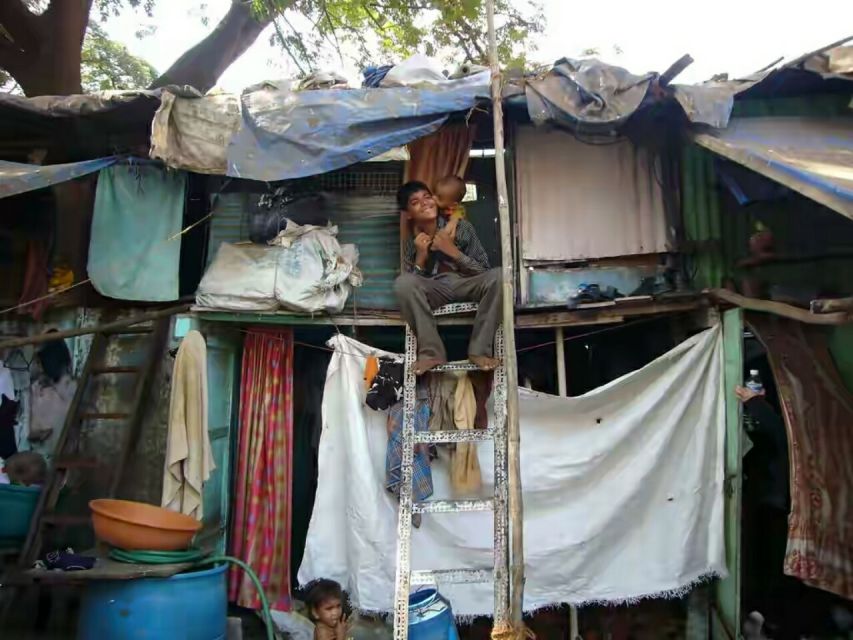
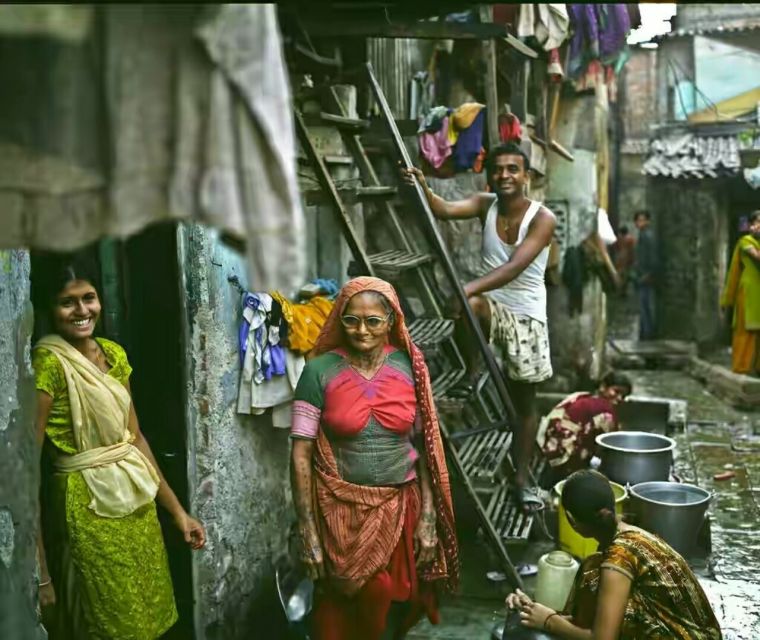
The film Slumdog Millionaire made Dharavi famous around the world, but the movie is only one small part of the area’s public image. The tour is most worthwhile when it moves beyond that association.
You can learn about schools, a hospital, different religious traditions, and the way homes and businesses sit close together. The result is a picture of a full neighborhood, not a blank space defined only by poverty.
That does not mean the visit should hide the hard parts. Some housing and work conditions are severe. You may leave feeling impressed by people’s resourcefulness and troubled by the lack of space, money, or basic comfort. Both reactions are reasonable.
The best approach is to arrive with humility. You are entering a home and workplace, not an open-air museum. Follow your guide’s instructions, do not touch anything without permission, and ask before taking pictures.
A completely different side of the city:
- Mumbai: Full-Day Sightseeing Tour of Mumbai
★ 4.9 · 1,822 reviews - Private Mumbai Sightseeing Tour (Traveller’s Choice Award Winner)
★ 5.0 · 1,565 reviews - Group Guided Walking Tour in Fort and Colaba
★ 5.0 · 1,073 reviews - Mumbai: Elephanta Caves Half-Day Guided Tour with Expert
★ 4.8 · 1,032 reviews
What the small-group format changes
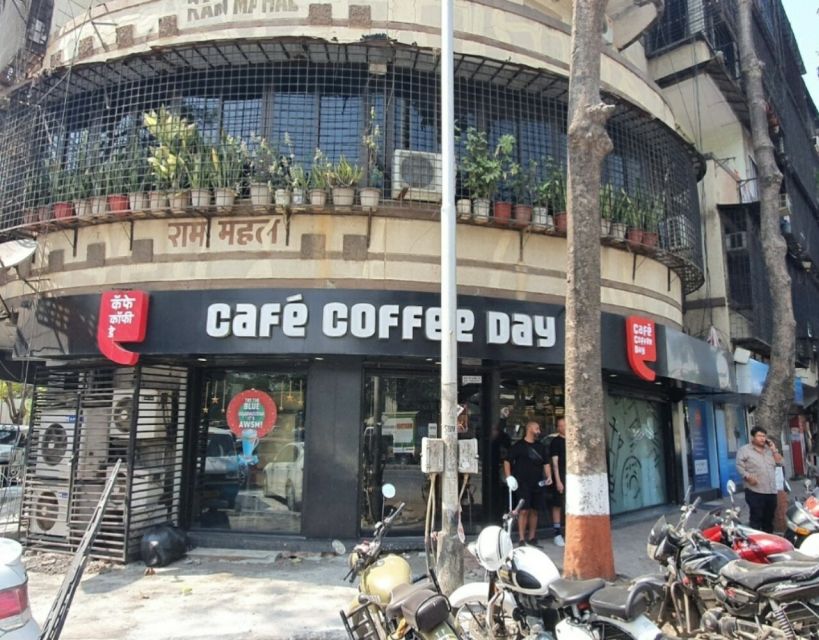
Dharavi’s lanes are narrow, so a large group would be awkward. A private or small-group booking gives you more room to walk and makes it easier to hear the guide.
It also gives you a better chance to ask direct questions. You can stop briefly when something catches your attention, provided the group and local residents are not inconvenienced. Guides have been praised for explaining production chains, local customs, transport, and the difference between public impressions and daily reality.
The private option can be useful if you want a slower pace or have a particular subject in mind. A shared small group usually offers the better price, especially when the tour costs about $10 per person. At that price, the experience offers strong value, as long as you understand that the main attraction is access and explanation, not polished facilities.
Groups may be very small. One person described taking the tour alone, with the guide still making sure the visit felt complete. That can be a benefit if you want personal attention, though group size is not guaranteed.
How much time and effort you need
The advertised duration ranges from 1.5 to 3 hours. The main walk takes about two hours, but the full time can change with transfers, group size, and optional additions.
You need comfortable shoes. The route is on foot through narrow alleys, and the conditions can be hot. Sunglasses, a sun hat, and long pants are recommended. The tour runs in rain or shine, so check the forecast and dress for the day.
This is not a good choice for people with mobility impairments, heart problems, or pregnancy. The supplied information also warns that the tour may not suit anyone who cannot manage a physically active walk in crowded surroundings.
Bring water, although bottled water is included. Tips are optional and not included in the ticket price. Meals and drinks are not included unless you add the vegetarian meal with a local family.
The optional meal with a local family
You can add a vegetarian meal in a local family’s home after the walking tour. It gives you a reason to stay longer and offers a quieter setting for conversation after the route.
The meal is optional, so you can keep the visit to the main walk if your schedule is tight. It is also a useful choice if you want more time in Dharavi without arranging a separate restaurant stop.
Do not book this add-on expecting a restaurant-style service. The value is in sharing a home meal and continuing the cultural exchange. The supplied details identify it as vegetarian, but they do not specify the dishes or menu, so ask your guide if you have dietary concerns.
Getting there and getting back
You can meet the guide in Dharavi or select the option with hotel pickup and drop-off. Hotel transfers cost more than simply meeting at the site, but they may be worthwhile if this is your first visit to Mumbai or you are staying far from Dharavi.
The exact meeting point varies by option. Read the booking details closely and allow enough time to reach it. If you choose the walk-only option, the guide can help you get a taxi at the pottery factory at the end.
Transport help is one of the less obvious strengths of this experience. Several guides have assisted with local buses, taxis, and trains, including helping people find the right route back downtown or toward the south side of Mumbai. That does not replace a dedicated transport service, but it can remove a lot of uncertainty.
Respect, privacy, and photography

Photography and video are not permitted in most parts of the tour. Ask your guide every time you are unsure, and be ready to put your phone away for much of the walk.
This restriction is important. People are working, studying, cooking, and living in the area. A respectful visit means not treating residents as scenery or turning difficult conditions into quick social media images.
The tour can still be visually and intellectually memorable without photographs. Pay attention to the layout of the lanes, the movement of materials, the mix of homes and workshops, and the guide’s explanation of how the neighborhood works.
Is the $10 price good value?
At about $10 per person, the tour is inexpensive for a guided experience in Mumbai. The English-speaking guide, bottled water, and roughly two hours of local interpretation make it a strong value for most visitors.
The price does not buy comfort or a polished attraction. You are paying for access, context, and a local escort through a place that would be hard to understand on your own. Hotel transfers and the family meal are separate choices, so the final cost can be higher.
I would choose the transfer option if you are nervous about finding Dharavi. I would choose the meal if you want a longer cultural visit. If your priority is simply to see the neighborhood and learn how its industries work, the basic walk is enough.
Free cancellation up to 24 hours before the tour and the reserve-now, pay-later option add flexibility. Starting times depend on availability.
Who should book this Dharavi tour?
I would recommend it to curious visitors who want a more grounded view of Mumbai and are prepared for an active, sometimes confronting walk. It suits people interested in local business, recycling, urban life, community organization, and the difference between a film image and daily reality.
Families can take part, but parents should decide if their children are ready for crowded lanes and difficult working conditions. One family completed the visit with an eight-year-old child, but that does not mean every child will find it comfortable.
I would not choose this tour if you want a relaxed sightseeing morning, a photo-heavy experience, or an easy route with plenty of personal space. The heat, tight alleys, and poverty can be challenging.
Should you book it?
Book this tour if you want to understand Dharavi through its people, trades, and daily routines rather than simply look at it from outside. The strongest guides, including Loki, Ganesh, Maze, Alam, and Danesh, add real value by explaining local work and helping with transport.
Choose a small group or private option if you want more time for questions. Add hotel transfers if reaching Dharavi feels stressful, and consider the vegetarian family meal if you want a longer visit. Go with comfortable shoes, modest clothing, patience, and no expectation of unrestricted photography.
For about $10, this is a thoughtful use of a few hours in Mumbai. It may not be an easy tour, but it can give you a more honest understanding of a complex neighborhood.
FAQ
How long does the Dharavi tour last?
The tour lasts between 1.5 and 3 hours, depending on the option you book. The main walking tour takes about two hours.
What language does the guide speak?
The live tour is conducted in English by a local English-speaking guide.
Is hotel pickup and drop-off included?
Hotel pickup and drop-off are included only if you select that option when booking.
Can I book a private tour?
Yes. Private and small-group options are available.
What will I see during the walk?
You can see narrow residential lanes, small businesses, pottery, textiles, handmade soaps and cosmetics, recycling work, schools, and other parts of community life.
Does the tour include a meal?
Meals and drinks are not included in the basic tour. You can add a vegetarian meal in a local family’s home.
Can I take photographs?
Photography and videography are not permitted in most places on the tour. Ask your guide before taking any pictures or videos.
What should I wear and bring?
Wear comfortable shoes and long pants. Sunglasses and a sun hat are recommended. Bottled water is included.
Does the tour operate in bad weather?
Yes. The tour takes place in rain or shine.
Who should avoid this tour?
The tour is not suitable for pregnant women, people with mobility impairments, or people with heart problems.
Recently added around Mumbai
- Private Walking Tour in Dharavi Slums★ 5.0 · 7 reviews
- Mumbai Sightseeing Tour★ 5.0 · 11 reviews
- Private Mumbai 2-Day Tour Package:City + Slum & Elephanta Island.★ 5.0 · 3 reviews
- Vegetarian Indian Cuisine Virtual Cooking Class Experience from Mumbai★ 5.0 · 4 reviews
- Mumbai by Night Guided Tour★ 5.0 · 6 reviews
- Transfer from Mumbai Airport to Hotel★ 4.0 · 7 reviews
- Full-Day Agra Tour with Taj Mahal From Mumbai By Air★ 5.0 · 8 reviews
- Taj Mahal Day Trip Including Same Day Flights from Mumbai★ 5.0 · 3 reviews
Mumbai Dharavi Slum Tours, compared.
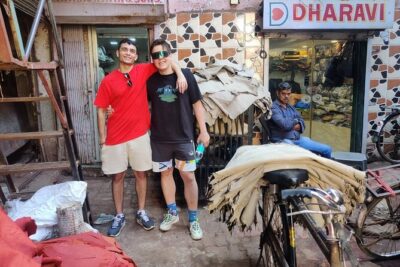
Dharavi slum tour in Mumbai by Female tour guides of the slum
Read our review →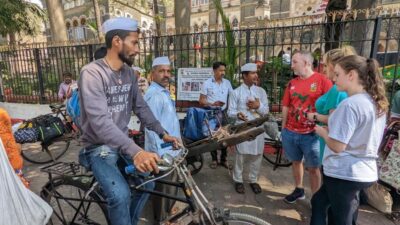
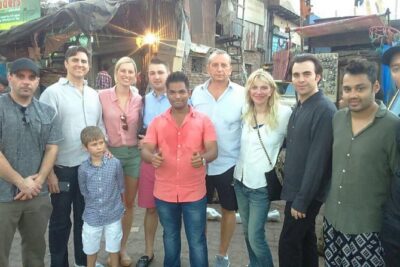

Mumbai Slum Tour – Visit Dharavi Slum with Local Guide
Read our review →
Dhobi Ghat Laundry and Dharavi Slum Tour with Local
Read our review →

Private Full-Day Mumbai Sightseeing Tour with Dharavi Slums
Read our review →Browse the lists this tour appears in