
Reviewed · MUMBAI DHARAVI SLUM TOURS
Mumbai: Private Sightseeing Tour and Slum Tour with Pickup
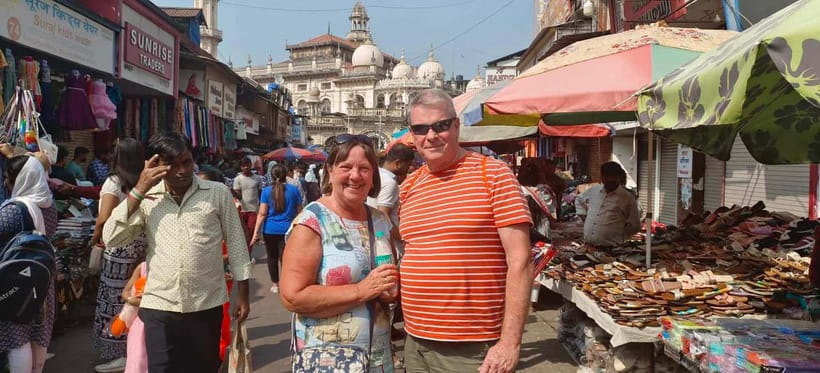
Mumbai makes a strong first impression here because the tour connects the city’s grand colonial buildings, busy markets, working laundry yards, and Dharavi in one private outing. You move by air-conditioned car, which matters in a huge city where traffic and heat can quickly drain your energy. I like the easy hotel, airport, or cruise-port pickup, and I like that a local guide such as Zeeshan or Aklama can explain what you are seeing rather than simply point at it.
The main thing to consider is the wide four to six-and-a-half-hour duration. Mumbai traffic, your pickup point, and the number of stops can affect how much time you have at each place. The Dharavi visit also requires an open mind. This is not a poverty spectacle, and the tour makes a clear effort to move past the movie stereotype created by Slumdog Millionaire.
Key points at a glance
- Dharavi with context: See a working part of Mumbai without treating its residents as a sideshow.
- Private car and guide: Travel at your own pace with English-language help and no shared group to wait for.
- Major sights in one route: Cover the Gateway of India, Taj Mahal Hotel, Marine Drive, Gandhi House, Dhobi Ghat, and Crawford Market.
- UNESCO and heritage stops: See Victory Terminus, Mumbai University, Rajabhai Clock Tower, and other historic buildings from inside and outside the city center.
- Useful for short stays: Hotel, airport, and cruise-port pickup make this a practical first look at Mumbai.
- Strong guide personality: Zeeshan is described as warm, funny, and rooted in Mumbai, while Aklama is praised for making the day lively and informative.
Why this private Mumbai tour works well
Mumbai is too large to understand from one monument or one market. A good introduction needs contrasts. This tour gives you the grand ceremonial Mumbai around the Gateway of India, the wealthy and historic city along Marine Drive, and the everyday working city represented by Dhobi Ghat and Dharavi.
I especially like the private format for a first visit. You are not tied to a meeting point, and you can start from a hotel lobby, airport, or cruise ship port. The driver handles parking and tolls, while your guide supplies the explanations. That combination lets you spend your attention on the city instead of on route planning.
The price is another major strength. At about $20 per person, the tour is unusually good value if the quoted rate applies to your booking. It includes private transport, a guide, entrance fees, parking, tolls, and return transfer. Prices can vary by date or booking conditions, so check the current amount before paying, but the included items make this more than a simple driving tour.
More Dharavi walking tours in Mumbai
- Dharavi slum tour in Mumbai by Female tour guides of the slum
★ 5.0 · 1,976 reviews - Mumbai: Dharavi Slum, DhobiGhat, and Dabbawallas Tour
★ 4.9 · 689 reviews - Dharavi Slum Tour
★ 5.0 · 625 reviews
From the Gateway of India to the Taj Mahal Hotel
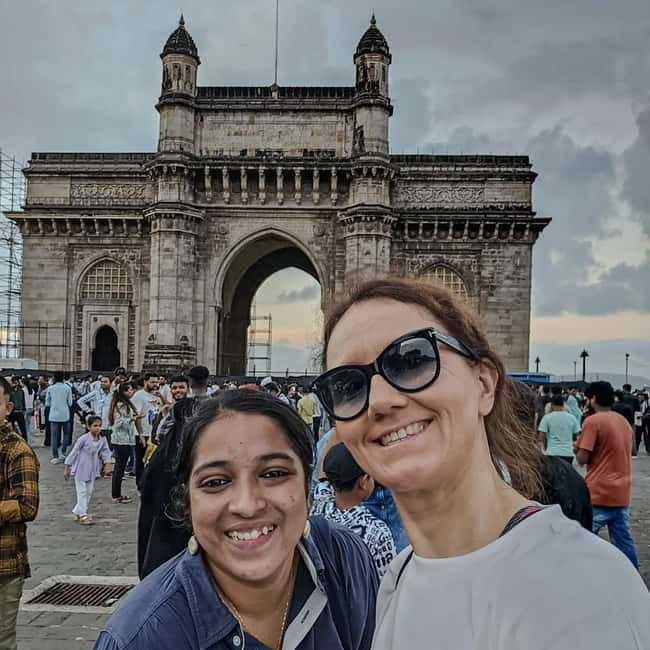
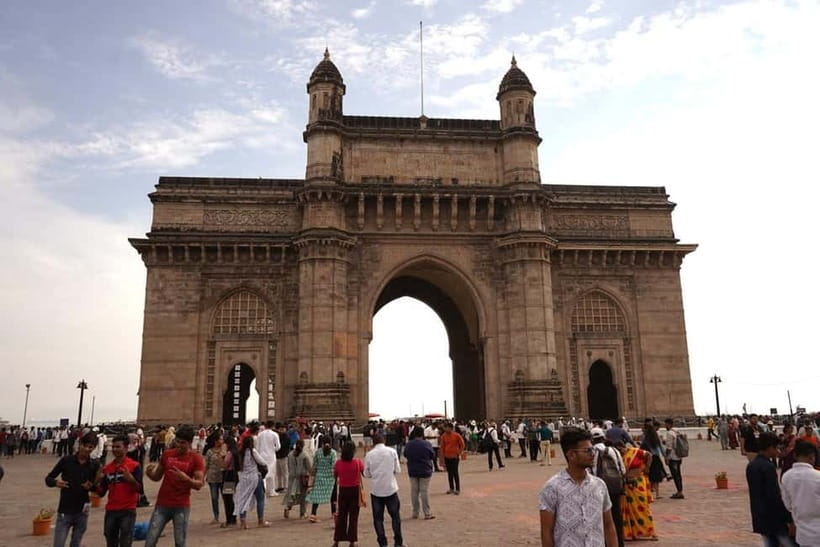
The Gateway of India is the natural opening scene for Mumbai. It is one of the city’s best-known landmarks, facing the harbor and linked closely with the city’s colonial-era story. Nearby, the Taj Mahal Hotel gives you another instantly recognizable piece of Mumbai, with its grand frontage and long connection to the city’s public life.
These first stops are useful because they give you a visual anchor. You can see why Mumbai became such an important port and why this waterfront remains a symbol of the city. Your guide can add the historical setting, which is more helpful than taking a few photographs and moving on.
Do not expect a long museum visit at every stop. The schedule covers a large area, so some sights may be viewed from outside or during a short stop. If you want a slow, detailed look at every building, this itinerary will feel busy. If you want a broad first picture of Mumbai, the pace makes sense.
Marine Drive and the city’s changing face
Marine Drive offers a different view of Mumbai. The broad road and seafront curve show the city as a place of movement, wealth, recreation, and high-density urban life. It is also a useful reminder that Mumbai is not one single experience. The grand waterfront, dense neighborhoods, historic buildings, and industrial districts all sit close together.
The drive past heritage buildings adds context without requiring you to visit every one. You will see how different architectural periods share the same city center. A guide can help you notice details that disappear when you are focused only on traffic and navigation.
The drawback is simple: Mumbai roads can be slow. A private car gives you comfort and flexibility, but it cannot remove congestion. Think of traffic time as part of the tour rather than wasted time. From the car, you get a moving view of the city’s streets, signs, buildings, and daily routines.
Gandhi House and the story behind the city

The stop at Mahatma Gandhi House brings a more personal and political layer to the day. Gandhi’s connection to Mumbai gives the tour a chance to explain India through people and events, not just architecture.
This is the sort of stop where the guide matters most. Zeeshan is praised for telling Mumbai and Indian history in an entertaining way, and that style can make a short visit more useful. You are not simply collecting famous locations. You are getting a thread that links the city’s past to the places around you.
Because the tour covers many points, ask your guide questions as you go. A private group makes this easier than a large coach tour. You can ask for more explanation at a favorite stop or keep moving when a site interests you less.
More city sightseeing tours in Mumbai
- Mumbai: Full-Day Sightseeing Tour of Mumbai
★ 4.9 · 1,822 reviews - Private Mumbai Sightseeing Tour (Traveller’s Choice Award Winner)
★ 5.0 · 1,565 reviews - Highlights of Mumbai Sightseeing Tour: TRAVELLERS CHOICE AWARDED
★ 5.0 · 915 reviews - Highlights of South Mumbai Guided Private Tour in AC Vehicle
★ 5.0 · 620 reviews
Dhobi Ghat, where laundry becomes city infrastructure
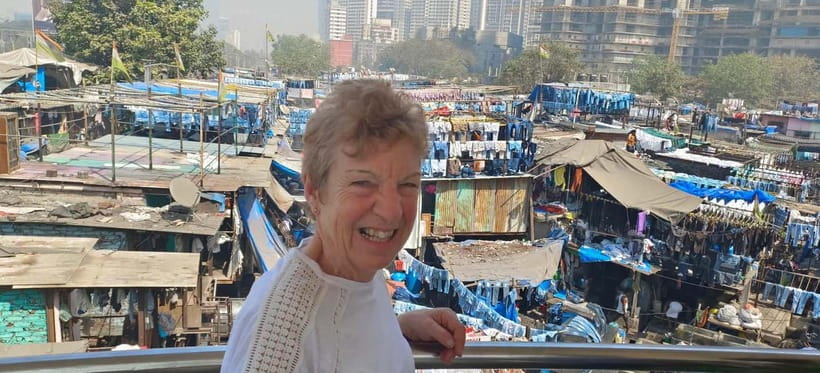
Dhobi Ghat is one of Mumbai’s most distinctive working sights. It is a large laundry area known for its rows of washing spaces and the people who handle clothes for the city. The visit shows an organized form of urban labor that most visitors would never find on their own.
The value here is not just visual. Dhobi Ghat helps you see how Mumbai functions behind its famous buildings and shopping streets. It turns an ordinary service into a window on the city’s economy and social structure.
Be respectful with photography and follow your guide’s advice. This is a workplace, not a staged attraction. A private guide can help you understand what you are seeing without turning the people who work there into background decoration.
Crawford Market and everyday Mumbai

Crawford Market brings you closer to the city’s commercial rhythm. It is included as a local sightseeing stop rather than a polished tourist-only attraction. Markets are often where you begin to understand what a city eats, sells, and values.
You may find the market energetic and crowded, especially compared with the quieter feel of a monument or garden. That is part of its usefulness, but it also means the stop may feel less relaxed. Keep your belongings secure and stay close to your guide if the area becomes difficult to navigate.
The visit works best when you treat it as a short look at urban life, not as a promise of an extended shopping session. The tour’s purpose is to connect several sides of Mumbai in one day.
UNESCO sites and Mumbai’s heritage buildings

The historic section includes Victory Terminus train station, Mumbai University, Rajabhai Clock Tower, and other heritage buildings. These sites show the scale and ambition of old Mumbai, where railways, education, commerce, and government helped shape the modern city.
Victory Terminus is especially useful for understanding Mumbai’s role as a major transport center. Mumbai University and Rajabhai Clock Tower add a more formal, institutional side to the route. The buildings are not isolated museum pieces. They remain part of the city people use and pass every day.
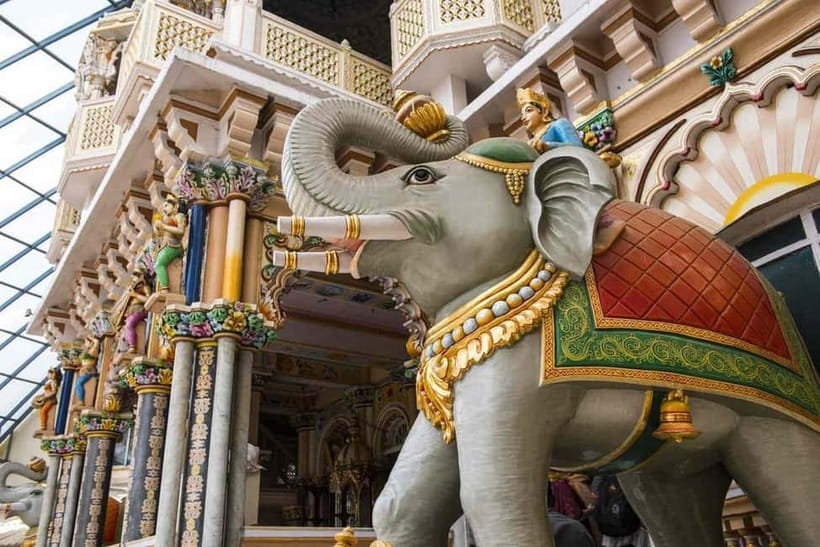
The tour also includes a temple, Banganga Tank, Hanging Garden, and a view of the 2 Billion Dollar House. These stops widen the picture again. You move from formal colonial architecture to religious and residential landmarks, from old water infrastructure to modern wealth.
Not every stop will receive equal time. That is the tradeoff for seeing so much in four to six-and-a-half hours. If one site matters greatly to you, tell your guide early and ask how much time the schedule allows.
Banganga Tank, Hanging Garden, and the unexpected contrasts
Banganga Tank gives you a look at an older religious setting within a modern megacity. Its inclusion helps balance the better-known waterfront and colonial sights. Hanging Garden adds another change of pace, with a more open setting above the dense city.
The 2 Billion Dollar House provides a sharp contrast. Mumbai places extreme wealth and working neighborhoods in close proximity, and this stop makes that contrast hard to miss. It is worth seeing as part of the city’s economic story, though some people may find the focus on private wealth less meaningful than the historic sites.
These stops are strongest when your guide connects them. On their own, they can feel like a string of unrelated photo opportunities. With context, they become part of a larger picture of how Mumbai developed and how different communities share limited urban space.
Dharavi beyond the movie stereotype
Dharavi is the most sensitive and potentially most valuable part of the tour. The area became famous internationally through Slumdog Millionaire, but the tour directly rejects the idea that Dharavi should be presented as a place of extreme poverty for outside entertainment.
That distinction matters. Dharavi is a working community, and the visit aims to show its businesses, activity, and social character rather than reduce it to hardship. You should arrive ready to listen and observe. The purpose is to gain a more accurate view of Mumbai, not to hunt for dramatic photographs.
The guide’s role is essential here. Aklama is praised for explaining both the slum area and the monuments, while the tour’s approach makes clear that Dharavi is more complex than a film location. You can expect the stop to challenge your assumptions, especially if your image of the area comes mainly from the movie.
You should also understand the ethical tension. Any visit to a low-income neighborhood can feel uncomfortable if handled poorly. This tour’s stated aim is to break stereotypes, but your own behavior still matters. Be discreet, avoid intrusive photographs, and listen to local explanations.
For me, this is the part that separates the outing from a standard city highlights drive. The Gateway and Marine Drive are essential Mumbai images, but Dharavi asks you to think about how the city works for people whose lives are rarely included in the postcard version.
Guides, drivers, and the private format
The guide can make or break a fast city tour. The named guides connected with this experience include Zeeshan and Aklama, also written as Alkama in one account. Zeeshan is described as funny, friendly, and deeply connected to Mumbai. Aklama is praised for his character, clear explanations, and ability to keep the day enjoyable.
Those details matter because the itinerary is dense. You need someone who can explain a monument in a few minutes, answer questions, and keep the route moving. The guide speaks English, and the tour is private, so you have more room to ask for clarification than you would in a large group.
The driver is another important part of the day. Waseem is specifically praised for safe driving. Mumbai traffic can be demanding, and having a driver who knows the city lets you focus on the sights instead of the road.
The private car is comfortable and practical, but it does not make Mumbai feel quiet. You will still encounter noise, traffic, crowds, and sudden changes in pace. That is not a fault in the vehicle. It is simply the reality of seeing a major Indian city in a short time.
Timing, pickup, and value at about $20
The stated duration ranges from four to six-and-a-half hours. That is a useful amount of time for a first orientation, especially if you have a short stay or a long airport or cruise stop. Pickup is available from a hotel, airport, or cruise ship port, followed by drop-off, so you do not need to spend time reaching a meeting place.
The flexible duration also means you should avoid planning a tight connection immediately afterward. Traffic and the number of stops can change the finish time. Check the available starting times and give accurate pickup details, especially if you are meeting the guide at an airport or port.
At $20 per person, the included extras give this tour strong practical value. You are not separately paying for a taxi, parking, tolls, or the listed entrance fees. The exact value is highest for first-time visitors who want many sights in one outing and do not want to arrange transport themselves.
The tradeoff is depth. You see a lot, but you may not spend long inside each place. I would choose this tour for coverage and local explanation, not for a slow study of one museum or monument.
Who should book this Mumbai experience?
I would recommend it to a first-time Mumbai visitor, a cruise passenger, a person with a short stopover, or anyone who wants a private introduction without arranging several taxis. It also suits people who prefer a local guide’s explanation to an audio guide or a self-planned route.
Families and small groups may appreciate the private car and hotel pickup. The format lets you stay together and avoid meeting strangers at a central location. Independent visitors who like to ask questions will also get more from the private setup.
I would hesitate if you dislike busy schedules, traffic, or sensitive social subjects. Dharavi is not a comfortable sightseeing stop in the usual sense, and the city itself can be intense. If you want a calm day with long visits at a few major monuments, choose a narrower private itinerary instead.
FAQ
How long does the Mumbai private tour last?
The stated duration is between four and six-and-a-half hours. Starting times are available according to the date you choose.
Where can pickup and drop-off take place?
Pickup and drop-off are available from your hotel, airport, or cruise ship port. You should wait in your hotel lobby when using hotel pickup and contact the provider as needed.
Is the tour private?
Yes. The experience uses a private group format with a private air-conditioned car and an English-speaking local guide.
Which Mumbai sights are included?
The route includes the Gateway of India, Taj Mahal Hotel, Marine Drive, Mahatma Gandhi House, Dhobi Ghat, Crawford Market, Dharavi, Victory Terminus, Mumbai University, Rajabhai Clock Tower, Banganga Tank, Hanging Garden, a temple, and the 2 Billion Dollar House.
Are entrance fees, parking, and tolls included?
Yes. The stated inclusions cover entrance and entry ticket fees, parking, and toll fees.
Can I cancel or pay later?
You can cancel up to 24 hours in advance for a full refund. A reserve-now, pay-later option is also available.
Should you book it?
Book this tour if you want a broad, practical introduction to Mumbai rather than a slow visit to one or two sights. The private car, flexible pickup, English-speaking guide, and low listed price make it a strong choice for a first day in the city.
The best reason to choose it is the mix. You get the Gateway, Marine Drive, UNESCO-listed heritage sights, a working laundry district, local markets, and Dharavi in one route. Just allow for traffic, accept that some stops will be brief, and approach Dharavi with respect. If that balance suits you, this is an efficient and unusually thoughtful way to get your bearings in Mumbai.
Recently added around Mumbai
- Private Walking Tour in Dharavi Slums★ 5.0 · 7 reviews
- Mumbai Sightseeing Tour★ 5.0 · 11 reviews
- Private Mumbai 2-Day Tour Package:City + Slum & Elephanta Island.★ 5.0 · 3 reviews
- Vegetarian Indian Cuisine Virtual Cooking Class Experience from Mumbai★ 5.0 · 4 reviews
- Mumbai by Night Guided Tour★ 5.0 · 6 reviews
- Transfer from Mumbai Airport to Hotel★ 4.0 · 7 reviews
- Full-Day Agra Tour with Taj Mahal From Mumbai By Air★ 5.0 · 8 reviews
- Taj Mahal Day Trip Including Same Day Flights from Mumbai★ 5.0 · 3 reviews
Mumbai Dharavi Slum Tours, compared.

Dharavi slum tour in Mumbai by Female tour guides of the slum
Read our review →

Dharavi Slum Slumdog Millionaire Tour with a Local
Read our review →
Mumbai Slum Tour – Visit Dharavi Slum with Local Guide
Read our review →
Dhobi Ghat Laundry and Dharavi Slum Tour with Local
Read our review →
Browse the lists this tour appears in