

Reviewed · MUMBAI DHARAVI SLUM TOURS
Mumbai: Dhobi Ghat & Dharavi Slum tour
Mumbai’s Dhobi Ghat and Dharavi tour takes you into two places that reveal how much of the city runs on skilled hands and hard work. In Dharavi, you see workshops, small factories, family life, and the pottery community of Kumbharwada. At Dhobi Ghat, rows of laundry turn washing clothes into a carefully organized public spectacle.
I like the local guides from Dharavi, who can explain the area with personal knowledge rather than a rehearsed city-tour script. I also like the short train ride to Mahalaxmi, since it connects the two visits in a way that feels more like Mumbai than a private vehicle would.
The main caution is timing. One booking ended after only 90 minutes instead of the planned three hours, and Kumbharwada was missed because a bridge had collapsed. You should treat the advertised route as the plan, not an absolute guarantee.
Key points at a glance
- Dharavi takes about two hours: Walk through industrial and residential areas while learning about work, family life, and local challenges.
- Kumbharwada is part of the planned route: This traditional potter’s community adds a craft focus, though access can change.
- The local train is part of the experience: Your ticket to Mahalaxmi is included, and the ride takes about 30 minutes.
- Dhobi Ghat is a brief viewing stop: Expect about 15 minutes at the viewing deck, with entry included.
- Guides speak English and Hindi: Sajid and Jay are named guides associated with especially warm, informative experiences.
- The price is modest: At $13 per person, the tour offers a lot for the money, though hotel transfers are not included.
Why Dharavi gives this tour its purpose
Many city tours show you grand buildings, old monuments, and polished shopping streets. This one turns your attention to the people and small businesses that keep Mumbai moving.
Dharavi is described as Asia’s largest slum and is home to more than a million people. That label only tells you part of the story. Inside its narrow lanes, you see a working neighborhood with manufacturing, recycling, family homes, workshops, and long-established trades.
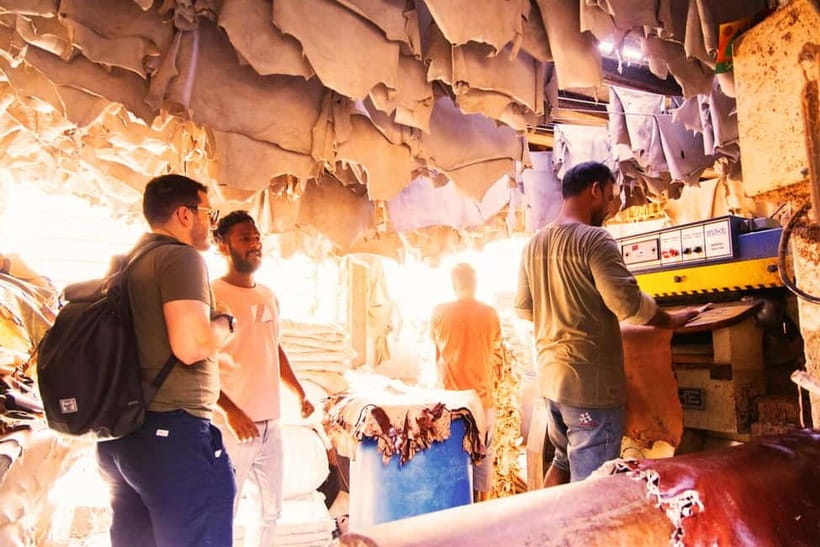
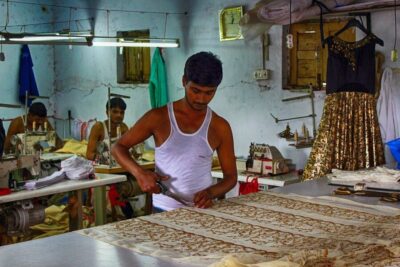
The tour begins in Dharavi’s industrial area. You might see small factories and workshops operating close together, with tools, materials, and finished goods sharing tight spaces. The point is not simply to look at poverty. It is to understand how people earn a living, build businesses, and support one another in a dense part of Mumbai.
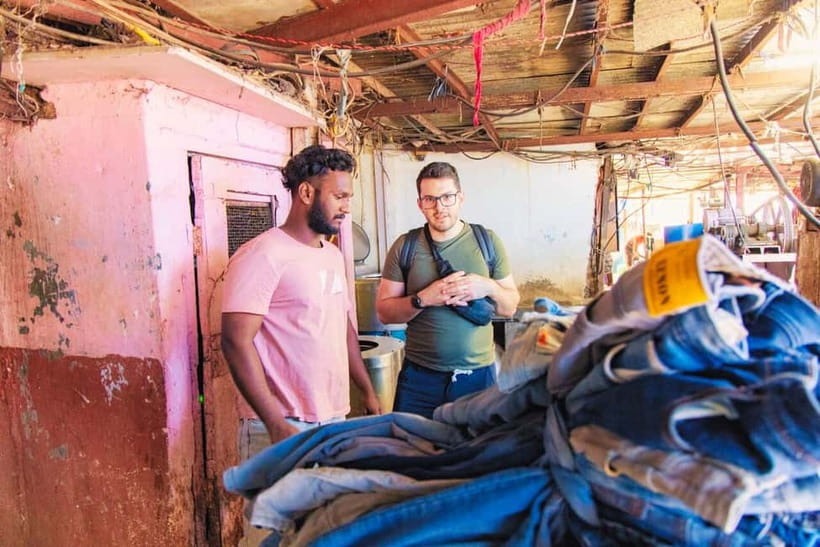
That difference matters. A careless tour can turn hardship into a backdrop for photographs. This experience is designed around explanation and contact, with small groups and guides who come from Dharavi itself. You are encouraged to listen, ask sensible questions, and keep your camera use respectful.
The visit then moves toward the residential side. Here, the focus shifts from production to everyday life. You hear about family traditions, daily routines, and the problems people face. The guide helps connect the lanes and workshops to the wider city, showing that Dharavi is not a place separate from Mumbai’s economy. It is one of the places that helps power it.
More Dhobi Ghat tours in Mumbai
- Mumbai: Dhobi Ghat Laundry and Dharavi Slum Tour with Local
★ 5.0 · 469 reviews - Mumbai: Dharavi Slum and Dhobi Ghat Laundry Tour
★ 5.0 · 317 reviews - Private Combo Tours Sightseeing + Dharavi Slum + Dhobi Ghat & Dabbawalas
★ 5.0 · 245 reviews
A two-hour walk through work and home life
The Dharavi portion lasts about two hours, so comfortable walking shoes are a sensible choice. You will be on foot through active lanes rather than following a quick roadside lookout, and the value of the visit comes from the time spent listening and observing.
Small groups should make conversation easier. The guides are described as fluent in English and are also available in Hindi. Sajid, praised for his professional and detailed explanations, is a particularly useful name to know when comparing guide-led options. Jay is another named guide associated with a warm and informative experience.
The quality of this section depends heavily on the guide. A good guide can explain what you are seeing without reducing residents to a spectacle. Sajid’s approach, as described through the experience, included showing each part of the area and explaining it carefully. That is the right tone for a visit like this.
You should also keep your expectations realistic. Dharavi is a living neighborhood, not a museum arranged for sightseeing. Paths may be tight, conditions may change, and some parts of the route may be unavailable. The tour is best approached as a guided walk through a working community, not as a list of guaranteed photo stops.
Kumbharwada and the pottery tradition
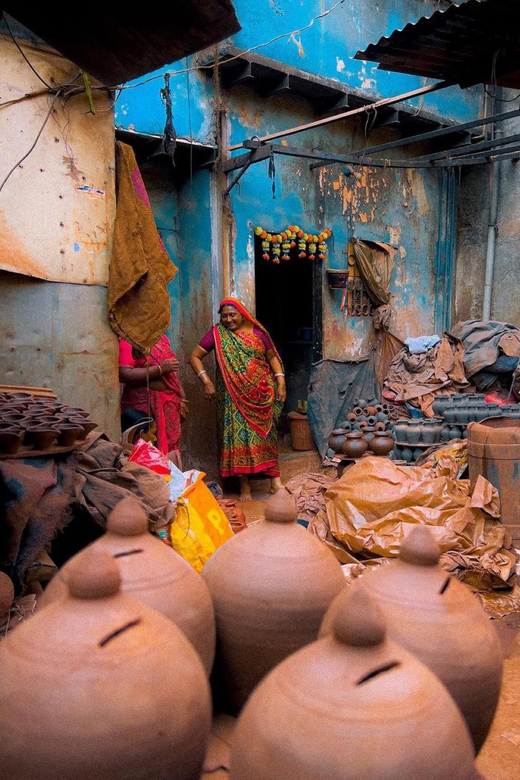
Kumbharwada is one of the tour’s three named highlights. It is a potter’s community, giving the Dharavi walk a clear connection to traditional craft.
A visit here can add useful balance to the industrial section. You see not only modern small-scale production but also a community built around pottery and practical hand skills. For anyone interested in craft, neighborhood businesses, or how work is passed through families, this may be one of the most rewarding parts of the route.
There is an important qualification. One visitor could not see the pottery area because a bridge had collapsed. That incident shows why you should not book this tour expecting every lane or stop to be certain on the day. The guide may need to adjust the route for safety or access.
That is a drawback, but it is also a reminder that this is a real neighborhood. Infrastructure problems can affect the walk. If Kumbharwada is your main reason for booking, ask about current access when you meet the guide.
The local train to Mahalaxmi
After Dharavi, you ride a local train to Mahalaxmi station. The journey takes about 30 minutes, and the ticket is included in the $13 price.
This transfer is more than a way to fill the gap between two sights. It lets you move through Mumbai using an ordinary part of city life rather than staying inside a private vehicle. You get a small taste of the city’s public transport system and see how the two halves of the tour fit together geographically.
The train portion also gives the schedule a natural change of pace. After two hours walking through Dharavi, you have a short period to sit, look out, and take in the city before reaching Dhobi Ghat.
Still, this is public transport. You should expect a shared local train ride rather than a private, quiet transfer. The activity information does not promise a reserved seat or a particular carriage, so the practical attitude is simple: follow the guide, keep your ticket safe, and stay with the group.
More Dharavi walking tours in Mumbai
- Dharavi slum tour in Mumbai by Female tour guides of the slum
★ 5.0 · 1,976 reviews - Mumbai: Dharavi Slum, DhobiGhat, and Dabbawallas Tour
★ 4.9 · 689 reviews - Dharavi Slum Tour
★ 5.0 · 625 reviews - Dharavi Slum tour in Mumbai by local resident
★ 5.0 · 572 reviews
Dhobi Ghat from the viewing deck
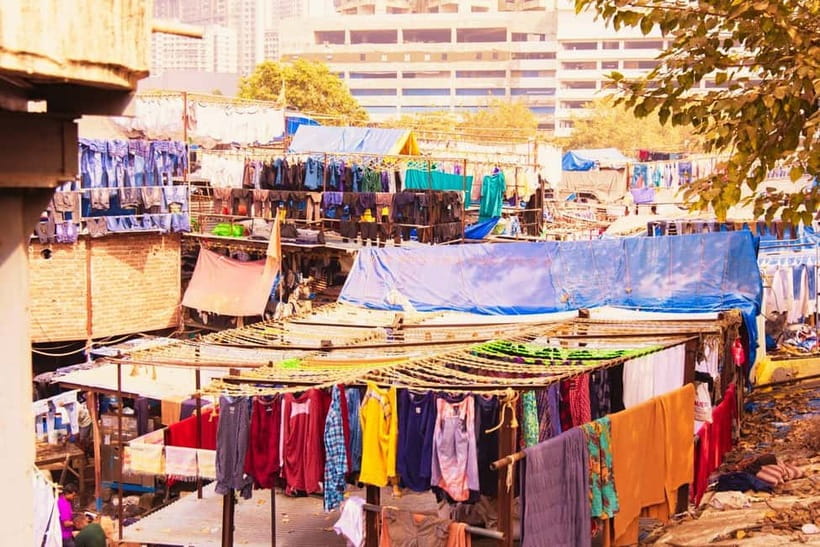
The final stop is Dhobi Ghat, the famous open-air laundry near Mahalaxmi. The visit is listed as a 15-minute photo stop at the Dhobi Ghat viewing deck, with entry included.
From above, you can see rows of washing areas and lines of colorful clothes. The sight is striking because laundry is being handled by hand on a very large scale. What might be an ordinary household chore becomes a coordinated city service, with workers washing, sorting, and drying clothes in an open setting.
You should keep the timing in mind. This is not a long guided walk through every part of the laundry. It is a short stop designed for viewing and photographs, followed by the end of the tour at the deck.
That makes the sequence work well. Dharavi supplies the longer, more detailed conversation about people and work. Dhobi Ghat provides a concise visual finish. If you want an extended visit inside the laundry area, this tour may feel brief, but if you want to see the site as part of a wider Mumbai experience, 15 minutes is enough to understand its scale.
What the $13 price really covers
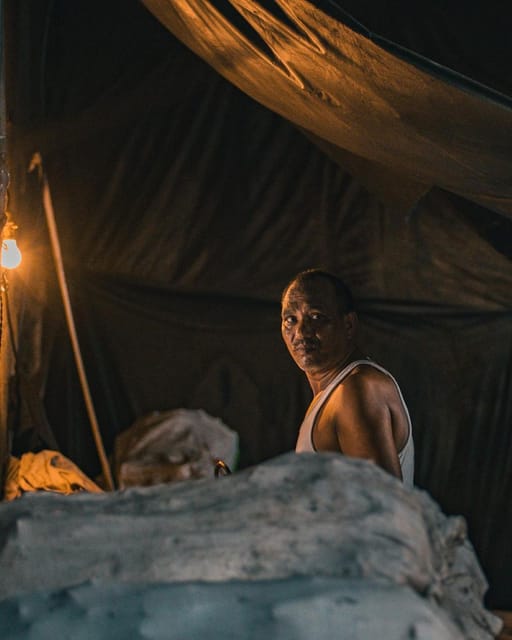
At $13 per person, this is a strong-value half-day activity, especially because the fee includes the train ticket, Dhobi Ghat entry, and a packaged bottle of water.
The main value comes from the guide. Without local explanation, Dharavi’s lanes and workshops could be difficult to interpret. The guide gives the places meaning and helps you understand the difference between an industrial area, a residential lane, and a craft community.
The train ticket and entry fee remove two small costs that can otherwise complicate a short outing. You are still responsible for reaching the starting point and making your own way onward after the tour. Hotel pickup and drop-off are not included.
The low price also comes with a practical tradeoff. The schedule is fairly compact, and the tour may be affected by local access issues. One experience lasted only 90 minutes, far shorter than the planned three hours. I would book it for the access and local perspective, not because every minute of the advertised schedule is guaranteed.
Meeting point and timing
You meet at Third Wave Coffee Shop in Ram Mahal building, opposite Mahim railway station on the west side. The official starting point is Courage Comm Solutions Pvt. Ltd., so check the precise meeting instructions before setting out and allow enough time to find the building.
The full program is planned for three hours:
- About two hours on foot in Dharavi
- About 30 minutes on the local train
- About 15 minutes at Dhobi Ghat
The remaining time allows for moving between sections and organizing the group. Starting times vary, so you need to check availability when booking.
The tour ends at the Dhobi Ghat viewing deck rather than returning you to the meeting point. Plan the rest of your day from there. Since hotel transport is not included, this is more convenient for someone already exploring central Mumbai than for someone looking for a door-to-door excursion.
Who will enjoy this tour most
I would recommend this experience to you if you want to understand Mumbai through its working neighborhoods rather than only its major monuments. It suits people who enjoy walking, local transport, small businesses, craft traditions, and thoughtful conversation.
It is also a good choice if you want a short activity with a clear price and few extra costs. The included train ticket and Dhobi Ghat entry make the $13 fee easy to understand.
You should think twice if you dislike narrow urban walks, public transport, or visits that raise difficult social questions. Dharavi is a place of creativity and hard work, but it is also a neighborhood facing real challenges. You need to bring patience and respect, especially around homes and workers.
Photography requires good judgment. The tour emphasizes privacy, and that should guide every picture you take. Ask before photographing people, avoid treating residents as scenery, and listen when the guide explains local expectations.
Booking, cancellation, and guide quality
The tour is led in English or Hindi. The strongest personal feedback centers on the guides’ professionalism, friendliness, and ability to explain the area. Sajid was praised for showing the neighborhood thoroughly, while Jay was described as warm and informative. A young guide also handled English well during one visit.
You can cancel up to 24 hours before the activity for a full refund. The reserve-now-and-pay-later option lets you hold a place without paying immediately, which is useful when your Mumbai schedule is still changing.
The overall rating is 4.7 from three reviews, with two five-star ratings and one four-star rating. That is a positive signal, but the small number of ratings means you should still pay attention to the practical limitations, especially the possibility of route changes or a shorter-than-planned visit.
Should you book the Dharavi and Dhobi Ghat tour?
Book it if you want a low-cost, guide-led look at how Mumbai works from the inside. The combination of Dharavi’s workshops and homes, Kumbharwada’s pottery tradition, a local train ride, and Dhobi Ghat’s open-air laundry gives you more than a single photo stop.
I would consider it good value for $13, especially with transport and entry included. Just keep your expectations flexible. The Dharavi walk is the heart of the activity, the Dhobi Ghat stop is brief, Kumbharwada access can change, and the full three-hour schedule may not always hold.
If those conditions suit you, this is a respectful and useful way to see a side of Mumbai that a standard sightseeing circuit usually misses.
FAQ
How much does the tour cost?
The tour costs $13 per person.
How long does the tour last?
The planned duration is three hours. The schedule includes about two hours in Dharavi, a 30-minute train ride, and a 15-minute stop at Dhobi Ghat.
Where does the tour start?
The meeting point is Third Wave Coffee Shop in Ram Mahal building, opposite Mahim railway station on the west side.
Where does the tour finish?
The tour finishes at the Dhobi Ghat viewing deck.
Is hotel pickup included?
No. Hotel pickup and drop-off are not included.
What languages are available?
The live guide is available in English and Hindi.
Are train tickets included?
Yes. The local train ticket to Mahalaxmi station is included.
Is entry to Dhobi Ghat included?
Yes. Entry fees at Dhobi Ghat are included.
Can I cancel for a refund?
Yes. You can cancel up to 24 hours in advance for a full refund.
Can I reserve now and pay later?
Yes. The activity allows you to reserve a place and pay later.
Recently added around Mumbai
- Private Walking Tour in Dharavi Slums★ 5.0 · 7 reviews
- Mumbai Sightseeing Tour★ 5.0 · 11 reviews
- Private Mumbai 2-Day Tour Package:City + Slum & Elephanta Island.★ 5.0 · 3 reviews
- Vegetarian Indian Cuisine Virtual Cooking Class Experience from Mumbai★ 5.0 · 4 reviews
- Mumbai by Night Guided Tour★ 5.0 · 6 reviews
- Transfer from Mumbai Airport to Hotel★ 4.0 · 7 reviews
- Full-Day Agra Tour with Taj Mahal From Mumbai By Air★ 5.0 · 8 reviews
- Taj Mahal Day Trip Including Same Day Flights from Mumbai★ 5.0 · 3 reviews
Mumbai Dharavi Slum Tours, compared.
Dharavi slum tour in Mumbai by Female tour guides of the slum
Read our review →
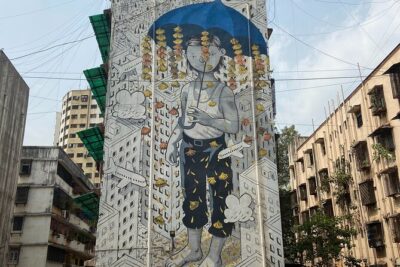
Dharavi Slum Slumdog Millionaire Tour with a Local
Read our review →
Mumbai Slum Tour – Visit Dharavi Slum with Local Guide
Read our review →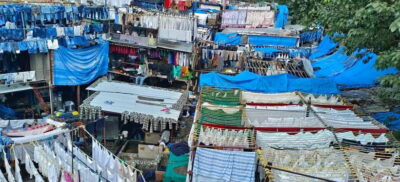
Dhobi Ghat Laundry and Dharavi Slum Tour with Local
Read our review →
Browse the lists this tour appears in