
Reviewed · MUMBAI DHARAVI SLUM TOURS
Mumbai: Dharavi Slum Walking Tour by First Female Tour Guide
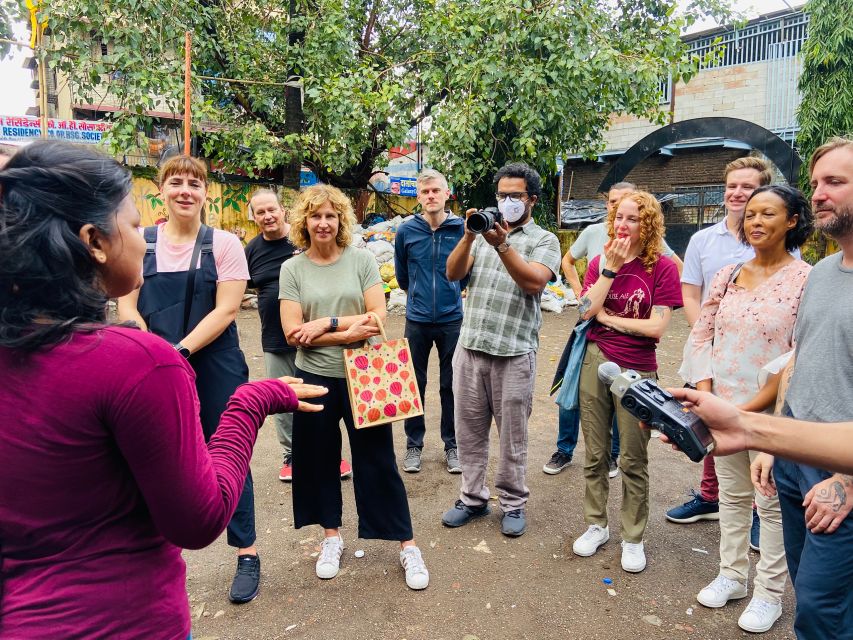
Dharavi is far more than a quick photo stop. On this 2.5-hour walking tour, you see recycling workshops, soap factories, leather businesses, pottery, schools, markets, homes, and small commercial spaces, all packed into one of Mumbai’s most talked-about communities. Local guides such as Anu, Sneha, Pooja, and Varsha explain what you are seeing with personal knowledge and plenty of practical detail.
I like the local female guides, many of whom were born or raised in Dharavi, and I like the way the route shows both work and home life. The $5 price is remarkably low for a private or small-group experience with bottled water included. The main consideration is that this is a walking tour through narrow, active streets, so you need to be comfortable seeing poverty, crowded conditions, and working environments at close range.
Key points to know before booking
- Meet outside Third Wave Coffee: The tour begins and ends at this clearly identified coffee shop near the station.
- See Dharavi as a working community: Recycling, manufacturing, markets, schools, and homes are all part of the route.
- Guides bring local insight: Anu, Sneha, Pooja, Varsha, Sarah, and Anushka are among the guides named by past customers.
- Expect a full 2.5 hours on foot: Wear practical shoes and keep your belongings compact.
- The tour challenges simple stereotypes: You see both difficult living conditions and impressive local enterprise.
- English is the tour language: A private group option is available, and cancellation is allowed up to 24 hours before departure.
Why Dharavi belongs on your first Mumbai day
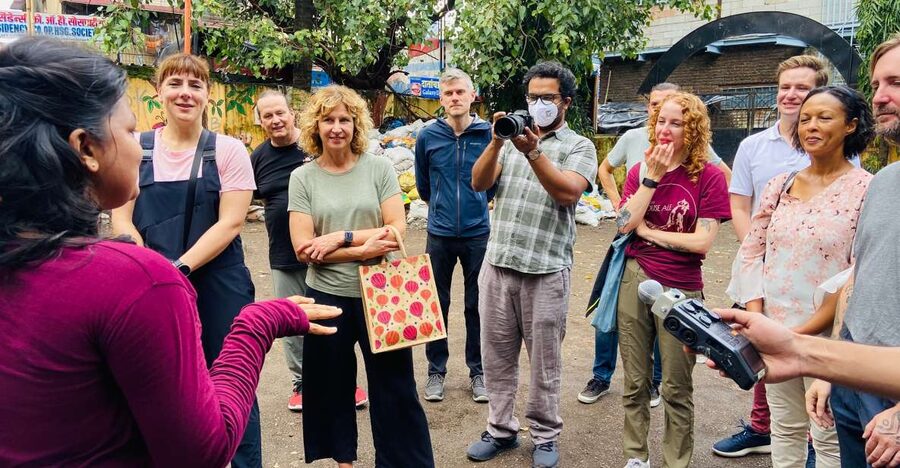
Dharavi sits in the heart of Mumbai, and it gives you a useful early lesson in how the city works. The area is widely described as one of Asia’s largest informal settlements, but that label tells only part of the story. It is also a place of work, trade, education, family life, and small business.
I would put this tour near the beginning of a Mumbai visit because it gives you context for the city’s contrasts. You are not simply looking at hardship from the outside. You are seeing how people earn money, reuse materials, run businesses, attend school, and maintain homes in a crowded urban setting.
The experience is also a useful check on expectations. A film or a photograph can make Dharavi seem like one uniform mass of poverty. This walk shows a more complicated reality. Some areas are industrial. Others are residential. Some lanes are commercial. The guide helps you understand how these parts fit together.
More Dharavi walking tours in Mumbai
- Dharavi slum tour in Mumbai by Female tour guides of the slum
★ 5.0 · 1,976 reviews - Mumbai: Dharavi Slum, DhobiGhat, and Dabbawallas Tour
★ 4.9 · 689 reviews - Dharavi Slum Tour
★ 5.0 · 625 reviews
Meeting at Third Wave Coffee
Your guide meets you outside Third Wave Coffee, which is also the return point. This is a practical arrangement because the café is easy to identify and gives you a fixed place to wait before the walk begins.
Several people appreciated the simple meeting setup, and one useful detail is that the location is close to a railway station. If you are coming by car, allow extra time because Mumbai traffic can be severe. The train may be the easier choice, although your booking information should be checked for the exact station and meeting instructions.
The coffee shop also gives you a comfortable place to gather before setting off. The tour itself is outdoors and on foot, so use the café stop to handle water, coffee, and last-minute needs. Bottled mineral water is included, but you should still dress for Mumbai’s heat and humidity.
First steps into Dharavi
The walking route takes you away from the meeting point and into the working lanes of Dharavi. Your guide leads rather than leaving you to find your own way, which matters here. The streets can be confusing, and trying to navigate alone would mean missing the point of the experience.
You can expect the first part of the walk to introduce the area’s layout and daily rhythm. The route includes commercial spaces, factories, markets, and residential sections. Your guide explains what each area is used for and answers questions as you go.
This is also where a local guide makes the greatest difference. Pooja, Varsha, Sneha, Anu, and others have been praised for keeping groups together, explaining clearly, and making people feel at ease. If you are shy about asking questions, a friendly guide can help you engage with the place instead of simply walking silently behind the group.
Recycling that turns waste into work
Recycling is one of the most memorable parts of the route. You may see plastic, paper, and aluminium recycling, along with the workers and businesses connected to those trades.
The important point is not just that waste is being processed. The recycling areas show how a local economy is built around practical skills and materials that other parts of the city discard. You get a closer look at the work behind reused products and at the people whose income depends on these activities.
The surroundings may be noisy, crowded, or industrial. This is not a polished attraction, and that is part of its value. You are seeing working spaces as they operate, not a staged display prepared for visitors.
Keep your attention on the guide and be considerate around workers. The tour is intended to be ethical and community-based, so respectful behavior matters more than collecting dramatic pictures.
More walking tours in Mumbai
- Group Guided Walking Tour in Fort and Colaba
★ 5.0 · 1,073 reviews - Private Guided Walking Tour in Fort & Colaba
★ 5.0 · 895 reviews - Private Guided Walking Tour in Bandra Queen of Suburbs
★ 5.0 · 383 reviews - Private Guided Spiritual Walk in Banganga Hindu Temples
★ 5.0 · 271 reviews
Small factories and local enterprise
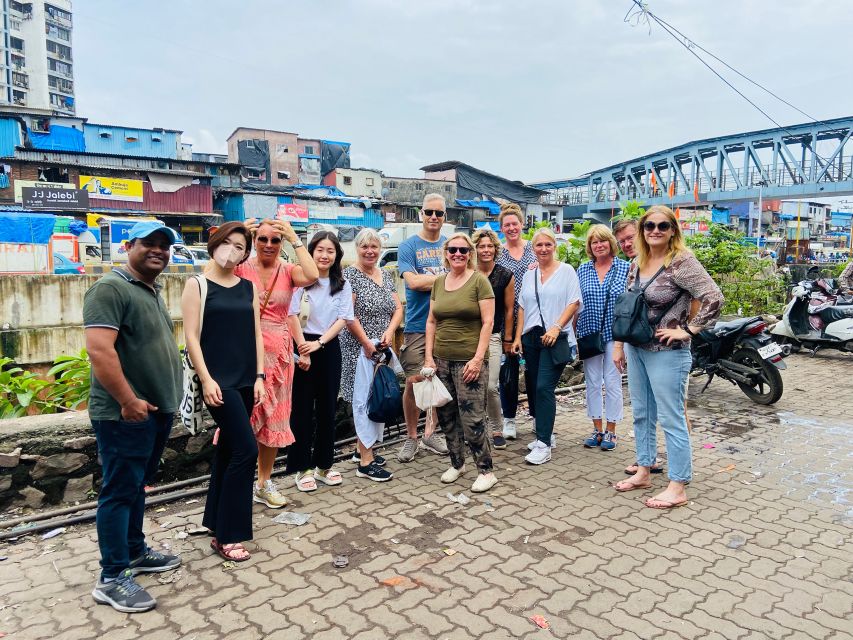
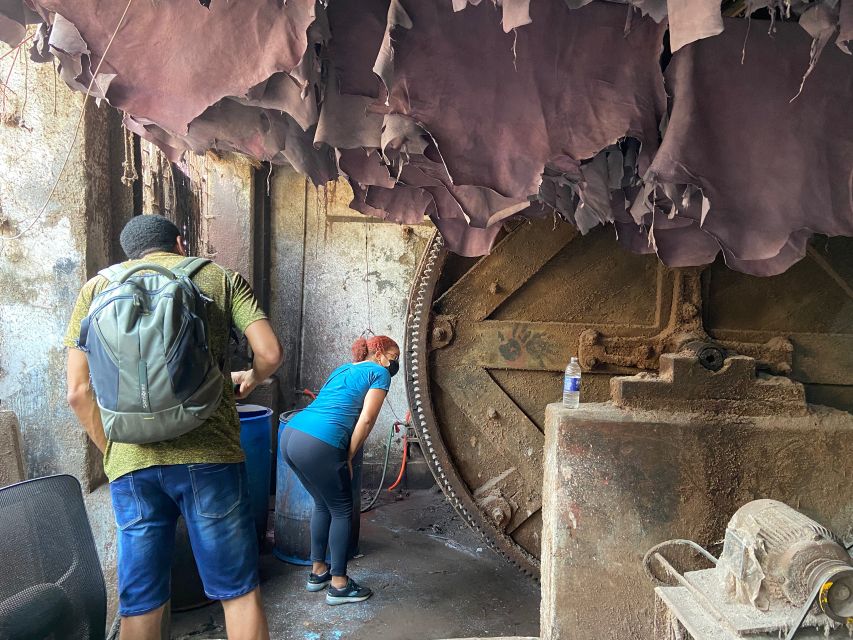
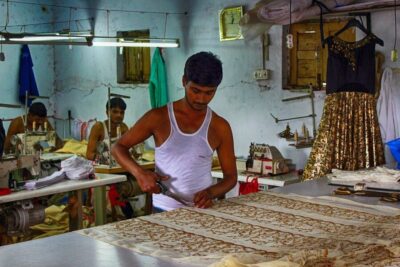
The route includes soap production, cloth manufacturing, leather industries, pottery, and other commercial activity. Each stop helps correct the idea that Dharavi is only a residential area.
You may see how goods are made, sorted, stored, or sold. The precise activity can vary, but the overall picture is clear: this is a place where people work close to where they live. That arrangement helps explain the area’s economic importance and its dense mix of workshops, shops, and homes.
I especially like this part of the tour because it gives you something concrete to remember. Instead of hearing only general facts about poverty or population, you see the tools, products, materials, and workspaces that support families.
The conditions are not likely to feel comfortable in the usual sightseeing sense. Some production areas can be cramped or basic. You should book this only if you are ready to look carefully at working life without expecting a museum-style visit.
Homes, schools, and the daily side of Dharavi
The tour also enters residential areas and passes schools and colleges. This shift from factories to homes is essential. It shows that Dharavi is not simply a workplace for people who live elsewhere.
Your guide explains how residents use the area and how education fits into local life. The experience is strongest when you listen to these explanations rather than rushing from one sight to the next. The route is designed to show connections between income, housing, education, and community.
Residential lanes require extra courtesy. Avoid pointing cameras at people, and ask your guide about photography before taking pictures. The supplied information does not promise a formal photography policy, so the safest approach is to keep your camera away unless your guide indicates that it is appropriate.
Families with older children and teenagers may find the tour especially useful. One family with two teenagers found the guide able to answer questions and keep the group comfortable. Younger children may find the narrow lanes, heat, and industrial sights tiring, so consider your family’s patience before booking.
Markets and commercial lanes
Markets and commercial areas add another layer to the walk. These sections help you see Dharavi as part of Mumbai’s wider economy rather than an isolated pocket.
You can expect movement, trade, and plenty to look at. The guide’s job is to help you notice what would otherwise blur together. A good explanation can turn an ordinary shopfront or lane into evidence of how residents buy, sell, produce, and move goods.
The route is not built around grand monuments. Its appeal comes from ordinary places with an unusual level of access. If your ideal Mumbai tour means palaces, historic architecture, or famous religious sites, this should be a supplement rather than your only sightseeing activity.
The guides are the heart of the experience
The tour is promoted as being led by Dharavi’s first female tour guide, while several women guide the walks. Names that appear in the booking information include Anu, Sneha, Pooja, Varsha, Sarah, and Anushka. Your guide will depend on the date and availability.
The most frequently praised qualities are clear English, patience, humor, punctuality, and detailed explanations. Pooja is described as funny and energetic. Varsha is praised for her first-hand understanding and ability to answer questions. Sneha is noted for showing both commercial and residential areas. Anu is described as patient and helpful.
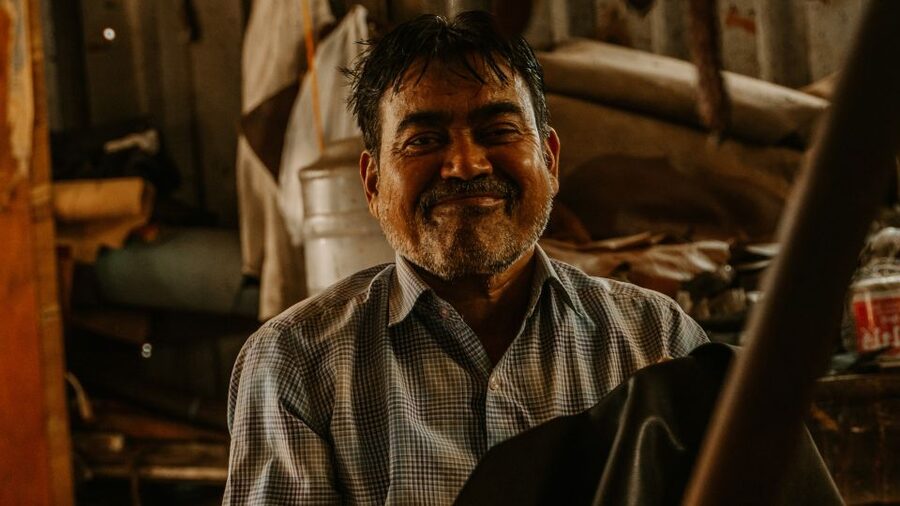
Several guides are local residents, and some were born and raised in Dharavi. That gives the experience a personal angle you cannot get from a guidebook alone. It also means the stories are connected to real people and places rather than broad descriptions prepared for outsiders.
Do keep your expectations sensible. A local guide can explain the area, but no two departures will feel exactly alike. The pace may change depending on the group, the working areas open that day, and how many questions you ask.
What $5 buys you
At $5 per person, this is one of the better-value activities in Mumbai if you want local context. The fee covers the walking tour, an English-speaking guide, and bottled mineral water. You are paying for access, interpretation, route planning, and the practical confidence of being led through an unfamiliar area.
The value is not in the number of formal attractions. There are no grand entrances or expensive included services. The value lies in seeing places you would not reasonably find on your own and understanding what you are seeing.
A private group is available, which may suit families, couples, or anyone who wants more time for questions. For the lowest cost, book the standard option if available. For a private outing, confirm the final price and group terms before payment.
The booking terms are flexible. You can reserve now and pay later, and cancellation is free up to 24 hours before the tour for a full refund. Starting times depend on availability, so check the departure time carefully before arranging other Mumbai plans.
Practical advice for a respectful walk
Wear light, comfortable clothing and shoes suitable for two and a half hours of walking. The tour is not described as accessible or vehicle-based, so assume that you will walk through narrow lanes and uneven urban areas.
Bring only what you need. A small bag is easier to manage than a large backpack in crowded passages. Keep your phone and wallet secure, as you should in any busy part of Mumbai.
Ask before taking photographs, especially near homes, schools, and workplaces. Do not treat residents as scenery. The best approach is to listen, follow your guide’s instructions, and remember that people are going about their ordinary lives.
You may find the experience emotionally challenging. Dharavi includes serious poverty and crowded housing, but it also includes work, skill, humor, ambition, and pride. Hold both ideas at once. The tour is most worthwhile when you avoid both romanticizing hardship and reducing the whole community to hardship.
Who should book this Dharavi walk?
I recommend it to first-time Mumbai visitors who want a sharper understanding of the city. It also suits people interested in urban development, recycling, small businesses, education, and the way communities adapt to limited space.
It is a good choice for curious families with older children, solo visitors who prefer local guidance, and anyone who wants a tour that feels different from a standard monument circuit. The English-speaking format makes it accessible to international visitors.
I would skip it if you want a relaxed sightseeing walk with wide streets, quiet stops, and formal attractions. You should also reconsider if you are uncomfortable seeing working poverty up close or if you mainly want photography opportunities.
Should you book it?
For $5, this is an unusually affordable way to see a part of Mumbai that you would not understand by passing its edge. The strongest reasons to book are the local female guides, the mix of factories and homes, and the honest attention given to both struggle and enterprise.
Choose it early in your Mumbai stay if you want context for the rest of the city. Meet at Third Wave Coffee with practical shoes, an open mind, and a respectful attitude. If you do that, this short walk can become one of the most useful experiences in Mumbai.
FAQ
How long is the Dharavi walking tour?
The tour lasts about 2 to 2.5 hours. The main guided visit inside Dharavi is listed as 2.5 hours.
Where does the tour begin and end?
The guide meets you outside Third Wave Coffee. The tour returns to Third Wave Coffee after the walk.
What language is the tour conducted in?
The live tour guide speaks English.
What will I see during the walk?
The route includes plastic, paper, and aluminium recycling, soap factories, cloth manufacturing, leather industries, pottery, schools, colleges, markets, commercial areas, and residential areas.
Is bottled water included?
Yes. Bottled mineral water is included with the walking tour and guide service.
Can I cancel the booking?
Yes. You can cancel up to 24 hours before the tour for a full refund. A reserve now and pay later option is also available.
Recently added around Mumbai
- Private Walking Tour in Dharavi Slums★ 5.0 · 7 reviews
- Mumbai Sightseeing Tour★ 5.0 · 11 reviews
- Private Mumbai 2-Day Tour Package:City + Slum & Elephanta Island.★ 5.0 · 3 reviews
- Vegetarian Indian Cuisine Virtual Cooking Class Experience from Mumbai★ 5.0 · 4 reviews
- Mumbai by Night Guided Tour★ 5.0 · 6 reviews
- Transfer from Mumbai Airport to Hotel★ 4.0 · 7 reviews
- Full-Day Agra Tour with Taj Mahal From Mumbai By Air★ 5.0 · 8 reviews
- Taj Mahal Day Trip Including Same Day Flights from Mumbai★ 5.0 · 3 reviews
Mumbai Dharavi Slum Tours, compared.
Dharavi slum tour in Mumbai by Female tour guides of the slum
Read our review →
Dharavi Slum Slumdog Millionaire Tour with a Local
Read our review →
Mumbai Slum Tour – Visit Dharavi Slum with Local Guide
Read our review →
Dhobi Ghat Laundry and Dharavi Slum Tour with Local
Read our review →
Browse the lists this tour appears in