
Reviewed · MUMBAI DHARAVI SLUM TOURS
Mumbai: Dharavi Slum, DhobiGhat, and Dabbawallas Tour
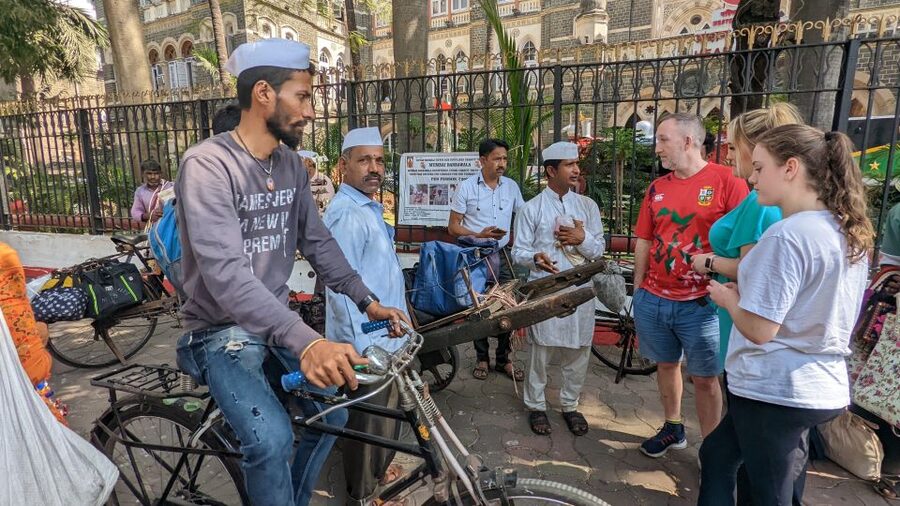
Mumbai reveals its working heart on this tour. You ride local trains, walk through Dharavi’s workshops and homes, step inside Dhobi Ghat, and watch dabbawallas sort lunch tins near Churchgate. This is not a sightseeing loop built around grand monuments. It is a close look at how people work, live, and move through the city.
I like the train rides because they make the tour feel connected to ordinary Mumbai life, and I like the local guides who know Dharavi from personal experience. Guides such as Loki, Maze, Bharti, Alam, and Ganesh have been praised for clear English and thoughtful explanations. The main drawback is that the tour includes a fair amount of walking, shared public transport, and no dabbawallas on Sundays, public holidays, or during their Diwali leave.
Key points to know before booking
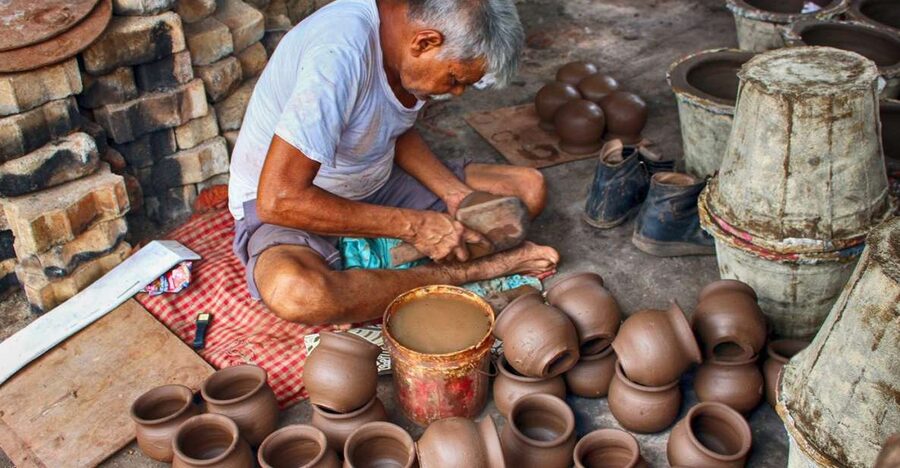
- Dharavi is the main event: Expect about 100 minutes on foot through work areas, residential lanes, and local industries.
- Dhobi Ghat is an inside visit: You spend about 20 minutes seeing the open-air laundry at close range, not just viewing it from outside.
- Local trains are part of the experience: The rides take about 20 minutes and 15 minutes, with the guide helping you manage the stations and timing.
- The guide matters greatly: Local guides including Loki, Maze, Bharti, Alam, and Dawood have been praised for personal insight and strong English.
- Dabbawallas depend on the calendar: They do not operate on Sundays or public holidays, and they were away for Diwali from October 31 to November 4, 2024.
- Photography is restricted in Dharavi: Bring a sun hat, but plan to keep your camera and phone away inside the community.
Why this Mumbai tour feels different
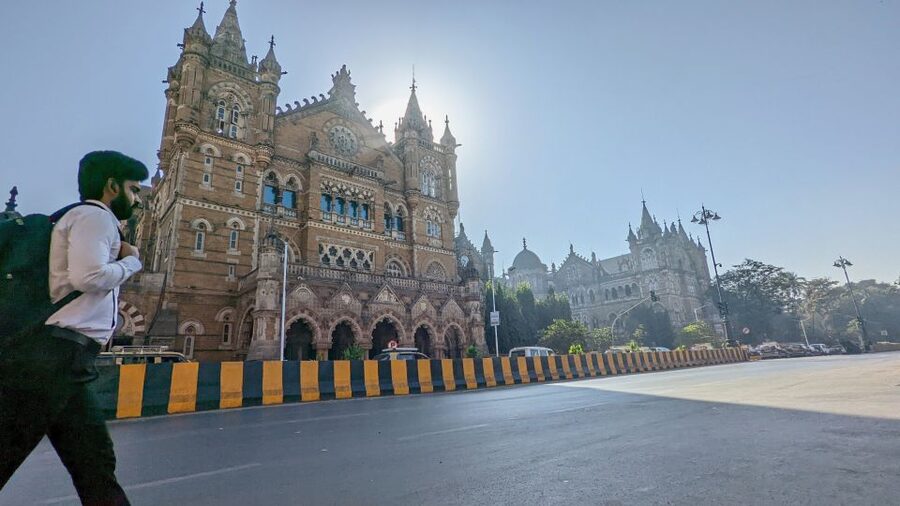
Many Mumbai outings keep you near the Gateway of India, grand hotels, and colonial buildings. This one points you toward the city’s working systems. You see laundry sorted and processed, small industries producing goods, lunchboxes moving through a precise delivery chain, and people carrying on with daily routines in densely packed neighborhoods.
The tour is also a lesson in avoiding easy labels. Dharavi is associated with poverty, but the walk presents more than hardship. You see homes, workshops, businesses, community life, and the skills that support a large local economy. A guide who lives in Dharavi can explain the area with more care than a guide relying only on statistics.
That local connection is one of the experience’s strongest features. Bharti, for example, has guided visitors through areas she knows personally, while Loki and Maze have been praised for explaining the community with warmth, humor, and a clear sense of responsibility. Alam, Ganesh, Dawood, and other guides have also received strong praise for safety, organization, and their ability to answer questions.
Still, you should approach this as a serious cultural visit, not a spectacle. People live and work here. Photography is not allowed inside Dharavi, and that rule helps protect privacy. You will get a better experience by listening, watching carefully, and letting your guide explain what you are seeing.
More Dharavi walking tours in Mumbai
- Dharavi slum tour in Mumbai by Female tour guides of the slum
★ 5.0 · 1,976 reviews - Dharavi Slum Tour
★ 5.0 · 625 reviews - Dharavi Slum tour in Mumbai by local resident
★ 5.0 · 572 reviews
Starting near Churchgate and riding the local train
The exact meeting point depends on the option you book, but Churchgate Railway Station is central to the experience. The group meets there or at another confirmed location, then uses a local train toward Dharavi. The first ride takes about 20 minutes.
This public transport choice matters. Mumbai traffic can slow a short road journey, while the train gives you a direct look at one of the city’s main daily systems. You are not simply being driven between attractions. You are moving through Mumbai as many residents do.
Train travel also adds a practical challenge. Stations can be crowded, and boarding and leaving the train require attention. One guide joked with a group about having only 21 seconds to get on and off, a useful reminder that you should stay close and follow instructions. Some people will find this exciting. If crowded trains make you uneasy, tell the guide early and stay beside the group.
The train legs are short, but they shape the tone of the whole morning or afternoon. You get a sense of distance, density, and movement before entering Dharavi. A guide also helps you avoid wasting time on confusing transfers.
Walking through Dharavi for about 100 minutes
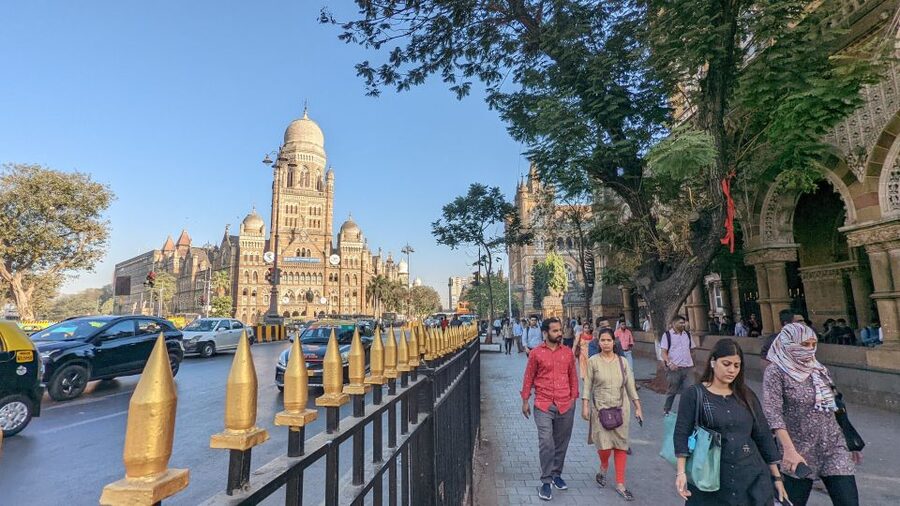
The Dharavi portion lasts roughly 100 minutes and is the longest part of the tour. You walk through narrow streets and lanes, moving between work areas and residential sections. The pace allows the guide to stop and explain what different spaces are used for.
The area is not one single type of neighborhood. You may see small-scale production, recycling or craft work, shops, food stalls, and homes close together. The exact route can vary, but the purpose is to show how work and home life fit into the same compact area.
Guides with local ties add useful detail here. Bharti has explained the area from her own experience, while Loki and Maze have been praised for knowing residents and local businesses. That connection can make the walk feel more personal, but it also makes respectful behavior essential. You are entering a lived-in community, not an open-air museum.
The best questions are specific and considerate. Ask how an industry operates, how people organize daily routines, or how education, housing, and health care affect residents. Tanya’s guide, Kavitha, was especially noted for explaining both the good and difficult sides of local industries, along with questions about accommodation, education, and health care.
You should expect some visual and sensory intensity. The lanes can feel close, active, and unfamiliar. The tour is designed to help you understand rather than simply observe. Your guide should explain what you are seeing and help you move through the area without intruding.
Photography is not allowed inside Dharavi. This is a firm practical point, not a minor footnote. Keep your phone away and avoid taking pictures of people, homes, or workspaces. You can still remember the visit through your guide’s explanations and your own observations.
Entering Dhobi Ghat, Mumbai’s open-air laundry
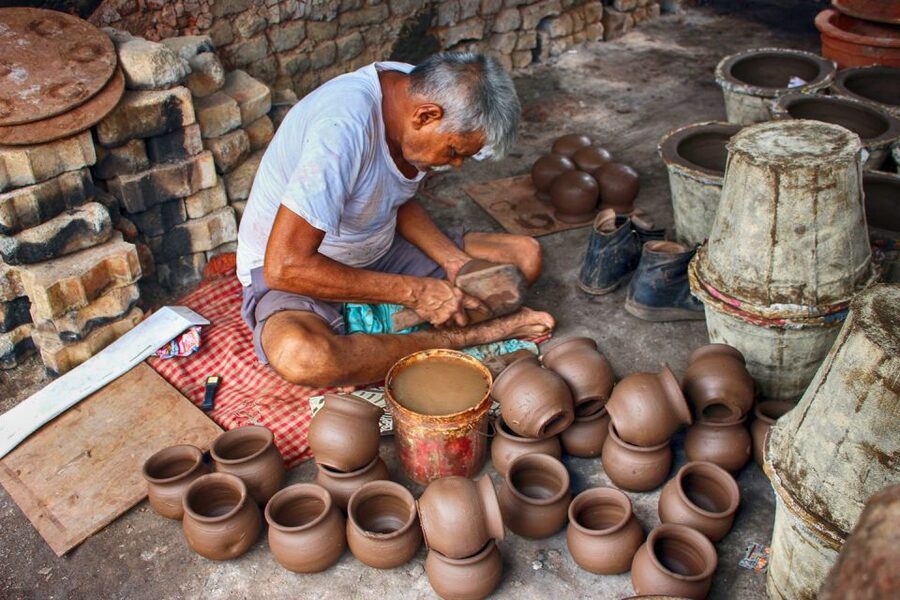
After Dharavi, the tour visits Dhobi Ghat for about 20 minutes. This is a shorter stop, but it gives you a very different view of Mumbai’s working life. Instead of small workshops and residential lanes, you see a large open-air laundry system in operation.
The tour includes an inside visit rather than only a distant viewpoint. You can see clothes being collected, sorted, washed, and dried, with the guide explaining how the system works. The scale and coordination are what make the stop interesting. Ordinary laundry becomes a visible urban industry.
Dhobi Ghat is also a good contrast with Dharavi. Dharavi shows a wide mix of businesses and homes packed together. Dhobi Ghat focuses on one specialized service carried out through a shared working space. The two stops help you see that Mumbai’s economy is built from many kinds of labor, much of it easy to miss if you stick to major sights.
The visit is brief, so do not expect a long independent exploration. Your guide leads you through the site and provides context. You can take photographs outside Dharavi where permitted, but follow the guide’s instructions inside working areas and respect the people doing their jobs.
A completely different side of the city:
- Mumbai: Full-Day Sightseeing Tour of Mumbai
★ 4.9 · 1,822 reviews - Private Mumbai Sightseeing Tour (Traveller’s Choice Award Winner)
★ 5.0 · 1,565 reviews - Group Guided Walking Tour in Fort and Colaba
★ 5.0 · 1,073 reviews - Mumbai: Elephanta Caves Half-Day Guided Tour with Expert
★ 4.8 · 1,032 reviews
Seeing dabbawallas near Churchgate
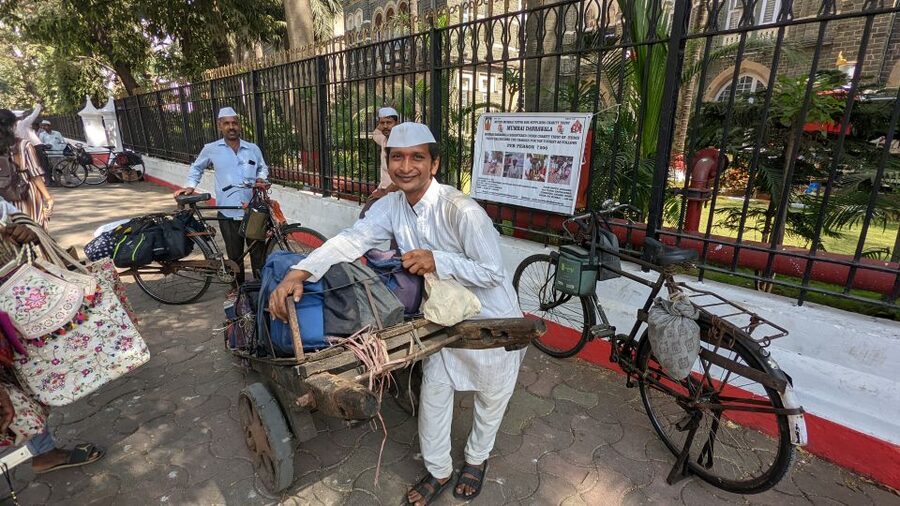
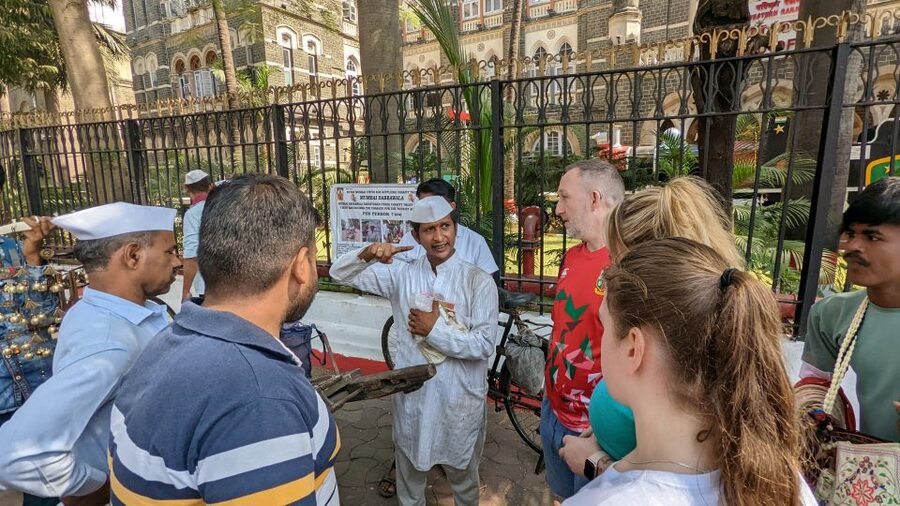
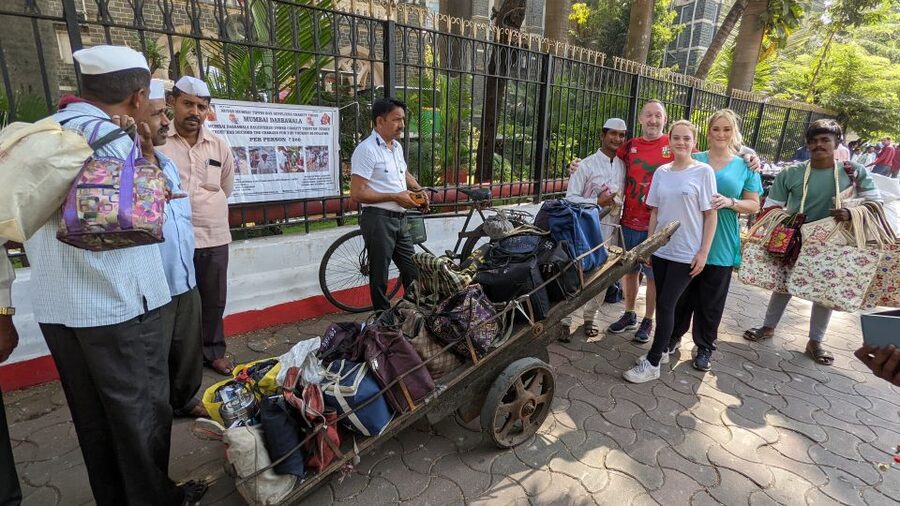
The group then returns by train, with this second ride taking about 15 minutes. Near Churchgate Railway Station, you see dabbawallas handling lunchboxes, often called tiffins, and learn how the delivery system is organized.
The dabbawallas are the lunchbox delivery workers who move prepared meals through Mumbai. The most interesting part is not just seeing the workers or their bicycles. It is understanding how the sorting and delivery process allows lunchboxes to reach the right places across a huge city.
This stop works best as the final piece of the tour. Dharavi shows local production and community life. Dhobi Ghat shows a specialized laundry operation. The dabbawallas show a citywide delivery network. Together, the three stops give you a practical look at how Mumbai functions below the level of headline attractions.
There is one important limitation. Dabbawallas do not operate on Sundays or public holidays, so that part will not be included on those dates. They also took Diwali leave from October 31 to November 4, 2024. Check the date before booking if this stop is a priority, since the tour price does not automatically change when the workers are unavailable.
How much value do you get for $14?
At $14 per person, this is an unusually low-cost way to see several parts of Mumbai that are difficult to understand without local help. The price includes the guide, transportation, the Dharavi walk, the inside Dhobi Ghat visit, and the dabbawalla stop when it is operating.
The value comes from the combination, not from spending a long time at any one attraction. In three to four and a half hours, you use public trains, take a guided walk through Dharavi, visit Dhobi Ghat, and learn about the dabbawalla system. Arranging all of that alone would take more planning and would not give you the same local context.
The tour is available as a private or small-group experience, depending on the option selected. A smaller group can make it easier to hear the guide and ask questions, especially in narrow lanes or at busy stations. Check the exact option before paying, since the meeting point and final drop-off can vary.
Possible drop-off points include Churchgate, Churchgate Railway Station, Mahalaxmi Station, and locations around Ballard Pier, Alexandra Dock, or Green Gate. Hotel pickup and drop-off are not included, so you need to reach the confirmed starting point and arrange your own return if none of the listed drop-offs suits you.
The duration can range from three to four and a half hours. Allow extra time around the scheduled period if you have a flight, train, or fixed appointment afterward. Public transport and walking make the timing less predictable than a private car tour.
The guides make or break the experience
The strongest pattern in the feedback is the quality of the guiding. Loki has been praised repeatedly for his English, organization, warmth, and personal knowledge of Dharavi. Maze is known for humor, storytelling, and a careful approach to the sensitive parts of the visit.
Bharti has received especially strong praise from people who valued a female guide and her direct connection to the area. Guests also highlighted Alam, Ganesh, Dawood, Kavitha, Dinesh, and other guides for explaining local industries, helping with trains, and keeping the group safe.
You may not receive a particular guide, so book for the structure of the tour rather than a guaranteed personality. Still, the repeated strength of the guiding is important. Without context, Dharavi and Dhobi Ghat could feel like a quick visual stop. With a good guide, you can ask why things work as they do and understand the human side of the places you visit.
English is the listed tour language. The guides have been praised for clear communication, but accents and speaking styles can vary. If you do not understand something, ask the guide to repeat it. This is an educational visit, and questions improve it.
Who should book, and who should think twice?
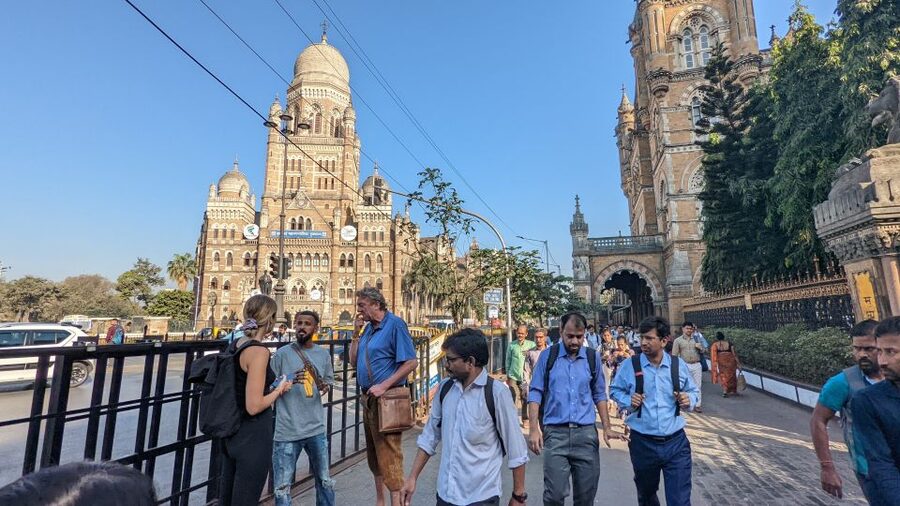
I recommend this tour if you want to see Mumbai beyond its famous buildings and are comfortable using public transport. It suits first-time visitors who want a strong introduction to the city’s working communities, as well as repeat visitors looking for a different side of Mumbai.
It is also a good choice if you value local interpretation. The guides do more than point out places. They explain work, housing, education, health care, community life, and the difference between outside assumptions and everyday reality.
You should think twice if you want a relaxed vehicle-based outing, dislike crowded trains, or prefer attractions where photography is central. The walk can be intense, the lanes are active, and privacy rules limit your camera use.
The activity is not suitable for children under four or pregnant women. Bring a sun hat, wear practical walking shoes, and carry water even though only the hat is specifically listed. The tour may include shared cabs in some arrangements, according to the selected option, so check the details before departure.
Free cancellation is available up to 24 hours before the start time, and you can reserve now and pay later. Those terms are useful if your Mumbai schedule is still moving around, but they do not remove the need to check the operating calendar for dabbawallas.
My call: book it for context, not spectacle
Book this tour if your goal is to understand how Mumbai works. The train rides, Dharavi walk, Dhobi Ghat visit, and dabbawalla stop form a compact, well-priced introduction to the city’s working life.
I would choose a day when dabbawallas are operating and allow at least half a day around the tour. Go with patience, keep your camera away in Dharavi, and treat residents and workers as people going about their day. At $14, the tour offers strong value, especially when a local guide such as Loki, Maze, Bharti, or Alam turns a difficult-to-read part of Mumbai into something you can understand.
FAQ
How long does the Mumbai Dharavi, Dhobi Ghat, and dabbawalla tour last?
The tour lasts about three to four and a half hours. The exact duration depends on the selected option and the day’s transport conditions.
What places are included?
The tour includes a guided walk through Dharavi, an inside visit to Dhobi Ghat, local train rides, and a visit near Churchgate Railway Station to see dabbawallas when they are operating.
Is transportation included?
Yes. Transportation is included, with local train travel forming part of the route. Some arrangements may also use a shared cab.
Is hotel pickup included?
No. Hotel pickup and drop-off are not included. The meeting point varies by the option booked, and possible drop-offs include Churchgate, Churchgate Railway Station, Mahalaxmi Station, and selected dock areas.
Can I take photographs inside Dharavi?
No. Photography is not allowed inside Dharavi. Photography is allowed elsewhere on the tour unless local instructions say otherwise.
Do dabbawallas operate every day?
No. Dabbawallas do not operate on Sundays or public holidays, so that part of the tour will not be included on those days. They also take leave during certain Diwali dates.
What happens if the dabbawallas are not working?
The Dharavi and Dhobi Ghat portions still take place, but you will not see the dabbawallas in action. Check the operating calendar before booking if this stop is important to you.
What language is the tour conducted in?
The live tour guide speaks English.
Is this tour suitable for young children?
The tour is not suitable for children under four years old. It also involves walking and public transport, so consider the pace and setting when booking for older children.
Can I cancel the booking?
Yes. You can cancel up to 24 hours in advance for a full refund. The tour also offers a reserve now and pay later option.
Recently added around Mumbai
- Private Walking Tour in Dharavi Slums★ 5.0 · 7 reviews
- Mumbai Sightseeing Tour★ 5.0 · 11 reviews
- Private Mumbai 2-Day Tour Package:City + Slum & Elephanta Island.★ 5.0 · 3 reviews
- Vegetarian Indian Cuisine Virtual Cooking Class Experience from Mumbai★ 5.0 · 4 reviews
- Mumbai by Night Guided Tour★ 5.0 · 6 reviews
- Transfer from Mumbai Airport to Hotel★ 4.0 · 7 reviews
- Full-Day Agra Tour with Taj Mahal From Mumbai By Air★ 5.0 · 8 reviews
- Taj Mahal Day Trip Including Same Day Flights from Mumbai★ 5.0 · 3 reviews
Mumbai Dharavi Slum Tours, compared.
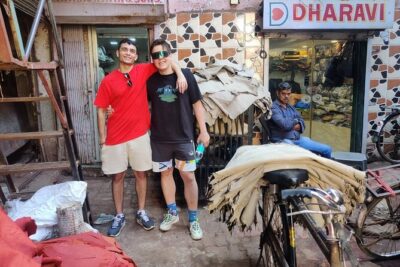
Dharavi slum tour in Mumbai by Female tour guides of the slum
Read our review →
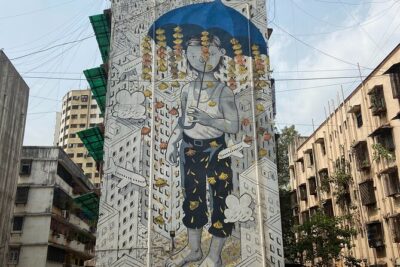
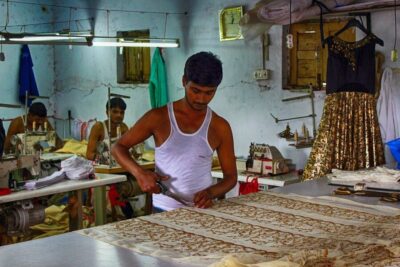
Dharavi Slum Slumdog Millionaire Tour with a Local
Read our review →
Mumbai Slum Tour – Visit Dharavi Slum with Local Guide
Read our review →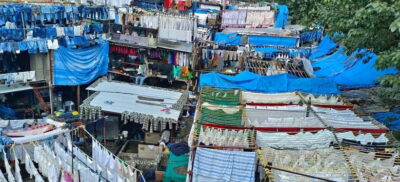
Dhobi Ghat Laundry and Dharavi Slum Tour with Local
Read our review →

Private Full-Day Mumbai Sightseeing Tour with Dharavi Slums
Read our review →Browse the lists this tour appears in