
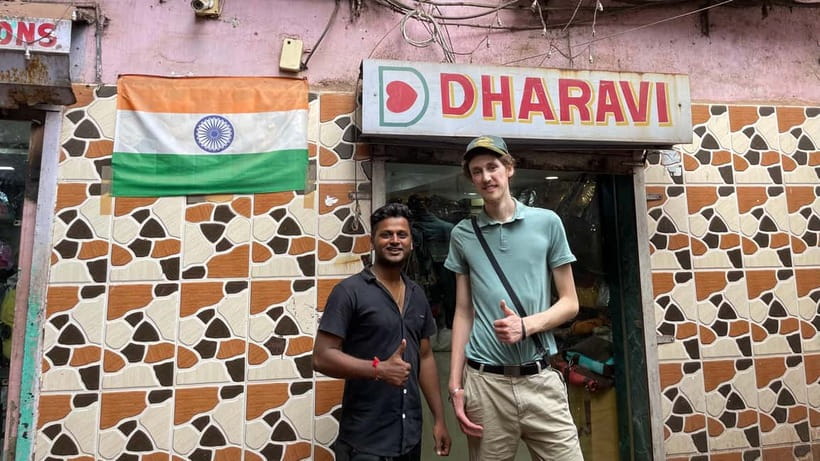
Reviewed · MUMBAI DHARAVI SLUM TOURS
Mumbai Dharavi Slum Community Tour
Dharavi is not a single story about poverty. It is a working neighborhood where recycling, leather, clothing, pottery, trade, homes, and schools all fit into a tight web of lanes. This two-hour walking tour gives you a direct look at that daily life, with local guide Rukaiya adding context you would not get from wandering alone.
I like two things right away: the tour visits working industries rather than only scenic streets, and the small-group format makes it easier to ask honest questions. Rukaiya has been praised for her patience, local insight, and care when guiding people across busy roads.
The main consideration is that Dharavi is a real residential and working community, not a staged attraction. The lanes are narrow, the surroundings can feel crowded, and you need to approach the visit with respect and a willingness to listen.
Key Points Before You Book
- See Dharavi as a working neighborhood: Recycling, clothing, leather, pottery, markets, and homes share the same compact area.
- Rukaiya brings local context: She explains customs and daily routines that are not easy to find online.
- Expect about two hours on foot: The route passes through narrow lanes, workshops, residential areas, markets, and schools.
- Small groups make a difference: You have more room to ask questions and follow the guide’s explanations.
- The $9 price is strong value: Guiding, entrance fees, and the main walking program are included.
- Pickup and drop-off may be available: Some booking options include a car ride and bottled water, but the meeting point depends on the option selected.
Why Dharavi Is More Than a Tour Stop
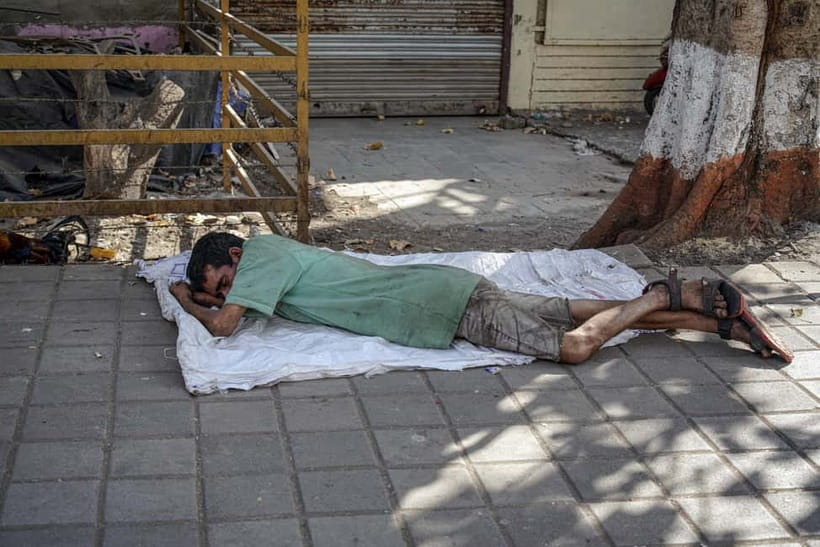
The word slum can make Dharavi sound like one uniform place. On this walk, you see something more complicated: a dense community with homes, workshops, trade, education, and small businesses operating side by side.
That change in perspective is the tour’s main value. You are not simply looking at poor housing from a distance. You are seeing how people use limited space, run businesses, make products, recycle materials, and build family life in a demanding urban setting.
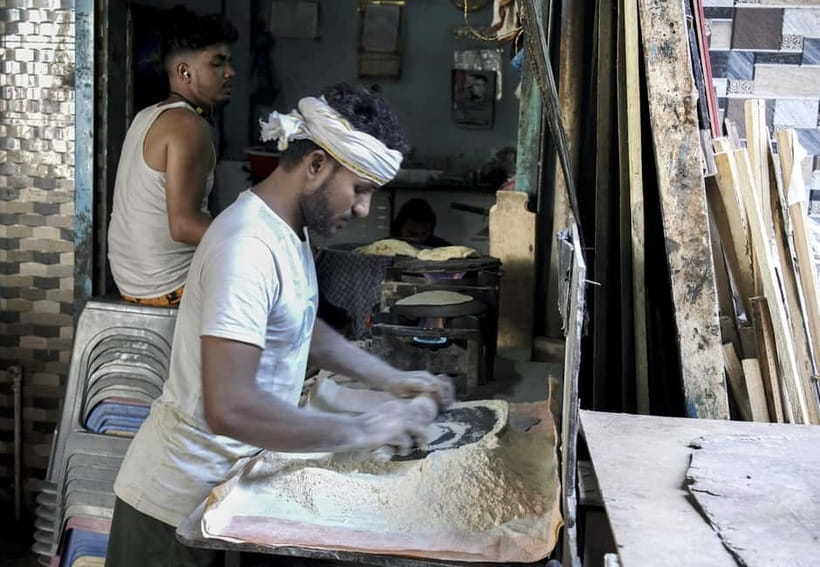
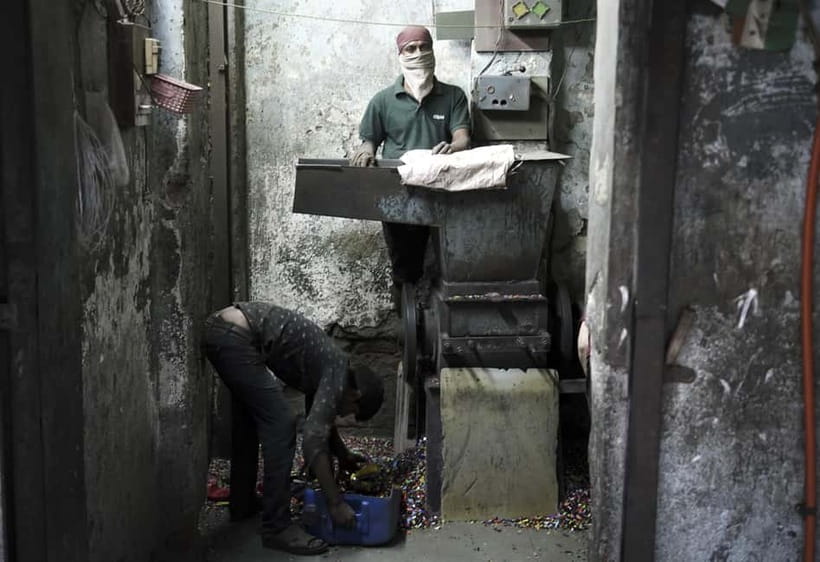
I appreciate that the visit focuses on work and creativity as well as hardship. You may see plastic, aluminum, and cardboard being processed, then pass small garment or leather units. The range of activity helps explain why Dharavi matters to Mumbai’s economy and identity.
The tour also asks you to be a considerate observer. You are entering a place where people live and work. Listen to your guide, avoid treating residents as scenery, and follow instructions about where to walk and when photography is appropriate.
More Dharavi walking tours in Mumbai
- Dharavi slum tour in Mumbai by Female tour guides of the slum
★ 5.0 · 1,976 reviews - Mumbai: Dharavi Slum, DhobiGhat, and Dabbawallas Tour
★ 4.9 · 689 reviews - Dharavi Slum Tour
★ 5.0 · 625 reviews
Starting Near Third Wave Coffee
The listed starting point is Third Wave Coffee, with two meeting-point options shown for booking. Since the exact meeting place can vary by the option you choose, check your confirmation carefully before setting out.
The coffee shop meeting point gives you a simple place to gather before the walk. It also lets you meet your guide and sort out any questions before entering the tighter lanes of Dharavi.
The tour ends at the same general meeting-point arrangement, with two drop-off options listed. If you choose the pickup and drop-off version, you get a car ride and bottled water as part of that option. This can be useful if you are still finding your way around Mumbai, though the basic tour is centered on walking.
The tour runs for about two to two and a half hours. That is long enough to cover several parts of the neighborhood without turning into an exhausting full-day outing.
Walking Through Dharavi’s Narrow Lanes
The first part of the walk takes you into the streets and alleys of Dharavi. This is where the tour becomes more than a standard Mumbai sightseeing stop. Instead of looking at the area from a road or a distant viewpoint, you move through the places where ordinary routines happen.
You will see homes, workshops, people going about their work, and local streets that serve many purposes at once. The lanes can be tight, so you should wear practical shoes and stay close to your guide.
Rukaiya is especially useful here. She has been praised for answering questions patiently and for explaining details that are not obvious to an outsider. Her role is not just to point out buildings. She helps you understand how the neighborhood functions.
One particularly practical strength is her attention to safety. She has been described as taking care when crossing roads and keeping the group together. That matters in Mumbai, where street traffic can be fast and difficult to read.
Recycling, Garments, and Leather Workshops
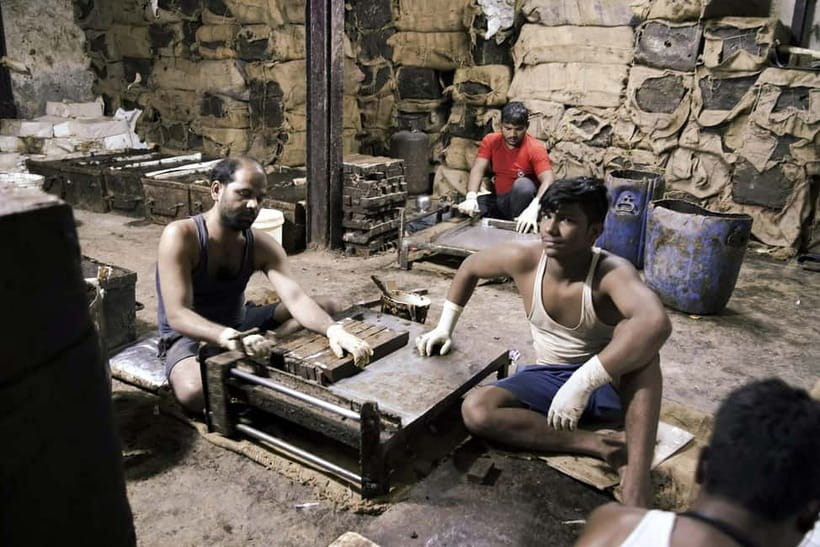
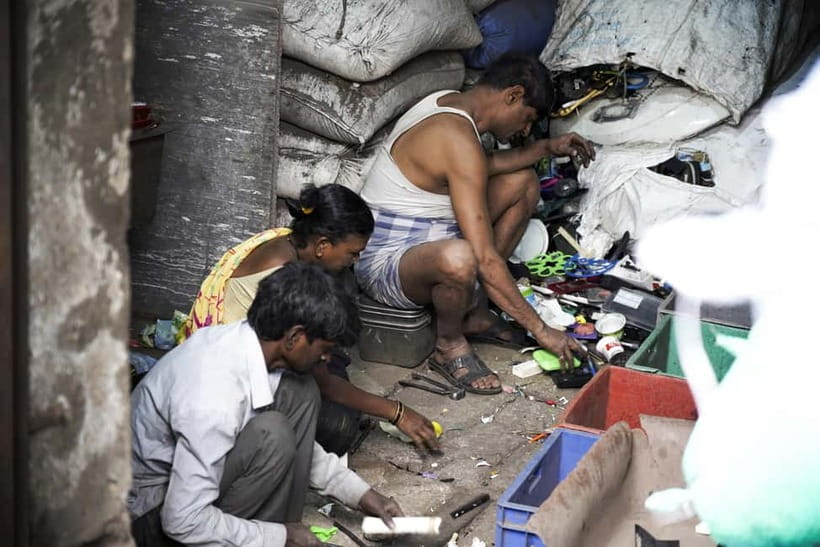
One of the most interesting parts of the route is the look at Dharavi’s small industries. Recycling is a major focus, with plastic, aluminum, and cardboard all part of the local work scene.
This section gives you a useful lesson in urban economics. Materials that many people throw away can become a source of income when collected, sorted, processed, and sold. The work may not look polished, but it requires organization, skill, and a clear understanding of demand.
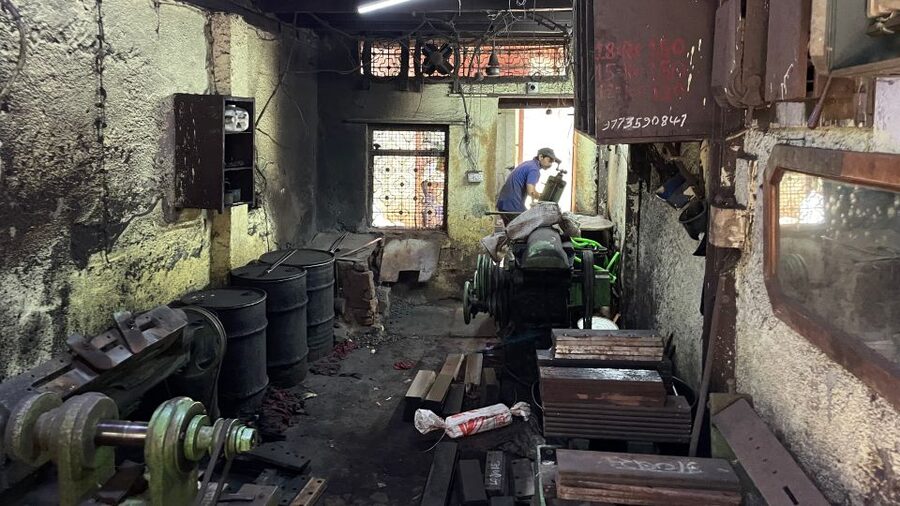
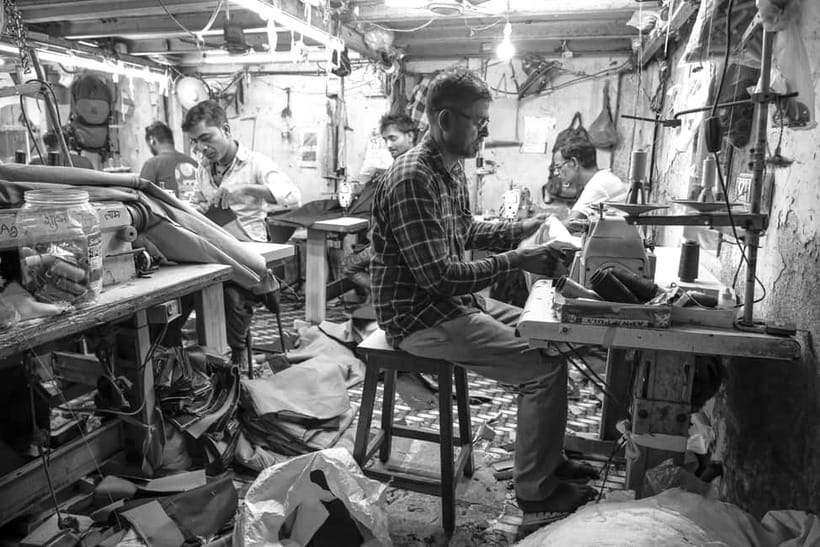
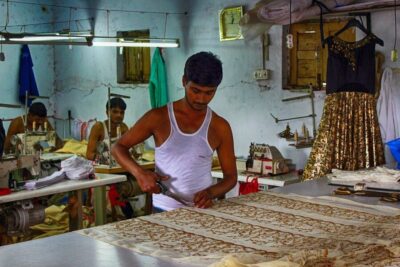
You may also see small garment and leather manufacturing units. These workshops show how production can happen in modest spaces rather than in large factories on the edge of a city.
I like this part of the tour because it moves past the usual tourist checklist. You are not just seeing what Mumbai looks like. You are learning how people earn money and how local businesses fit into the city.
The drawback is that workshops are working spaces, not museum exhibits. Conditions may feel basic, and some people may be busy rather than ready to interact. Your guide helps set the right tone, but you should not expect a hands-on production class or a polished visitor center.
A completely different side of the city:
- Mumbai: Full-Day Sightseeing Tour of Mumbai
★ 4.9 · 1,822 reviews - Private Mumbai Sightseeing Tour (Traveller’s Choice Award Winner)
★ 5.0 · 1,565 reviews - Group Guided Walking Tour in Fort and Colaba
★ 5.0 · 1,073 reviews - Mumbai: Elephanta Caves Half-Day Guided Tour with Expert
★ 4.8 · 1,032 reviews
Homes Built Around Limited Space
The residential section offers another important layer. Dharavi includes small rooftop homes as well as private apartment buildings, so the housing is not one simple type.
You will see how families make use of compact rooms and shared urban space. Rooftops and narrow passages can become part of daily life, and homes may sit close to commercial activity. The result is a neighborhood where living and working are often only a few steps apart.
This can be one of the more sensitive parts of the walk. You are looking at private homes, not a display arranged for sightseeing. The best approach is to let the guide explain what you are seeing and avoid staring into doorways or photographing people without permission.
For me, this is where the tour helps correct easy assumptions. Limited space does not mean a lack of care or personality. The route shows how families create functioning homes with the resources available to them.
Markets, Pottery, and Everyday Craft
The markets bring a more social and colorful side of the neighborhood into view. You may pass stalls selling fresh produce and handmade goods, along with workshops where local craftspeople produce items for sale.
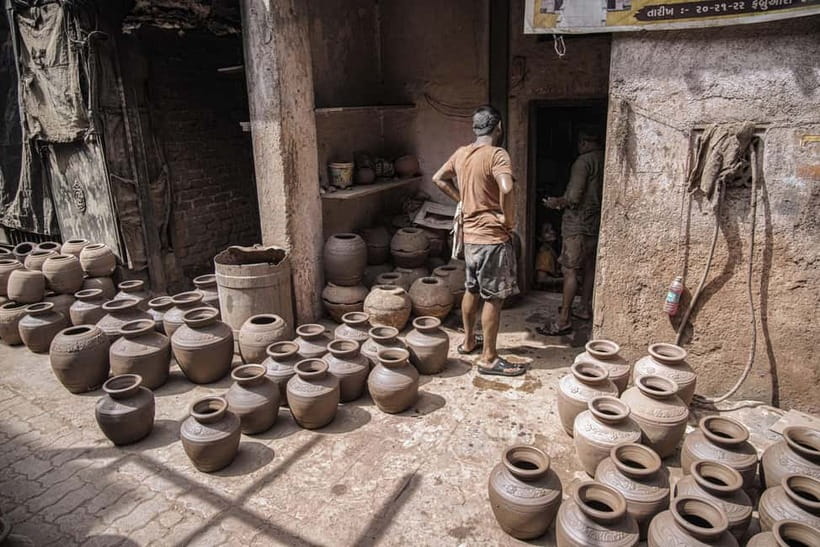
Pottery is one featured stop. Watching artisans shape designs by hand gives the tour a link to older forms of local craft, while the recycling and garment sections show newer, practical industries.
These stops are valuable because they let you see goods in the setting where they are made and sold. A market is not just a place to buy something. It is also a meeting point and a sign of how the community serves its own needs.
You may want to keep your expectations realistic. This is not presented as a dedicated shopping tour, and the focus is on understanding local work rather than collecting souvenirs. If something catches your eye, ask your guide how purchases work and whether it is appropriate to buy.
Schools and the Role of Education
The route can include visits to local schools. This adds a forward-looking element to the walk, since education is closely tied to the future of Dharavi’s children and families.
You may have a chance to interact with students and learn why schooling matters in the community. The stop is not simply a cheerful final note. It helps show that Dharavi is a place where people are planning, studying, and working toward change.
School visits also call for care. Children should not be treated as photo subjects or entertainment. Follow your guide’s instructions, and keep any interaction polite and brief.
I value this part because it prevents the tour from ending with only images of industry or crowded housing. It reminds you that the neighborhood is made up of families with long-term hopes, not just today’s working conditions.
The Guide Makes the Difference
A tour of Dharavi depends heavily on the person leading it. The streets alone cannot explain why certain workshops exist, how homes and businesses fit together, or what daily routines mean.
Rukaiya is the guide named most often for this experience. Her strengths are patience, warmth, and local knowledge. She encourages questions and explains details that you are unlikely to find through a quick online search.
That matters because Dharavi can be easy to misunderstand. Without context, you might see only crowded lanes and modest buildings. With a good guide, you begin to notice the systems behind them: work, family, trade, education, and community life.
The language offered is English. A private group is also available, which may suit you if you prefer a quieter pace or want more time for questions. A small shared group should still offer a personal feel, but the precise group size is not stated, so confirm the option before booking if that detail is important to you.
Is $9 a Fair Price?
At $9 per person, this is an unusually inexpensive way to spend two hours with a local guide in Mumbai. The price includes the guided walk, entrance fees, and access to the route’s main areas.
That makes the tour good value if your goal is context rather than luxury. You are paying for local interpretation and a structured route through a complicated neighborhood, not for elaborate transport or a large attraction with formal exhibits.
Some options include pickup and drop-off by car, plus bottled water. Those extras may make the price higher than the basic rate, so compare the booking choices rather than assuming every version costs the same.
I would not choose this tour if you want a quiet or polished sightseeing outing. I would choose it if you want to understand a side of Mumbai that standard landmarks cannot show and if you are comfortable walking through a working residential area.
Who Will Get the Most From This Walk?
This tour suits you if you enjoy meeting local guides, asking questions, and seeing how a city works behind its famous sights. It is especially useful for first-time visitors who want a broader view of Mumbai than monuments and restaurants can provide.
It also fits travelers interested in urban development, recycling, small business, craftsmanship, and education. The combination of industries and homes gives you several subjects to think about after the walk ends.
Families and school-age children may find the recycling and pottery sections engaging, though parents should explain beforehand that this is a real neighborhood and that respectful behavior matters.
You might skip it if you dislike narrow streets, close urban settings, or tours that involve looking at difficult living conditions. This is not a comfortable spectacle, and it should not be treated as one.
The tour offers free cancellation up to 24 hours before departure, and you can reserve now and pay later. Starting times depend on availability, so check the date and option that suit your plans.
Should You Book the Dharavi Community Tour?
Book it if you want a thoughtful, affordable look at how Dharavi works. The strongest reasons are the local guide, the focus on real industries, and the chance to see homes, markets, workshops, and schools in one short visit.
Rukaiya appears to be the key advantage. Her patience, safety-conscious guidance, and ability to explain details beyond a quick internet search give the walk much of its value.
Go with an open mind and modest expectations. You will not get a polished attraction or a simple feel-good story. You will get a close look at a complex Mumbai community, presented through work, family life, craft, and education. At $9 for roughly two hours, that is a worthwhile addition to a Mumbai itinerary for the right kind of visitor.
FAQ
How long does the Dharavi tour last?
The tour lasts about two to two and a half hours. The main guided visit inside Dharavi takes around two hours and is done on foot.
Where does the tour start?
The listed starting location is Third Wave Coffee. The exact meeting point may vary according to the option you book, so check your booking details.
What will I see in Dharavi?
You can expect to see narrow streets, residential areas, markets, recycling work involving plastic, aluminum, and cardboard, garment and leather workshops, pottery, and local schools.
Is the tour conducted in English?
Yes. The live tour guide language is English.
Is a private tour available?
Yes. A private group option is available. Small-group arrangements are also offered for a more personal visit.
What is included in the price?
The guided Dharavi walk and entrance fees are included. Pickup and drop-off by car, along with bottled water, are included only with the option that offers that service.
Recently added around Mumbai
- Private Walking Tour in Dharavi Slums★ 5.0 · 7 reviews
- Mumbai Sightseeing Tour★ 5.0 · 11 reviews
- Private Mumbai 2-Day Tour Package:City + Slum & Elephanta Island.★ 5.0 · 3 reviews
- Vegetarian Indian Cuisine Virtual Cooking Class Experience from Mumbai★ 5.0 · 4 reviews
- Mumbai by Night Guided Tour★ 5.0 · 6 reviews
- Transfer from Mumbai Airport to Hotel★ 4.0 · 7 reviews
- Full-Day Agra Tour with Taj Mahal From Mumbai By Air★ 5.0 · 8 reviews
- Taj Mahal Day Trip Including Same Day Flights from Mumbai★ 5.0 · 3 reviews
Mumbai Dharavi Slum Tours, compared.
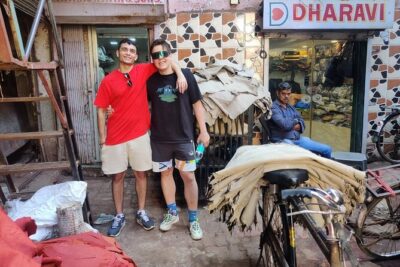
Dharavi slum tour in Mumbai by Female tour guides of the slum
Read our review →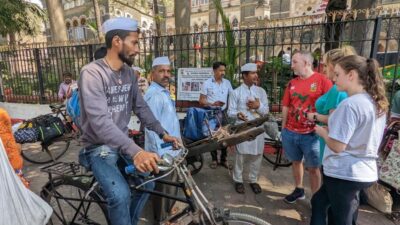
Dharavi Slum Slumdog Millionaire Tour with a Local
Read our review →
Mumbai Slum Tour – Visit Dharavi Slum with Local Guide
Read our review →
Dhobi Ghat Laundry and Dharavi Slum Tour with Local
Read our review →
Browse the lists this tour appears in