
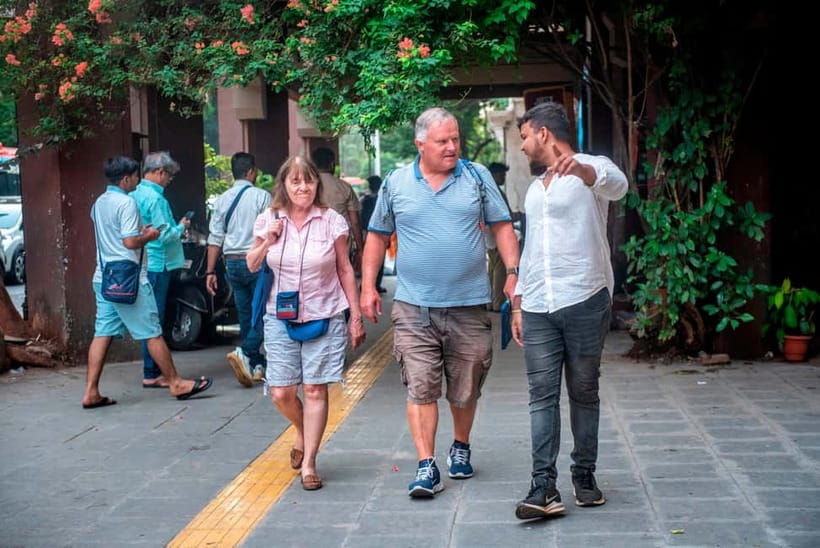
Reviewed · MUMBAI HERITAGE WALKING TOURS
Victorian Gothic Heritage Quarter and Art Deco Walking Tour
Mumbai’s architectural story comes into focus on this 2.5-hour walk. You move from Victorian Gothic stonework to the clean lines of Art Deco, with the great open sweep of Oval Maidan helping you see the contrast at a glance.
I like the strong mix of buildings and street life, especially the stops at Chhatrapati Shivaji Maharaj Terminus, the High Court, Mumbai University, and Rajabai Clock Tower. I also like that street food, including vada pav and pani puri, is part of the experience rather than an afterthought. The main drawback is the midday heat. One person specifically wished the walk had begun an hour earlier, and you should plan for sun and a fair amount of walking.
At a glance
- Two major design eras in one route: Compare Victorian Gothic buildings with Mumbai’s famous Art Deco district around Oval Maidan.
- A strong architectural start: Chhatrapati Shivaji Maharaj Terminus opens the tour with elaborate stonework and a powerful sense of place.
- Street food included: Taste local favorites such as vada pav and pani puri during the walk.
- Guides who adapt: Sharon and Jawwad are praised for clear explanations, safe navigation, rest breaks, and answering questions.
- A useful city introduction: The walk connects colonial Mumbai, the port city, and the modern metropolis in a compact area.
- Good value at $16: For a live English-speaking guide, food tastings, water, and 2.5 hours of sightseeing, the price is modest.
Mumbai’s architecture told from the pavement
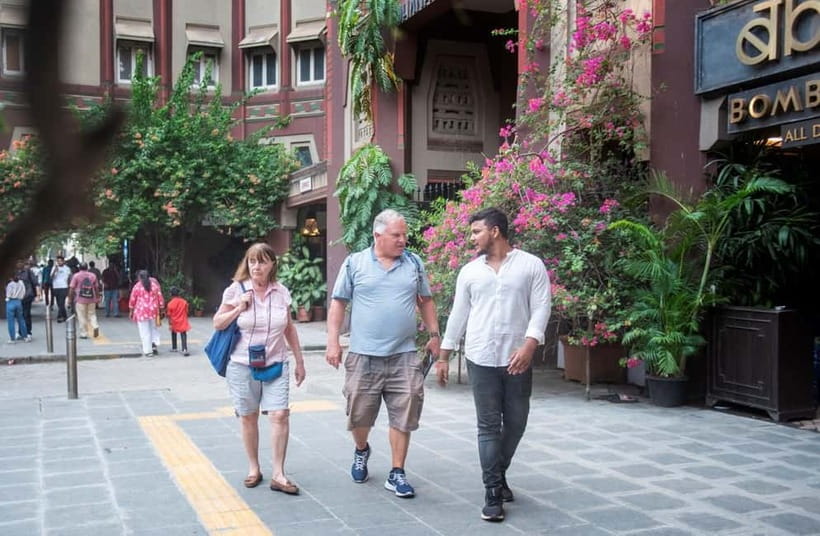
This tour works because Mumbai’s architectural history is not locked away in a museum. It lines the streets, rises above traffic, and changes from one block to the next. You are not simply looking at old buildings. You are learning why the city looks the way it does.
The walk brings together Victorian Gothic Revival and Art Deco, two styles linked to different periods and ambitions. Gothic buildings reflect the colonial era and the confidence of 19th-century British Bombay. Art Deco arrived later, with a cleaner, more modern look that suited a growing city eager to present itself as forward-looking.
I find that contrast more useful than a tour focused on one style alone. When you see the carved Gothic facades on one side of Oval Maidan and the smooth Art Deco buildings on the other, Mumbai’s change from colonial port to modern metropolis becomes easy to grasp.
Your guide supplies the context. Sharon has been praised for explaining both the specific buildings and the wider city, while Jawwad, also called Jay, is known for lively storytelling and thoughtful answers. That matters here. Without a guide, you may notice impressive windows and towers but miss the ideas behind them.
More heritage walking tours in Mumbai
- Heritage Walk: Recommended by Gigi Hadid as a must-do in Mumbai
★ 5.0 · 122 reviews - Best South Mumbai Heritage Walk
★ 5.0 · 122 reviews - Mumbai: South Mumbai Heritage Walking Guided Tour
★ 4.5 · 69 reviews
Starting in Colaba near PizzaExpress
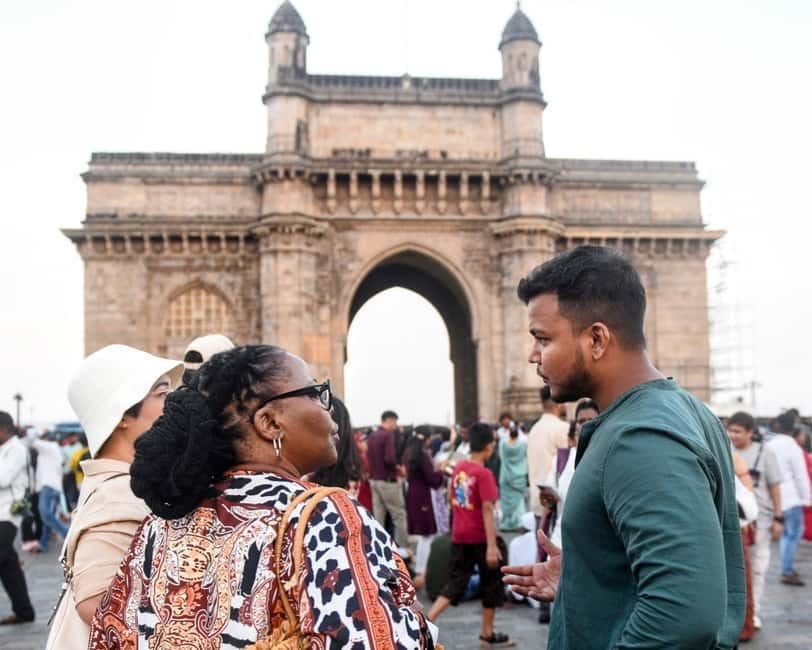
The meeting point is PizzaExpress in Colaba. You meet the English-speaking guide there before setting off toward the historic center.
The starting point is practical for anyone already spending time around Colaba, but pickup and drop-off are not included. You make your own way to the meeting point and finish at Churchgate Station, so think of this as a point-to-point city walk rather than a round trip.
The route includes the Gateway of India, listed as a 15-minute guided stop. The Gateway is one of Mumbai’s best-known landmarks, and its waterfront setting gives the tour an immediate sense of the city’s connection with empire, trade, and travel.
Do not expect a long visit at every place. A 15-minute stop is enough for an explanation, photographs, and a quick look around, but not for a slow, detailed architectural study. That is part of the tradeoff. You cover a lot in a short time, but the experience favors broad understanding over lengthy interior visits.
Chhatrapati Shivaji Maharaj Terminus sets the tone
Chhatrapati Shivaji Maharaj Terminus, often shortened to CST, is one of the tour’s major highlights. It is a UNESCO World Heritage site and a striking example of Victorian Gothic design.
The building is especially useful as a first major lesson in Mumbai’s architecture. Look for the elaborate exterior, the vertical emphasis, and the many decorative details that make the station feel more like a civic monument than a simple transport hub.
The scheduled visit and guided explanation here last about 20 minutes. That is enough time to understand why the station matters and to take in its most important features. If you love architectural detail, you may wish for longer, but the short visit keeps the tour moving.
CST also gives the walk a human scale. This is not just a grand facade viewed from a quiet square. It is part of Mumbai’s working city. The station helps connect the formal architecture to the daily movement of the metropolis.
Rajabai Clock Tower, the High Court, and Mumbai University

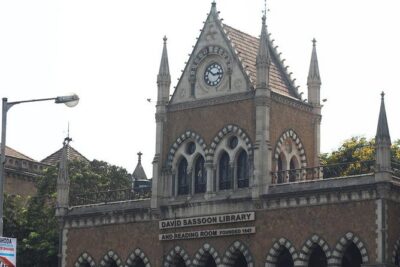
The route continues through Mumbai’s historic district, where several landmark buildings help fill out the Gothic story. Rajabai Clock Tower is among the most memorable sights, with its tall profile and ornate design making it easy to spot above the city.
The High Court and Mumbai University add another layer. Both are associated with Gothic Revival architecture, and their facades show how public institutions used architecture to project authority and permanence.
You should pay attention to the guide’s explanation here rather than rushing from one photograph to the next. The value is in seeing how these buildings belong to the same architectural family while still having their own details and purpose.
The tour information allows for several 15-minute visits or guided stops in this part of the route. That suggests a steady rhythm: stop, listen, photograph, then walk onward. It suits you if you want a clear overview of central Mumbai. It may feel brisk if you prefer to sit and sketch every window or read every plaque.
More history and heritage tours in Mumbai
- Hill-station & Heritage: Lonavala & Karla Caves Tour from Mumbai
★ 5.0 · 60 reviews - Mumbai Heritage Walk and Elephanta Caves Experience
★ 5.0 · 53 reviews - South Mumbai: Cultural Heritage Walking Tour
★ 4.8 · 45 reviews - Kanheri Caves Heritage Tour
★ 5.0 · 45 reviews
Oval Maidan reveals the Gothic and Art Deco divide
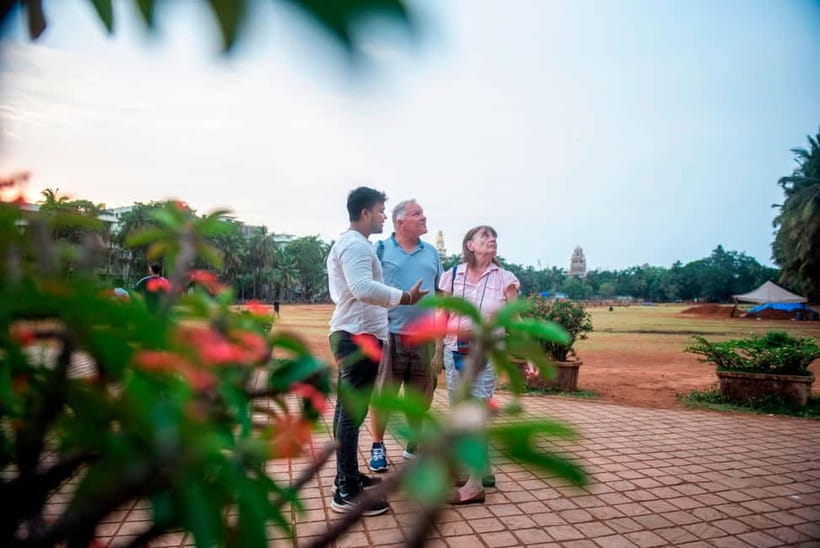
Oval Maidan is the clearest visual moment of the walk. The open ground gives you a broad view across two very different rows of buildings.
On one side, Victorian Gothic facades rise in stone, with pointed forms and elaborate decoration. On the other, Art Deco buildings present a smoother and more streamlined face. The effect is almost like an architectural conversation across the open space.
This is where the tour’s central idea clicks. Gothic Mumbai looks back to the 19th century and colonial institutions. Art Deco Mumbai reflects a later period, when modern design, speed, cinema, and new urban ambitions shaped the city.
The stop includes a 10-minute photo break and guided explanation. That is not much time, but the view does much of the work. I like this part because it does not require a long lecture. The contrast is right in front of you.
The area is also a good place for photographs, though the walk is not designed as a dedicated photography tour. You will have time for useful shots, but the guide will keep the group moving.
Eros Cinema provides a fitting Art Deco finish
The tour concludes with a visit to Eros Cinema, an Art Deco landmark. It is a fitting final stop because cinema and Art Deco share a sense of modern excitement, glamour, and mass culture.
Eros helps make the Art Deco section feel more concrete. You are not only hearing about a collection of buildings. You are seeing how the style appeared in places made for entertainment and public life.
The tour describes Mumbai as home to the world’s second-largest collection of Art Deco buildings. That fact gives the final section weight, but the real pleasure is visual. After the carved Gothic monuments earlier in the walk, the clean geometry of Art Deco feels like a change of mood.
The listed route finishes at Churchgate Station. This is convenient if you plan to continue sightseeing, return to your hotel by local transport, or explore more of the area on your own. Since transport is not provided, you should treat Churchgate as the end point and arrange your onward journey independently.
Street food makes the history easier to remember
Vada pav, pani puri, and other street food tastings are included. This small food element adds something important: it connects the grand buildings to everyday Mumbai.
Vada pav is a simple, filling snack built around a spiced potato fritter in a bread roll. Pani puri is lighter and sharper, with crisp shells and flavored water. The exact tasting details can vary, so you should think of this as a sampling of local flavors rather than a full food tour.
I like the balance. You get architectural history, urban stories, and a taste of the city without paying for a separate food experience. Bottled water is also included, which is useful during a walking tour in warm weather.
The food stops may also give the group a natural pause. Still, anyone with allergies or dietary restrictions should ask the guide about ingredients before eating, since the available information does not specify alternatives.
What the guides add to the walk
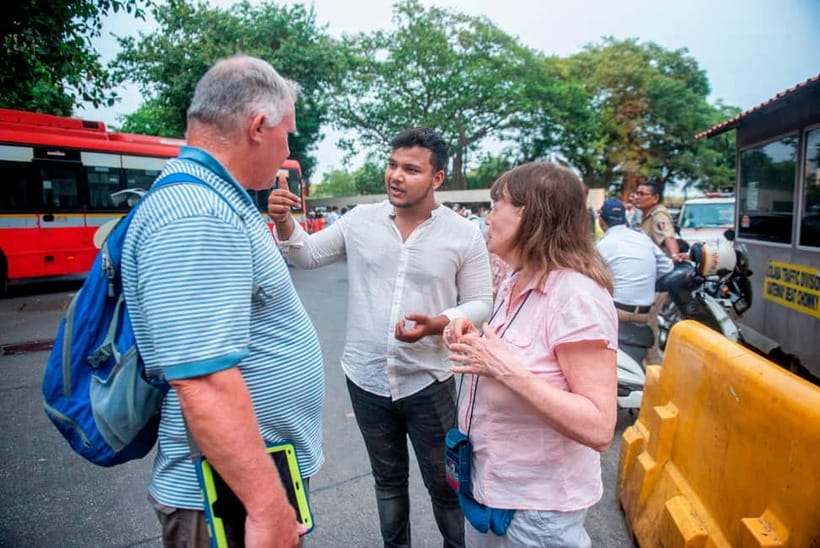
A good guide is especially important on an architecture tour. Mumbai’s Gothic and Art Deco buildings can look impressive without explanation, but the stories help you understand their place in the city.
Sharon has received especially strong praise for answering questions, navigating carefully, and making the walk comfortable. One person noted that she explained not only the tour sights but Mumbai as a whole. Another appreciated feeling safe while covering a lot of the city in a short time.
Jawwad, also referred to as Jay, is described as friendly, well informed, and lively in his storytelling. He has also been praised for allowing time for rest, shopping, or specific requests. That flexibility is useful because walking tours rarely suit every person at the same pace.
Abhi is another guide named in the feedback, with a short but positive note about his work. The guide assigned to you may vary, so do not book on the assumption that a particular person will lead your walk. The important point is that the experience depends heavily on the live guide, and the recent guide record is encouraging.
Timing, heat, and walking comfort
The duration is 2.5 hours, with no private transportation between stops. You should expect to walk through central Mumbai, stop for explanations, and spend time outdoors.
Heat is the main practical concern. One person found the walk warm by noon and preferred a start one hour earlier. If you have a choice of starting times, an earlier option may be more comfortable. Carry sun protection and wear shoes suitable for city walking.
The guide can make a difference to comfort. Jawwad has been praised for allowing rest breaks, and Sharon for keeping the group comfortable while navigating. Even so, this is not a seated sightseeing experience. You should be comfortable walking for most of the tour.
The route includes photo stops and short visits rather than long indoor stays. That makes it a good choice for seeing a lot in a limited time, but less suitable if you need frequent indoor shelter or want extended time inside each building.
Is $16 a fair price?
At $16 per person, this tour offers good value if you want an introduction to Mumbai’s central architecture. The price includes a professional English-speaking guide, street food tastings, and bottled water.
The strongest value comes from the guide. You are paying for interpretation, route planning, and the chance to ask questions, not simply for access to public streets and buildings. A self-guided walk would cost less, but you would need to research the Gothic and Art Deco styles yourself and work out the route.
There are limits. Private transportation is not included, and the information does not promise extended interior access to every landmark. If you want a private vehicle, a small specialist architecture tour, or long visits inside buildings, you may need a different product.
For a compact introduction, though, $16 is modest. The tour links major sights, includes food, and ends near Churchgate Station, where you can continue exploring independently.
Who should book this walking tour?
I would choose this tour if you are visiting Mumbai for the first time and want a clear introduction to the historic center. It also suits you if buildings, city stories, and local food interest you in equal measure.
It is a good fit for photographers who want to compare two architectural styles in one outing. Oval Maidan gives you the best wide view, while CST, Rajabai Clock Tower, the High Court, Mumbai University, and Eros Cinema offer distinct subjects.
You will get the most from it if you enjoy asking questions. The guide-led format gives you a chance to ask about Mumbai’s past, architecture, and daily life rather than simply follow a fixed script.
I would think twice if you dislike walking in warm weather or want a slow, highly detailed study of every building. The 2.5-hour format keeps the pace moving, and the route is mainly outdoors.
Cancellation is flexible up to 24 hours before the start for a full refund, and you can reserve now and pay later. Check the available start times before booking, especially if avoiding midday heat matters to you.
Should you book it?
Book this tour if you want a well-priced introduction to Mumbai’s Gothic and Art Deco core, with a live English-speaking guide and a few local food tastes along the way.
The best reason to go is the view at Oval Maidan, where two eras face each other across the open ground. Add the grandeur of CST, the detail of Rajabai Clock Tower and the university district, and the Art Deco finish at Eros Cinema, and you get a useful portrait of how Mumbai changed over time.
Choose an earlier start when possible, wear comfortable shoes, and arrive ready to walk. If that sounds like your kind of morning, this is an easy tour to recommend.
FAQ
Where does the tour meet?
You meet your guide at PizzaExpress in Colaba.
Where does the tour finish?
The tour finishes at Churchgate Station.
How long does the tour last?
The walking tour lasts 2.5 hours.
What language is the tour conducted in?
The tour is conducted in English with a live English-speaking guide.
What food is included?
Street food tastings are included, such as vada pav, pani puri, and other local items.
Is bottled water included?
Yes, bottled water is included.
Is transportation provided?
No. Private transportation, hotel pickup, and drop-off are not included.
Can I cancel for a full refund?
Yes. You can cancel up to 24 hours in advance for a full refund.
More walking tours in Mumbai
- Group Guided Walking Tour in Fort and Colaba
★ 5.0 · 1,073 reviews - Private Guided Walking Tour in Fort & Colaba
★ 5.0 · 895 reviews - Private Guided Walking Tour in Bandra Queen of Suburbs
★ 5.0 · 383 reviews - Private Guided Spiritual Walk in Banganga Hindu Temples
★ 5.0 · 271 reviews
Recently added around Mumbai
- Private Walking Tour in Dharavi Slums★ 5.0 · 7 reviews
- Mumbai Sightseeing Tour★ 5.0 · 11 reviews
- Private Mumbai 2-Day Tour Package:City + Slum & Elephanta Island.★ 5.0 · 3 reviews
- Vegetarian Indian Cuisine Virtual Cooking Class Experience from Mumbai★ 5.0 · 4 reviews
- Mumbai by Night Guided Tour★ 5.0 · 6 reviews
- Transfer from Mumbai Airport to Hotel★ 4.0 · 7 reviews
- Full-Day Agra Tour with Taj Mahal From Mumbai By Air★ 5.0 · 8 reviews
- Taj Mahal Day Trip Including Same Day Flights from Mumbai★ 5.0 · 3 reviews
Mumbai Heritage Walking Tours, compared.

Heritage Walk: Recommended by Gigi Hadid as a must-do in Mumbai
Read our review →

Hill-station & Heritage: Lonavala & Karla Caves Tour from Mumbai
Read our review →
Mumbai Heritage Walk and Elephanta Caves Experience
Read our review →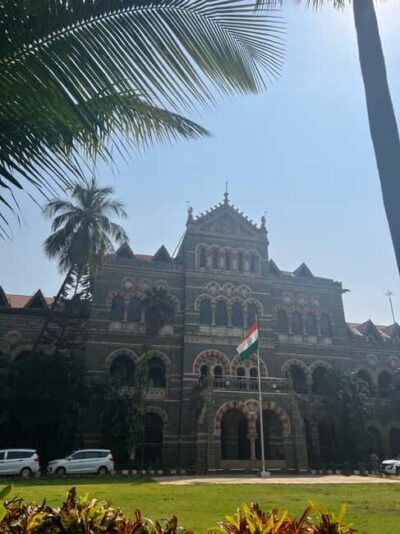
Private Mumbai Jewish Heritage Tour: Baghdadi & Bene Israel
Read our review →Browse the lists this tour appears in