
Reviewed · MUMBAI HERITAGE WALKING TOURS
Private Jewish Heritage Tour
Mumbai’s Jewish story is easy to miss among the city’s grand mosques, temples, churches, and colonial buildings. This private tour brings it forward through historic synagogues, Sassoon landmarks, and a Jewish graveyard, while also showing how Bene Israel and Baghdadi Jewish communities shaped the city.
I like the private format, which lets you ask questions and set a comfortable pace, and I like the included car and hotel transfers in a city where traffic can eat up half a morning. The main caution is organization: one poor experience involved a missing sign, an unexplained wait in the car, and a guide who was not prepared for the planned route.
Key points at a glance
- A rare look at Mumbai’s Jewish communities: Visit Bene Israel and Baghdadi Jewish sites rather than only the city’s best-known monuments.
- Several synagogues in one outing: See Gate of Mercy, Magen David, Magen Hassidim, and Keneseth Eliyahoo.
- Private car and hotel transfers included: You do not need to arrange taxis between scattered stops.
- Good use of a half-day: The tour lasts about 4 to 5 hours and includes major South Mumbai sights along the way.
- Guide quality matters: Devi received especially warm praise for friendly conversation, clear English, and useful local insight.
- Plan for a little uncertainty: The tour requires at least two people, and site access or timing may need confirmation on the day.
Why Mumbai’s Jewish story deserves a half-day
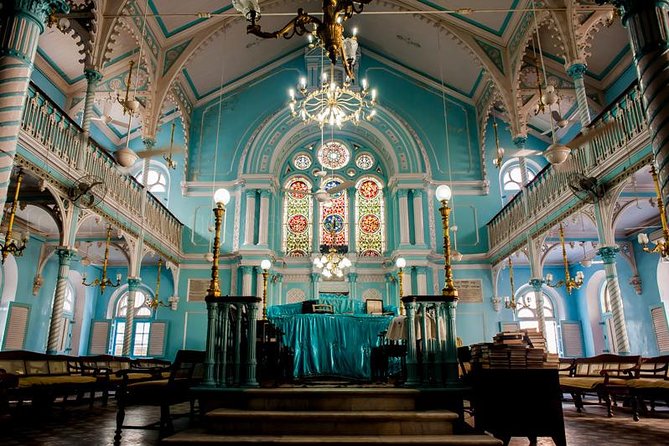
Mumbai is often introduced through its Hindu temples, Islamic architecture, Christian churches, colonial buildings, and famous waterfront. Its Jewish heritage is less obvious, yet the city has long been home to distinct Jewish communities, including Bene Israel and Baghdadi Jews.
This tour gives you a way to connect those communities to real places. You are not simply hearing a list of dates in a vehicle. You visit working and historic synagogues, see Jewish schools and community buildings, and stop at a Jewish burial ground. That makes the subject easier to understand, especially if this is your first introduction to Indian Jewish life.
I also like the way the route links Jewish landmarks with the wider city. A visit to Magen David Synagogue sits beside the story of David Sassoon. A stop near the waterfront places the community within Mumbai’s port economy. The result is a broader picture of a city shaped by trade, migration, religion, and family networks.
The tour costs $75 per person. Since a minimum of two people is required, the starting cost for a private booking is $150. That is not the cheapest way to see South Mumbai, but it includes an air-conditioned car, hotel pickup and drop-off, a professional driver, and an English-speaking guide for four to five hours. For two people, the price can be reasonable if you value door-to-door transport and a guide focused on one subject.
More temple and spiritual tours in Mumbai
- Private Guided Spiritual Walk in Banganga Hindu Temples
★ 5.0 · 271 reviews - Mumbai: Kanheri Caves and The Golden Pagoda Temple
★ 4.7 · 108 reviews - Sanjay Gandhi National Park(SGNP) + Kenheri Caves + Lion Safari + Jain Temple
★ 5.0 · 88 reviews
Gateway of India and the Taj Mahal Palace
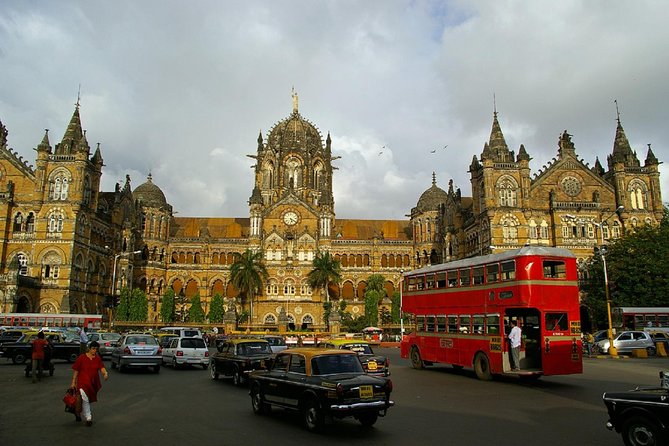
The opening stops are not Jewish sites, but they help you get your bearings in South Mumbai.
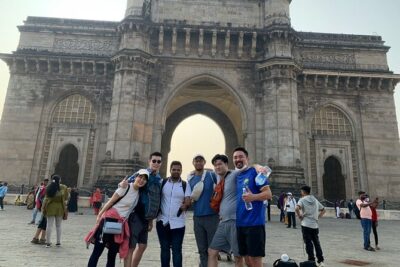
The Gateway of India was built to welcome King George V and Queen Mary into India. You have about 15 minutes here, enough for photographs and a quick look at Mumbai’s best-known waterfront monument. Admission is free, and the stop gives useful context before the tour turns toward the city’s Jewish institutions.
Next comes the Taj Mahal Palace, Mumbai’s famous hotel. The original building was commissioned by Jamshedji Tata and opened to visitors on December 16, 1903. The planned stop lasts about 10 minutes and is mainly an exterior orientation point.
These two stops are brief, so do not expect a full architectural tour. Their value is practical: they place the Jewish story inside the same South Mumbai setting that shaped commerce, tourism, and public life.
Sassoon Dock and the city’s working waterfront
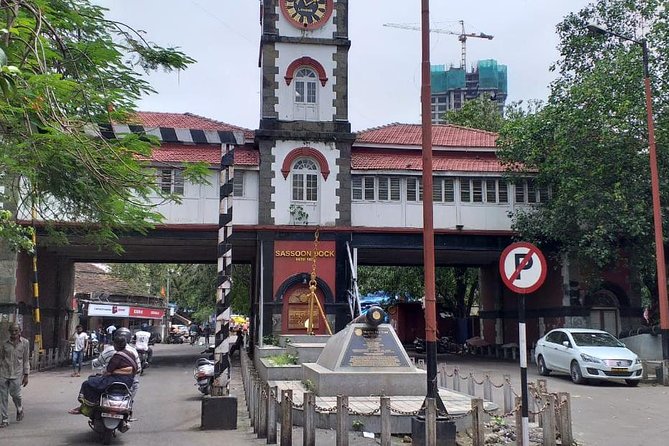
At Sassoon Dock, you spend about 30 minutes near Mumbai’s largest fishermen’s port land. The site was donated by Sir Albert Sassoon, and its clock tower is one of the visible reminders of the area’s connection to the Sassoon family.
This stop adds an important layer to the tour. The Sassoons were Baghdadi Jews whose commercial and charitable work left a mark on Mumbai. Seeing the dock helps you connect a family name on a synagogue or library to the city’s working port.
You should expect a short visit rather than a carefully staged attraction. The point is the setting: fishermen, port activity, and a building linked to the Sassoon name. I find that kind of stop more useful than another polished monument because it shows how Mumbai functioned as a trading city.
The port can also affect timing. You are moving through a busy urban area, and the tour’s private vehicle is especially useful here. You are not left trying to coordinate several taxi rides while watching the clock.
Gate of Mercy and Magen David Synagogues
Gate of Mercy Synagogue is described as one of Maharashtra’s earliest synagogues. It is also connected with a story involving the Muslim ruler Tipu Sultan, giving the stop a wider religious and political setting than a simple building visit.
The stop is planned for about 20 minutes. That is enough for an introduction, a look at the structure, and questions, but it may feel short if you want a detailed architectural examination. Ask your guide to explain the congregation connected with the synagogue and how it fits into Mumbai’s Jewish communities.
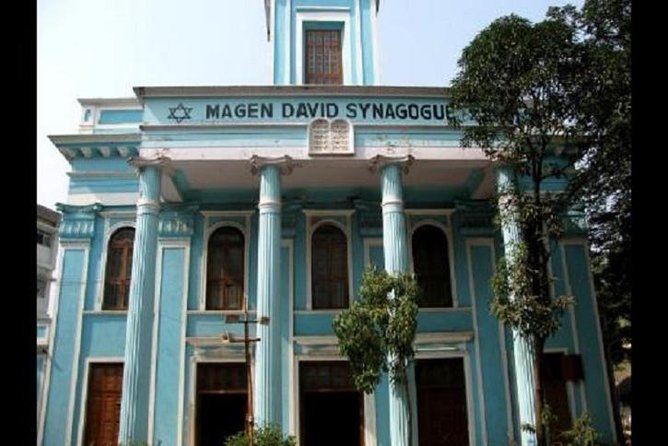
Magen David Synagogue brings the Sassoon story into sharper focus. David Sassoon built it, and the site includes Jewish schools and a Jewish guest house. This is one of the best places on the route for understanding Baghdadi Jewish life in Mumbai as a community network rather than a single house of worship.
The building also has a clock tower. That detail makes the site easy to recognize and reinforces the way Jewish philanthropy became part of Mumbai’s public architecture.
The planned visit lasts around 20 minutes. You will get more from it if you ask about the school and guest house, not just the synagogue’s exterior. The tour description presents this as a place where you can see traces of the Baghdadi Jewish community that once had a larger presence in the city.
More heritage walking tours in Mumbai
- Best South Mumbai Heritage Walk
★ 5.0 · 122 reviews - Heritage Walk: Recommended by Gigi Hadid as a must-do in Mumbai
★ 5.0 · 122 reviews - Mumbai: South Mumbai Heritage Walking Guided Tour
★ 4.5 · 69 reviews - Hill-station & Heritage: Lonavala & Karla Caves Tour from Mumbai
★ 5.0 · 60 reviews
Magen Hassidim and Bene Israel traditions
Magen Hassidim Synagogue offers a different angle. It is described as one of the more active Bene Israel synagogues, with marriages and other ceremonies held there.
That distinction matters. Mumbai’s Jewish population has never been one single group with one shared story. Bene Israel traditions developed in India over many generations, while the Baghdadi community arrived through different commercial and family links. Visiting both Magen David and Magen Hassidim lets you compare those strands.
The stop lasts approximately 20 minutes. The value is less about checking another building off a list and more about seeing a synagogue connected with ongoing religious life. Ceremonial use can also mean that access or the pace of a visit may vary, so you should remain flexible and follow the guide’s instructions.
If your interest is religious history, community identity, or the experience of minority groups in India, this may be one of the most useful stops. It gives the tour a living quality without claiming that every site functions in exactly the same way.
Keneseth Eliyahoo in a prime South Mumbai location
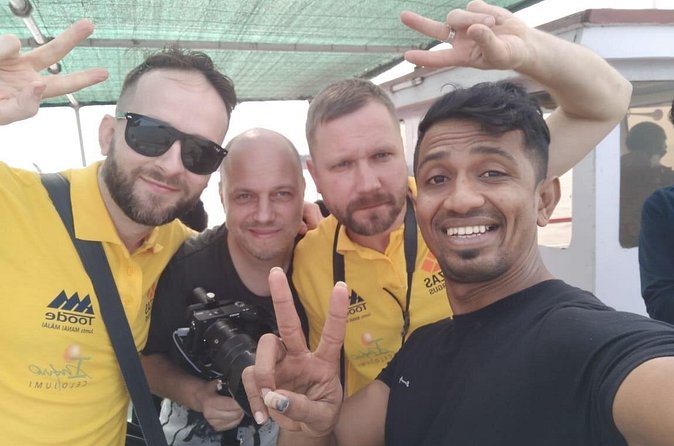
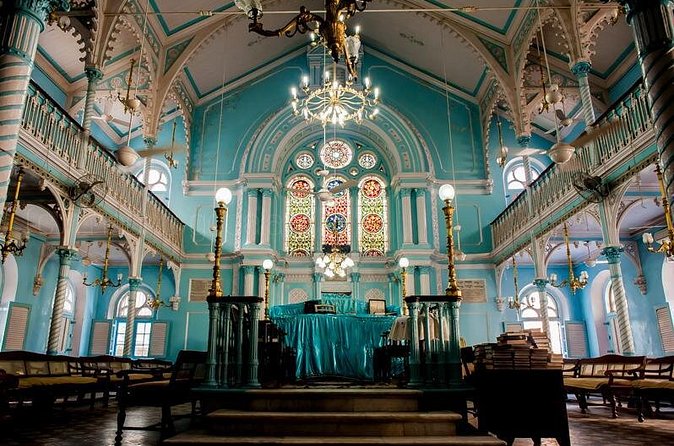
Keneseth Eliyahoo Synagogue is often the most accessible site for visitors because of its central tourist location. The tour allows about 20 minutes here, and the synagogue is described as a place that hosts delegates and prominent visitors and offers services for visitors.
That makes it a practical introduction to Mumbai’s Jewish architecture. You may find it easier to appreciate the building after seeing the less tourist-focused community sites first. By this point, the names of the Bene Israel and Baghdadi communities should also make the visit more meaningful.
The stop is still brief. If you want a long architectural tour, this package may not be the right fit. Its strength is range: you see several institutions in one morning or afternoon rather than spending the entire outing at one synagogue.
Because the synagogue sits near major South Mumbai attractions, it also fits neatly with the Gateway of India and Taj Mahal Palace stops. You can see how the city’s Jewish landmarks sit beside its commercial, colonial, and tourist centers.
David Sassoon Library, Chabad House, and the Jewish graveyard
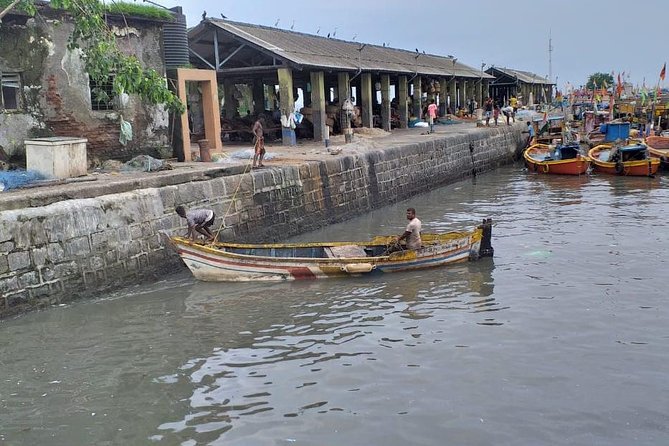
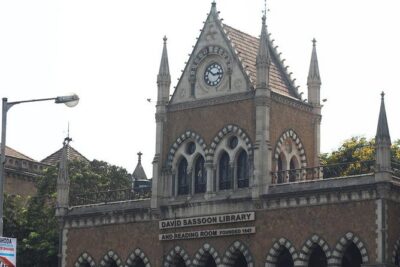
The David Sassoon Library is another landmark tied to Sir David Sassoon. It is described as open every day of the year, which is an unusual and useful detail for anyone planning independent sightseeing later.
The library adds a civic and educational side to the Sassoon legacy. Jewish philanthropy in Mumbai was not limited to synagogues. It also supported public buildings and institutions used by the wider city.
The wider tour description also includes the city’s Chabad House and a local Jewish graveyard. These stops matter because they broaden the subject beyond grand buildings. Chabad House represents a current Jewish presence, while the graveyard connects the story to families and generations who lived in Mumbai.
The supplied route does not give a precise visit length for either stop, so you should treat the schedule as approximate. It also does not spell out exactly which Chabad House location is included. If either site is especially important to you, confirm the day’s plan with the operator before setting off.
One additional point is worth knowing. A moving exhibit about the terrorist attack at Nariman House has been praised as informative and emotional. Since the listed stop is Chabad House and the route details do not clearly promise a Nariman House visit, ask the guide whether that exhibit is part of your specific outing rather than assuming it is included.
What the private format really changes
A private tour is more than a smaller group. It gives you the chance to spend longer on the synagogue or community story that catches your interest, provided the day’s timing allows it.
You also avoid sharing a vehicle with strangers and can ask direct questions. That is helpful here because Jewish Mumbai involves unfamiliar names, separate communities, and connections between religious, charitable, and commercial institutions.
The included private car is a real advantage. South Mumbai’s sites are spread across busy streets, and the tour combines waterfront monuments, docks, synagogues, a library, and other community locations. Hotel pickup and drop-off remove much of the friction.
The guide is the most important variable. Devi received especially strong praise for being personable, kind, helpful, and fluent in English. One guide was also praised for going out of his way to accommodate a group’s needs. At the same time, a serious service failure involved confusion about the meeting point, an hour-long wait in the vehicle, and a guide who appeared surprised by the itinerary.
I would confirm the pickup time, vehicle details, and planned stops before the morning of the tour. That simple check can prevent the sort of confusion that affected one booking. The provider acknowledged the problem and apologized, but a good plan is still better than a later apology.
Timing, price, and who will like this tour
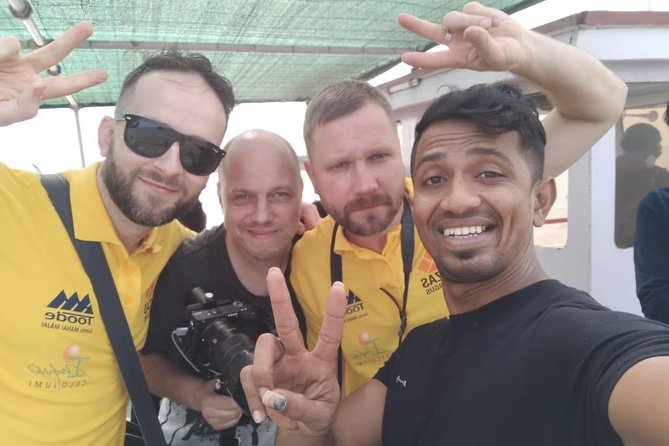
At four to five hours, this is a solid half-day activity. It works well when you want a focused cultural outing without giving up an entire day in Mumbai.
The $75 per-person price makes the most sense for couples, families, or small groups who want private transport and a dedicated guide. It is less compelling if you already have a car, a local guide, and a firm understanding of where each synagogue is located.
Admissions are listed as free, and food and drinks are not included. Plan to handle refreshments yourself. Since the schedule is full, it may be wise to eat before departure unless your guide suggests a suitable break.
Most people can participate, and the meeting areas are near public transportation. Still, the tour involves several stops and city traffic, so anyone who prefers a slow, extended visit at one site may find the pace brisk.
Free cancellation is available if you cancel at least 24 hours before the local start time. Cancellations within 24 hours are not refunded, and late changes are not accepted.
Should you book the Private Jewish Heritage Tour?
I would book this tour if you want an efficient introduction to Mumbai’s Jewish communities and prefer a private vehicle over arranging several short taxi rides. The mix of Bene Israel and Baghdadi sites, Sassoon landmarks, a graveyard, and Chabad House gives you a broader picture than a visit to one synagogue alone.
I would be more cautious if precise organization is essential. Confirm the pickup, ask whether the Jewish graveyard and Chabad House are both on the day’s route, and clarify whether the Nariman House exhibit is included. If Devi is your assigned guide, the experience may benefit from his friendly, clear approach, but guide assignments are not guaranteed by the details provided.
For a first look at Jewish Mumbai, the tour offers good subject coverage in a manageable half-day. Its value depends on the guide and on clear coordination, so take a few minutes to confirm the practical details before you go.
FAQ
How long does the Private Jewish Heritage Tour last?
The tour lasts approximately 4 to 5 hours.
What is included in the tour price?
The price includes transport in an air-conditioned car, hotel pickup and drop-off, an English-speaking guide, a professional driver, and a private tour for your group.
Is this a private tour?
Yes. Only your group participates.
How many people are required to book?
A minimum of two people is required per booking.
Are food and drinks included?
No. Food and drinks are not included.
What is the cancellation policy?
You can cancel at least 24 hours before the experience for a full refund. Cancellations or changes made less than 24 hours before the local start time are not accepted and are not refunded.
More history and heritage tours in Mumbai
- Mumbai Heritage Walk and Elephanta Caves Experience
★ 5.0 · 53 reviews - Kanheri Caves Heritage Tour
★ 5.0 · 45 reviews - South Mumbai: Cultural Heritage Walking Tour
★ 4.8 · 45 reviews - Mumbai Private Cultural Tour with Lunch and Transport
★ 5.0 · 44 reviews
Recently added around Mumbai
- Mumbai Sightseeing Tour★ 5.0 · 11 reviews
- Private Walking Tour in Dharavi Slums★ 5.0 · 7 reviews
- Private Mumbai 2-Day Tour Package:City + Slum & Elephanta Island.★ 5.0 · 3 reviews
- Vegetarian Indian Cuisine Virtual Cooking Class Experience from Mumbai★ 5.0 · 4 reviews
- Mumbai by Night Guided Tour★ 5.0 · 6 reviews
- Transfer from Mumbai Airport to Hotel★ 4.0 · 7 reviews
- Full-Day Agra Tour with Taj Mahal From Mumbai By Air★ 5.0 · 8 reviews
- Taj Mahal Day Trip Including Same Day Flights from Mumbai★ 5.0 · 3 reviews
Mumbai Heritage Walking Tours, compared.

Heritage Walk: Recommended by Gigi Hadid as a must-do in Mumbai
Read our review →
Hill-station & Heritage: Lonavala & Karla Caves Tour from Mumbai
Read our review →
Mumbai Heritage Walk and Elephanta Caves Experience
Read our review →
Private Mumbai Jewish Heritage Tour: Baghdadi & Bene Israel
Read our review →Browse the lists this tour appears in