
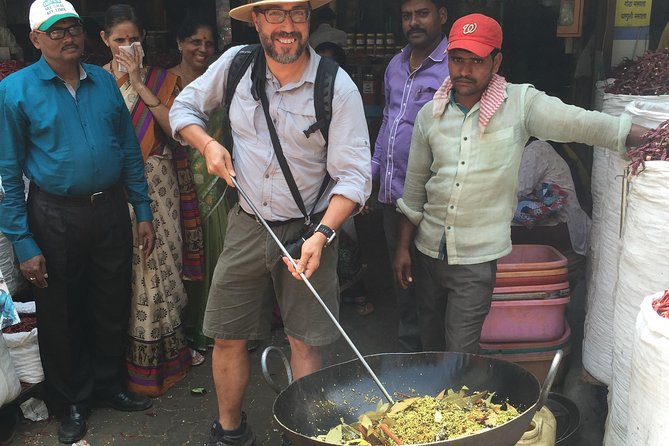
Reviewed · MUMBAI MARKET AND BAZAAR TOURS
Mumbai Spice Markets and Bazaars Tour with Guide and Transport
Mumbai’s markets make the most sense when someone local helps you read them. This private tour takes you from the old repair shops and collectibles of Chor Bazaar to the sacks of chilies and spice blends at Lalbaug, where names such as Guntur, Bedki, Reshampatti, and Kashmiri become part of the lesson.
I like the private format, which lets you ask questions and shop at your own pace. I also like the hotel pickup and drop-off, a real help in Mumbai traffic. The main drawback is that the route and order can change, and the tour may run closer to three hours than four if you move quickly through the markets.
Key points to know before booking
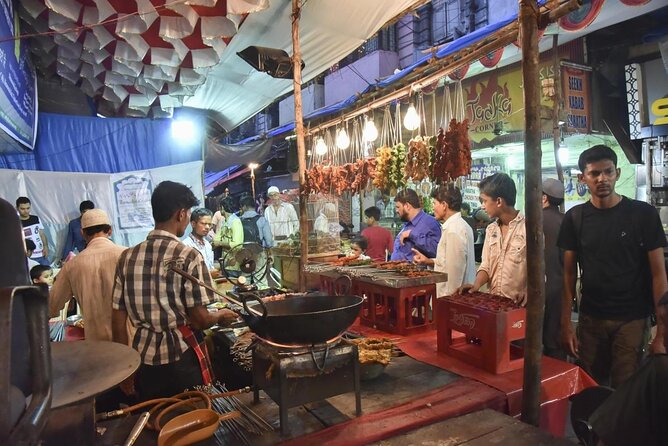
- Chor Bazaar is more than a souvenir stop: Look for old furniture, gramophones, LPs, handmade film posters, electronics, and possible antiques.
- Lalbaug is the food-focused highlight: You will see several kinds of dried chilies and spice mixes made for Indian cooking.
- Private guiding changes the pace: Guides including Batul, Heer, and Aman Wallia have helped with local context and purchases.
- Transport is built in: A driver and private vehicle handle hotel pickup and return, with an extra transport charge for Mumbai suburban hotels.
- Plan on three to four hours: About an hour is assigned to each main market, with driving time between them.
- This is best for curious shoppers: You get more from it if you want to smell, compare, ask questions, and possibly buy spices or unusual objects.
Why Mumbai’s markets are worth your morning
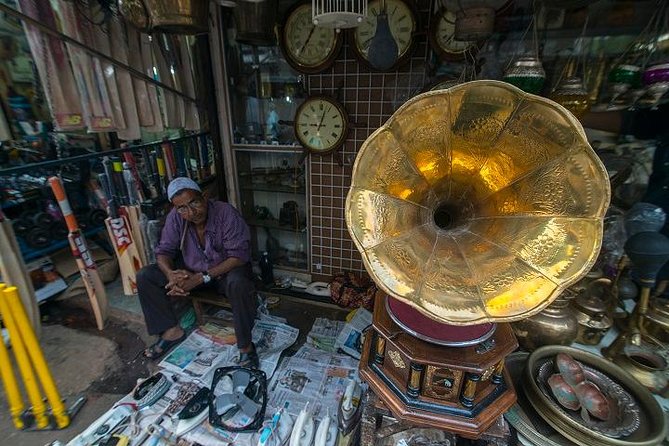
Mumbai’s markets can feel like a puzzle of narrow lanes, repair stalls, food smells, old buildings, and quick-moving shoppers. On your own, you may see plenty but miss the meaning behind it. A local guide gives you a way into that daily world without requiring you to guess what is worth a closer look.
This is not a grand monument tour. It is about ordinary commerce and the small details that explain how the city works. You see where old goods are repaired or resold, then move into the trade in ingredients that shape Indian cooking.
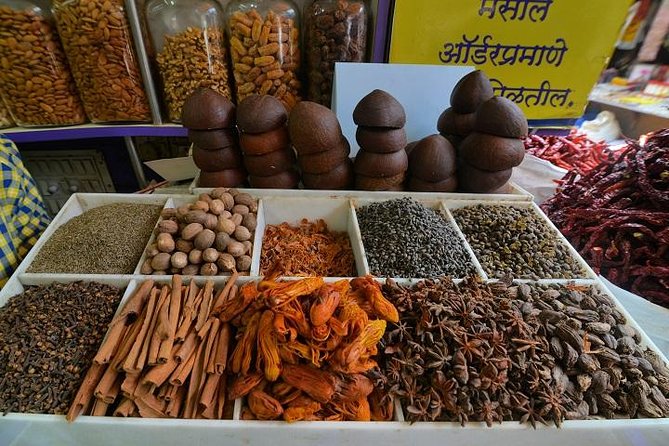
The food connection is especially useful. Indian cuisine is not built from one generic curry powder. It depends on different chilies, spice blends, and regional preferences. At Lalbaug, you can look at the ingredients as physical objects, smell them, and ask how they are used.
The tour is also a practical introduction to shopping. Your guide may help you identify a suitable spice mix or explain what you are buying. That matters in a market where labels may not be written for an international shopper and where several dried chilies can look similar at first glance.
More market and bazaar tours in Mumbai
- Mumbai: Street Food and Night Markets Tour
★ 4.9 · 719 reviews - Mumbai Morning Market Tour of Flowers, Fish, and More
★ 5.0 · 100 reviews - Mumbai Morning Market Tour of Flowers, Fish, and More
★ 5.0 · 82 reviews
Chor Bazaar and the story behind the name
The first stop is Chor Bazaar, usually planned for about an hour. Its name translates as Thieves Market, but the area’s earlier identity was Shor Bazaar, or noisy market. The name fits the setting, yet it does not tell the whole story.
The market grew around mechanics and repair garages. That background helps explain why the stalls can contain far more than the usual tourist goods. You might find old furniture from the Raj period, vintage gramophones, out-of-print LPs, rare electronics, and handmade film posters.
For a collector, this can be the most rewarding stop. You are not simply walking through a row of polished souvenir shops. The appeal is the chance of finding an object with age, character, or a useful repair story behind it. The important word is chance. The market is not presented as a guaranteed antique hunt, and you should not assume every old-looking item is authentic.
A guide can help you understand what you are seeing, but you still need to use judgment before buying. Ask about condition, age, and price. If an object matters to you, inspect it closely and remember that international transport can be difficult for bulky furniture or fragile electronics.
The market may be less interesting if you want a neat, tightly arranged shopping area. Part of its character comes from the mix of repair work, secondhand goods, and objects with uncertain histories. I would give this stop more time if you collect records, old household items, film art, or vintage technology. If you are focused only on spices, it may feel like a detour, though the contrast gives the tour a wider view of Mumbai commerce.
Lalbaug Spice Market and the language of chilies
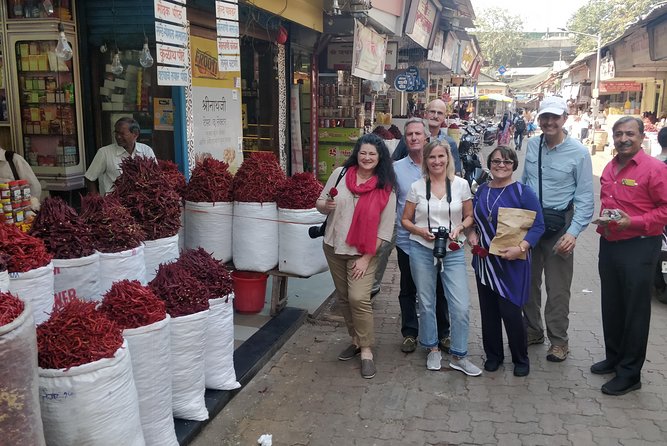
Lalbaug Spice Market is the tour’s main food stop, with about an hour devoted to the area. The names alone show how specific the trade can be: Guntur, Bedki, Reshampatti, and Kashmiri chilies are not interchangeable labels for the same product.
You will see and smell dried chilies and other spice mixes that form the base of Indian dishes. This is where a guide adds real value. Instead of looking at sacks of red and brown ingredients as one blurred display, you can ask about differences in color, heat, and use.
The tour description does not promise a cooking class or a meal, so you should think of this as a market lesson rather than a tasting event. Its strength is the sensory side of shopping. The smell of ground spices and whole ingredients gives you a clearer idea of how much work goes into the flavors you may have encountered in restaurants.
You can also ask for help buying spices. A guide has helped people choose and purchase ingredients, which is useful if you want to take a small piece of Mumbai’s food culture home. Ask about packaging and customs rules before buying large quantities. Those details are not included in the tour, so you remain responsible for checking what you can carry into your next country.
The spice market may not suit you if strong smells, tight lanes, or market noise are tiring. It is also not designed as a quiet photographic setting. Bring patience, keep your belongings secure, and follow your guide through the busiest sections.
Private guiding with Batul, Heer, and Aman
A private tour gives you only your own group and guide. That is a major advantage in markets, where a large group can block lanes and make it hard to hear explanations. You can stop for a closer look, ask about a particular object, or spend more time comparing spices.
Several guides have led this experience, including Batul, Heer, and Aman Wallia. Batul has been praised for making the market walk fun and engaging while helping with shopping. Heer has been singled out for a friendly, personable approach and for explaining Mumbai beyond the two markets. Aman Wallia has guided a group with trainee Kinjal, while Abhijeet handled the driving.
Those names do not mean you can request a specific guide with certainty. They do show the kind of personal contact built into the tour. If a guide helps you shop, use that opportunity to ask precise questions: What is this chili used for? Is this spice mix ready to cook with? Is the old object a reproduction or an original? You will get more from the outing when you treat it as a conversation instead of a moving photo stop.
The private setup also works well for mixed interests. One person can focus on spices while another looks at records or old furniture. A shared group tour may move on before you have finished examining something, while this format gives you more control.
The tradeoff is cost. At $91.02 per person, this is not a bargain market walk for a solo budget visitor. You are paying for a private guide, driver, vehicle, hotel service, and the ability to set the pace within a short scheduled route. For two or more people, the cost may feel more reasonable because the service is shared within your own party.
A few more Mumbai tours and experiences worth comparing
- Group Guided Walking Tour in Fort and Colaba
★ 5.0 · 1,073 reviews - Mumbai: Elephanta Caves Half-Day Guided Tour with Expert
★ 4.8 · 1,032 reviews - Private Guided Walking Tour in Fort & Colaba
★ 5.0 · 895 reviews - Highlights of South Mumbai Guided Private Tour in AC Vehicle
★ 5.0 · 620 reviews
Hotel pickup and Mumbai traffic
Hotel pickup and drop-off take much of the guesswork out of reaching markets that can be difficult to connect by public transport. A driver collects you, and the guide meets you as part of the arranged tour. This is particularly useful if you are new to Mumbai or have limited time between other plans.
The included vehicle is private, but that does not mean the city traffic will be quick. The tour lasts approximately three to four hours, and driving time affects how long you spend walking through the markets. The two main stops are each planned for about an hour, but the provider can change the order or sequence on the day.
Hotels in Mumbai’s suburbs may carry an additional pickup transport charge. Check your hotel location before booking so the final price does not surprise you. The advertised price includes GST, local taxes, the professional guide, driver, hotel pickup and return, private transport, and the private tour itself.
A curious detail in the inclusions is the reference to a hop-on hop-off tour. The main experience described here is a private vehicle tour with two market stops, so I would not book it expecting a full city sightseeing circuit. Treat the market visit and its private transport as the core service.
Timing, pace, and what to bring

The tour is best placed when you still have energy for walking and concentration. Market lanes reward attention. You will want to notice signs, goods, smells, and the guide’s explanations rather than rush from one stop to the next.
The schedule allows roughly one hour at Chor Bazaar and one hour at Lalbaug Spice Market. The remaining time covers pickup, traffic, and movement between locations. If shopping is your priority, tell the guide early. If you mainly want an introduction, the standard pace should give you a useful look at both areas.
Wear comfortable shoes and clothing suitable for walking in market lanes. This is practical advice rather than a special rule from the operator, but it follows from the nature of the outing. Keep your wallet, phone, and passport secure, and avoid carrying more than you need.
Children aged nine and below can take the tour free of charge. Most people can participate, but the provided information does not give detailed accessibility guidance. If your group has specific mobility needs, ask the provider before booking, especially since the markets involve narrow lanes and active commercial areas.
The tour does not operate on the day of the Mumbai Marathon. It can also be cancelled by No Footprints at its discretion, with advance notice. For a normal cancellation, you can receive a full refund if you cancel at least 24 hours before the start time. Changes or cancellations inside that window are not accepted for a refund.
How the price compares with the experience
At $91.02 per person, the tour makes the most sense when you value time, transport, and personal help. A self-guided market visit would cost less, but you would need to find both areas, manage Mumbai traffic, decide what is worth buying, and interpret the markets without local assistance.
The price is easier to justify for a small private group. You receive hotel service, a driver, a private vehicle, and a guide who can adjust the conversation to your interests. The shopping help may also prevent simple mistakes, such as buying an ingredient without knowing how it is used.
The value is weaker if you only want a quick look at a spice market. In that case, the two-stop route and private transport may cost more than you need. The strongest case for booking comes from combining several interests: local food, unusual shopping, Mumbai neighborhoods, and a comfortable way to move between them.
The tour also includes free admission to both market stops, so there is no separate entry ticket to budget for. Your own purchases are extra, as is suburban pickup transport when applicable.
Who should book this Mumbai market tour
I would recommend this outing to first-time Mumbai visitors who want something beyond landmark sightseeing. It suits you if you enjoy asking questions, browsing imperfect shops, and learning how food ingredients move from market stalls into home cooking.
It is also a good match for collectors and shoppers interested in old furniture, records, film posters, gramophones, and vintage electronics. Chor Bazaar gives you a reason to look closely rather than simply pass through.
Food-focused visitors will get the most from Lalbaug, especially if you want to buy chilies or spice blends. The guide can make the difference between a confusing pile of red powders and a useful introduction to regional ingredients.
I would hesitate to recommend it if you dislike markets, want a quiet sightseeing morning, or expect a formal cooking demonstration. It is also not ideal if you need a completely fixed schedule, since the guide can change the order and timing of the stops.
Should you book it?
Book this tour if you want a short, private introduction to two very different sides of Mumbai shopping. The best features are the personal guide, private transport, help with spice purchases, and the chance to see unusual goods at Chor Bazaar rather than only polished tourist shops.
Skip it if your budget is tight or you prefer to explore markets independently. At $91.02 per person, the value comes from convenience and interpretation, not from the number of sights. For a small group with limited time, that trade can be worthwhile.
FAQ
How long does the Mumbai markets tour last?
The tour lasts approximately three to four hours, including hotel pickup, transport between locations, and the market visits.
Which markets are included?
The main stops are Chor Bazaar and Lalbaug Spice Market. The order of the stops may be changed by No Footprints and the guide.
Is hotel pickup and drop-off included?
Yes. Hotel pickup and drop-off by private vehicle are included, though an additional transport cost applies for pickup from Mumbai suburban hotels.
Is this a private tour?
Yes. Only your own group participates, with a professional guide, driver, and private vehicle.
Can children join the tour?
Children aged nine years and below can take the tour free of charge. Most people can participate.
Can I cancel for a full refund?
You can cancel for a full refund if you do so at least 24 hours before the experience start time. Cancellations or changes made less than 24 hours before the start are not accepted for a refund.
Recently added around Mumbai
- Mumbai Sightseeing Tour★ 5.0 · 11 reviews
- Private Walking Tour in Dharavi Slums★ 5.0 · 7 reviews
- Private Mumbai 2-Day Tour Package:City + Slum & Elephanta Island.★ 5.0 · 3 reviews
- Vegetarian Indian Cuisine Virtual Cooking Class Experience from Mumbai★ 5.0 · 4 reviews
- Mumbai by Night Guided Tour★ 5.0 · 6 reviews
- Transfer from Mumbai Airport to Hotel★ 4.0 · 7 reviews
- Full-Day Agra Tour with Taj Mahal From Mumbai By Air★ 5.0 · 8 reviews
- Taj Mahal Day Trip Including Same Day Flights from Mumbai★ 5.0 · 3 reviews
Mumbai Market and Bazaar Tours, compared.
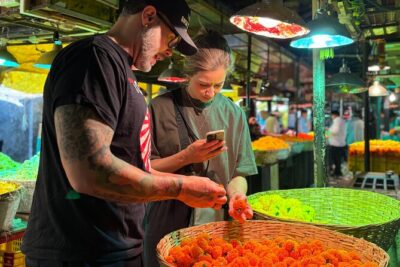
Mumbai Morning Market Tour of Flowers, Fish, and More
Read our review →Mumbai Morning Market Tour of Flowers, Fish, and More
Read our review →
Mumbai Street Food Tour with Evening Bazaar Walk
Read our review →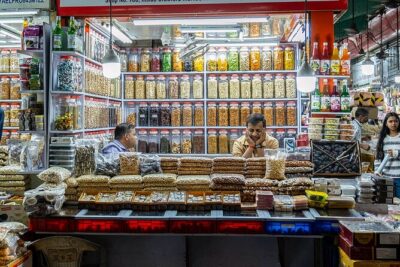

Mumbai Street Food & Bazaar Tour with Local Transport
Read our review →
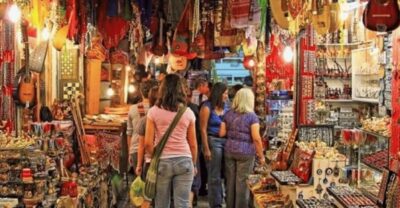
Vibrant Markets of Mumbai (2 Hours Guided Walking Tour)
Read our review →Browse the lists this tour appears in