
Reviewed · MUMBAI HERITAGE WALKING TOURS
Mumbai heritage walk- Story of Gothic and Art Deco buildings
Mumbai tells its story in stone. On this walk, grand Gothic railway halls, a wedding-cake cinema, old libraries, and Art Deco apartments show how the city grew into a major trading center. Guide Pankaj links each building to the people and events behind it, so you see more than attractive facades.
I like the small maximum of 15 people, which gives you a better chance to hear the guide and ask questions. I also like the mix of styles and stories, from the Indian touches at Chhatrapati Shivaji Terminus to the personal tale behind Rajabai Clock Tower. Snacks add a welcome break.
The main consideration is access. Several landmarks are viewed from outside, and the David Sassoon Library allows you only as far as its lobby unless you are a member. Three hours on foot can also feel long in Mumbai’s heat, so bring water and wear sensible shoes.
Key things to know before you book
- CST begins the story: The walk starts at the UNESCO-listed Chhatrapati Shivaji Terminus, one of India’s finest Victorian Gothic Revival buildings.
- Gothic meets Art Deco: You compare public institutions, a railway station, a cinema, a residence, and a library rather than seeing one style repeated.
- Pankaj gives the walk its human touch: His stories cover Mumbai’s architecture and wider development, with an approachable style and plenty of room for questions.
- Most viewing is from the street: Eros Cinema, Empress Court, Bombay High Court, and several other buildings are seen from outside.
- The route ends near a major museum: The walk finishes at Chhatrapati Shivaji Maharaj Vastu Sangrahalaya, formerly called the Prince of Wales Museum.
- The group stays small: Up to 15 people can join, and group discounts are available.
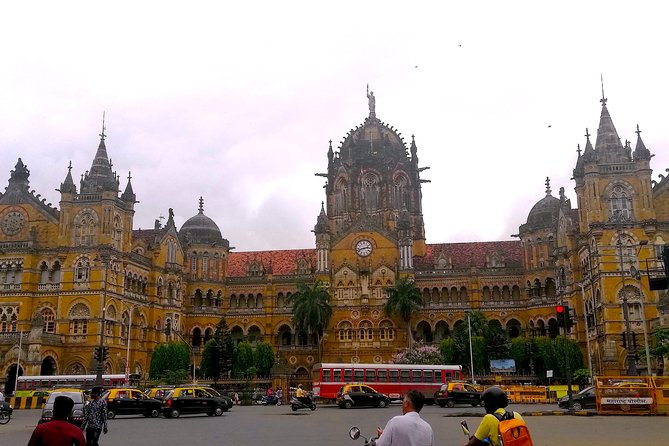
Mumbai’s story begins at Chhatrapati Shivaji Terminus
Your starting point is Chhatrapati Shivaji Terminus, usually called CST, in the Fort area. The station is not just a transport hub. It is the clearest opening chapter for a walk about Mumbai’s growth, because railways helped connect the port city with the wider region and strengthened its role in trade.
You get about 30 minutes here, with admission included. Look up at the pointed arches, domes, carved details, and towers. The building is a grand Victorian Gothic Revival work, but it is not a simple copy of an English railway station. Its Gothic features are blended with Indian design themes, creating a building that belongs to Mumbai rather than merely imitating Europe.
This is an excellent place to begin because the scale is easy to understand. CST was built to serve a growing city, and its elaborate exterior signals confidence, wealth, and ambition. Pankaj’s job here is not only to identify architectural features. He explains how the city developed and why these buildings mattered to the people who commissioned them.
The station is also close to public transportation, making the meeting point practical. Confirm the exact start time when you book, then arrive with enough time to find the CST area without rushing.
More heritage walking tours in Mumbai
- Best South Mumbai Heritage Walk
★ 5.0 · 122 reviews - Heritage Walk: Recommended by Gigi Hadid as a must-do in Mumbai
★ 5.0 · 122 reviews - Mumbai: South Mumbai Heritage Walking Guided Tour
★ 4.5 · 69 reviews
Eros Cinema shows Art Deco in a lighter mood

From the weighty Gothic station, the walk shifts to Eros Cinema. You see the cinema from outside, with roughly 30 minutes devoted to its design and place in Mumbai’s architectural story.
The building has a playful shape. As it rises, its tiers give it the appearance of a wedding cake, topped by a semi-circular tower. That description is useful because it helps you spot the building’s form quickly, even if you know little about Art Deco before arriving.
Eros gives you a different view of the city. Gothic buildings often suggest civic power, religion, education, or empire. Art Deco is more closely linked with modern city life, entertainment, and fashionable urban living. A cinema in this style tells you that Mumbai was not only building offices and institutions. It was also creating places for leisure and a new kind of city culture.
There is no admission included at this stop, and the building is viewed from outside. That is worth keeping in mind if you hoped to enter the cinema. The value here comes from the explanation, the exterior details, and the contrast with CST.
Empress Court reveals the social side of Art Deco
The next stop is Empress Court, an Art Deco residential building. You spend about 15 minutes looking at it from outside and discussing the role these apartments once played in Mumbai society.
The important point is that Art Deco was not simply a decorative choice. Living in one of these buildings could signal status and wealth. The architecture helped express a modern identity, and the apartment building gives you a more personal view of the style than a cinema does.
I like this part of the walk because it shifts attention from famous public landmarks to ordinary urban life, even if the residence itself was far from ordinary. You begin to see how design affected where people lived and how they presented themselves.
Again, you should expect an exterior visit rather than an interior tour. The short stop keeps the pace moving, but it also means Pankaj’s explanation is important. Listen for the details that connect the building’s appearance with the social ambitions of its residents.
Bombay High Court mixes drama with civic purpose
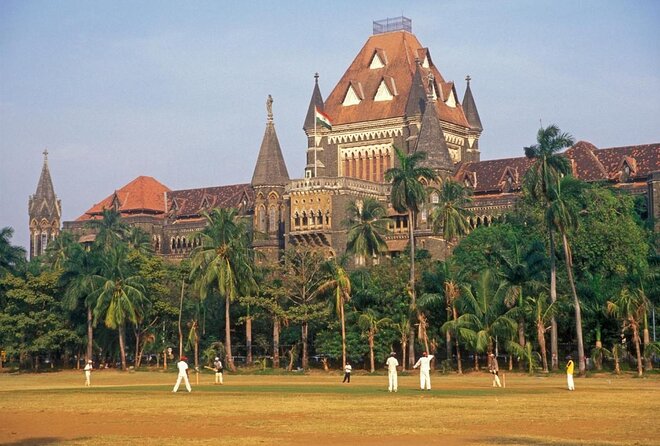
The Bombay High Court is another outside stop, with about 30 minutes for the building and its story. It is a strong example of Gothic architecture, with the kind of serious, imposing form that suits a major court.
One detail to watch for is the pair of statues representing Justice and Mercy near the top of the building. They give the structure a moral message as well as a decorative one. Pankaj explains how these figures served as an inspiration for the court’s work.
This stop is useful because it shows how architecture can communicate an institution’s ideals. You are not simply looking at pointed arches and stone ornament. You are seeing a building designed to make justice feel weighty, visible, and permanent.
The court is seen from outside, and admission is not included. If you want interior access to Mumbai’s major civic buildings, this walk may feel limited. If your goal is to understand the city’s architectural language and hear the stories attached to it, the exterior discussion still gives the stop real purpose.
More history and heritage tours in Mumbai
- Hill-station & Heritage: Lonavala & Karla Caves Tour from Mumbai
★ 5.0 · 60 reviews - Mumbai Heritage Walk and Elephanta Caves Experience
★ 5.0 · 53 reviews - Kanheri Caves Heritage Tour
★ 5.0 · 45 reviews - South Mumbai: Cultural Heritage Walking Tour
★ 4.8 · 45 reviews
Rajabai Clock Tower has a personal story
Rajabai Clock Tower receives about 30 minutes and brings one of the walk’s most memorable human stories. It is often described as Mumbai’s Big Ben, but its significance goes beyond its size and Gothic appearance.
The tower was financed in connection with a patron’s visually challenged mother. The chimes helped her keep her fasts punctually, giving the structure a personal reason for its creation. That detail changes how you look at the tower. Instead of treating it as another grand colonial-era landmark, you can connect it with family, faith, and daily routine.
This is the sort of story that gives an architecture walk its value. Dates and styles matter, but a personal motive helps you remember the building after the tour ends. You also get another chance to compare the tower’s vertical Gothic character with the more horizontal, streamlined forms of Art Deco.
The tower is seen as part of the walk rather than presented as an interior visit. Admission is not included. As with several stops, the guide’s explanation is the main way you gain access to the building’s background.
David Sassoon Library brings trade, philanthropy, and reading together

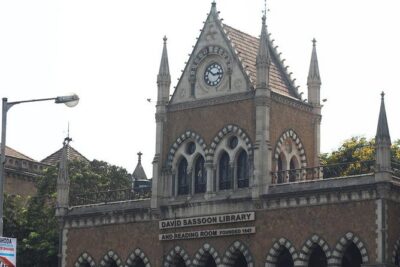
The David Sassoon Library and Reading Room is devoted about 20 minutes. Its Gothic design is attractive, but its founder gives the stop extra depth. David Sassoon was a Jewish banker who built the structure as a library and reading room.
You can see the building from the lobby, but only members are allowed farther inside. That restriction is clear and important. You should not expect to sit in the reading room or explore the full interior during this walk.
Still, the stop helps explain how Mumbai’s commercial success supported public and educational institutions. A banker funding a library tells you something about civic life in the city. Wealth was not used only for business or private homes. It also helped create places for reading and study.
The lobby visit is brief, but it offers a change from outdoor viewing. If you enjoy architecture interiors, this is one of the stops where limited access may leave you wanting more. The building’s story and exterior remain worthwhile, especially when placed beside the nearby colleges and court.
Elphinstone College connects buildings with famous alumni
At Elphinstone College, you spend about 15 minutes appreciating another Gothic structure. The college is also a chance to connect architecture with education and public life.
Its alumni include Bal Gangadhar Tilak, Dr. B. R. Ambedkar, and Jamshedji Tata. Those names make the stop more than a quick look at a handsome facade. The institution helped shape people who influenced Indian politics, social reform, industry, and public debate.
You see the building from outside, and no admission is included. The short timing works well if you are already absorbing a lot of information, though it leaves little room for an extended architectural study. I would treat this as a focused stop within a larger story rather than a full college visit.
The final stop is the Prince of Wales Museum
The walk ends at Chhatrapati Shivaji Maharaj Vastu Sangrahalaya, formerly known as the Prince of Wales Museum. You spend about 10 minutes appreciating its heritage building from the outside.
The ending makes sense. After seeing railway, entertainment, residential, legal, educational, and library buildings, you finish with a major cultural institution. The route begins at CST in the north of the Fort area and ends at the museum on Mahatma Gandhi Road, giving the walk a clear progression through central Mumbai.
The museum building itself is not Gothic or Art Deco in the same way as the earlier stops, so it adds another architectural note to the route. The stop is short, and the museum visit is not listed as part of the walk. You can treat the ending as a useful place to continue exploring on your own if you have time, but the guided experience finishes there.
What the $35 price buys you
At $35 per person, this is not the cheapest way to spend three hours in Mumbai. The price makes more sense if you value interpretation, structure, and questions rather than simply walking past buildings with a map.
You receive a guided route covering eight significant stops, a small group capped at 15 people, snacks, and admission to CST. Most other buildings are viewed from outside, so you are paying primarily for Pankaj’s explanations and the connections between the sites.
That distinction matters. If you already know Mumbai’s architecture well and prefer to explore independently, you may find the cost harder to justify. If you want the city’s Gothic and Art Deco styles explained in plain language, the fee is reasonable, especially because the walk covers more than isolated design facts. It explains how railways, trade, education, law, entertainment, housing, and philanthropy shaped Mumbai.
The group discount may improve the value if you are booking for several people. The experience is often booked about 14 days ahead, so I would not leave it until the last minute if your dates are fixed.
The guide and group size make the difference
Pankaj is the named guide associated with the strongest feedback for this experience. His approach combines architectural detail with stories about Mumbai’s wider past, and he is described as friendly, enthusiastic, helpful, and able to answer questions.
That combination matters on a walking tour. Gothic and Art Deco buildings can blur together if you only hear dates and style labels. Personal stories, such as the reason behind Rajabai Clock Tower, help you remember what you saw. Pankaj also adds value for repeat visitors, since the walk can reveal context you might miss on a first or even later visit to Mumbai.
The maximum group size of 15 is another practical advantage. A group this size is still social, but it is easier to hear the guide than in a large city tour. You can also ask a question without needing to interrupt a crowd.
Practical advice for a comfortable three hours
Wear comfortable shoes. The walk lasts about three hours and includes several stops across the Fort area, with much of the viewing done outdoors. Carry water, and plan for the possibility that weather may affect the outing.
The meeting point is at Chhatrapati Shivaji Terminus, and the end point is Chhatrapati Shivaji Maharaj Vastu Sangrahalaya at 159 to 161 Mahatma Gandhi Road, Lion Gate, Fort. Both points are near public transportation, which makes the route easier to fit into a day of sightseeing.
Snacks are provided, but this is not presented as a full food tour. Eat according to your own needs before starting, especially if you prefer a substantial breakfast or lunch.
Most people can participate, but the experience is still a walking tour. If you need frequent rests or have difficulty walking for three hours, check the arrangements before booking.
You receive confirmation at booking, and free cancellation is available up to 24 hours before the start time. Changes or cancellations made inside that window are not refunded. The walk requires good weather, and poor conditions may lead to another date or a full refund.
Who should book this Mumbai heritage walk?
I would choose this experience if you want a clear introduction to Mumbai’s architecture and the forces that shaped the city. It suits history fans, architecture fans, first-time visitors, and repeat visitors who want more context around buildings they may already have passed.
It is also a good choice if you prefer a small group and enjoy asking questions. Pankaj’s storytelling appears to be a major part of the experience, so go with an interest in the reasons behind the buildings, not just the best photo angles.
I would hesitate if you need extensive interior access. CST includes admission, but Eros Cinema, Empress Court, Bombay High Court, Rajabai Clock Tower, Elphinstone College, and the final museum building are handled as exterior stops, while the David Sassoon Library is accessible only to its lobby for non-members.
For $35, you get a well-organized three-hour lesson in how Mumbai grew through commerce, public institutions, education, entertainment, and housing. Book it if that story interests you. Skip it if you would rather wander independently or spend the same amount on museum admission and self-guided sightseeing.
FAQ
How long is the Mumbai Gothic and Art Deco walk?
The walk lasts approximately three hours.
Where does the experience begin?
It begins at Chhatrapati Shivaji Terminus in the CST area of Fort, Mumbai.
Where does the walk finish?
It ends at Chhatrapati Shivaji Maharaj Vastu Sangrahalaya, also known as the Prince of Wales Museum, at 159 to 161 Mahatma Gandhi Road, Lion Gate, Fort.
How many people can join the tour?
The maximum group size is 15 people.
Is admission to Chhatrapati Shivaji Terminus included?
Yes. Admission to Chhatrapati Shivaji Terminus is included.
Can you go inside every building?
No. Several stops are viewed from outside. At the David Sassoon Library, only the lobby is available because the reading room is for members.
Are snacks provided?
Yes. Snacks are provided during the walk.
What happens if bad weather cancels the experience?
If poor weather causes cancellation, you are offered a different date or a full refund. You can also cancel up to 24 hours before the start time for a full refund.
More walking tours in Mumbai
- Group Guided Walking Tour in Fort and Colaba
★ 5.0 · 1,073 reviews - Private Guided Walking Tour in Fort & Colaba
★ 5.0 · 895 reviews - Private Guided Walking Tour in Bandra Queen of Suburbs
★ 5.0 · 383 reviews - Private Guided Spiritual Walk in Banganga Hindu Temples
★ 5.0 · 271 reviews
Recently added around Mumbai
- Private Walking Tour in Dharavi Slums★ 5.0 · 7 reviews
- Mumbai Sightseeing Tour★ 5.0 · 11 reviews
- Private Mumbai 2-Day Tour Package:City + Slum & Elephanta Island.★ 5.0 · 3 reviews
- Vegetarian Indian Cuisine Virtual Cooking Class Experience from Mumbai★ 5.0 · 4 reviews
- Mumbai by Night Guided Tour★ 5.0 · 6 reviews
- Transfer from Mumbai Airport to Hotel★ 4.0 · 7 reviews
- Full-Day Agra Tour with Taj Mahal From Mumbai By Air★ 5.0 · 8 reviews
- Taj Mahal Day Trip Including Same Day Flights from Mumbai★ 5.0 · 3 reviews
Mumbai Heritage Walking Tours, compared.


Heritage Walk: Recommended by Gigi Hadid as a must-do in Mumbai
Read our review →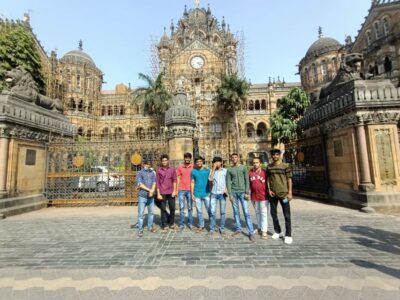

Hill-station & Heritage: Lonavala & Karla Caves Tour from Mumbai
Read our review →
Mumbai Heritage Walk and Elephanta Caves Experience
Read our review →

Private Mumbai Jewish Heritage Tour: Baghdadi & Bene Israel
Read our review →Browse the lists this tour appears in