
Reviewed · MUMBAI HERITAGE WALKING TOURS
Jewish Heritage Tour
Mumbai’s Jewish story is told through synagogues, docks, libraries, and city streets, not only inside a museum. This four-hour tour connects the Baghdadi Jewish legacy of Sassoon Docks with Bene Israeli places of worship and the daily life of South Mumbai.
I like the short introduction with illustrated handouts, which gives you useful context before the sightseeing begins. I also like the air-conditioned car and hotel pickup, since the route covers scattered parts of the city. The main limitation is time: four hours allows for a broad overview, not a slow visit at every stop.
Key points
- See Shaar Harahamim Synagogue, Mumbai’s oldest synagogue, built in 1796 by Samaji Hasaji Divekar, also known as Samuel Ezekiel Divekar.
- Start at Sassoon Docks, created by an influential Baghdadi Jewish family and still a major working part of Mumbai’s waterfront.
- Compare Jewish communities and traditions, including the Bene Israeli and Baghdadi Jewish presence in India.
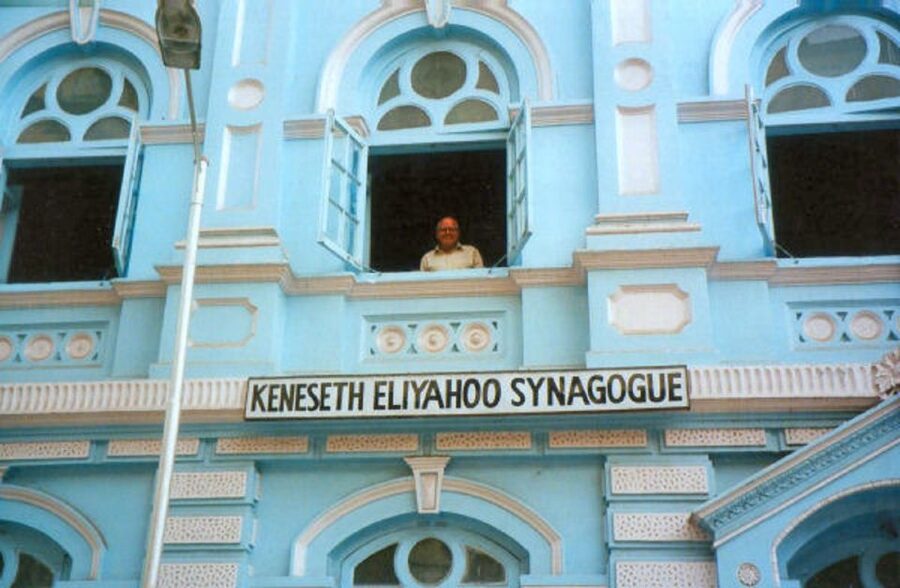
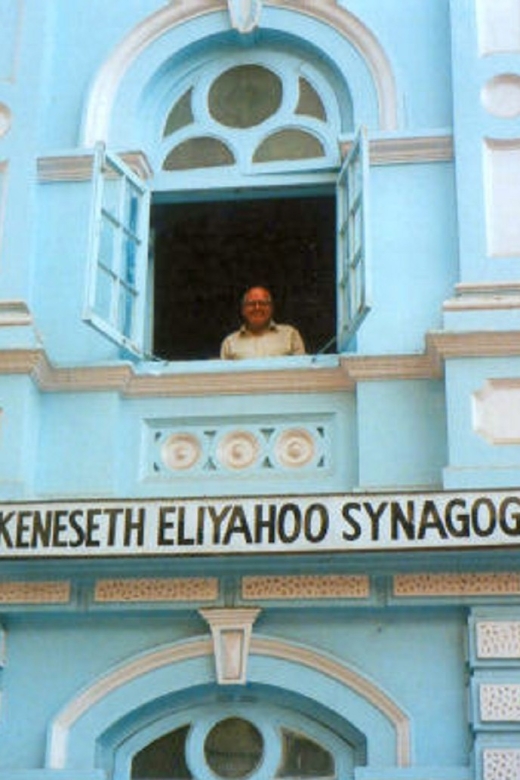
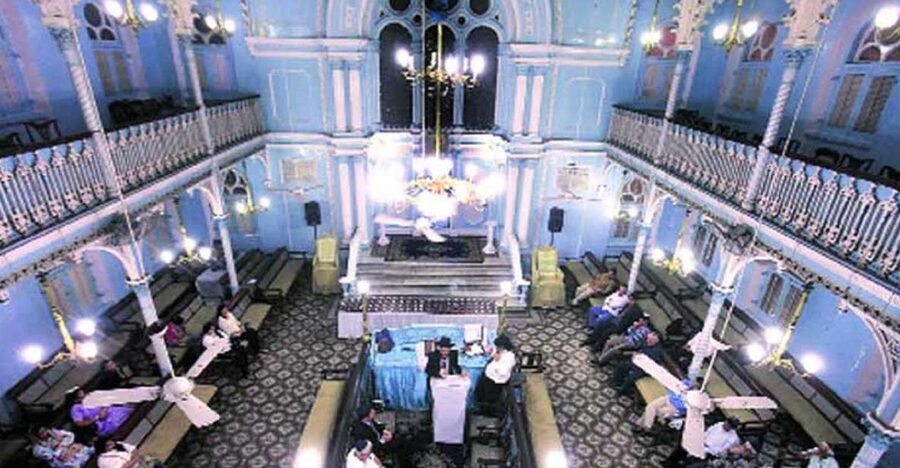
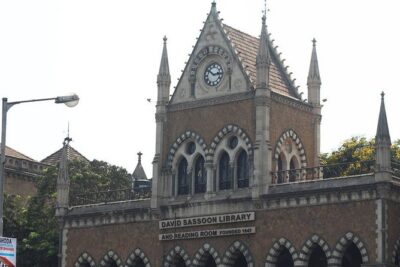
- Visit Kenneseth Eliyahoo Synagogue, known for its attractive interior, along with the David Sassoon Library.
- Pair heritage with everyday Mumbai, including Dhobi Ghat, Marine Drive, Chowpatty, Victoria Terminus, and the Bombay Municipal Building.
- Ride in an air-conditioned car with hotel pickup and a guide speaking English, German, or Spanish.
Why Mumbai’s Jewish story works best as a city tour
India’s Jewish communities have been part of the country’s story for about 2,000 years. Their communities spread across different parts of India, and they developed distinct customs, buildings, and local identities.
That makes this tour more useful than a simple synagogue checklist. You receive an orientation at the start, with illustrated handouts and notes. This matters because the names, dates, and community terms can otherwise blur together after a few quick photo stops.
The tour introduces the different Jewish groups in India and explains their geographical spread and culture. It also places Jewish landmarks beside the wider story of Mumbai, a city shaped by trade, migration, colonial rule, industry, and religious diversity.
I like that the tour does not treat Jewish heritage as a detached subject. You see it alongside markets, railway architecture, a library, a working dock, and a traditional laundry system. That combination gives you a better sense of how these communities fit into the city around them.
More temple and spiritual tours in Mumbai
- Private Guided Spiritual Walk in Banganga Hindu Temples
★ 5.0 · 271 reviews - Mumbai: Kanheri Caves and The Golden Pagoda Temple
★ 4.7 · 108 reviews - Sanjay Gandhi National Park(SGNP) + Kenheri Caves + Lion Safari + Jain Temple
★ 5.0 · 88 reviews
Sassoon Docks and the Baghdadi Jewish connection
The route begins at Sassoon Docks, a major Mumbai landmark built by an influential Baghdadi Jewish family. The dock links Jewish commercial history with the waterfront economy that helped Mumbai grow.
This is a particularly good opening stop because it presents Jewish heritage through trade and public works rather than worship alone. The dock is active in the morning, so the timing of your tour matters. An early start should give you a stronger sense of its working character, though you should expect movement, noise, and a less polished setting than you would find at a formal monument.
The visit also helps explain the role of the Sassoon family in Mumbai. The same name appears again at the David Sassoon Library, giving the route a thread you can follow from the waterfront to the city center.
Do not expect Sassoon Docks to function like a quiet historical site. Its value is in seeing a working part of Mumbai connected to a Jewish family’s contribution to the city. You are looking at an active urban place, not a preserved exhibit.
Kenneseth Eliyahoo Synagogue and the David Sassoon Library
From Sassoon Docks, the tour continues toward the Gateway of India area and Kenneseth Eliyahoo Synagogue. The synagogue is noted for its attractive interior, so this is one of the stops where the building itself takes center stage.
The visit gives you a chance to shift from the commercial story of the docks to Jewish religious life in Mumbai. The guide can also connect the synagogue to the wider discussion of India’s Jewish communities and their customs.
The David Sassoon Library follows naturally. It was built by the same influential Baghdadi Jewish family associated with Sassoon Docks. Seeing both places in one outing helps you understand that the family’s mark on Mumbai was not limited to one building or one kind of activity.
You should allow a little patience for the city traffic between stops. The route covers several parts of South Mumbai, and the air-conditioned car makes those transfers more comfortable. Still, the vehicle is primarily a practical way to connect the sites. This is not a walking tour focused on long stretches of street-level discovery.
Shaar Harahamim, Mumbai’s oldest synagogue
The most important heritage stop for many people will be Shaar Harahamim, also called the Gate of Mercy Synagogue. It was built in 1796 by Samaji Hasaji Divekar, also known as Samuel Ezekiel Divekar, a member of the Bene Israeli community.
The date gives the building unusual weight within Mumbai’s Jewish story. It is identified as the oldest synagogue in Mumbai, and its founder’s Bene Israeli background adds another layer to the tour. The Bene Israeli community is one of the distinct Jewish groups introduced during the opening orientation, so this stop gives that explanation a physical setting.
I would pay close attention here to the guide’s explanation of community identity. The point is not simply to see an old religious building. It is to understand that India’s Jewish population has never been one single group with one uniform tradition.
The tour description does not specify how long you remain inside each synagogue or what access conditions may apply on the day. For that reason, think of Shaar Harahamim as a focused stop within a wider city route rather than a long architectural study.
Dress is also worth planning around. Shorts are not allowed on the tour, so choose respectful clothing that works for synagogue visits and the rest of the city sightseeing.
More heritage walking tours in Mumbai
- Best South Mumbai Heritage Walk
★ 5.0 · 122 reviews - Heritage Walk: Recommended by Gigi Hadid as a must-do in Mumbai
★ 5.0 · 122 reviews - Mumbai: South Mumbai Heritage Walking Guided Tour
★ 4.5 · 69 reviews - Hill-station & Heritage: Lonavala & Karla Caves Tour from Mumbai
★ 5.0 · 60 reviews
Magen David Synagogue and the city’s changing streets
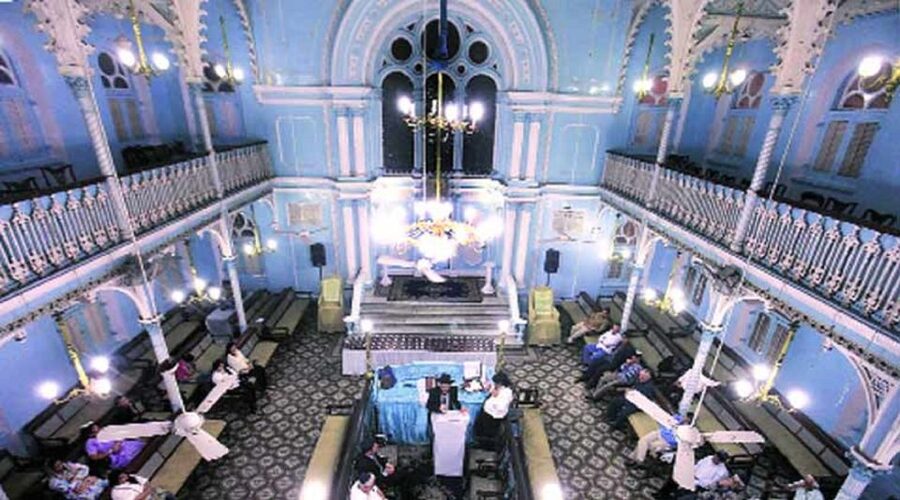
The Magen David Synagogue is described as a tall blue building with a Gothic feel. Its height makes it easy to distinguish from the surrounding buildings, and the style gives you another architectural contrast within the Jewish portion of the tour.
Placed after Shaar Harahamim, it helps show how different Jewish buildings can look and feel within the same city. You are not seeing one repeated design. Instead, the route introduces several buildings linked to different communities and periods.
This is also where the car-based format proves useful. Mumbai’s Jewish sites are spread through a large urban area, and the tour aims to connect them within four hours. You spend less energy working out directions and more time listening to the guide and watching the city pass by.
The trade-off is that the schedule may feel full. You will see many places, but the tour is designed for range. If you want detailed interior photography, extended prayer-site visits, or long periods at each synagogue, a private follow-up visit would likely be needed.
Victoria Terminus, the Bombay Municipal Building, and South Mumbai
The Jewish heritage route also includes major civic and architectural sights. Victoria Terminus, now a UNESCO World Heritage site, is one of the most significant landmarks on the itinerary. The Bombay Municipal Building adds another important piece of Mumbai’s public architecture.
These stops widen the story. Mumbai’s Jewish communities developed within a city shaped by railways, government, trade, and civic institutions. Seeing the synagogues alongside major public buildings gives you a more grounded picture of the urban setting.
The itinerary also passes through Marine Drive and Chowpatty, along with Oval Maidan, the High Court, Bombay University, and Flora Fountain. Some of these may be viewed from the car or treated as brief sightseeing points, since the tour has many locations to cover.
That broad route suits you if this is your first introduction to Mumbai. You get a quick orientation to several famous areas while following a clear theme. It is less suitable if you already know South Mumbai well and want to spend the full four hours on synagogue interiors alone.
Dhobi Ghat, where daily work becomes a city landmark
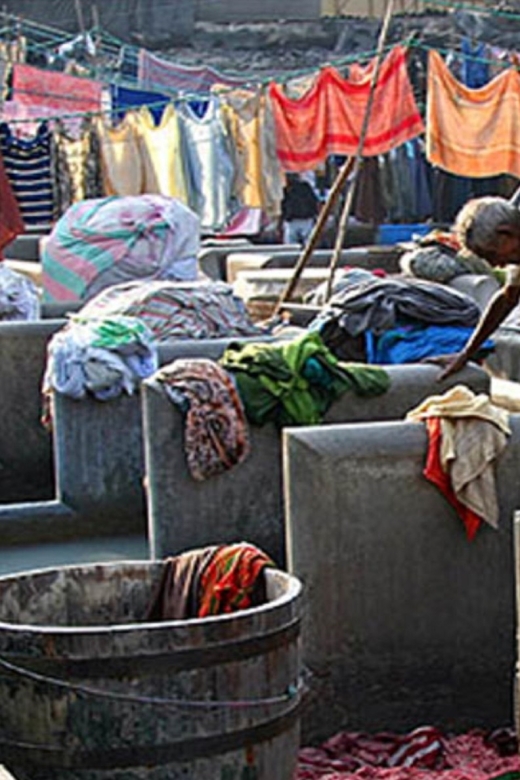
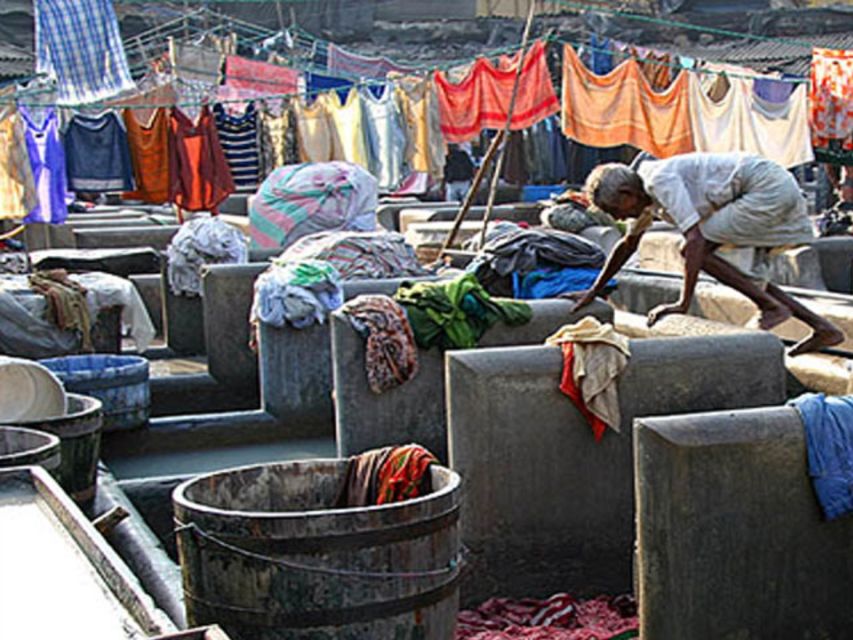
Dhobi Ghat adds a very different kind of stop. Mumbai’s unique outdoor laundry system is part of the city’s daily working life, and it gives the tour a practical counterpoint to synagogues, libraries, and grand civic buildings.
The value here is contrast. Jewish heritage can sometimes be presented only through formal buildings and historic names. Dhobi Ghat brings the focus back to ordinary work and the systems that keep a huge city running.
You should not expect the laundry stop to explain Jewish history directly. Its purpose is to help you read Mumbai as a living city rather than a collection of monuments. The tour places religious heritage in the same frame as transport, public architecture, waterfront trade, and local work.
For me, this is one of the route’s better choices. It keeps the tour from becoming too narrow and gives you a stronger feel for Mumbai beyond the best-known postcard sights.
What the four-hour format means
Four hours is enough for a well-organized introduction, especially with hotel pickup and an air-conditioned car. It is also short enough to fit into a busy Mumbai schedule, perhaps on a day when you want one focused outing without giving up an entire day.
The number of stops means the pace will be active. You will move between Sassoon Docks, the synagogue area, civic landmarks, and Dhobi Ghat rather than settle into one neighborhood for a long time.
The guide’s role is especially important. The experience is offered in English, German, or Spanish, and the opening handouts and notes add structure to the explanations. Since the communities, names, and dates cover a long period, the printed material should help you remember what you saw after the tour ends.
Pickup is included from your hotel in Mumbai. That is a useful benefit in a city where arranging several separate rides can cost time and add stress. Lunch is not included, so plan to eat before or after the tour rather than expecting a meal during the four-hour route.
Is $71 a fair price?
At $71 per person, the value depends on what you want from Mumbai sightseeing. You are paying for a four-hour guided route, an air-conditioned car, hotel pickup, and access to a specialist subject that is not usually covered by a standard city tour.
The price makes more sense if you are especially interested in Jewish heritage, architecture, migration, or the way different communities shaped Mumbai. It also has value for a first-time visitor who wants Jewish sites combined with major city landmarks instead of booking several separate excursions.
It may feel less attractive if you want a long, quiet synagogue visit or a detailed walking tour of one neighborhood. The route covers many locations, so part of the price pays for transport and coordination rather than extended time at each stop.
The flexible booking terms help reduce the risk. You can reserve now and pay later, and cancellation up to 24 hours in advance is available for a full refund. Those terms are useful when your Mumbai plans are still changing.
Who should book this experience?
I would recommend this tour to you if you want a clear introduction to India’s Jewish communities and prefer seeing heritage in its wider urban setting. It is also a good fit if you appreciate having transport arranged and want an English, German, or Spanish-speaking guide.
It suits first-time visitors, history-minded couples, families with older children, and anyone who wants a break from standard palace and market sightseeing. The mix of synagogues, a dock, a library, Dhobi Ghat, and major landmarks gives the tour a wider reach than its title might suggest.
You may want something else if you prefer a slow walking experience, a food-focused outing, or a full day devoted only to Jewish history. The four-hour schedule is practical, but it cannot give every stop equal attention.
Should you book the Jewish Heritage Tour?
Book it if you want to understand Mumbai through its Jewish communities and the city they helped shape. The strongest parts are the 1796 Shaar Harahamim Synagogue, the Baghdadi Jewish links at Sassoon Docks and the David Sassoon Library, and the chance to place those sites beside Dhobi Ghat and South Mumbai’s major landmarks.
Go in expecting a brisk overview, not an unhurried religious architecture tour. Wear suitable clothing, remember that lunch is not included, and choose this experience for its combination of context, transport, and range. At $71, it offers solid value when you want a focused cultural introduction with practical city sightseeing built in.
FAQ
How long does the Jewish Heritage Tour last?
The tour lasts four hours.
What is the price?
The price is $71 per person.
Is hotel pickup included?
Yes. Pickup from your hotel in Mumbai is included.
Which languages are available?
The live tour guide is available in English, German, and Spanish.
Is transportation included?
Yes. An air-conditioned car is included.
Is lunch included?
No. Lunch is not included in the tour price.
Which synagogue is identified as Mumbai’s oldest?
Shaar Harahamim, also called the Gate of Mercy Synagogue, is identified as Mumbai’s oldest synagogue. It was built in 1796 by Samaji Hasaji Divekar, also known as Samuel Ezekiel Divekar.
Are shorts allowed?
No. Shorts are not allowed on this tour.
Can I cancel for a refund?
Yes. You can cancel up to 24 hours in advance for a full refund. You can also reserve now and pay later.
More history and heritage tours in Mumbai
- Mumbai Heritage Walk and Elephanta Caves Experience
★ 5.0 · 53 reviews - South Mumbai: Cultural Heritage Walking Tour
★ 4.8 · 45 reviews - Kanheri Caves Heritage Tour
★ 5.0 · 45 reviews - Mumbai Private Cultural Tour with Lunch and Transport
★ 5.0 · 44 reviews
Recently added around Mumbai
- Private Walking Tour in Dharavi Slums★ 5.0 · 7 reviews
- Mumbai Sightseeing Tour★ 5.0 · 11 reviews
- Private Mumbai 2-Day Tour Package:City + Slum & Elephanta Island.★ 5.0 · 3 reviews
- Vegetarian Indian Cuisine Virtual Cooking Class Experience from Mumbai★ 5.0 · 4 reviews
- Mumbai by Night Guided Tour★ 5.0 · 6 reviews
- Transfer from Mumbai Airport to Hotel★ 4.0 · 7 reviews
- Full-Day Agra Tour with Taj Mahal From Mumbai By Air★ 5.0 · 8 reviews
- Taj Mahal Day Trip Including Same Day Flights from Mumbai★ 5.0 · 3 reviews
Mumbai Heritage Walking Tours, compared.

Heritage Walk: Recommended by Gigi Hadid as a must-do in Mumbai
Read our review →
Hill-station & Heritage: Lonavala & Karla Caves Tour from Mumbai
Read our review →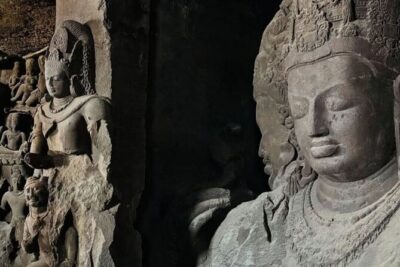
Mumbai Heritage Walk and Elephanta Caves Experience
Read our review →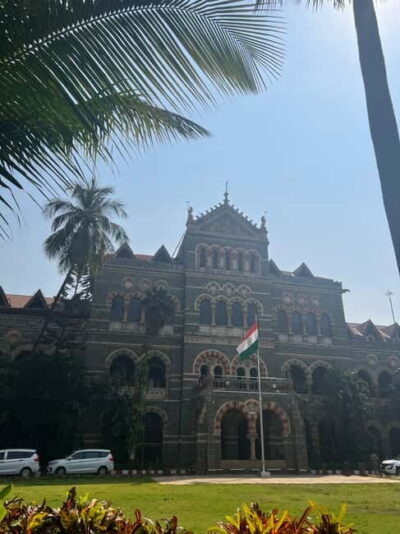
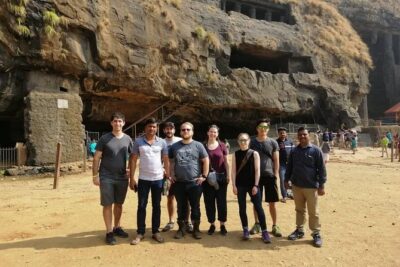
Private Mumbai Jewish Heritage Tour: Baghdadi & Bene Israel
Read our review →Browse the lists this tour appears in