
Reviewed · MUMBAI CITY SIGHTSEEING TOURS
Mumbai Sightseeing Tour by Public Transport with family Lunch
Mumbai becomes easier to understand when you move through it as residents do. This six-hour private tour by public transport links grand buildings, railway stations, working districts, holy places, and sea views instead of treating the city as a string of photo stops.
I like the chance to see daily Mumbai life around Churchgate and Dhobi Ghat, and I like the personal scale of a private group. Guides including Aarti, Nikesh, and Anthony have been praised for clear explanations, patience, humor, and careful help in crowded places. The main consideration is pace: eight stops, public transport, and a family lunch make this a full morning and early afternoon, not a slow museum visit.
Mumbai in one morning: key points

- Public transport puts daily life at the center: You see railway stations, commuters, dabbawallas, and the city’s working rhythm up close.
- The route mixes famous and lesser-known places: CST and Marine Drive appear alongside Banganga, a holy tank with a quieter feel.
- Your group stays private: Only your party takes part, which allows room for questions and some flexibility.
- Guides make a real difference: Aarti, Nikesh, and Anthony are named as guides who have led this experience.
- Lunch is part of the Banganga stop: You eat family lunch with the guide rather than breaking away for a separate meal.
- The route ends near Mani Bhavan: The final drop-off is at the Gandhi museum on Laburnum Road, not back at the starting point.
Why public transport is the right way to see Mumbai
At $50 per person, this is not simply a ride past Mumbai’s famous sights. The point is to connect the city’s grand public face with the ordinary systems that keep it moving.
You begin at 9:30 a.m. near Ballard Pier, Alexandra Dock, or Green Gate in Fort. Pickup is offered, but the stated meeting point is The Ballard Pier Mumbai, so I would confirm the exact arrangement before setting out. The tour is private, and only your group participates.
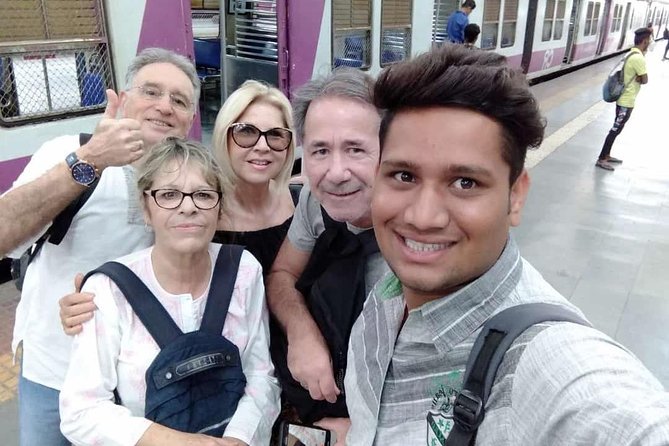
The public transport format matters here. Mumbai’s railway stations are not just old buildings or convenient transit points. They are places where work, commuting, food delivery, and city history meet. You may spend more time getting from one stop to another than you would in a private car, but that movement is part of the lesson.
Your guide speaks English and accompanies you through the city. The guide names connected with this experience include Aarti, Nikesh, and Anthony. Their reported strengths differ slightly: Aarti is described as articulate and caring, Nikesh as funny and strong on local history, and Anthony as patient with questions and reassuring in large crowds. The guide you receive may vary, so consider the guiding style you value most when you book.
More city sightseeing tours in Mumbai
- Mumbai: Full-Day Sightseeing Tour of Mumbai
★ 4.9 · 1,822 reviews - Private Mumbai Sightseeing Tour (Traveller’s Choice Award Winner)
★ 5.0 · 1,565 reviews - Highlights of Mumbai Sightseeing Tour: TRAVELLERS CHOICE AWARDED
★ 5.0 · 915 reviews
Regal Cinema and the first look at Mumbai
The first stop is Regal Cinema, one of Mumbai’s oldest movie theaters. You have about 10 minutes here, with no admission charge listed.
This is a quick orientation stop rather than a full theater visit. It gives your guide a useful place to begin explaining Mumbai’s colonial-era public buildings, entertainment culture, and the Fort area. If you want a detailed interior tour, this stop is unlikely to provide it. Think of it as the opening scene, a famous facade and a first marker on the route.
The short visit also tells you something about the day’s rhythm. You will see many places, but some are viewed from the outside or explored briefly. That works well if you want a broad introduction to Mumbai in one morning. It is less suitable if you prefer to linger at each site.
CST: a railway station that tells the city’s story
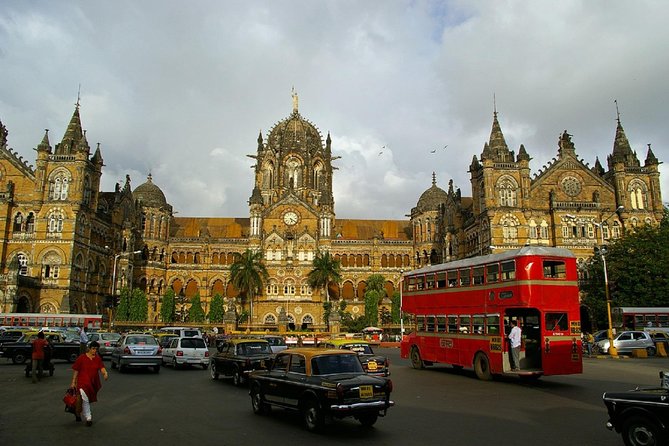
From Regal Cinema, the route continues to Chhatrapati Shivaji Maharaj Terminus, commonly known as CST. You have about 20 minutes to take in this high Gothic Victorian landmark, which serves as the center of Mumbai’s suburban train network.
CST is one of the strongest stops because it joins architecture with present-day use. You are not looking at an isolated monument. Trains, commuters, and the city’s workday continue around it. Your guide can help you read the building’s details while also explaining why the station matters to Mumbai’s transport system.
Twenty minutes is enough for an introduction and photographs, but not a long architectural study. Stay close to your guide and listen for instructions, since a working rail station can be crowded. The practical value of this stop is its context: you see the transport network that makes the rest of the city possible before using public transport yourself.
Dhobi Ghat and the work behind clean clothes
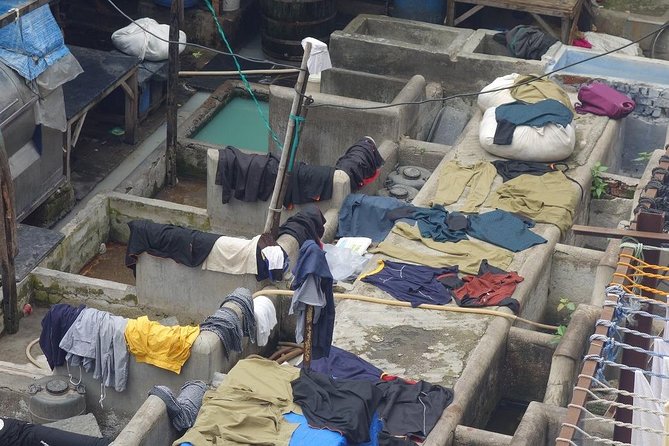
The tour then reaches Dhobi Ghat, an open-air laundry area constructed in 1890. The dhobis wash clothing and linens for Mumbai hotels and hospitals in the open.
This stop offers one of the clearest views of Mumbai’s working life. The city’s hotels and medical institutions depend on an organized system of washing, sorting, and returning textiles. From the outside, the activity can look chaotic. Your guide’s explanation helps you understand it as a working service with a long place in the city.
You have about 20 minutes here. That is enough to observe and ask questions, but you should not expect an extended visit inside the laundry operation. The stop is primarily about seeing the work from a public viewpoint.
There is also a useful flexibility to know about. One group did not want to visit Dhobi Ghat, and Aarti changed the plan and took them somewhere else. That does not guarantee a replacement stop for every booking, but it suggests that you can discuss preferences with your guide rather than treating every minute as fixed.
A few more Mumbai tours and experiences worth comparing
- Ultimate Mumbai Full Day: Sights, Bollywood Dance, Lunch & Spices
★ 5.0 · 201 reviews - Mumbai Private Cultural Tour with Lunch and Transport
★ 5.0 · 44 reviews - Mumbai City Tour with Licensed Guide and Lunch
★ 5.0 · 20 reviews - Dharavi Tour and Family Lunch
★ 5.0 · 17 reviews
Churchgate and the dabbawalla system
Churchgate Railway Station receives about 15 minutes. Here the focus turns to the famous dabbawallas, the lunchbox delivery workers who organize the movement of about 200,000 lunchboxes each day.
This is one of the tour’s most distinctive subjects. You are not only seeing a station. You are learning how a large city coordinates food deliveries through a system built around timing, sorting, and personal responsibility. The station gives the explanation a proper setting, with commuters and railway activity nearby.
The visit is brief, so your guide’s storytelling matters. Nikesh, in particular, has been described as able to answer questions fully while keeping the mood light. If you are curious about how the lunchboxes are collected, sorted, and delivered, this is a good place to ask directly.
Marine Drive and Mumbai’s Queen’s Necklace
At Marine Drive, you spend about 10 minutes walking along Mumbai’s best-known boulevard. The curve of the road and its line of lights explain the name Queen’s Necklace, especially when viewed after dark, although this morning visit gives you the seafront setting rather than the full nighttime effect.
The value here is visual contrast. After the railway stations and working districts, you reach a broad public road beside the water. It is a short pause, but it helps show how Mumbai’s identity includes both crowded transport corridors and open waterfront space.
Do not expect a long promenade walk. Ten minutes passes quickly, particularly if your group stops for photographs. If Marine Drive is a major personal priority, you may want to return on your own later. On this tour, it works as one part of a larger city portrait.
Banganga: a quiet pause on Malabar Hill
Banganga may be the most surprising stop. Underground springs fill this holy tank, which is used for rituals and prayers. It is known as the Ganges of Mumbai, and the tour allows about 30 minutes here.
The change in mood is important. After the movement of the railway stations and the wide road at Marine Drive, Banganga offers a more enclosed and reflective setting. Your guide can explain its religious role and help you understand why this water tank remains significant within Mumbai.
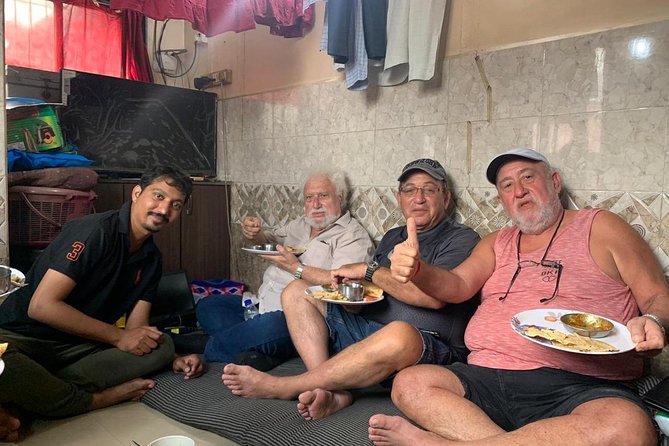
This is also where family lunch with the guide takes place. The supplied details do not specify the menu, restaurant setting, or dietary arrangements, so ask ahead if your group has food restrictions or needs a particular meal. The shared lunch is valuable because it creates time for conversation beyond a formal stop-by-stop commentary.
Banganga deserves respectful behavior. It is a place used for prayer and ritual, not merely a backdrop for photographs. Follow your guide’s instructions, keep your voice measured, and ask before photographing people or religious activity.
The Jain Temple and the Hanging Gardens
The route continues to Mumbai’s Jain Temple in the Walkeshwar, Teen Batti area of Malabar Hill. You have about 10 minutes here.
The temple was built in 1904 and is regarded as an important Jain pilgrimage place in Mumbai. The short stop gives you an introduction to the city’s religious variety and to a part of Malabar Hill that feels quite different from the railway districts. Since the visit is brief, it is best approached as an exterior or quick cultural stop unless your guide indicates otherwise.
Next comes the Hanging Garden, also known as Pherozeshah Mehta Garden. Perched at the top of Malabar Hill opposite Kamala Nehru Park, the terraced garden receives about 20 minutes.
This stop gives the route a little breathing room. You can look out over the city and see how Mumbai’s built-up areas meet the sea and hills. The supplied details do not promise a formal garden tour or specific viewing platform, so treat it as a short scenic visit rather than a long botanical walk.
Together, the Jain Temple and Hanging Garden show another side of Mumbai: religious institutions, public gardens, and hilltop spaces above the dense city. The two stops also help balance the working-city focus of CST, Dhobi Ghat, and Churchgate.
What the $50 price includes in practical terms
The $50 per-person price is easiest to judge by asking what kind of day you want. If you only want a driver to take you to monuments for photographs, this is not the most direct format. Public transport adds movement, and the schedule includes several short stops.
I see better value here if you want interpretation and local context. A private English-speaking guide can answer questions about the stations, dabbawallas, laundry workers, religious places, and city life as you go. Lunch with the guide at Banganga also makes the experience feel more personal than a standard sightseeing circuit.
The price does not list entrance fees because each stop is shown with free admission. That means you are mainly paying for the guide, planning, private arrangement, and the social value of moving through Mumbai with someone who knows the route.
The tour has earned a perfect overall rating from three recorded ratings, but the sample is small. The strongest repeated qualities are clear explanations, friendly guidance, flexibility, humor, and care in crowded places. One account also refers to a careful driver, though the main format is described as public transport, so I would not assume a private vehicle is part of every booking.
Who will get the most from this tour
I would recommend this experience to a first-time Mumbai visitor who wants a broad introduction in one day. It suits you if you want to understand how the city works, not just collect photographs of famous buildings.
It is also a good match for a family or small private group. You can ask questions without competing with a large bus group, and the private format leaves some room to discuss preferences. The family lunch adds a shared break that may help children or older relatives manage the long morning.
You should think twice if you dislike public transport, crowded stations, or a schedule with frequent changes of scene. The tour covers a lot of ground in about six hours, and some stops last only 10 minutes. It may also feel too quick if your main goal is detailed architecture, extended temple visits, or a long walk along Marine Drive.
Most people can participate, according to the supplied tour information, and the experience is near public transportation. Still, the practical demands are worth considering. Wear something comfortable, keep your belongings secure in crowded places, and confirm the pickup details before the morning begins.
Ending near Mani Bhavan
The tour ends at Mani Bhavan Gandhi Sangrahalaya, at 19 Laburnum Road in Babulnath, Gamdevi. This is a useful ending point if you want to continue exploring central Mumbai after the tour.
The end point differs from the Ballard Pier starting area, so plan your onward route. The tour does not list a return transfer to the start. Its final location also means the day finishes on the southern side of the city’s central cultural area rather than sending you back to the dock.
Should you book this Mumbai tour?
Book it if you want a working, everyday view of Mumbai alongside its major sights. CST, Churchgate, Dhobi Ghat, and the dabbawalla story give you practical insight into the city, while Marine Drive, Banganga, the Jain Temple, and Hanging Garden add architecture, faith, and views.
The strongest reason to choose it is the guide-led public transport format. Aarti, Nikesh, and Anthony are all associated with the tour, and the useful qualities to look for are clear English, patience, humor, and flexibility. The main tradeoff is speed. You will see many places, but none receives a long visit.
At $50 per person, I consider it a fair choice for a private introduction, especially with lunch included at Banganga and no listed admission charges. Confirm the pickup arrangement, ask about lunch needs, and tell the guide in advance if Dhobi Ghat is not a priority. If that plan suits you, this is a practical way to get your bearings while seeing how Mumbai’s people, railways, faith, and daily work fit together.
FAQ
How long is the Mumbai sightseeing tour?
The tour lasts approximately six hours.
What time does the tour begin?
The scheduled start time is 9:30 a.m.
Where does the tour start?
The stated starting area is The Ballard Pier Mumbai, Alexandra Dock, or Green Gate in Fort, Mumbai.
Where does the tour end?
The tour ends at Mani Bhavan Gandhi Sangrahalaya, 19 Laburnum Road, Babulnath, Gamdevi, Mumbai.
Is this a private tour?
Yes. Only your group participates in the activity.
Is lunch included?
The tour includes family lunch with the guide at Banganga. The available details do not specify the menu.
Can I cancel for a full refund?
Yes. You can cancel at least 24 hours before the experience start time for a full refund. Cancellations or changes made within 24 hours are not refunded or accepted.
Recently added around Mumbai
- Private Walking Tour in Dharavi Slums★ 5.0 · 7 reviews
- Mumbai Sightseeing Tour★ 5.0 · 11 reviews
- Private Mumbai 2-Day Tour Package:City + Slum & Elephanta Island.★ 5.0 · 3 reviews
- Vegetarian Indian Cuisine Virtual Cooking Class Experience from Mumbai★ 5.0 · 4 reviews
- Mumbai by Night Guided Tour★ 5.0 · 6 reviews
- Transfer from Mumbai Airport to Hotel★ 4.0 · 7 reviews
- Full-Day Agra Tour with Taj Mahal From Mumbai By Air★ 5.0 · 8 reviews
- Taj Mahal Day Trip Including Same Day Flights from Mumbai★ 5.0 · 3 reviews
Mumbai City Sightseeing Tours, compared.

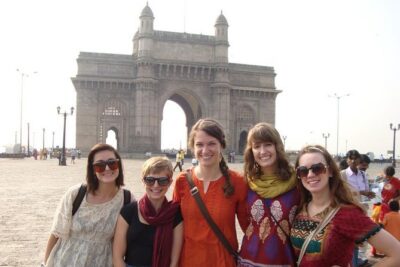
Private Mumbai Sightseeing Tour (Traveller’s Choice Award Winner)
Read our review →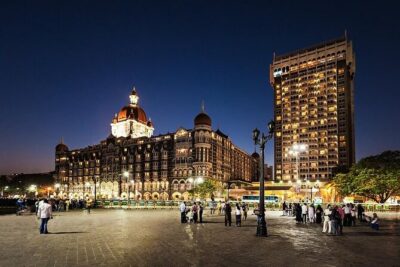
Highlights of Mumbai Sightseeing Tour: TRAVELLERS CHOICE AWARDED
Read our review →
Highlights of South Mumbai Guided Private Tour in AC Vehicle
Read our review →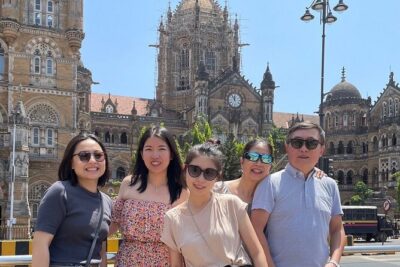
Private Mumbai Sightseeing Tour(Travellers Choice Award Winner)
Read our review →
Private Elephanta Caves & Mumbai Sightseeing Tour with AC Car
Read our review →
Private Mumbai Sightseeing Tour with Local English Guide
Read our review →Browse the lists this tour appears in