
Reviewed · MUMBAI MARKET AND BAZAAR TOURS
Magical Markets Tour in Mumbai with a local
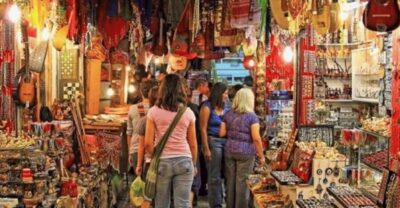
Mumbai’s markets are the real draw here. In two hours, you move through Bhuleshwar and Kalbadevi, passing flower sellers, spice stalls, jewelry shops, textile merchants, and narrow lanes packed with everyday goods. The visit to Mumba Devi Temple adds a useful link between the city’s name and its religious roots.
I like the practical shopping advice and the chance to see several different markets without planning a route yourself. I also like the small maximum group of 15, which should make it easier to hear the guide in crowded lanes. The drawback is the short length: two hours gives you a lively introduction, not enough time to explore every market or shop at leisure.
Key points at a glance
- Mumba Devi Temple connects the tour to Mumbai’s name, making it more than a shopping walk.
- Bhuleshwar Market mixes daily life with religious shopping, from fruits and vegetables to rose petals, pooja goods, and imitation jewelry.
- Zaveri Bazaar focuses on gold, stones, and jewelry, while Mangaldas Market is the place for silk and textiles.
- Chor Bazaar and the flower alley add variety, with antiques, furniture, and garland-making supplies.
- Crawford Market dates to 1871, with produce, imported cheese, and handmade chocolate.
- The two-hour tour costs $12.44 per person, and the group is limited to 15 people.
Why Mumbai’s markets make a good first look at the city
Mumbai can feel scattered at first. Its markets occupy different lanes and districts, each with its own purpose and rhythm. This tour gives you a guided path through that mix, so you do not spend your first morning trying to work out which street leads to which market.
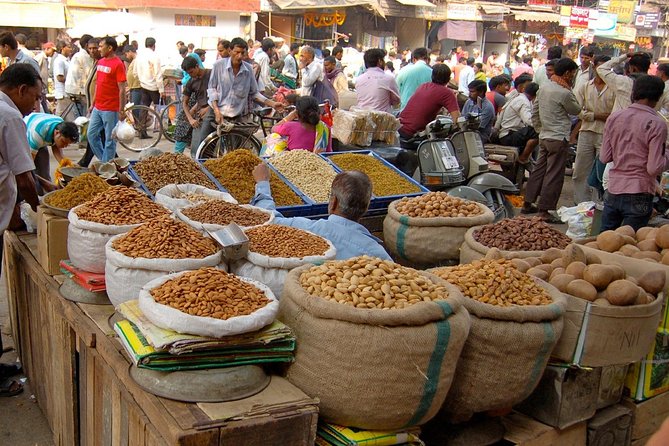
The focus is not on polished shopping malls. You see the practical side of the city: vegetables, flowers, spices, fabric, household goods, religious items, jewelry, and clothing materials. That makes the walk useful even if you do not plan to buy anything. You get a clearer sense of what local shopping looks like and how different trades gather around one another.
I especially like the range of stops. A market full of fruit and vegetables feels very different from a gold and jewelry district. The textile market brings another layer, with fabric, tailors, and designer boutiques. In a short visit, you get several versions of Mumbai rather than one repeated shopping street.
Still, this is a walking experience in working markets, not a quiet museum visit. Lanes can be cramped, displays can be crowded, and the setting may feel rough around the edges. If you prefer wide paths and carefully arranged shops, you may find parts of Bhuleshwar and Kalbadevi tiring. If you enjoy seeing a city at close range, that is precisely the point.
More market and bazaar tours in Mumbai
- Mumbai: Street Food and Night Markets Tour
★ 4.9 · 719 reviews - Mumbai Morning Market Tour of Flowers, Fish, and More
★ 5.0 · 100 reviews - Mumbai Morning Market Tour of Flowers, Fish, and More
★ 5.0 · 82 reviews
Starting at Shree Swaminarayan Mandir
The meeting point is Shree Swaminarayan Mandir, also called the Vadtal Gadi, on Kika Street in Charni Road East. It is in the Bhuleshwar area, near Jamli Mohalla and Panjarpole. The tour ends back at this same point, which keeps the logistics simple.
That return to the starting point matters. You do not have to arrange a pickup from an unfamiliar market or guess where the walk finishes. You can leave your larger sightseeing plans for afterward and treat this as a compact introduction to central Mumbai’s market districts.
The tour offers a morning or evening start. I would choose based on the weather and your wider schedule rather than assuming one time is automatically better. Morning may suit you if you want to continue sightseeing afterward. An evening departure can fit better after a morning visit elsewhere, but you should still dress for the local conditions.
The experience is listed for most people to join, with a maximum of 15 participants. That is small enough to keep the guide within reach, though crowded streets can still make it hard to walk shoulder to shoulder. Keep your group together and listen for meeting instructions at each turn.
Bhuleshwar Market and the everyday shopping of Mumbai
Bhuleshwar is the tour’s most varied market stop. Its small lanes carry an assortment of goods, including fruits and vegetables, imitation jewelry, religious and pooja items, rose petals, household products, and fabric accessories.
This variety gives the area its appeal. You can look at the ingredients of daily life, then turn a corner and find devotional objects or brightly colored accessories. The market is not presented as a single themed attraction. It is a working area where several kinds of shopping happen side by side.
The religious goods are particularly useful for understanding the area. Rose petals and pooja supplies are not just decorative products for visitors. They serve local worship, and the guide can help explain how these items connect to the nearby temple and the wider neighborhood.
This is also where shopping advice can save you time and money. The guide is there to explain what you are seeing and help you make more informed choices. One very positive mention singled out Nasir as an excellent resource and advocate, so his practical guidance is a notable feature when he leads your departure. Guide assignments can vary, so do not assume he will be leading every tour.
You may see items that look tempting, but the tour is not built around guaranteed purchases. Treat the market as a place to learn first. If you want to buy fabric, jewelry, or souvenirs, listen closely to the advice about quality and selection before handing over money.
Mumba Devi Temple and the story behind Mumbai’s name
The stop at Mumba Devi Temple gives the walk a clear cultural anchor. Mumbai takes its name from the goddess Mumbadevi, so visiting the temple helps explain a piece of the city’s identity that is easy to miss when you focus only on shopping.
The temple also makes the market route feel less random. Bhuleshwar’s religious goods, flowers, and rose petals take on greater meaning when you see where some of those supplies are used. This connection between street commerce and worship is one of the strongest reasons to choose this tour over a simple market walk.
The provided details do not specify how long you spend inside the temple or whether a particular ceremony will be taking place. Plan for a visit rather than a full religious tour. Dress respectfully and follow the guide’s instructions while inside or near the temple.
If temples are a major interest, you may want more time than this two-hour route allows. For a first introduction, though, the stop gives the market walk a stronger sense of place.
A completely different side of the city:
- Dharavi slum tour in Mumbai by Female tour guides of the slum
★ 5.0 · 1,976 reviews - Mumbai: Full-Day Sightseeing Tour of Mumbai
★ 4.9 · 1,822 reviews - Private Mumbai Sightseeing Tour (Traveller’s Choice Award Winner)
★ 5.0 · 1,565 reviews - Group Guided Walking Tour in Fort and Colaba
★ 5.0 · 1,073 reviews
Zaveri Bazaar and Mumbai’s jewelry trade

Next comes Zaveri Bazaar, described as Mumbai’s largest jewelry market. The visual change is immediate: glittering gold, stones, ornamentation, and rows of jewelry shops replace the looser mix of goods found in Bhuleshwar.
This stop is best approached as a chance to see a specialized trade district. You do not need to be shopping for jewelry to find it worthwhile. The scale and concentration of the market show how different parts of Mumbai organize around particular products and skills.
The guide’s shopping tips matter here. Jewelry requires more care than a casual fabric purchase, and a short introduction can help you understand what you are looking at. Do not feel pressured to buy simply because you are in a famous jewelry district. The value of the stop is seeing the trade and learning how the area works.
Because the tour is only about two hours, your time at Zaveri Bazaar will be part of a larger route rather than a detailed jewelry consultation. If your main goal is to purchase gold or stones, you should not expect the walk alone to answer every question.
Kalbadevi, Chor Bazaar, and the flower alley
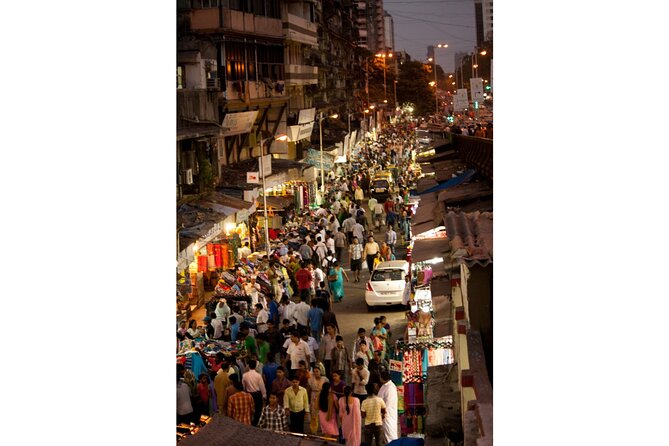
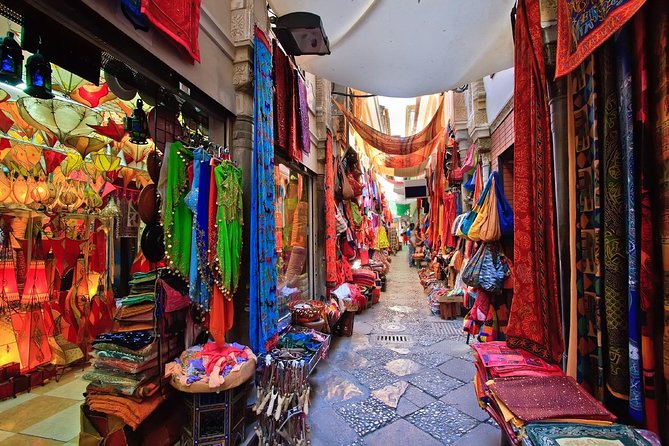
The route continues through Kalbadevi’s streets and alleys, including Chor Bazaar and Mumbai’s flower alley. These stops add character because they show two very different kinds of commerce.
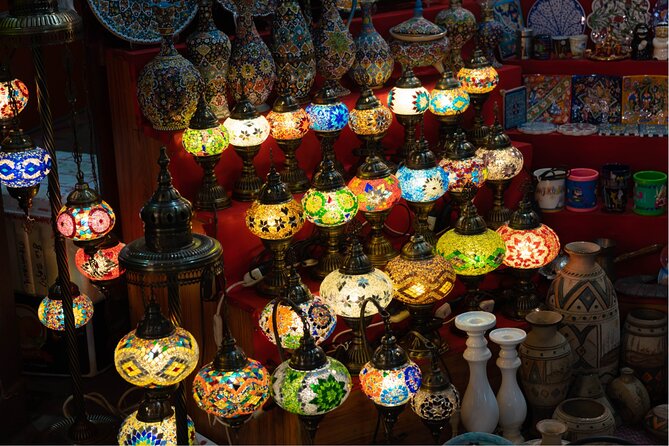
Chor Bazaar is known for antiques and furniture. The name attracts attention, but the useful thing here is the chance to see a district associated with older objects and household pieces. The information provided does not promise a particular antique purchase or a fixed list of shops, so think of it as a guided look at the area rather than a guaranteed treasure hunt.
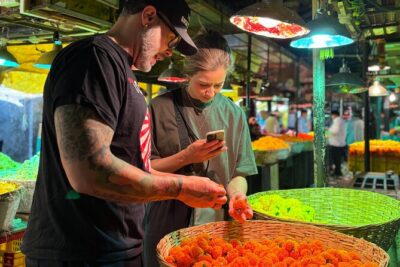
The flower alley changes the mood again. Flowers are tied to worship, celebrations, and daily decoration, and the narrow market setting lets you see how such goods are sold in quantity. This is one of the places where a guide can add more than a map would. You may notice colors and smells immediately, but local context helps explain why the alley matters.
The walk through Kalbadevi also reinforces the tour’s main strength: it links several nearby market worlds in one compact route. The tradeoff is pace. You will likely keep moving, with limited time to stop at every appealing stall.
Mangaldas Market and Mumbai’s textile tradition
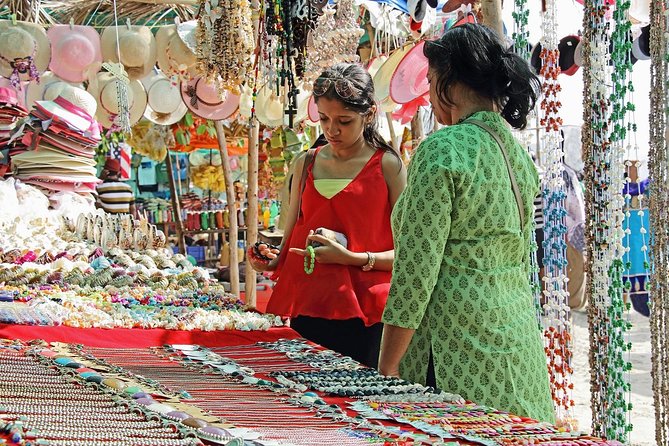
Mangaldas Market began in 1893 and is known for silk and textiles. It includes tailors and designer boutiques that create clothing from selected fabrics. For anyone interested in Indian dress, this may be one of the most useful portions of the tour.
You can look at fabric as a finished product, but Mangaldas helps you think about the steps behind clothing: choosing the material, selecting a style, finding a tailor, and turning cloth into something made to fit. The presence of tailoring and design businesses gives the market more depth than a row of ready-made souvenir shops.
I would pay attention to the textures, colors, and types of fabric rather than rushing to buy. If you are seeking material for a particular garment, the guide’s advice may help you understand the local options. The tour details do not promise custom tailoring, delivery, or a fitting, so make no assumptions about completing a full outfit during the walk.
This is also a good stop for people who like craft and design but do not want a formal workshop. The experience includes a chance to learn about local art and craft, along with conversation about those traditions. It is informal, but it gives you a better idea of how skill and commerce meet in the market.
Crawford Market, established in 1871
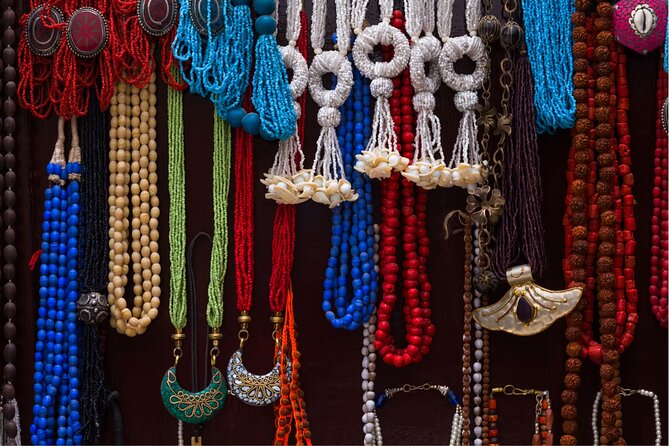
Crawford Market is one of South Mumbai’s best-known markets and dates to 1871. It is associated with fruits and vegetables, but the route also points to imported cheese and handmade chocolate.
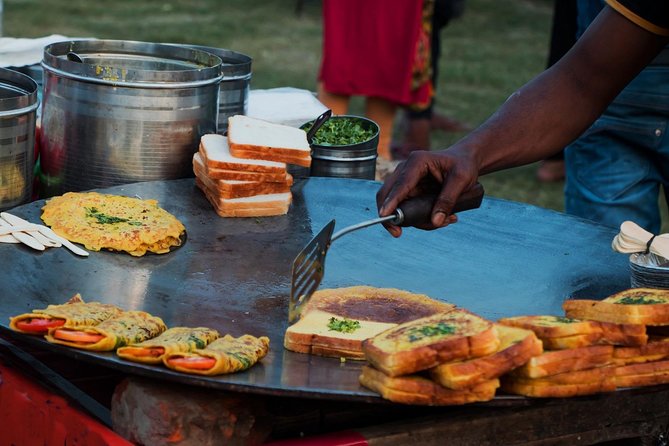
That combination is revealing. Crawford is not only about basic produce. It also shows the range of food available through Mumbai’s trading networks, from everyday ingredients to specialty products. The contrast helps you see how an old market continues to serve different types of shoppers.
The market can be a strong final stop because it gathers several themes from the walk: food, trade, imported goods, and the practical side of city life. You may find it especially appealing if you enjoy food markets more than jewelry or textiles.
Again, the two-hour limit matters. You will see the market as part of a guided route, not as a long shopping expedition. If you want to compare cheese or search for a particular ingredient, save time after the tour if your schedule allows.
Price, timing, and what the $12.44 covers
At $12.44 per person, the tour is priced as an inexpensive introduction to central Mumbai’s markets. The value comes from the route and the local explanation, not from included shopping, meals, or special purchases. You are paying for about two hours with a trained guide, access to local context, and help making sense of several market districts.
That is good value if you are new to Mumbai and want a structured first look. It can also help you decide which areas deserve a longer return visit. If you already know Bhuleshwar, Kalbadevi, and Crawford Market well, the low price may not compensate for the short duration.
Group discounts are available, and mobile tickets make the booking side straightforward. The activity is usually booked around 15 days ahead, so reserve early if a particular morning or evening suits your schedule.
Free cancellation is available if you cancel at least 24 hours before the start time. Cancellations within 24 hours are not refunded, and changes inside that period are not accepted. The cut-off uses Mumbai local time.
What to wear and bring for the walk
Dress for the weather, since much of the experience takes place on foot through market streets. Umbrellas are not supplied for rain or summer conditions, so bring your own if the forecast calls for one.
A scarf or jacket is also not included for cooler conditions between October and March. The practical lesson is simple: check the forecast before leaving and carry the layer or rain protection you may need.
You will also want to keep your hands free enough to navigate narrow lanes and inspect goods. The provided information does not specify storage, food, or restroom arrangements, so do not plan the walk around those services.
Respectful clothing is sensible for the temple stop. The tour description does not state a formal dress code, but covering up appropriately is the safer choice when visiting a place of worship.
Who will get the most from this Mumbai market walk?
I would recommend this tour to a first-time visitor who wants local shopping districts explained rather than simply photographed. It suits you if you enjoy street scenes, everyday commerce, textiles, flowers, food, and religious context.
It is also a good fit if you want shopping advice without committing to a full-day shopping trip. The guide can point out the difference between market areas and help you decide where to spend your own time later.
You may want something else if your priority is a long jewelry appointment, a dedicated textile workshop, or extensive time at Crawford Market. The tour covers a lot, but it does so quickly. It is an introduction, not a specialist buying service.
The maximum group size of 15 helps, and the friendly guide is trained by Yo Tours. A strong guide can make a major difference here because the markets are easier to appreciate when someone explains what you are seeing. Nasir received particular praise for his advice and local help, though the assigned guide may differ.
Should you book the Magical Markets Tour?
Book it if you want an affordable, guided introduction to Mumbai’s market culture, with temple history and shopping advice folded into the route. The combination of Bhuleshwar, Mumba Devi Temple, Zaveri Bazaar, Chor Bazaar, Mangaldas Market, and Crawford Market gives you plenty of variety for $12.44.
Skip it if you want slow, detailed shopping time or a specialist tour focused on one trade. For most first visits, I like the balance: the route is broad, the group is capped at 15, and the guide helps turn confusing market streets into a readable part of Mumbai.
FAQ
How long is the Magical Markets Tour in Mumbai?
The tour lasts approximately two hours.
What is the price of the tour?
The listed price is $12.44 per person.
Where does the tour start?
It starts at Shree Swaminarayan Mandir, also called the Vadtal Gadi, on Kika Street in Charni Road East, Mumbai.
Where does the tour end?
The activity ends back at the same meeting point.
What markets are included?
The route includes Bhuleshwar Market, Zaveri Bazaar, Kalbadevi’s streets, Chor Bazaar, the flower alley, Mangaldas Market, and Crawford Market.
Does the tour visit Mumba Devi Temple?
Yes. Visiting Mumba Devi Temple is part of the experience, and the city takes its name from the goddess Mumbadevi.
How many people can join the tour?
The maximum group size is 15 participants.
Can I cancel for a full refund?
Yes. You can receive a full refund if you cancel at least 24 hours before the experience starts. Cancellations or changes made within 24 hours are not accepted, and the amount paid is not refunded.
Recently added around Mumbai
- Private Walking Tour in Dharavi Slums★ 5.0 · 7 reviews
- Mumbai Sightseeing Tour★ 5.0 · 11 reviews
- Private Mumbai 2-Day Tour Package:City + Slum & Elephanta Island.★ 5.0 · 3 reviews
- Vegetarian Indian Cuisine Virtual Cooking Class Experience from Mumbai★ 5.0 · 4 reviews
- Mumbai by Night Guided Tour★ 5.0 · 6 reviews
- Transfer from Mumbai Airport to Hotel★ 4.0 · 7 reviews
- Full-Day Agra Tour with Taj Mahal From Mumbai By Air★ 5.0 · 8 reviews
- Taj Mahal Day Trip Including Same Day Flights from Mumbai★ 5.0 · 3 reviews
Mumbai Market and Bazaar Tours, compared.
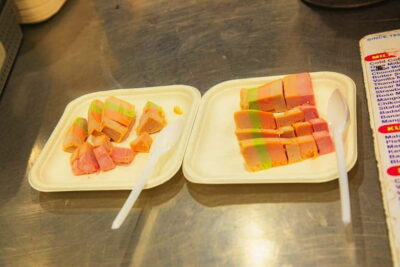
Mumbai Morning Market Tour of Flowers, Fish, and More
Read our review →Mumbai Morning Market Tour of Flowers, Fish, and More
Read our review →
Mumbai Street Food Tour with Evening Bazaar Walk
Read our review →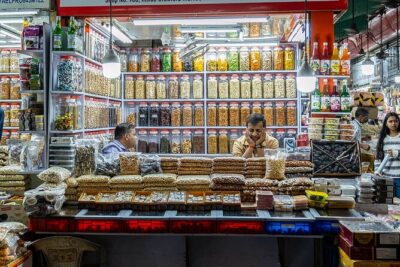

Mumbai Street Food & Bazaar Tour with Local Transport
Read our review →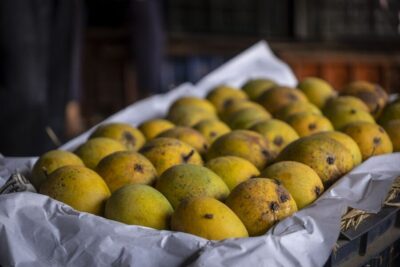
Vibrant Markets of Mumbai (2 Hours Guided Walking Tour)
Read our review →Browse the lists this tour appears in