
Reviewed · MUMBAI HERITAGE WALKING TOURS
Stories of Mumbai: Heritage Walk with Hidden Tales
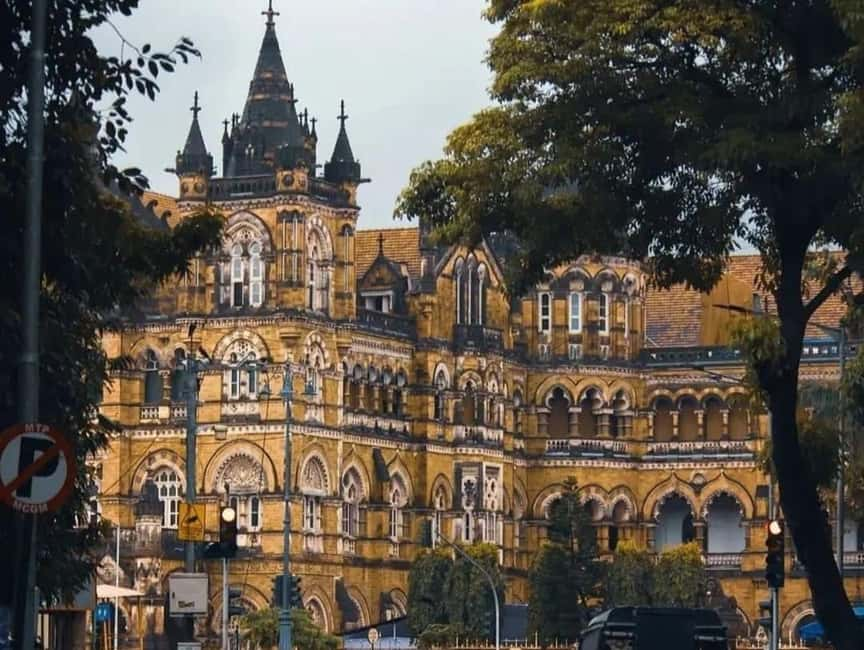
Mumbai is easiest to understand on foot, one story and one street at a time. This private heritage walk links the Gateway of India, the Taj Mahal Palace, Colaba Causeway, old markets, a Parsi café, colonial courtyards, and Marine Drive. I like the way it treats the city as a living place rather than a row of monuments. The personal guide and flexible timing are also useful if you want to pause for photos or ask questions.
I especially like that chai at a local café and a ferry ride are included, along with pickup and drop-off for private bookings. Guide Nisar earned strong praise for his warmth, useful local recommendations, and interesting facts. The main concern is consistency: one booking reported a 1-hour-and-15-minute delay, incorrect information, and none of the promised lesser-known stops, so confirm the meeting details and route before setting out.
Key points to know before booking
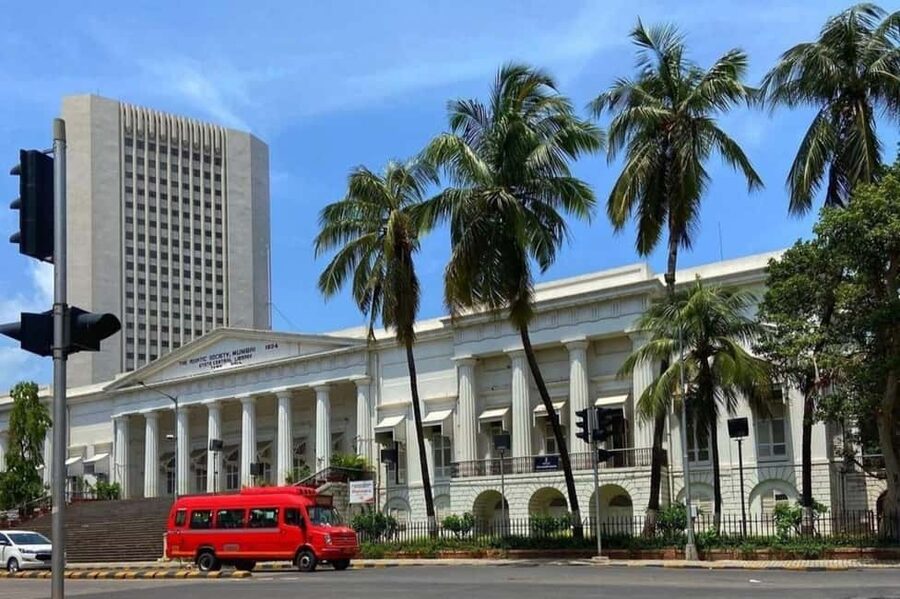
- Mumbai told through people and places: The walk connects colonial buildings, trade, independence, religion, food, and daily city life.
- Gateway to Marine Drive: You begin at one of Mumbai’s major symbols and finish beside the sea, tracing the city’s change from fishing settlements to financial center.
- Private and flexible: A private group can adjust its pace and timing, which helps in crowded streets and warm weather.
- Local details beyond the usual stops: Old bazaars, a Parsi café, colonial courtyards, spice markets, and an ancient step well may feature in the route.
- Good value at $10: The fee includes an English-speaking guide, bottled water, chai, ferry travel, local taxes, and private pickup and drop-off.
- Check the guide and start time: The experience has a strong overall score of 4.2 from five ratings, but one serious service complaint makes advance confirmation sensible.
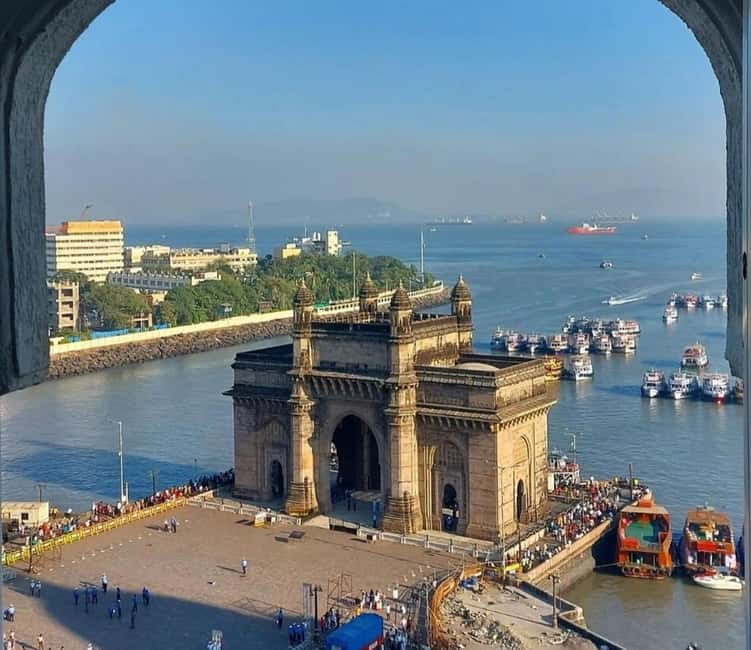
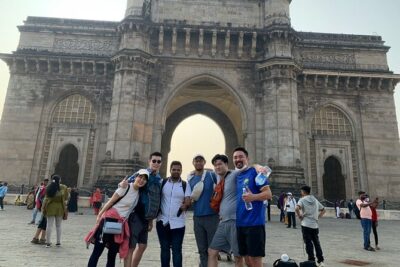
Starting at the Gateway of India
The Gateway of India is a fitting place to begin because it carries two very different meanings. It was built during British rule and became associated with the arrival of imperial visitors. Later, British troops left India through this same gateway as colonial rule ended.
That contrast gives your guide a useful opening: Mumbai is not just a British-built port city. It is a place shaped by local communities, overseas trade, religious groups, workers, merchants, and political change. A good guide can use the arch to explain how Bombay grew from a group of fishing villages into a major port and, later, India’s financial center.
I would allow time here for photos and a quick look around before the walking begins. The area can feel busy, and the stone monument is more striking when you understand its political symbolism rather than treating it as a simple photo stop.
The tour is designed as a story rather than a checklist. That matters at the Gateway, where the most useful information is not only the building’s date or style, but what it represented at different points in Mumbai’s past.
More heritage walking tours in Mumbai
- Best South Mumbai Heritage Walk
★ 5.0 · 122 reviews - Heritage Walk: Recommended by Gigi Hadid as a must-do in Mumbai
★ 5.0 · 122 reviews - Mumbai: South Mumbai Heritage Walking Guided Tour
★ 4.5 · 69 reviews
Reading the Taj Mahal Palace and colonial Colaba
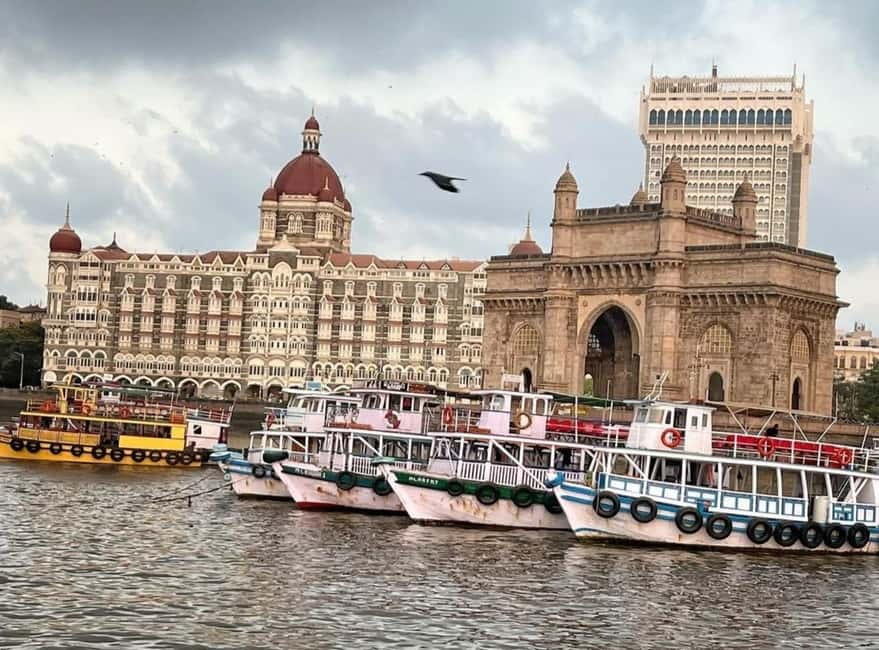
From the Gateway, the walk passes the Taj Mahal Palace Hotel and the Royal Bombay Yacht Club. These buildings help explain the social and commercial world of colonial Bombay.
The Taj Mahal Palace is one of the city’s most recognizable landmarks, while the yacht club points to the British presence and the strict social divisions of the period. Together, they let you compare public symbols of empire with the city’s wider Indian commercial life.
You should not expect every interior to be open. The value here is in the exterior details, the street setting, and the explanation of how the waterfront developed. Your guide may point out architectural features, but the strongest part of this section should be the connection between buildings and the people who used them.
Colaba Causeway changes the mood. Here, grand stone façades give way to shops, street activity, and a much more informal urban rhythm. That shift is one of the pleasures of the route. Mumbai’s past does not sit behind glass. It shares the pavement with cafés, shops, traffic, and daily errands.
For photographers, this section offers a useful mix of broad architecture and close street scenes. Bring a camera, but stay alert while walking. You will be moving through active city streets rather than a quiet museum district.
Old bazaars, spice markets, and the working city
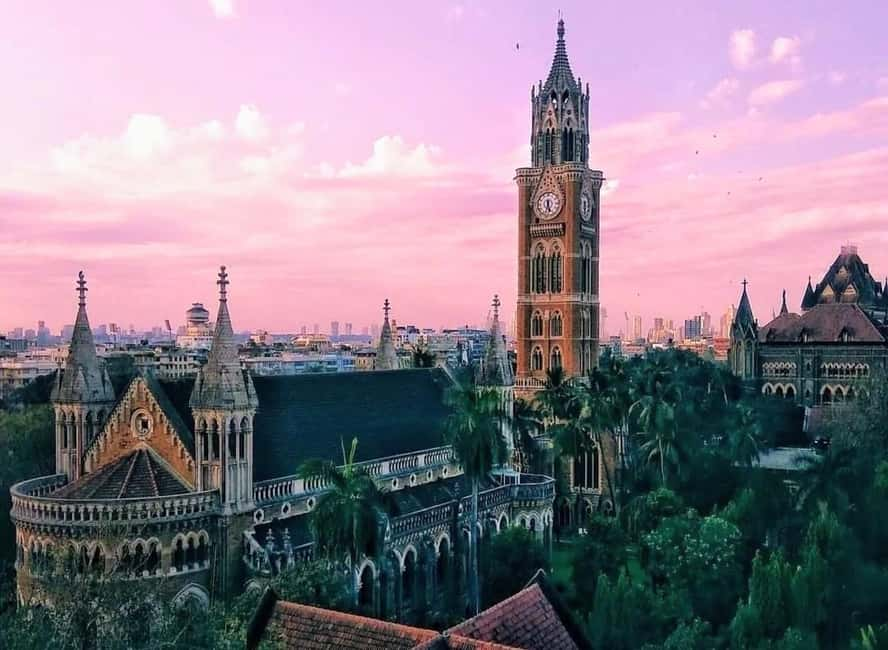
The lesser-known part of the walk is meant to take you away from the best-known colonial sights. Old bazaars and spice markets show a different side of Mumbai, one tied to trade, food, craft, and neighborhood life.
The point is not simply to see colorful stalls. Ask your guide how these markets fit into the city’s growth, which communities have used them, and how trade helped turn Bombay into a major port. Those questions can turn a short stop into a much clearer picture of the city.
The exact bazaar route can vary. The activity description promises old markets, spice markets, and historic districts, but it does not provide a fixed list of streets. That flexibility is useful in a private tour, though it also means you should ask what will be covered when you book.
An ancient step well may also form part of the walk. Step wells are practical structures built to provide access to water, and they can be easy to miss when surrounded by modern Mumbai. If this stop is included, it should appeal to anyone interested in how older infrastructure supported city life.
The walking may be intense. One two-hour booking covered several landmarks on foot, and the overall duration can range from 2.5 to 6 hours. Wear shoes that can handle uneven pavement, and carry only what you need. Mumbai’s heat, traffic, and crowded streets can make a short distance feel longer.
A Parsi café and the city’s layered culture
The stop at a local Parsi café is one of the more distinctive promises of this experience. Parsi cafés are part of Mumbai’s food and social history, and the stop adds a human scale to the grander colonial buildings.
The included chai gives you a chance to sit down, ask questions, and let the guide connect food with migration, trade, and community life. A café visit can also break up the walking, which is welcome on a warm day.
Do not expect a full meal. Meals beyond chai are not included, and the description does not name the café or guarantee a particular menu. If you need lunch or have dietary concerns, plan separately and ask the operator what the stop involves.
This is also one of the places where guide quality matters most. Nisar was praised for being friendly, helpful, and generous with local suggestions. A guide who can explain why a café matters, rather than merely pointing it out, will make this stop much more worthwhile.
More history and heritage tours in Mumbai
- Hill-station & Heritage: Lonavala & Karla Caves Tour from Mumbai
★ 5.0 · 60 reviews - Mumbai Heritage Walk and Elephanta Caves Experience
★ 5.0 · 53 reviews - South Mumbai: Cultural Heritage Walking Tour
★ 4.8 · 45 reviews - Kanheri Caves Heritage Tour
★ 5.0 · 45 reviews
Colonial courtyards and stories that need a good guide
The walk promises courtyards and less familiar colonial spaces that standard sightseeing routes often skip. These places can be more revealing than a famous façade because they show how buildings were arranged and used.
At their best, courtyards slow the tour down. You can look at balconies, passageways, walls, and details that are easy to miss from a vehicle. They also create a quieter setting for stories about residents, businesses, and the changing use of old buildings.
There is an important qualification here. One booking reported that no courtyards or lesser-known places were visited, and that the commentary was rushed and inaccurate after a long delay. That is a serious warning because these promised stops are central to the experience, not minor extras.
I would message the operator before the day of the tour and ask for a clear outline: Which bazaars? Which café? Are the courtyards open? Is the step well included? What does the ferry connect? This takes a minute and gives you a better chance of receiving the experience you expect.
The independence story behind the architecture
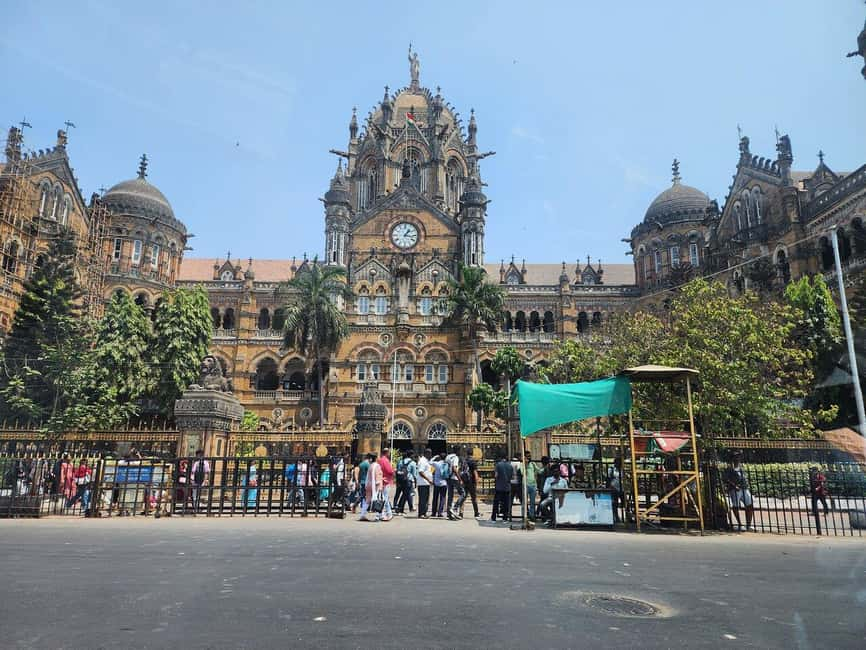
Mumbai’s buildings make more sense when tied to the independence movement. The walk uses the colonial district to discuss the period when Bombay was both a commercial center and an important setting for political change.
The Gateway of India is the obvious symbol of imperial power and departure. The surrounding streets add texture to that story. Trade, clubs, hotels, markets, and public buildings show how colonial authority operated, while Indian businesses and communities reveal the city that existed beyond official institutions.
A guide should avoid presenting this as a simple British versus Indian story. Mumbai’s development involved many groups and competing interests. The activity is strongest when it explains those layers in plain language and connects them to what you can still see on the street.
Several bookings praised the guide’s facts, stories, enthusiasm, and willingness to help. One guide, Nisar, was singled out by name. If he leads your walk, ask him for recommendations after the formal route ends. His local suggestions were one of the most praised parts of the experience.
Ending at Marine Drive
Marine Drive provides a calm finish after the markets and older streets. The sea-facing road is one of Mumbai’s best-known public spaces, but its value here is the view back over the city’s long change.
You begin with an imperial gateway and finish beside the modern waterfront. In between, you pass hotels, clubs, markets, cafés, religious and commercial communities, and old infrastructure. That sequence gives the experience a clear shape.
The final stop is not a major historical monument in the same way as the Gateway. It is a place to pause and consider the city as a whole. Mumbai’s story is still being written, and Marine Drive gives you room to think about that before returning to your hotel or continuing into the evening.
The route may last only 2.5 hours or extend to six, depending on the option booked. Ask how much time will be spent walking, how long the café stop lasts, and whether Marine Drive is included in the shorter version. Those details matter if you have dinner plans or another booking.
What the $10 price really includes
At $10 per person, this is an unusually low price for a private experience that includes an English-speaking guide, bottled water, chai, ferry travel, local taxes, and private pickup and drop-off. If the route runs for several hours and includes the promised storytelling, the value is excellent.
The low price also makes it easier to accept a modest format. This is not a luxury sightseeing vehicle or a formal museum tour. Its value depends on the guide’s preparation, timing, and ability to explain what you are seeing.
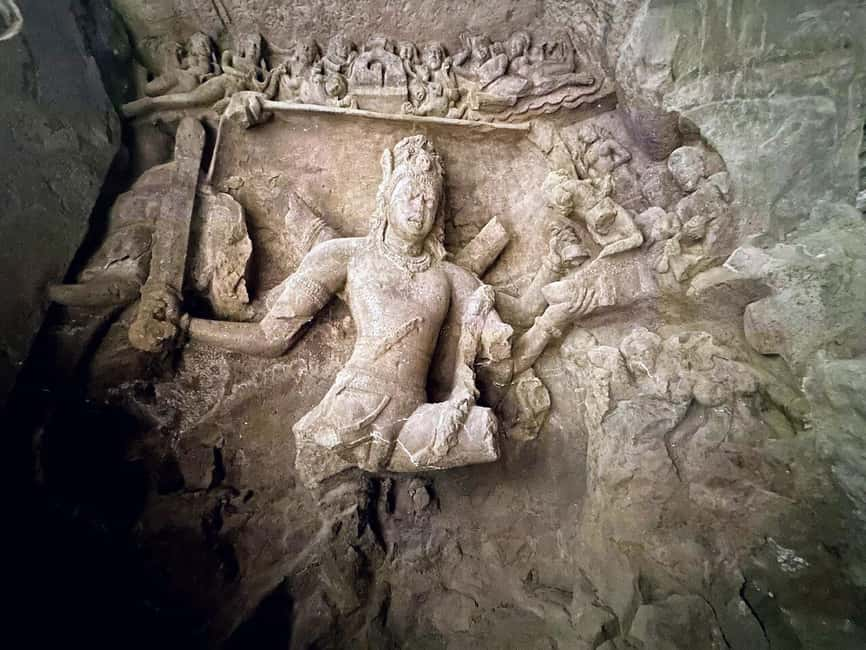
Elephanta Caves entrance is not included. The supplied details mention ferry travel but do not say that the tour includes the cave admission, so budget separately if your selected option visits Elephanta. Meals beyond chai and personal purchases are also your responsibility.
Private pickup and drop-off can save time, especially in Mumbai, where getting across town may take longer than expected. The meeting point varies by option, so check the exact arrangement rather than assuming every booking begins at the Gateway.
Timing, walking, and practical preparation
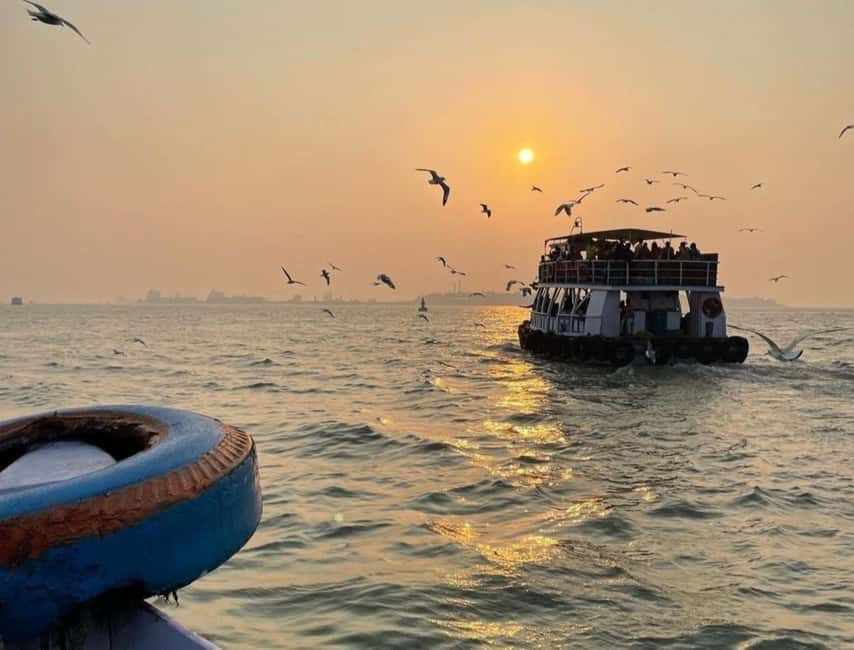
The experience is available in versions lasting from 2.5 to 6 hours. That is a wide range. A short version may suit you if you want a focused Colaba walk, while a longer option makes more room for bazaars, café time, a ferry, and the wider story of the city.
Comfortable shoes are essential. You may cover old streets, crowded market areas, and uneven surfaces, and one booking described two hours of intense walking. Bring water, although a bottle is provided, and dress for changing weather.
A camera is worthwhile. The route offers formal architecture, market scenes, café details, old passageways, and the sea at Marine Drive. Ask before photographing people or private spaces, especially in markets and courtyards.
The tour is offered in English. Private groups are available, and the flexible format should suit people who want to stop for photographs or ask more questions. If you prefer a firm pace and a fixed list of sights, ask for those details before booking.
Cancellation is free up to 24 hours in advance, and you can reserve now and pay later. These terms are helpful if your Mumbai plans may shift, but they do not solve the main practical issue: making sure the operator confirms your start time and guide.
Who will get the most from this walk
I would choose this experience if you care more about context than famous photo stops. History lovers will appreciate the link between colonial power, trade, independence, and modern Mumbai.
It also suits photographers. You get a broad range of subjects, from major stone buildings to market lanes and café interiors. The private format may make it easier to pause without holding up a large group.
Culture-focused visitors should like the mix of architecture, food, local communities, and street life. The Parsi café and bazaars give the tour a more human feel than a route limited to grand landmarks.
I would be cautious if you have limited mobility or dislike long walks, since the route can involve several hours on foot. I would also be cautious if your schedule is tight. The serious delay reported in one booking makes it wise to leave a buffer before your next activity.
Should you book Stories of Mumbai?
Book it if you want an affordable, private introduction to Mumbai that connects famous places with markets, cafés, old courtyards, and local stories. The strongest elements are the setting, the flexible format, the low price, and the friendly guidance associated with Nisar.
Before paying, confirm the start time, pickup details, named guide, ferry arrangements, and the lesser-known stops you expect to see. The experience has a good overall score and several strong comments about enthusiasm, useful facts, and personal recommendations, but the report of a major delay and inaccurate commentary cannot be ignored.
With those details confirmed, this is a promising choice for a first day in Mumbai, especially if you want the city explained through its streets rather than viewed from a bus window.
FAQ
How long does the heritage walk last?
The available duration ranges from 2.5 to 6 hours. Starting times and the exact length depend on the option you book.
Where does the tour meet?
The meeting point can vary according to the option selected. Check the pickup and meeting details for your booking.
Is the experience private?
A private group option is available. Private bookings also include pickup and drop-off.
What language is the tour conducted in?
The tour is conducted in English with a live English-speaking guide.
Is food included?
Chai at a local café is included. Meals other than chai are not included.
Is the Elephanta Caves entrance fee included?
No. Entrance to the Elephanta Caves is not included.
Is ferry travel included?
Ferry travel is listed as included. Confirm how it applies to the specific option you choose, especially if your route includes Elephanta.
What should I bring?
Wear comfortable shoes, prepare for changing weather, and bring a camera. Bottled water is included.
More walking tours in Mumbai
- Group Guided Walking Tour in Fort and Colaba
★ 5.0 · 1,073 reviews - Private Guided Walking Tour in Fort & Colaba
★ 5.0 · 895 reviews - Private Guided Walking Tour in Bandra Queen of Suburbs
★ 5.0 · 383 reviews - Private Guided Spiritual Walk in Banganga Hindu Temples
★ 5.0 · 271 reviews
Recently added around Mumbai
- Private Walking Tour in Dharavi Slums★ 5.0 · 7 reviews
- Mumbai Sightseeing Tour★ 5.0 · 11 reviews
- Private Mumbai 2-Day Tour Package:City + Slum & Elephanta Island.★ 5.0 · 3 reviews
- Vegetarian Indian Cuisine Virtual Cooking Class Experience from Mumbai★ 5.0 · 4 reviews
- Mumbai by Night Guided Tour★ 5.0 · 6 reviews
- Transfer from Mumbai Airport to Hotel★ 4.0 · 7 reviews
- Full-Day Agra Tour with Taj Mahal From Mumbai By Air★ 5.0 · 8 reviews
- Taj Mahal Day Trip Including Same Day Flights from Mumbai★ 5.0 · 3 reviews
Mumbai Heritage Walking Tours, compared.

Heritage Walk: Recommended by Gigi Hadid as a must-do in Mumbai
Read our review →
Hill-station & Heritage: Lonavala & Karla Caves Tour from Mumbai
Read our review →
Mumbai Heritage Walk and Elephanta Caves Experience
Read our review →
Private Mumbai Jewish Heritage Tour: Baghdadi & Bene Israel
Read our review →Browse the lists this tour appears in